
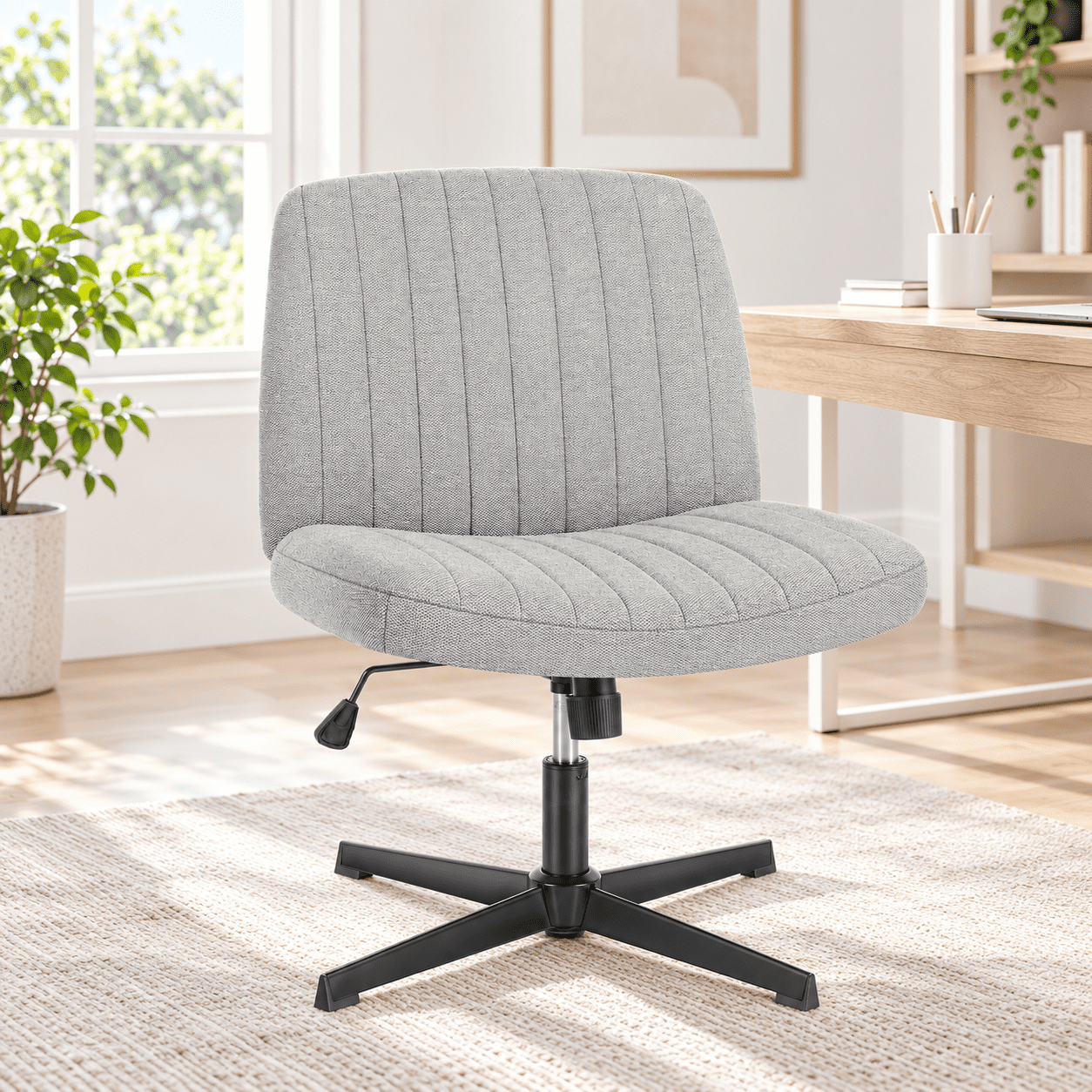
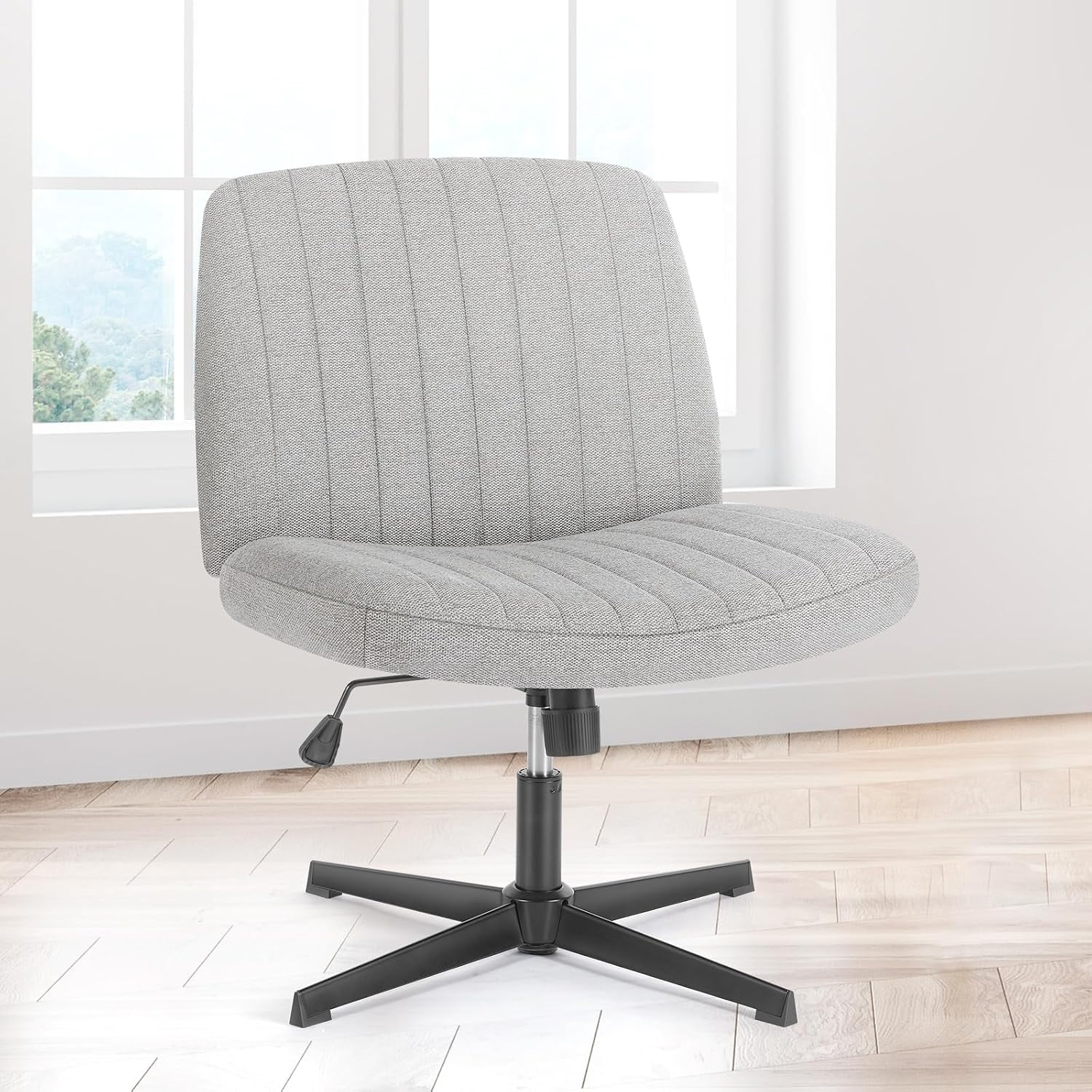
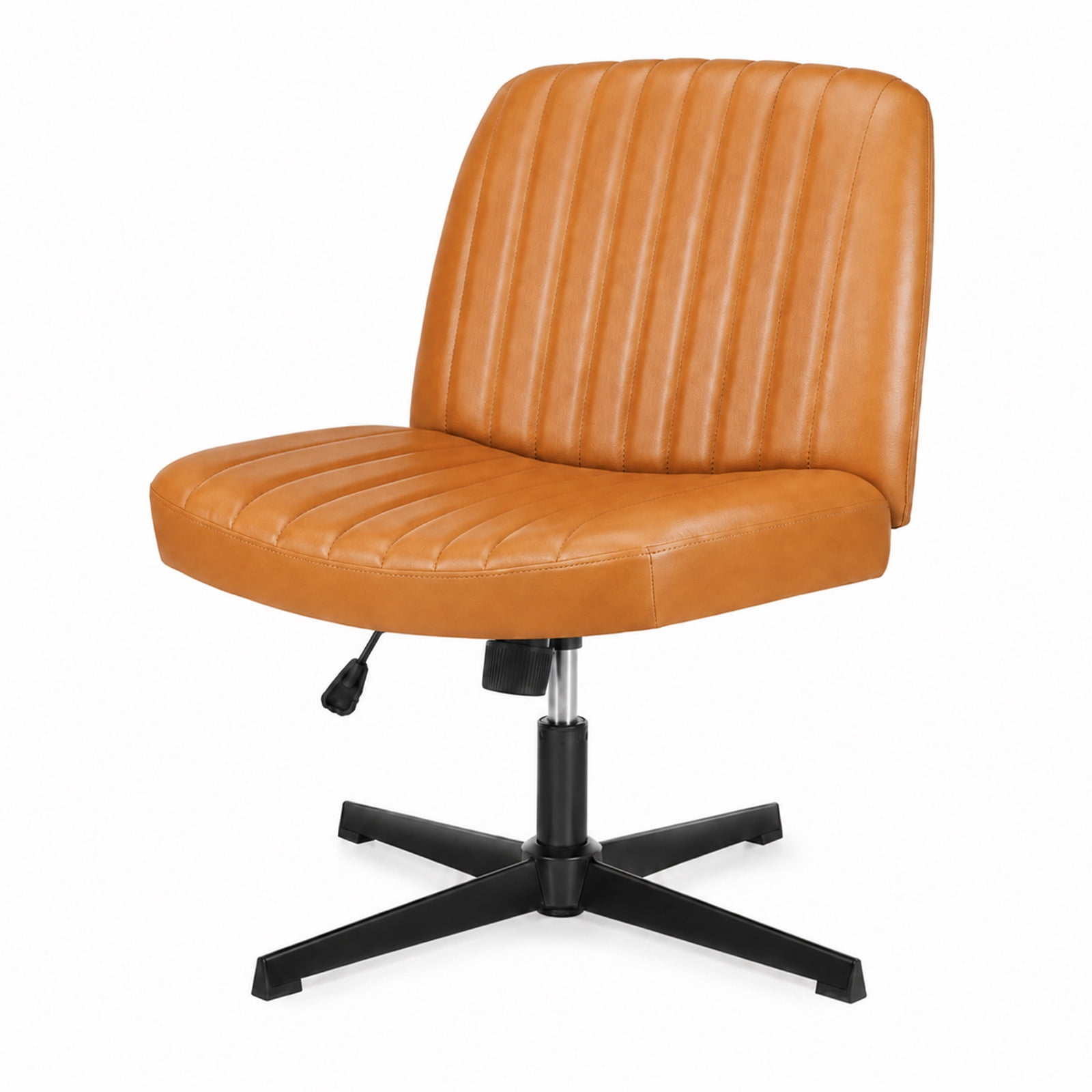
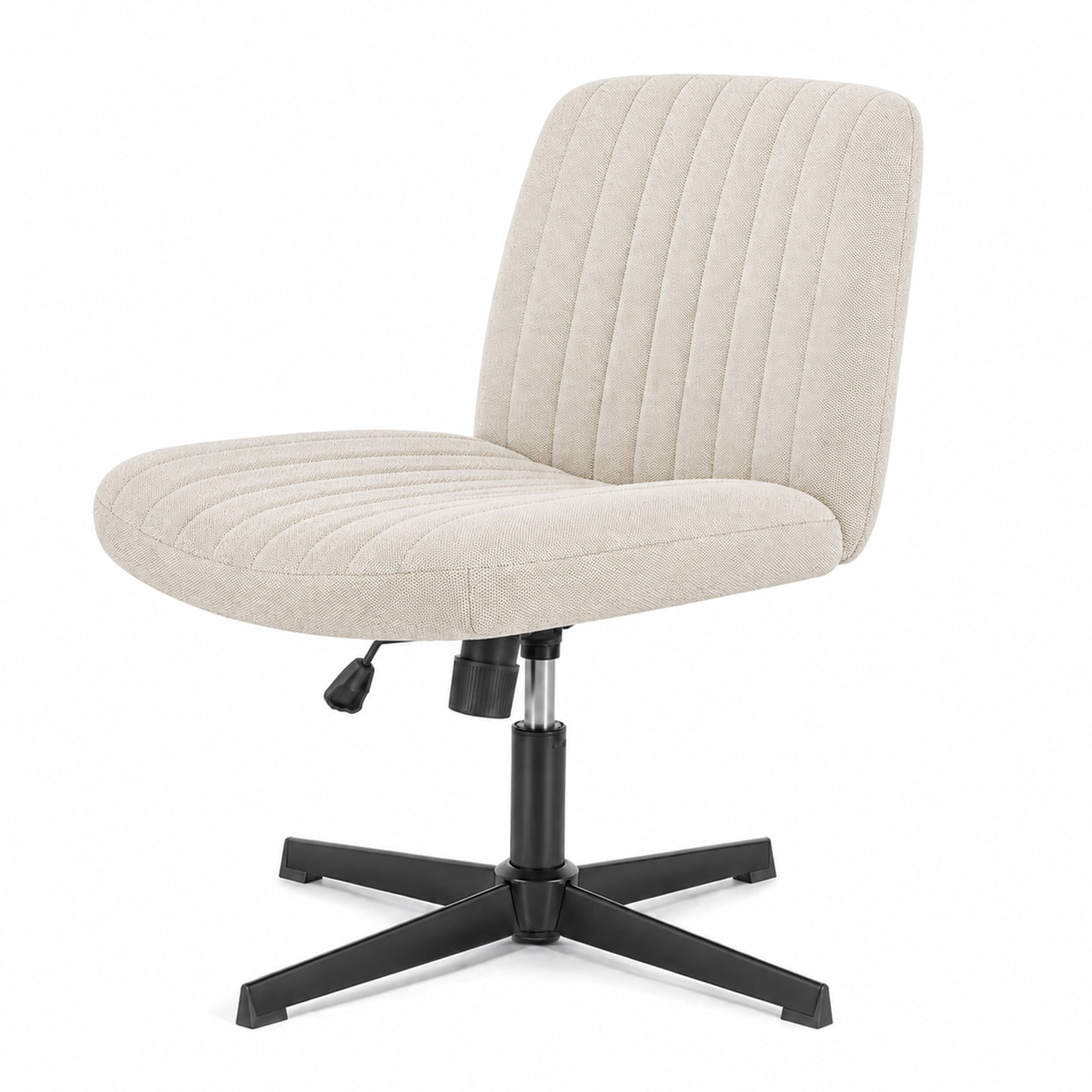
The Rise of the Office Chair Criss Cross: Why Your Hips Will Thank You
For decades, the standard office chair has been a rigid throne, demanding we sit with our feet flat on the floor and knees bent at a perfect 90-degree angle. But our bodies weren't designed for such static positions. They crave movement, variety, and the freedom to shift. Enter the office chair criss cross—a design revolution that throws the old rulebook out the window. Imagine sinking into a chair after a long meeting and naturally folding your legs beneath you, just like you do on your couch at home. It's not just more comfortable; for many, it's a pathway to better posture and reduced back pain.
This isn't just a passing trend. According to a 2023 survey by the American Posture Institute, 68% of office workers admit to sitting in non-standard positions (like tucking a leg under themselves) in traditional chairs, often to relieve discomfort. The office chair criss cross is the first design to actually accommodate this natural human behavior, rather than fighting it. By providing a wider, deeper seat and a stable base, these chairs allow you to adopt a cross-legged position safely and ergonomically, all while keeping you at the correct height for your desk and computer.
Ergonomic Insight: Sitting cross-legged isn't "bad posture"—it's a natural hip position. Many Eastern cultures use floor seating for hours without the back pain epidemic seen in the West. The key is support and the ability to change positions. An office chair criss cross provides that support while honoring your body's need for flexibility.
Anatomy of an Office Chair for Cross-Legged Sitting
What actually makes a chair suitable for sitting criss-cross? It's not just about removing armrests. It's a thoughtful combination of design elements that work together to support a flexible sitting style. Let's break down the key components that define a true office chair criss cross.
1. The Seat: Width, Depth, and Cushioning
The seat is the most critical factor. A standard office chair, typically 18-20 inches wide, feels like a cage when you try to fold your legs. For criss-cross comfort, you need room to breathe. Look for a seat width of at least 24 inches. This extra real estate allows your knees to drop comfortably to the sides without hitting armrests or the edge of the chair.
- Seat Depth Matters: You need more depth—ideally 20 to 22 inches—to accommodate the length of your legs when folded. A shallow seat will leave your knees hanging off the front, cutting off circulation. A deeper seat provides full thigh support, even when sitting cross-legged.
- Cushion Density: The foam must be soft enough to prevent pressure points on your ankles and shins, but firm enough to provide support for your hips. High-density, multi-layer foam is the gold standard, often topped with a plush layer of memory foam or gel for comfort.
- Waterfall Edge: Even when you're not criss-cross, a gently sloping "waterfall" front edge is vital. It prevents the seat from digging into the back of your thighs, improving blood circulation to your legs, a benefit that holds true no matter how you're sitting.
2. Base and Stability: Floor-Friendly Design
When you sit cross-legged, your feet aren't on the floor. This changes the chair's center of gravity. A stable, well-designed base is non-negotiable.
- Wide, Five-Point Base: Don't settle for anything less than a heavy-duty, wide-spanning five-point base. This provides the stability needed to prevent tipping when you shift your weight or lean forward.
- Floor-Friendly Casters: Because you'll be tucking your legs up, your feet or socks will often be in contact with the floor. Standard hard plastic casters can be painful if accidentally rolled over. Look for chairs with soft rubber or polyurethane casters. These are gentle on bare feet and socks, and they also protect hardwood and tile floors from scratches.
- Glides vs. Casters: Some criss-cross chairs even offer stationary glides as an option. This creates a rock-solid, non-rolling platform, perfect if you want to anchor yourself completely and just focus on the task at hand without the chair drifting away when you move.
3. Backrest and Support: Following Your Spine
When you sit criss-cross, your pelvis rotates slightly forward. A traditional rigid backrest might not align correctly with this new posture. The best office chair criss cross designs feature backrests that move with you.
- Flexible or Articulated Backrest: Look for a backrest that has some give or is separately articulated from the seat. This allows it to maintain contact with your lumbar spine even as your sitting angle changes. Some models use a tension-adjustable mechanism that lets you rock and recline, which is fantastic for dynamic sitting.
- Lumbar Support: Adjustable lumbar support is still crucial. As your hips rotate, the curve of your lower back changes. Being able to dial in the support ensures your spine stays in a healthy, neutral position, preventing slouching.
- Height and Angle: A taller backrest can provide support for your entire back and shoulders, which is especially nice when you lean back in a criss-cross position. Some chairs even allow you to adjust the angle of the backrest independently of the seat.
Comparison: Criss-Cross Chair vs. Traditional Office Chair
To truly understand the difference, let's put them side-by-side. The table below highlights why a specialized office chair criss cross is a game-changer for flexible sitters.
| Feature | Traditional Office Chair | Office Chair Criss Cross |
|---|---|---|
| Seat Width | Standard (18-20 inches) | Wide (24+ inches) for leg room |
| Seat Depth | Standard (16-19 inches) | Deep (20-22 inches) for folded legs |
| Front Edge | Often hard or square | Waterfall edge for circulation |
| Armrests | Fixed or limited adjustment | Flip-up, removable, or absent |
| Casters | Standard hard plastic | Soft rubber/polyurethane for bare feet |
| Posture Goal | Static 90-90-90 rule | Dynamic, natural hip rotation |
Who Needs an Office Chair Criss Cross? A Practical Guide
This chair isn't for everyone, but for a specific and growing group of workers, it can be life-changing. Let's see if you fit the profile.
The Yoga-Inspired Worker
If you regularly practice yoga or stretching, you know the value of hip mobility. Sitting in a rigid chair all day can feel like a step backward. An office chair criss cross allows you to maintain that openness in your hips, translating the flexibility you work hard to achieve into your work life. It's like a gentle, continuous hip-opener while you answer emails.
The "Can't Sit Still" Creative
For writers, designers, and thinkers, the best ideas often come when the body is in motion. The ability to shift from a standard seated position to a criss-cross, to kneeling, to perching on the edge—all in the same chair—is a form of physical fidgeting that keeps the mind engaged. It prevents the mental stagnation that comes from being locked in one position for too long.
The Individual with Lower Back or Hip Discomfort
Many people with chronic lower back pain find relief when they can sit with their legs crossed. This position can tilt the pelvis forward slightly, restoring the natural inward curve of the lower back (lordosis) that is often flattened by standard chairs. As Dr. Emily Carter, an ergonomics specialist, notes, "For patients with tight hip flexors—a common issue from too much sitting—allowing the legs to splay out in a criss-cross position can immediately reduce tension on the lower back."
However, it's a journey of self-discovery. The goal isn't to sit criss-cross all day, but to add it as another tool in your seating arsenal. Use the flexibility of the chair to cycle through positions: sit normally for an hour, then switch to criss-cross for 20 minutes, then perch on the edge. This constant change is the essence of dynamic sitting.
Frequently Asked Questions About Office Chair Criss Cross Designs
Still have questions? Here are answers to some of the most common queries we receive about this innovative seating style.
Final Verdict: Is the Office Chair Criss Cross Right for Your Workspace?
The office chair criss cross represents a significant shift in how we think about workplace seating. It moves away from the one-size-fits-all, posture-police mentality and towards a more humane, flexible, and body-aware approach. It acknowledges that we are not static machines, but dynamic beings who need to move.
If you value comfort, suffer from hip or lower back tightness, or simply want the freedom to sit in a way that feels natural, this chair is worth a serious look. It's an investment in your physical well-being and daily comfort. The best way to know if it works for you is to try it. Use our guide to identify the key features, check out the top-rated models above, and give your body the flexibility it deserves.
Key Takeaway
Don't think of it as a "criss-cross only" chair. Think of it as a "freedom to move" chair. The best model for you will be the one that disappears beneath you, allowing you to focus on your work, not your discomfort, regardless of how you choose to sit.