
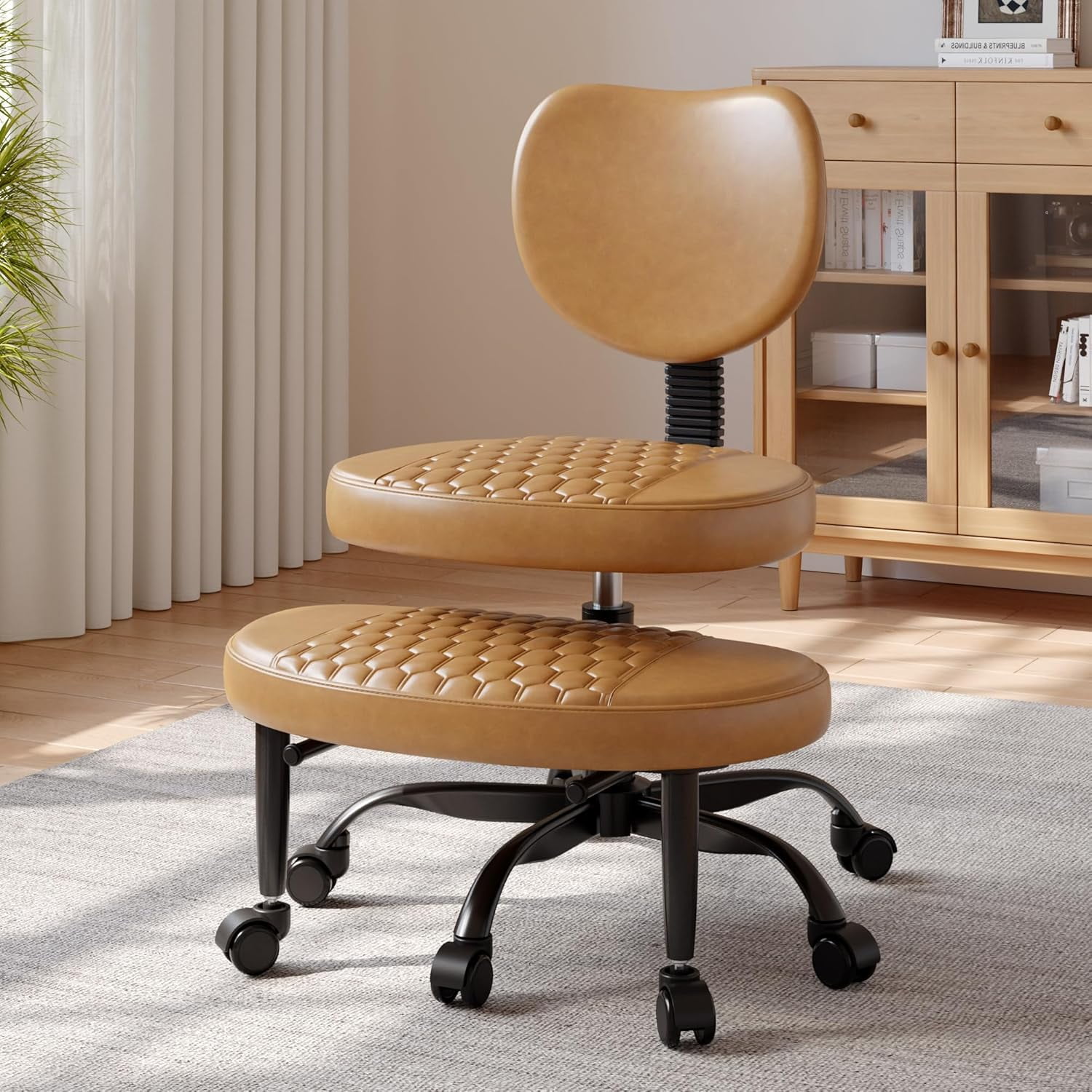
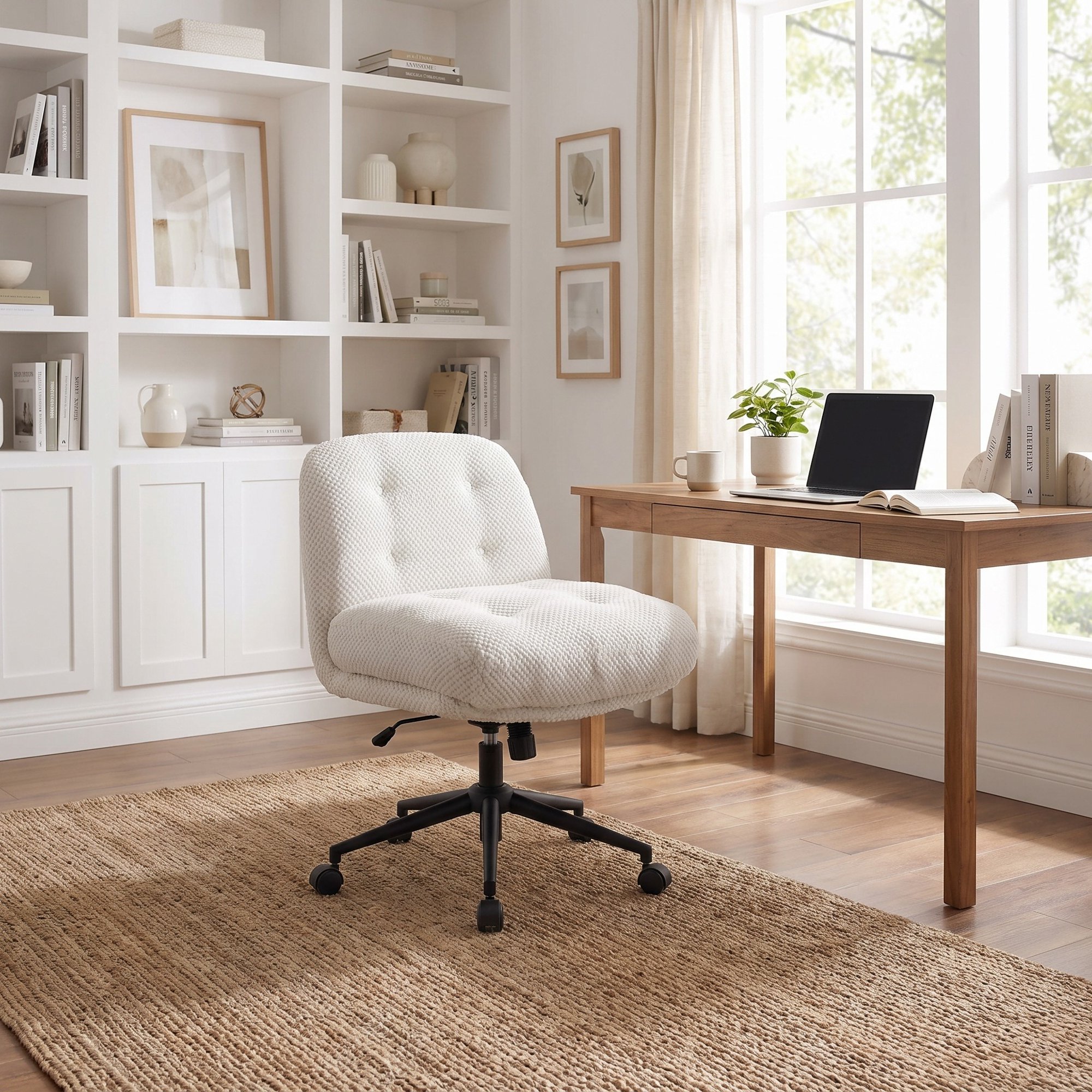
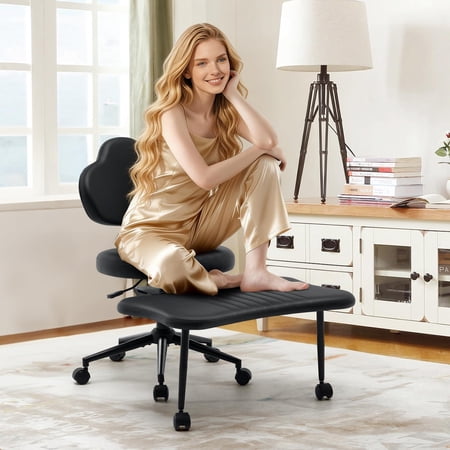
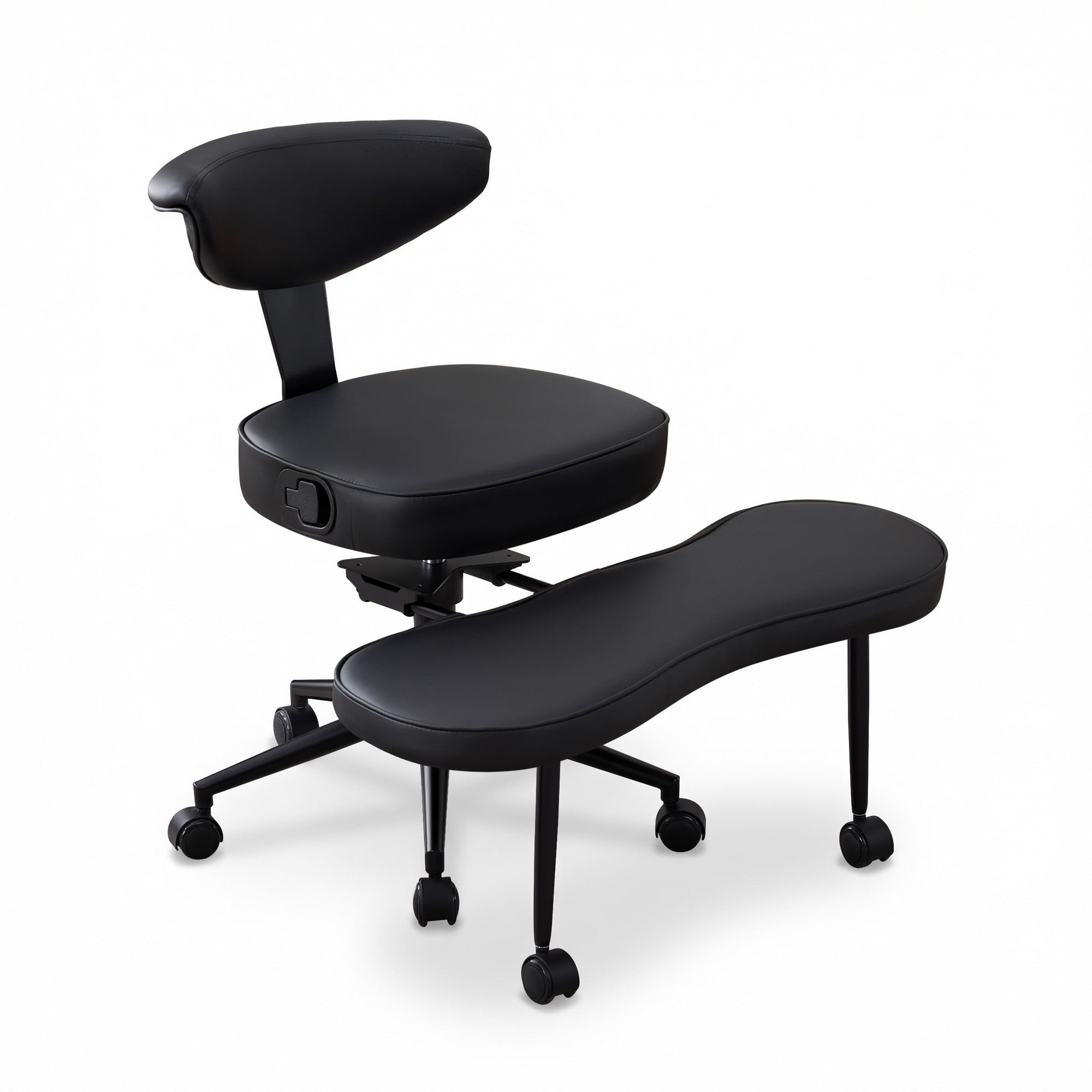
Why "Cross-Legged" Matters: The New Workplace Flexibility
For decades, the "perfect" office posture was depicted as feet flat on the floor, knees at 90 degrees. But humans aren't built for static positions. We are movers, fidgeters, and position-shifters. If you've ever found yourself naturally tucking one leg under you or sitting fully cross-legged in your chair, you're not alone. This instinct to sit cross-legged—often called "criss-cross applesauce" style—is your body's way of seeking pelvic stability, reducing pressure on your feet, or simply finding a comfortable change. However, traditional office chairs with narrow seats and hard plastic edges make this impossible. An ergonomic office chair cross legged is designed to liberate you from the one-size-fits-all posture, offering a wide, deep, and forgiving seat that accommodates your body's natural desire to move.
The Science of Sitting: A study from the University of California, Berkeley, suggests that varying your sitting position throughout the day can reduce spinal disc pressure by up to 25% compared to maintaining a single rigid posture. Chairs that allow for cross-legged sitting encourage micro-movements, which lubricate joints and prevent muscle fatigue.
The Anatomy of a Cross-Legged Friendly Ergonomic Chair
Not every wide chair qualifies as ergonomic for cross-legged sitting. It’s a specialized design that balances freedom with support. Here are the critical components that make a chair a true sanctuary for the flexible sitter:
1. Seat Dimensions: Width and Depth are Non-Negotiable
The primary barrier to sitting cross-legged is the seat pan. Standard office chairs are about 19-20 inches wide—too narrow for folding legs. For true comfort, you need:
- Seat Width: Look for a minimum of 22 to 24 inches. This provides the lateral space for your knees to point outward without hitting armrests or the chair's side edges.
- Seat Depth: You need a depth of 20 to 22 inches. This allows your thighs to rest fully on the cushion when your legs are folded, preventing your shins from hanging off uncomfortably. A waterfall edge (a gently sloping front edge) is crucial here to avoid cutting off circulation to your legs.
2. Armrests: The Flip-Up Revolution
Fixed armrests are the enemy of the cross-legged sitter. They act like barriers, preventing your legs from finding a comfortable position. The solution is 4D armrests that flip up or adjustable width armrests.
- Flip-up Armrests: When you want to sit cross-legged, simply lift them out of the way. When you need to type or rest your arms, lower them back down. This offers the best of both worlds.
- Width-Adjustable Armrests: Some chairs allow you to slide the armrests outward, creating a wider "cockpit" for your legs while still providing some arm support.
3. Upholstery: Fabric Over Leather
While leather looks professional, it can be sticky and non-breathable, especially when you're sitting with your legs folded, which increases skin contact and heat. For a cross-legged chair:
- Breathable Mesh: Ideal for airflow and preventing sweat, but ensure it has enough padding underneath for comfort.
- High-Density Foam with Fabric: A soft-yet-supportive fabric like high-quality polyester or wool blend provides grip (so you don't slide) and breathability. Look for cold-cure foam that won't break down easily.
4. Lumbar Support That Moves With You
When you shift from a standard sitting position to a cross-legged one, your pelvic tilt changes. A static lumbar support might then press into the wrong part of your back. The best chairs feature:
- Independent Lumbar Adjustment: A support that you can raise, lower, and increase/decrease in depth.
- Dynamic Backrest: A backrest that pivots or flexes with your movements, maintaining contact and support regardless of your position.
Health Benefits of a Flexible Seating Posture
Embracing a chair that allows cross-legged sitting isn't just about comfort; it has tangible health advantages for desk workers.
Improved Hip Mobility
Sitting cross-legged gently opens the hips, counteracting the tightness caused by traditional chair sitting.
Reduced Sciatic Tension
For some, this position can take pressure off the sciatic nerve compared to a 90-degree angle.
Enhanced Core Engagement
Balancing in a slightly different posture can subtly engage core stabilizer muscles.
Better Circulation Variety
Changing positions prevents blood from pooling in the lower legs, reducing fatigue.
Cross-Legged vs. Kneeling Chairs: What's the Difference?
It's easy to confuse a chair for sitting cross-legged with an ergonomic kneeling chair. They serve different purposes:
| Feature | Cross-Legged Ergonomic Chair | Ergonomic Kneeling Chair |
|---|---|---|
| Primary Position | Sitting with legs folded on the seat pan. | Kneeling with shins on a pad, knees bent. |
| Hip Angle | Open to very open (depending on how you sit). | Extremely open (approx. 135 degrees). |
| Best For | Users who want variety and can't commit to a single 'alternative' posture. | Users with specific lower back issues who want to tilt their pelvis forward. |
| Ease of Use | Easy to switch between standard and cross-legged. | Requires a learning curve and good balance. |
Ultimately, a cross-legged friendly chair offers more versatility. It doesn't force you into one alternative posture; it simply makes your preferred, natural postures possible.
How to Choose Your Ideal Cross-Legged Ergonomic Chair
Finding the perfect chair is a personal journey. Follow this step-by-step guide to ensure you make the right investment in your comfort.
Step 1: Measure Your Space and Yourself
- Desk Height: Ensure your desk is high enough that when you sit cross-legged (which raises your knees), you don't hit the underside. You may need to lower the chair or raise the desk.
- Your Build: Measure the widest part of your thighs when folded. Add 4-6 inches to find your ideal seat width.
Step 2: Prioritize the "Big Three" Features
- 1. Flip-up Armrests: Non-negotiable for easy access.
- 2. Deep Waterfall Seat: At least 20" deep with a soft, curved front.
- 3. Breathable Material: Mesh or high-quality fabric.
Step 3: Test the Lumbar Support
When you sit cross-legged, lean back. Does the lumbar support still hit the curve of your lower back, or is it too high/low? Look for chairs with height-adjustable lumbar to fine-tune this.
Step 4: Check the Weight Capacity
Because the sitting position distributes weight differently, ensure the chair has a robust build. A 350 lbs minimum weight capacity often indicates a sturdier frame and thicker padding that will hold up well to the varied pressures of cross-legged sitting.
Frequently Asked Questions About Cross-Legged Office Chairs
Conclusion: Embrace Your Natural Sitting Style
The modern office worker is no longer confined to a single rigid posture. The demand for an ergonomic office chair cross legged is a testament to our need for movement, comfort, and personalization in the workplace. By choosing a chair with a wide, deep seat, breathable fabric, and adaptable armrests, you're not just buying furniture; you're investing in your long-term musculoskeletal health and daily productivity. Remember, the best chair is the one that fits you—not just your body measurements, but your unique habits and the way you naturally like to sit. Use this guide to find a chair that supports you, no matter how you choose to position yourself.
Final Thought
Don't fight your body's instinct to move. Find a chair that works *with* you. Whether you're typing an email with your legs crossed brainstorming your next big idea in a half-lotus, the right chair makes all the difference.