
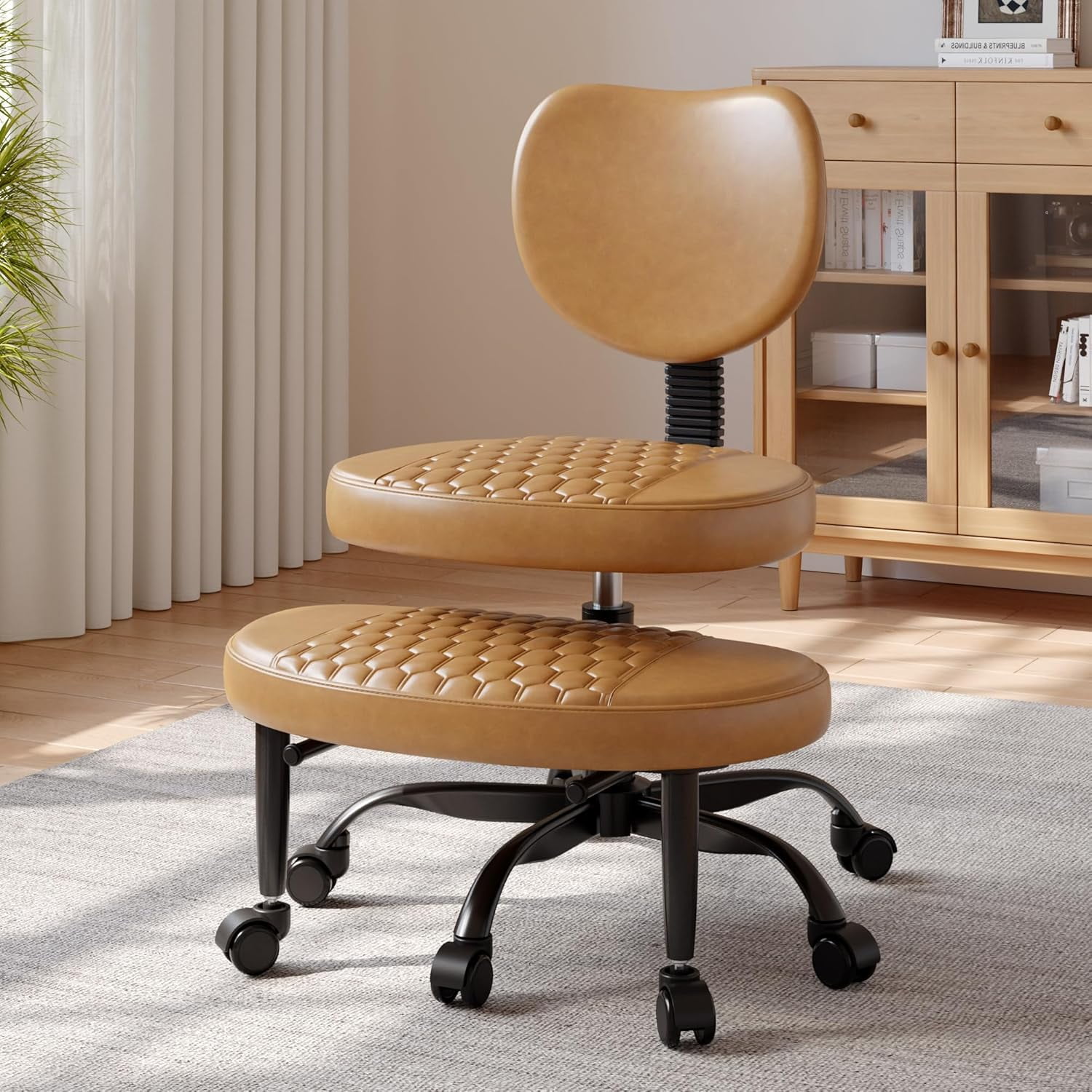
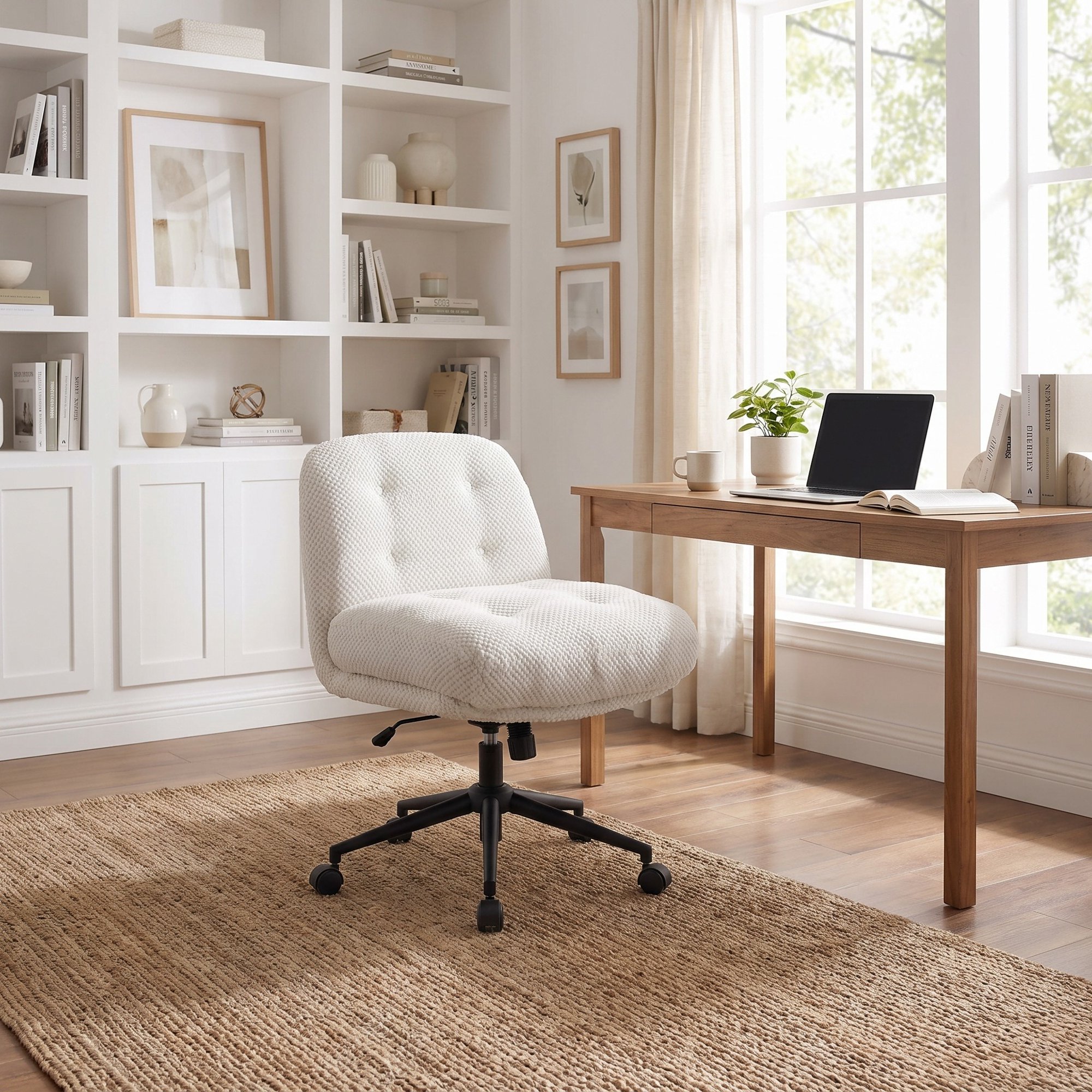
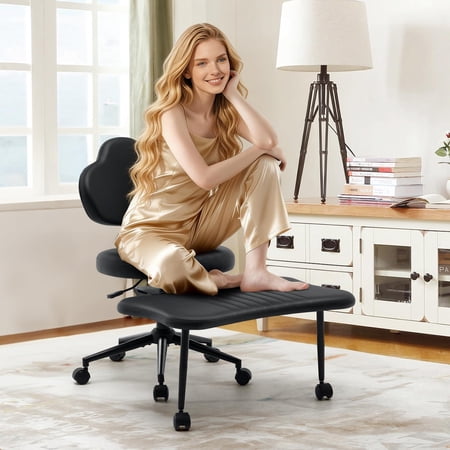
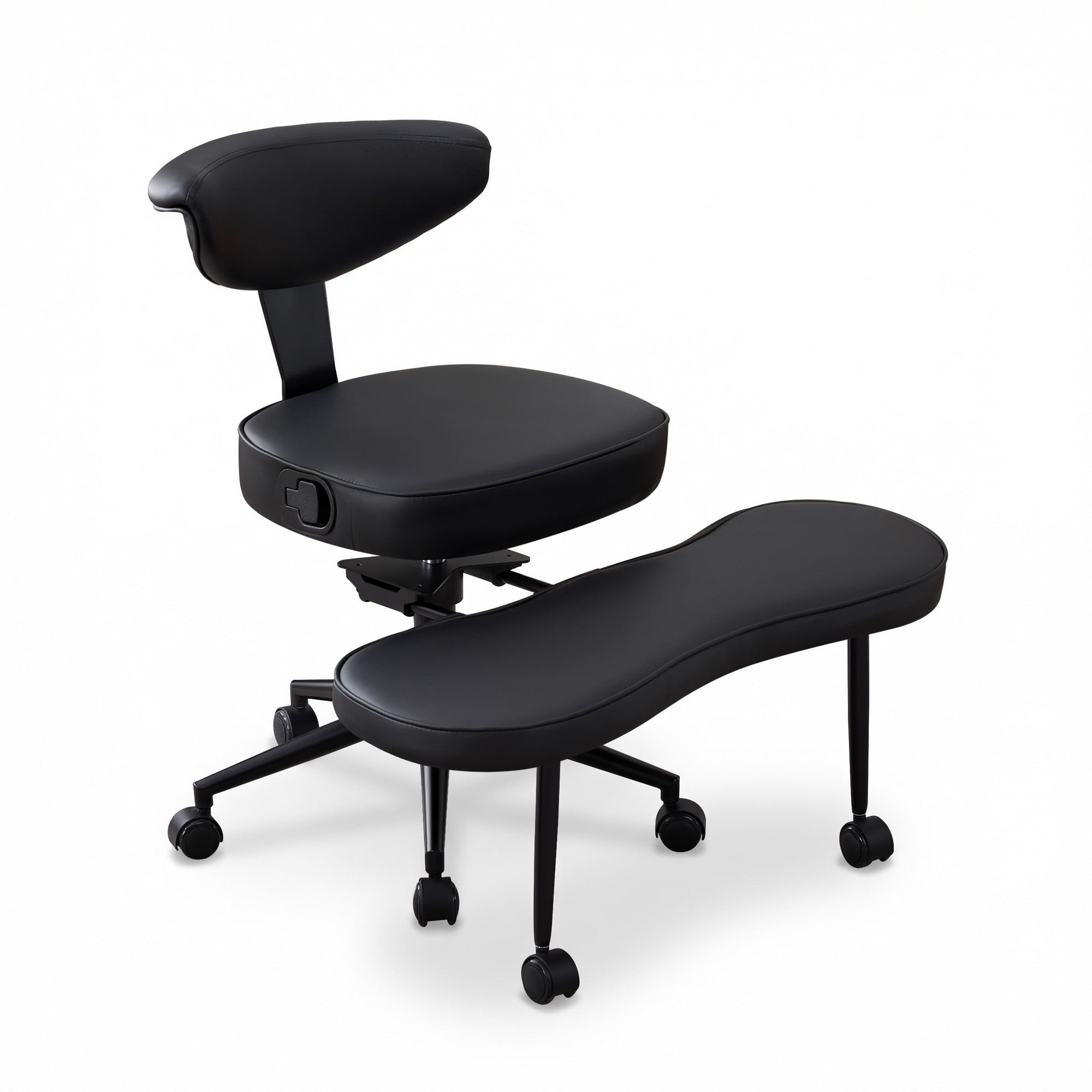
Finally, a Chair That Respects How You Really Sit
Do you find yourself tucking one leg under the other while working? Maybe you instinctively sit cross-legged, only to be reminded by a stiff chair edge that you're "not supposed to." For millions of people—especially those from cultures where floor sitting is common—sitting with legs crossed is the most natural, comfortable posture. Yet the standard office chair fights you.
Enter the ergonomic cross legged office chair. It's not a gimmick; it's a response to how humans actually sit when given the choice. Research from ergonomic journals suggests that forced 90-90-90 sitting (feet flat, knees at 90°) can stiffen hips and reduce circulation over time. Alternating postures, including cross-legged, can improve mobility and comfort. This guide dives deep into the world of chairs that let you sit your way—without sacrificing back support.
Quick insight: A 2022 survey by the Posture Foundation found that 67% of remote workers admitted to sitting cross-legged in their chairs at least once a day. Yet 8 out of 10 said their current chair made it uncomfortable. The demand for flexible seating is real—and growing.
The Anatomy of an Ergonomic Cross Legged Chair
Not every wide chair qualifies. A true ergonomic cross legged office chair has specific design elements that distinguish it from a standard executive or task chair. Here's what makes them special:
1. The Seat: Width, Depth, and Cushioning
The seat is the star. Standard office chairs are typically 19-20 inches wide—fine for parallel legs, but cramped for crossing. Cross-legged chairs often feature seats that are 24 to 30 inches wide, giving your knees and shins room to rest without hanging over the edge. But width alone isn't enough:
- Waterfall front edge: The front of the seat curves downward, preventing pressure behind the knees when legs are crossed.
- High-density foam: Because you're sitting on different pressure points (like the side of a thigh), the foam must be resilient enough to avoid bottoming out.
- Contoured vs. flat: Some chairs have a slight contour to guide leg placement, but flat seats often work best for maximum freedom.
2. Seat Height Range: Lower is Better
When you sit cross-legged, your feet don't reach the floor in the same way. A standard chair height (~18-21 inches) might leave your crossed legs dangling, straining your lower back. The best cross-legged chairs offer a lower minimum seat height—sometimes as low as 15 inches from the floor. This allows you to place a footstool or simply rest your legs comfortably. Look for chairs with a wide pneumatic lift range (at least 4-5 inches of adjustment).
3. Backrest: Supporting the Pelvis
When you cross your legs, your pelvis tilts. A rigid lumbar support designed for 90-degree sitting might miss the mark. The ideal chair has:
- Adjustable lumbar height and depth: So you can dial in support exactly where your lower back needs it in a cross-legged position.
- Flexible backrest: Some chairs use a "butterfly" mechanism that moves with you, or a mesh back that yields while still providing structure.
- Headrest optional: If you recline while cross-legged, a headrest can prevent neck strain.
4. Base and Stability
A wider seat means a wider stance. Many cross-legged chairs come with a larger five-star base (28-30 inches diameter) to prevent tipping when you shift weight. Casters should be smooth-rolling but lockable if you prefer stillness.
Real-World Analogy
Think of a standard office chair like a pair of skinny jeans—stylish but restrictive. An ergonomic cross legged chair is like your favorite well-worn sweatpants: roomy, forgiving, and you can move freely. But unlike sweatpants, it still provides the back support of a quality office chair.
Who Benefits Most from a Cross Legged Chair?
This isn't a niche product. The audience is broader than you think:
- Yoga enthusiasts & flexibility lovers: If you stretch during the day, you want a chair that doesn't punish you for folding.
- People with hip or knee stiffness: Alternating positions can ease joint discomfort.
- Remote workers who sit for long hours: Variety in posture reduces fatigue.
- Those from cultures where floor sitting is common: Many Asians, Middle Easterners, and Africans find cross-legged sitting more natural.
- Pregnant women: Later in pregnancy, spreading legs can be uncomfortable; crossing may offer relief (with doctor's ok).
According to a small study by Cornell University's Ergonomics Web, people who changed posture every 15-20 minutes reported 40% less discomfort at the end of the day. A chair that allows cross-legged sitting encourages that natural movement.
Key Features Comparison: Cross-Legged vs. Traditional Chair
| Feature | Traditional Task Chair | Ergonomic Cross Legged Chair |
|---|---|---|
| Seat Width | 19-21 inches | 24-30 inches |
| Seat Edge | Often hard, 90° angle | Waterfall, soft padding |
| Min Seat Height | ~17 inches | As low as 15 inches |
| Lumbar Support | Fixed for upright posture | Adjustable, forgiving |
| Armrests | Standard width | Often wider or flip-up |
| Typical User | "Sit straight" type | "Sit naturally" type |
Potential Downsides & How to Mitigate Them
No chair is perfect. Here are considerations for cross-legged models:
- Armrests may be too wide: Some chairs have armrests set wide to accommodate the seat, which might be uncomfortable if you have narrow shoulders. Look for 4D adjustable or flip-up armrests.
- May not fit under all desks: A wider seat might hit desk legs or pedestals. Measure your desk opening (usually 28-30 inches wide is safe).
- Not ideal for very short or very tall users: If you're under 5'2", the seat depth may be too long. If you're over 6'4", the backrest might be too short. Always check dimensions.
Pro tip: Always check the return policy. Sitting cross-legged is a personal preference; make sure you can test the chair at home for a few weeks.
Frequently Asked Questions About Cross Legged Office Chairs
Conclusion: Choose Comfort, Choose Freedom
The one-size-fits-all office chair is a relic. Modern ergonomics recognizes that people come in different shapes, sizes, and sitting preferences. An ergonomic cross legged office chair isn't just about a trend—it's about respecting your body's natural desire to move and adapt. Whether you're a digital nomad, a CEO, or a student, the ability to shift positions freely can transform your workday.
When shopping, prioritize seat width, adjustability, and lumbar support that moves with you. Test the range of motion. And remember: the best chair is the one you forget you're sitting in, because you're focused on your work—not discomfort. Explore the products above, read reviews, and give your legs the space they deserve.
Final thought: As workplace design evolves, so should our seating. Embrace the change; your hips will thank you.