
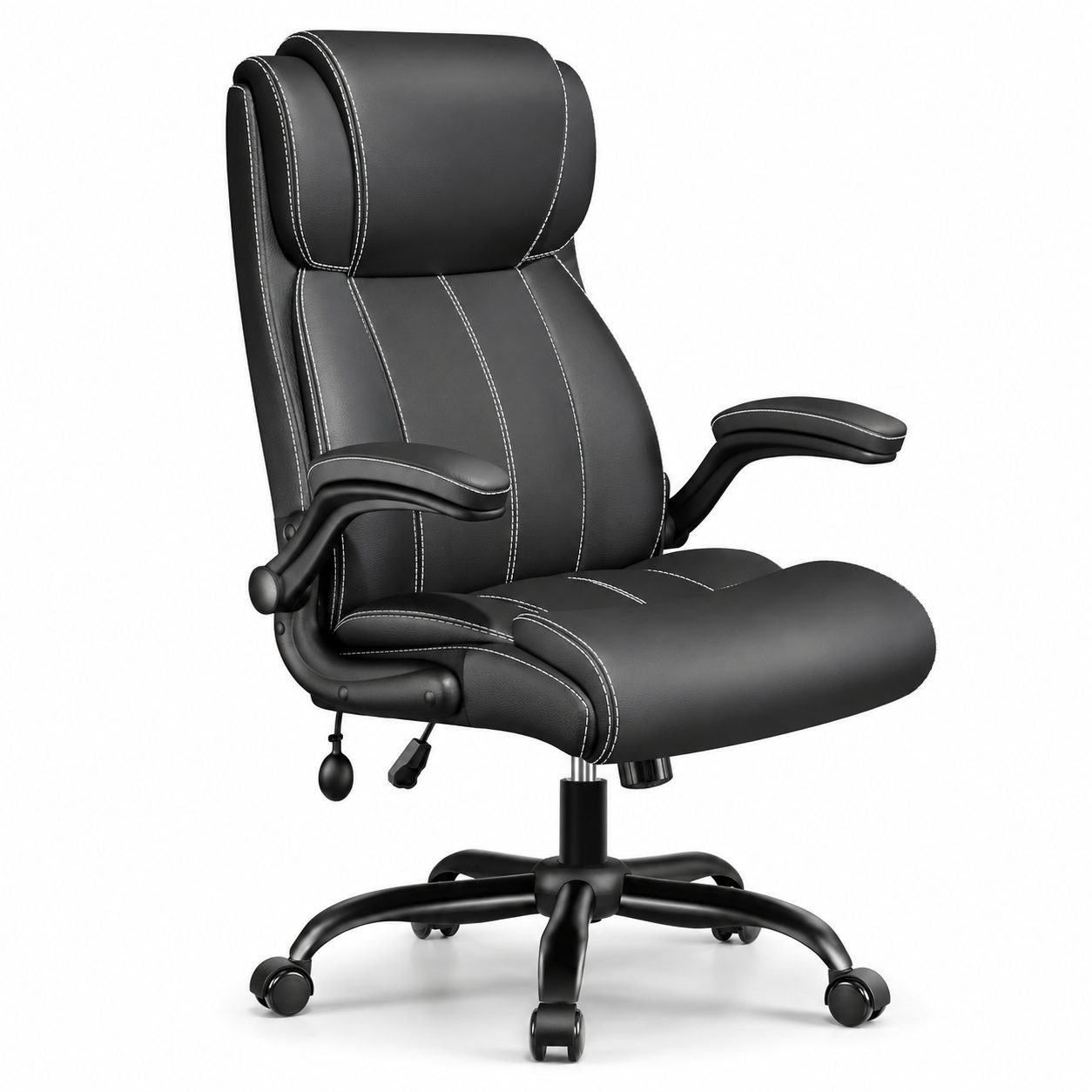
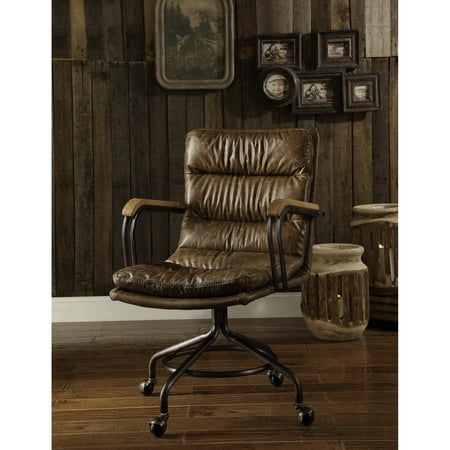
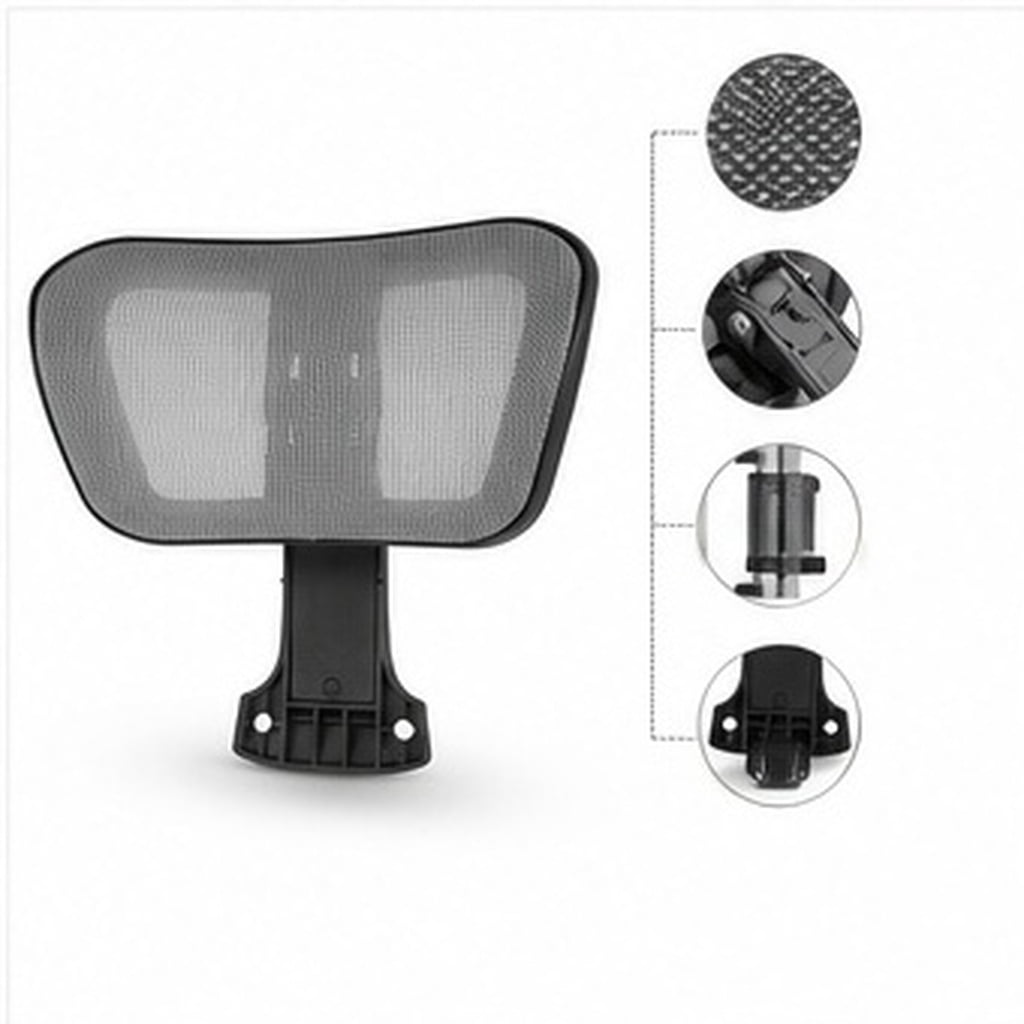
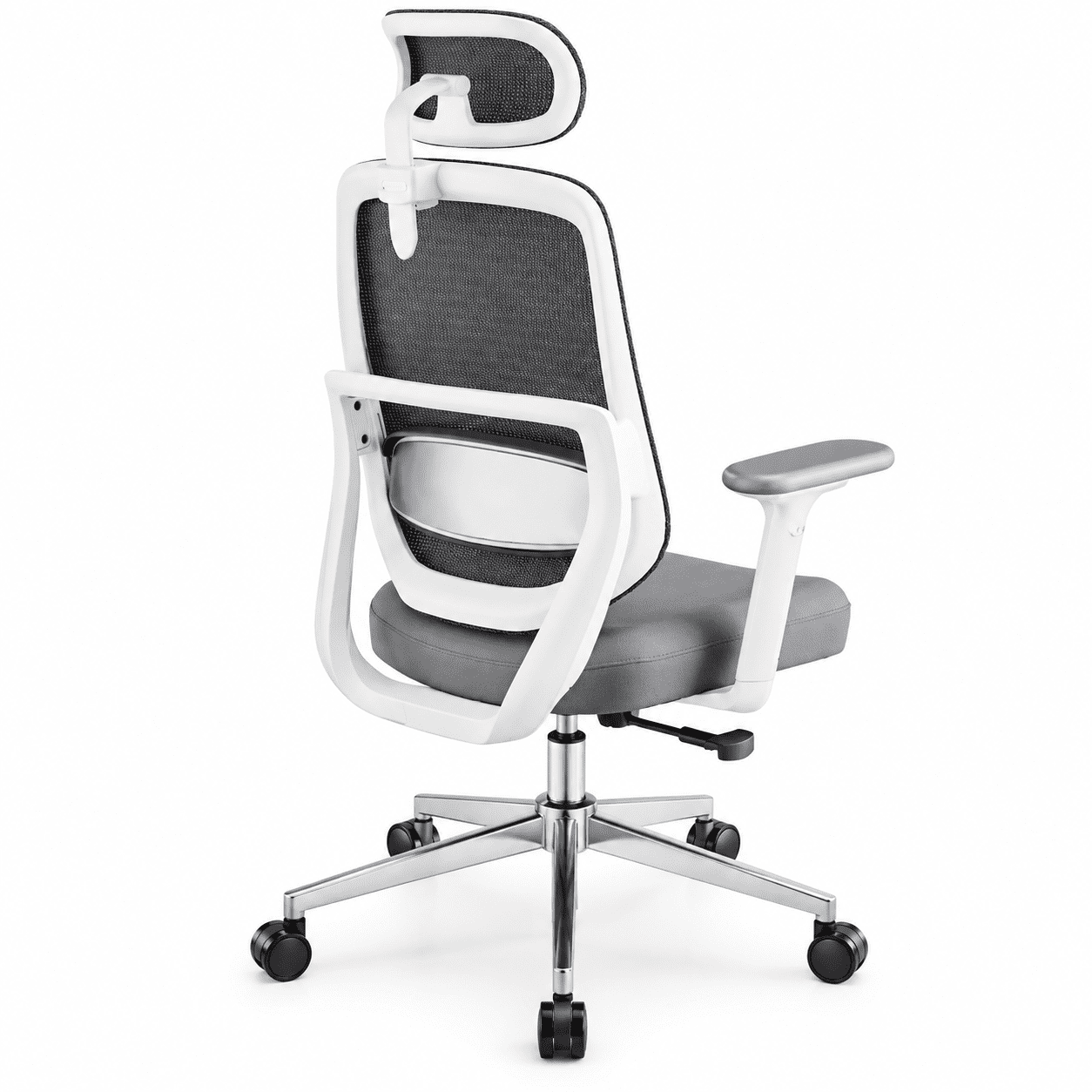
Why Back Support Matters: The Science of Comfortable Seating
Imagine your spine as a suspension bridge: every cable must be perfectly tensioned to maintain the structure's integrity. Similarly, when you sit in an office chair without proper back support, your spinal muscles work overtime to keep you upright, leading to fatigue, tension, and chronic pain. A comfortable office chair with back support acts as that essential tension system, cradling your spine in its natural alignment.
Ergonomic Research Insight: Studies from the American Chiropractic Association reveal that 80% of adults experience back pain at some point, and office workers are 3x more likely to develop spinal issues due to prolonged sitting. Investing in a chair with targeted lumbar support can reduce spinal disc pressure by up to 40% and improve focus by over 30%.
Essential Anatomy of a Back-Supportive Office Chair
Not all chairs are created equal. A truly supportive chair incorporates specific design elements that work together to maintain healthy posture. Here's what separates a basic chair from an ergonomic powerhouse:
Choosing Your Perfect Support Level: A Practical Framework
Selecting the ideal chair for your back requires honest self-assessment. Follow this step-by-step framework to identify your needs:
Step 1: Identify Your Pain Patterns
- Lower back ache after 2+ hours? → Prioritize chairs with adjustable lumbar pillows or active lumbar mechanisms.
- Upper back/shoulder stiffness? → Look for chairs with high-back support and adjustable headrests that align with your cervical spine.
- General fatigue and slouching? → Seek chairs with strong seat depth adjustment and firm, but comfortable, foam density.
Step 2: Measure Your Body for Optimal Fit
- Torso length: Sit against a wall; measure from your hip joint to shoulder top. Compare with chair back height recommendations.
- Thigh length: Measure from back of knee to your buttocks. Seat depth should accommodate this with 2-3 fingers gap.
- Weight & build: For individuals over 250 lbs, prioritize chairs with reinforced steel frames and 350+ lb weight capacities.
Step 3: Test the "Goldilocks" Zone
When testing a chair, sit for at least 15 minutes and check for these signs:
- Your ears align with shoulders, and shoulders align with hips.
- Lumbar support fills the curve of your lower back without feeling intrusive.
- You can recline slightly without your hips sliding forward.
- Armrests allow your shoulders to relax naturally.
Material Matters: What's Best for Your Back?
| Material Type | Back Support Quality | Comfort & Breathability | Best For |
|---|---|---|---|
| Premium Mesh | Excellent dynamic support; adapts to movement; prevents heat buildup | High breathability; firm yet yielding; cool in warm climates | Long hours, hot environments, those who prefer firm support |
| High-Density Foam (Fabric/Leather) | Contours to spine; often includes adjustable lumbar pillows; stable | Plush feel; retains shape; may retain heat | Executives, cooler climates, users preferring cushioned support |
| Hybrid (Mesh Back + Foam Seat) | Combines breathable back support with plush seating; ideal for spine health | Balanced; reduces pressure points on both back and thighs | All-day comfort seekers, versatile use |
Beyond the Chair: 5 Habits to Maximize Back Support
Even the world's best chair can't work miracles if you remain static all day. Incorporate these habits to supercharge your spinal health:
- The 20-20-20 Rule: Every 20 minutes, look 20 feet away for 20 seconds. Stand up, stretch, and adjust your posture.
- Micro-Adjustments: Recline slightly every hour to change spinal loading patterns. Use your chair's tilt lock wisely—alternate between upright and relaxed positions.
- Foot Placement: Keep feet flat on the floor or a footrest. Hanging feet increases pressure on your lower back.
- Core Engagement: Lightly engage your abdominal muscles while seated to support your spine naturally.
- Regular Movement: Set a timer for standing breaks every 60-90 minutes. A 2-minute walk improves circulation and resets posture.
Real-World Impact: What Proper Back Support Delivers
✅ Pain Reduction
Consistent support minimizes muscle fatigue and chronic discomfort by up to 60% according to ergonomic studies.
✅ Productivity Boost
Less discomfort = fewer distractions. Users report 25-35% higher focus and output.
✅ Long-Term Spinal Health
Proper posture during your most productive years prevents degenerative issues later.
✅ Energy Conservation
Your body uses less energy to maintain posture, leaving you more energized at the end of the day.