
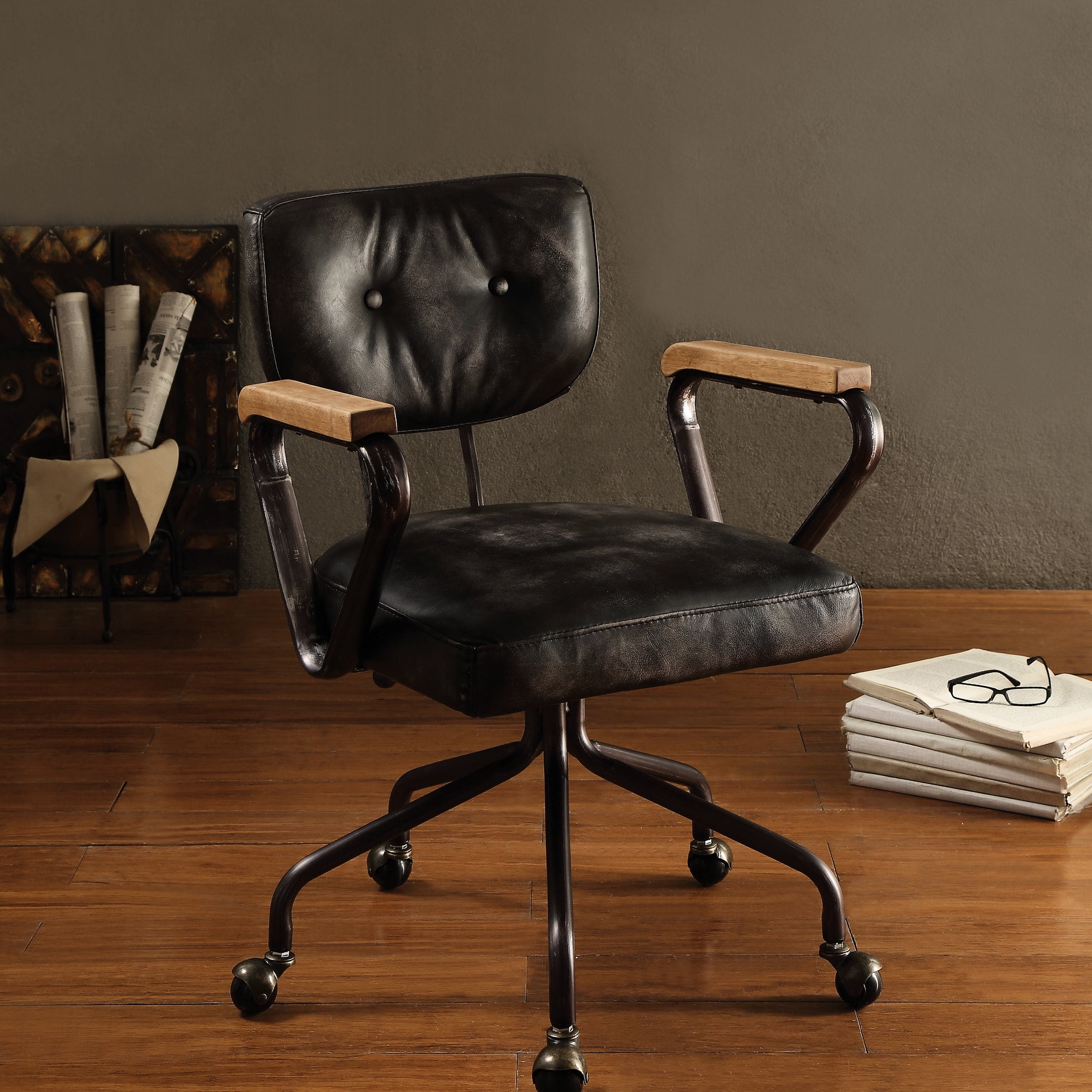
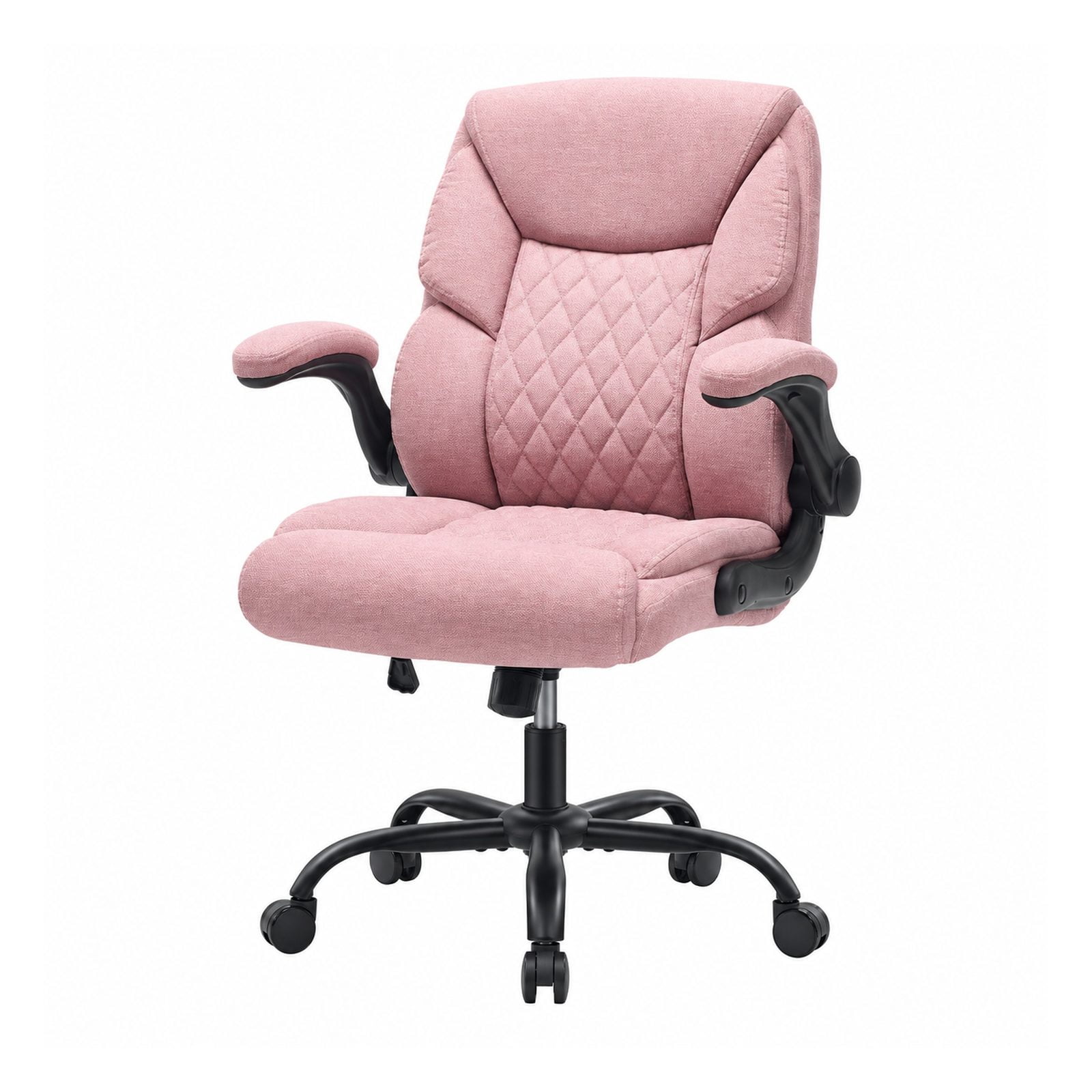
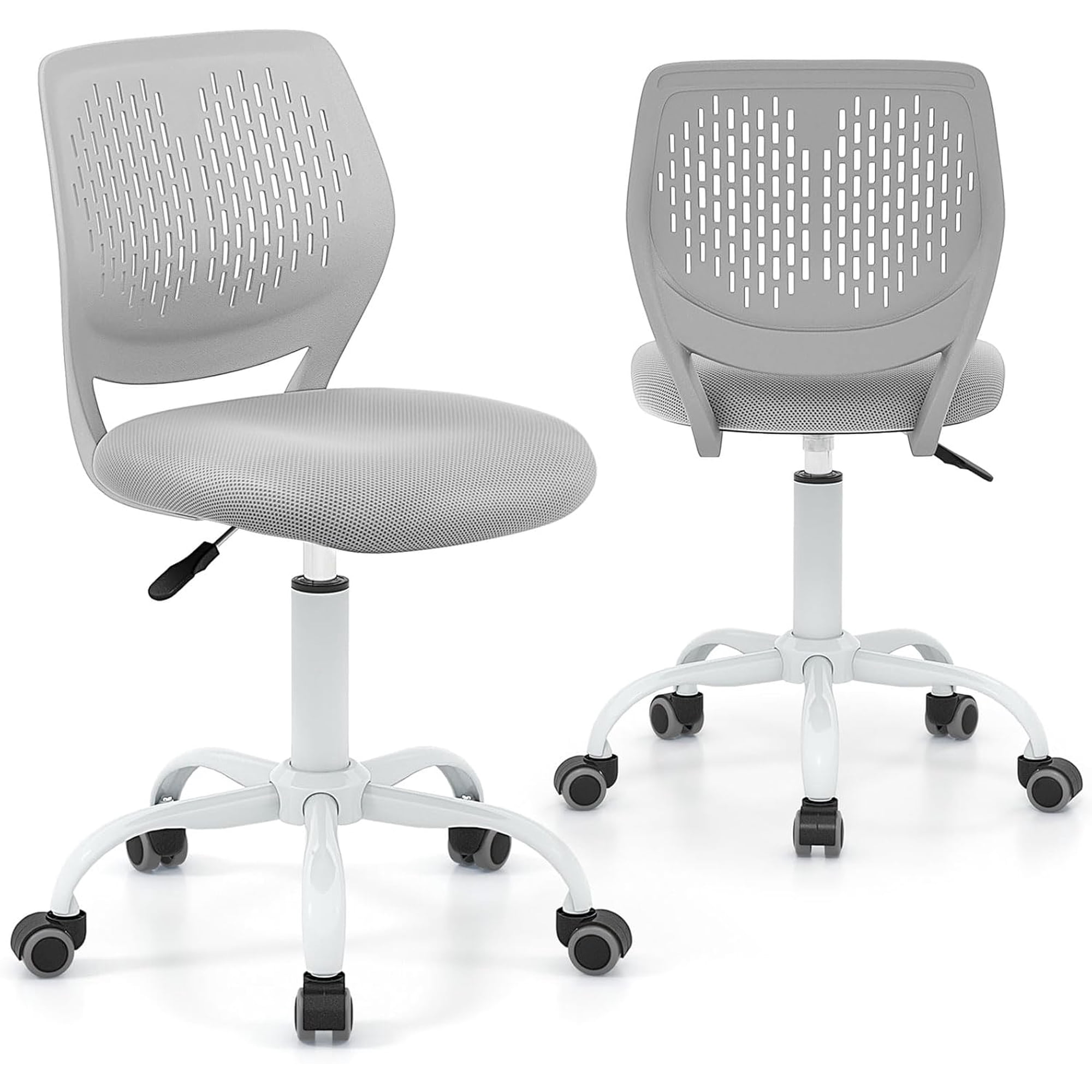
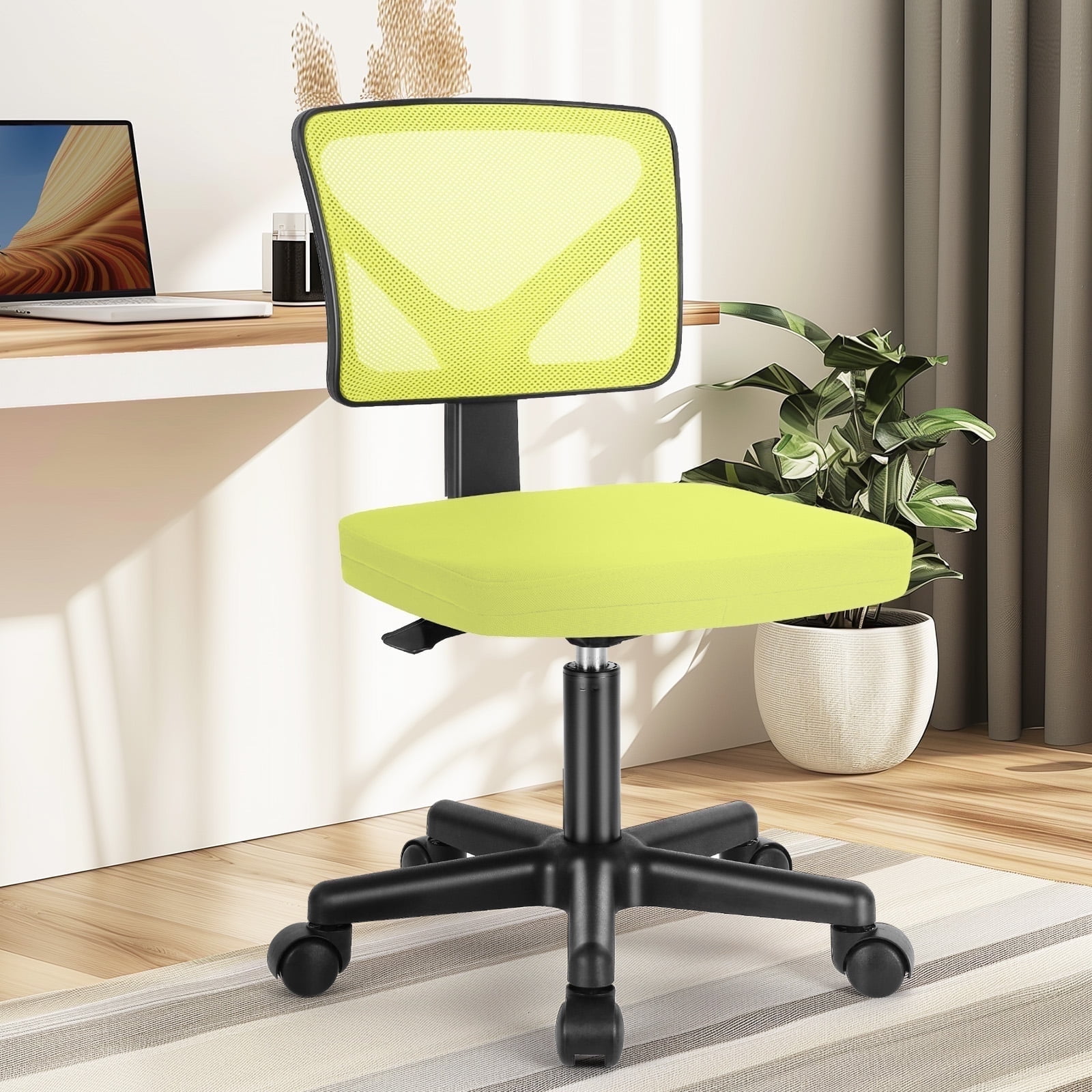
Why Small Space Doesn't Mean Small Comfort
When you're furnishing a compact home office, urban apartment, or a cozy workspace nook, every inch matters. The challenge: finding a comfortable office chair for small space that delivers the ergonomic support of a full-sized executive seat without overwhelming your room. The good news is that modern chair engineering has evolved dramatically, offering smart solutions that blend compact dimensions with premium comfort.
Space-Saving Insight: According to home office design experts, the average home office size in urban areas has decreased by 12% over the past five years, yet the demand for ergonomic seating has grown by 34%. This gap has driven innovation in compact, multi-functional chair designs that prioritize both comfort and footprint efficiency.
Key Features of a Small-Space Friendly Office Chair
Not all chairs labeled "compact" are created equal. Here are the essential characteristics that define a truly space-conscious yet comfortable seating solution:
- Streamlined Base: A narrow five-star base with a smaller diameter (typically 22-24 inches) fits easily under desks and in tight corners.
- Flip-Up or Adjustable Arms: Arms that retract or lift up allow the chair to slide completely under a desk, reclaiming floor space when not in use.
- Slim Backrest Profile: Contoured backs that are no more than 18-20 inches wide provide support without protruding into walkways.
- High-Density Foam: Thinner but high-quality foam padding ensures you don’t sacrifice comfort for a slimmer silhouette.
- Dual-Wheel Casters: Smooth-rolling casters (ideally for hardwood or carpet) enable effortless maneuvering in tight quarters.
Measuring Your Space: The Goldilocks Approach
Finding the perfect comfortable office chair for small space starts with precise measurements. Think of it like fitting a new piece into a puzzle—every dimension matters.
1. Desk Underside
Measure from floor to underside of desk. Standard clearance: 26-29 inches. Add 2" for leg movement.
2. Chair Width
Seat width should not exceed desk width minus 6 inches for side clearance. Aim for 18-22 inches.
3. Depth When Tucked
Measure from front of desk to back wall. Chair depth with arms down or without arms should be ≤ that depth.
4. Turning Radius
If you need full swivel, ensure 24" diameter clear space around chair base.
💡 Pro Tip: For ultra-compact spaces, consider chairs with blade or rollerblade casters—they provide smoother movement and reduce the turning radius, making navigation in tight corners effortless. Also, chairs with a “waterfall” seat edge reduce pressure behind the knees, eliminating the need for extra legroom depth.
Ergonomics Without the Bulk: Smart Design Wins
Many assume that a smaller chair means compromising on ergonomic support. However, leading manufacturers have pioneered compact chairs that incorporate advanced ergonomics within a reduced footprint. Here’s how they do it:
- Integrated lumbar curves: Instead of bulky external pads, the backrest is molded to support the spine’s natural S-shape.
- Dynamic tilt mechanisms: Allow the chair to move with you, reducing the need for oversized mechanisms that add bulk.
- Mesh back panels: Provide breathability and flexible support without the thickness of foam and leather.
- Adjustable seat depth: Even in compact models, a sliding seat pan (4-5 cm range) accommodates different leg lengths.
- Hidden adjustment controls: Levers and knobs are placed under the seat to maintain clean lines and reduce external bulk.
Material Matters: Balancing Aesthetics, Comfort & Space
The materials you choose for a compact office chair directly impact both its visual footprint and functional comfort. Here’s a quick breakdown of popular options:
Mesh
✓ Breathable, keeps you cool
✓ Visually lightweight, less imposing
✓ Easy to clean
○ Can show dust over time
Fabric
✓ Wide color range, soft feel
✓ Good padding options
✓ Can be stain-resistant treated
○ May retain heat in warm rooms
Bonded Leather
✓ Sleek, professional look
✓ Easy to wipe clean
✓ Slim profile possible
○ Requires occasional conditioning
Weight Capacity & Durability in Compact Frames
A common misconception is that smaller chairs are less sturdy. In reality, many compact office chairs are engineered with reinforced steel frames and heavy-duty gas lifts. When evaluating a comfortable office chair for small space, always check the weight capacity—look for a minimum of 250 lbs, with premium models offering up to 350-400 lbs. A Class 4 gas lift is a reliable indicator of durability. Also, examine the base material: a steel base provides better longevity than plastic, especially for daily use.
Durability Fact: According to BIFMA (Business and Institutional Furniture Manufacturers Association) standards, high-quality compact office chairs undergo rigorous testing equivalent to 24/7 usage for 5-10 years. Chairs that meet these standards will have the BIFMA certification label—a reliable shortcut for quality assurance.
Style Meets Function: Making the Most of Your Small Workspace Aesthetic
Your chair is a visual anchor in a small room. A bulky, mismatched chair can make a space feel cramped, while a well-proportioned design enhances the sense of openness. Consider these style strategies:
- Transparent or slim-profile bases: Chairs with a minimalist aluminum base create a floating appearance that visually expands the floor area.
- Light or neutral colors: Soft tones like cream, light gray, or pastels recede visually, making a room feel larger.
- Low-profile back: Chairs with a mid-back or streamlined high-back design (without large headrests) maintain sightlines and don’t overwhelm the space.
- Dual-purpose features: Some compact chairs double as occasional seating with a sleek design that fits both desk work and guest seating.