
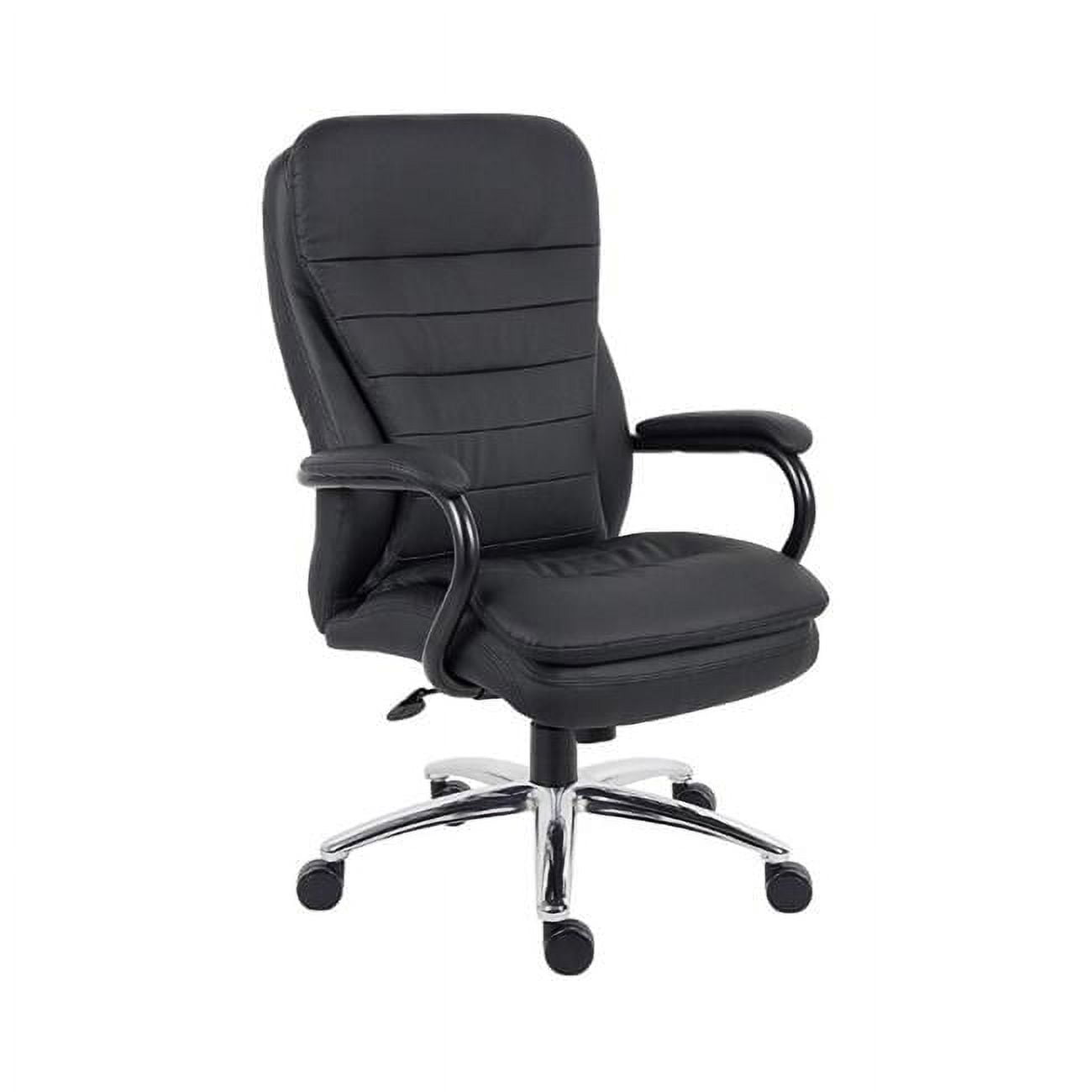
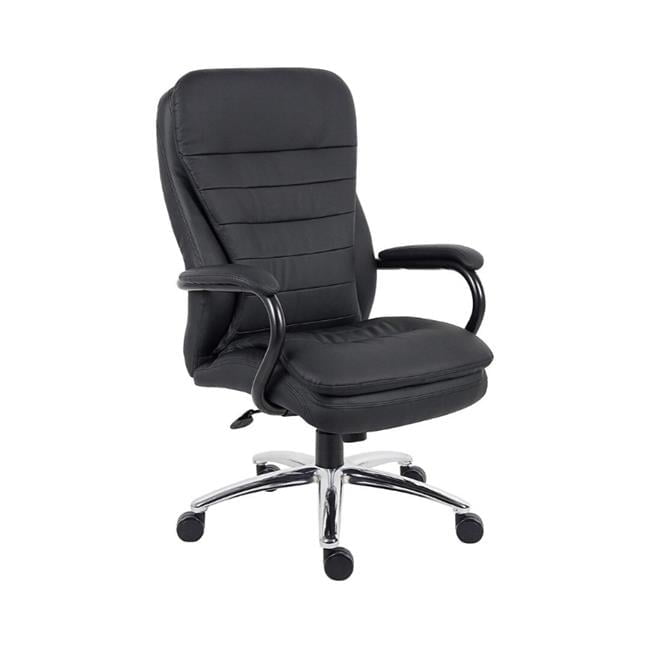
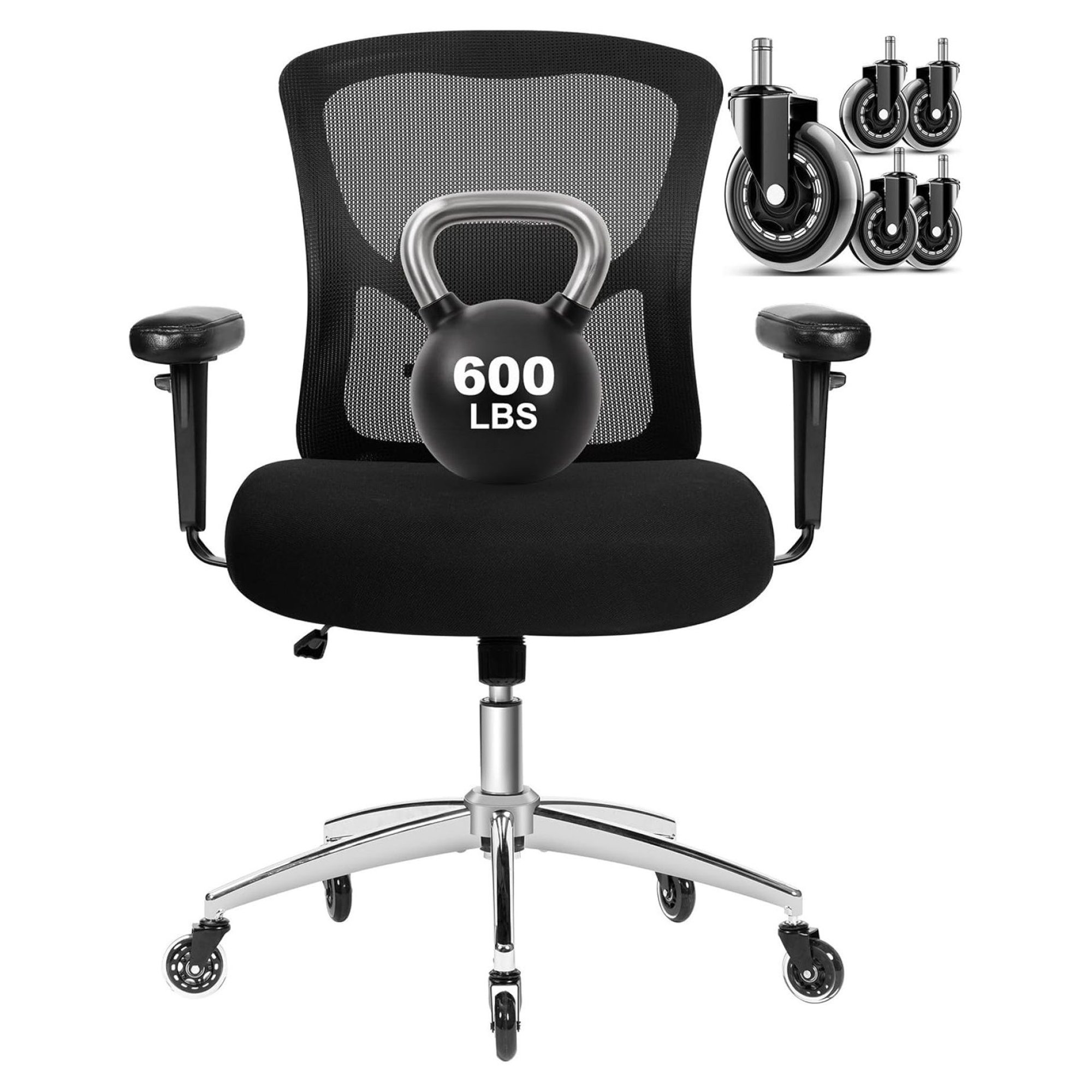
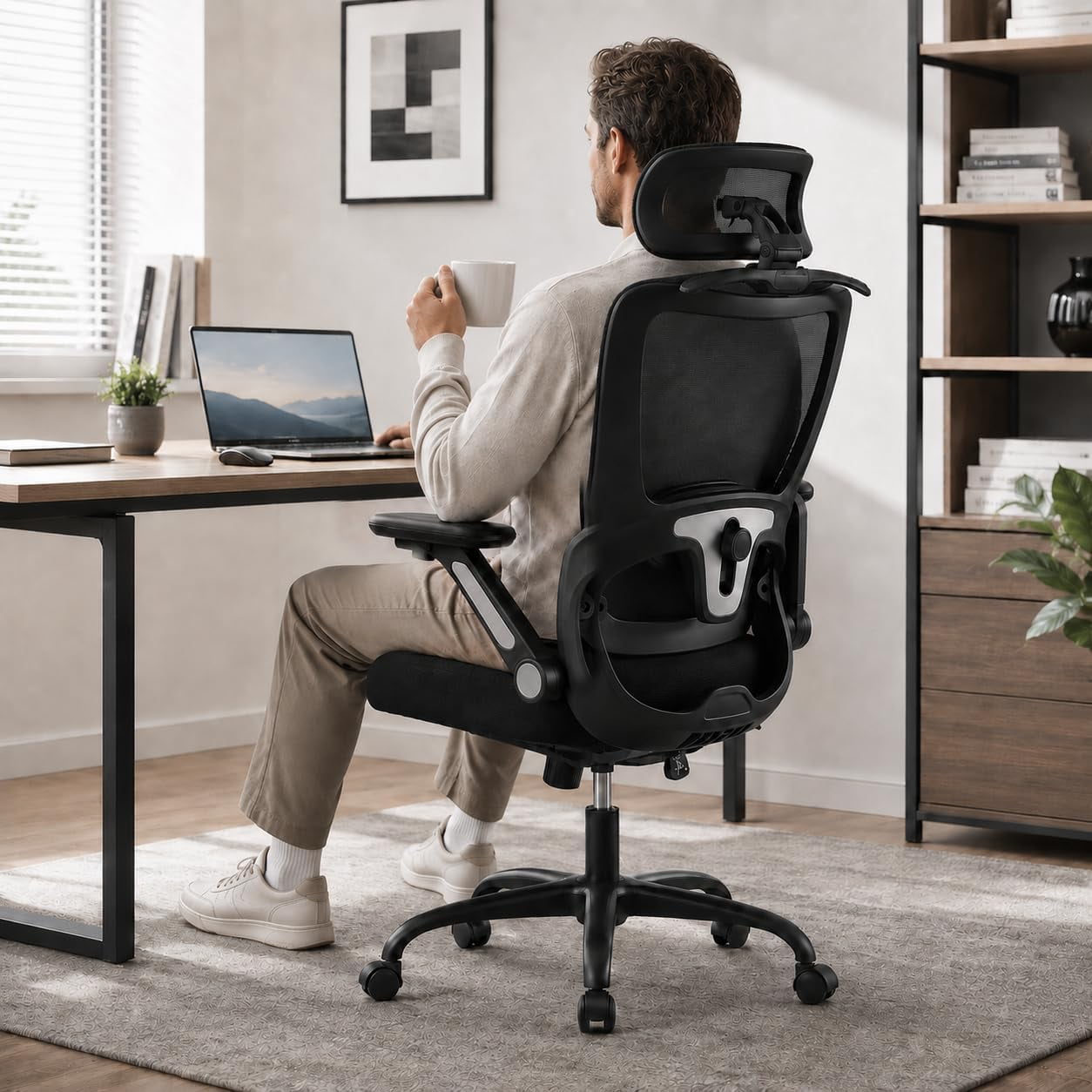
The Foundation of a Productive Workday: Your Heavy-Duty Throne
For professionals with larger frames, the standard office chair often falls short, leading to discomfort, premature wear, and a lack of necessary support. A big man office chair heavy duty is not merely a larger chair; it's a meticulously engineered piece of ergonomic equipment. It's the cornerstone of a healthy and productive work environment, designed to withstand greater stress while providing the tailored support you need to focus on what matters most—your business.
Ergonomic Insight: A study in the *Journal of Occupational and Environmental Medicine* indicated that proper ergonomic intervention, including supportive seating for all body types, can reduce the risk of work-related musculoskeletal disorders by up to 60%. For larger individuals, this starts with a chair that provides a stable, supportive foundation.
Defining the "Heavy Duty" Difference
What transforms a standard chair into a reliable, heavy-duty seat? It's a combination of reinforced components, higher-grade materials, and a design philosophy centered on durability and support. These are the non-negotiable elements that set a heavy-duty chair apart.
Reinforced Steel Frame
The skeleton of the chair. Unlike standard chairs that may use plastic or thin-gauge metal, heavy-duty models utilize a thicker, commercial-grade steel frame to prevent flexing, warping, or structural failure over time. This is the core of its longevity.
Class 4 Gas Lift Cylinder
The gas lift is the component responsible for height adjustment. A standard Class 3 cylinder is common, but a heavy-duty chair uses a Class 4 (or higher) cylinder. This heavy-duty piston can handle significantly more weight and provides a smoother, more reliable adjustment without sinking.
Oversized & Reinforced Base
A 5-point base is standard, but on a heavy-duty chair, it's typically made of solid steel or a thick, reinforced nylon composite. It's designed to be wider to offer a more stable footprint, reducing the risk of tipping and distributing weight evenly.
High-Performance Casters
The wheels are often the first point of failure. Heavy-duty chairs feature larger, dual-wheel casters made from durable materials like polyurethane. These roll smoothly over various flooring types (carpet, hardwood) without cracking or breaking under high static and dynamic loads.
Ergonomics Tailored for Larger Individuals
Ergonomics isn't one-size-fits-all. A truly effective heavy-duty chair accounts for the unique needs of a larger body, offering adjustments and design features that promote proper posture and prevent pain. Here's what to prioritize.
- Expansive Seat Dimensions: Look for a seat width of at least 21 inches and a depth of 19 inches or more. Some chairs offer adjustable seat depth, which is invaluable for finding the perfect fit that allows your back to rest against the backrest while leaving a few inches of space behind your knees.
- High-Back Support with Contoured Lumbar: A tall backrest is crucial for supporting the entire spine, especially the upper back and shoulders. Integrated or adjustable lumbar support helps maintain the natural inward curve of your lower back, a key factor in preventing fatigue and back pain during long hours of sitting.
- Wide-Set, Adjustable Armrests: Armrests that are too narrow can be uncomfortable and force your shoulders into a strained position. Heavy-duty chairs often feature wider, adjustable armrests (height, width, and pivot) that allow you to position them for optimal shoulder and arm support, reducing neck and shoulder tension.
- High-Density, Contoured Foam Cushioning: Standard foam can compress quickly under higher weight. Heavy-duty chairs use high-density, cold-cure foam that retains its shape and supportive properties for years, preventing the "bottoming out" sensation that leads to discomfort.
Material Matters: Leather vs. Mesh for the Big Man
Both leather and mesh are popular choices for heavy-duty chairs, but they offer different benefits. Your choice should align with your climate, aesthetic preference, and desired maintenance level.
Heavy-Duty Mesh Chairs
- Exceptional Breathability: The open-weave design allows constant airflow, preventing heat buildup and keeping you cool and comfortable throughout the day.
- Flexible Support: High-quality mesh contours to the shape of your back, providing firm yet flexible support that moves with you.
- Modern Aesthetic: Mesh chairs often have a sleek, contemporary look that fits well in modern or tech-forward office environments.
- Maintenance: Easy to clean with a simple wipe down or vacuum.
Heavy-Duty Leather/Bonded Leather Chairs
- Classic, Executive Look: Leather chairs project a sense of authority and professionalism, ideal for corner offices or client-facing settings.
- Substantial Feel: The padded, upholstered nature often feels more luxurious and substantial.
- Ease of Cleaning: Spills can be wiped away quickly. However, proper conditioning is needed to prevent cracking over time.
- Durability: Top-grain leather is incredibly durable. Bonded leather is more affordable but may not have the same longevity.
Proactive Maintenance for a Long-Lasting Investment
Investing in a quality heavy-duty chair is a significant decision. Protecting that investment with simple, regular maintenance will ensure it provides reliable support for a decade or more. Consider these tips to extend the life of your chair.
- Regular Cleaning: Dust and vacuum your chair weekly to prevent debris from settling into mechanisms and fabric. For leather, use a specialized cleaner and conditioner every 6-12 months to keep the material supple.
- Tighten Bolts and Screws: Over time, the screws and bolts can loosen from regular use. Every few months, give your chair a once-over with the appropriate tools to tighten everything, especially on the base, armrests, and backrest.
- Check Casters for Debris: Hair, carpet fibers, and dust can get tangled in the casters, hindering movement. Periodically flip the chair over and clean out any debris from the wheels.
- Avoid Overloading: Be mindful of the chair's weight capacity and intended use. Avoid using it as a step stool or subjecting it to sudden, excessive loads, which can stress the gas lift and frame.
- Use on Appropriate Flooring: Ensure the casters are designed for your floor type (hardwood, carpet). Using the wrong casters can cause damage to your floor and add unnecessary strain to the chair's base.