
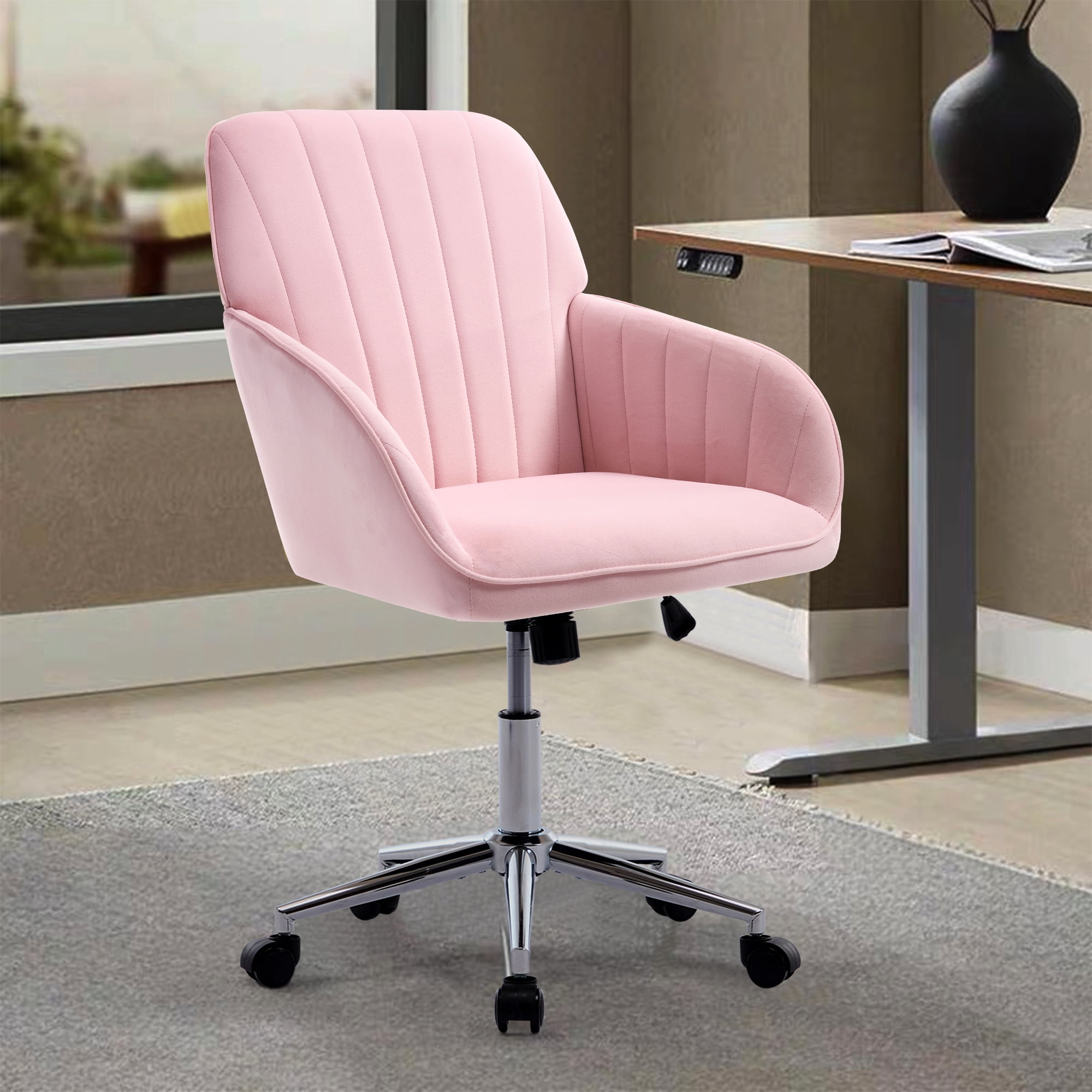
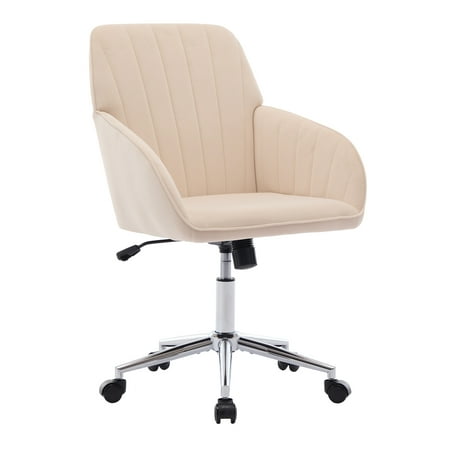
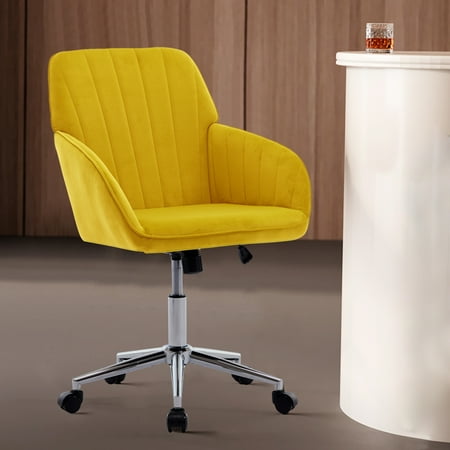
Why Invest in a Sturdy Comfortable Office Chair?
Imagine your office chair as the foundation of your workspace—much like the chassis of a luxury vehicle. A sturdy comfortable office chair isn't just a place to sit; it's an investment in your daily well-being, productivity, and long-term physical health. For professionals who spend extended hours at their desks, the combination of robust construction and ergonomic support is non-negotiable.
Ergonomic Research Insight: Studies indicate that using a supportive, well-constructed chair can reduce pressure on the spine by up to 35% compared to standard task chairs. For individuals working over 40 hours per week, a sturdy base prevents the subtle but damaging instability that leads to muscular fatigue and poor posture over time.
Key Components of a Truly Sturdy and Comfortable Chair
Not all chairs marketed as "heavy-duty" deliver true stability and comfort. Here are the critical elements that define a chair built to perform:
- Reinforced Steel Frame: Unlike plastic bases that can crack under pressure, a steel or aluminum alloy frame provides structural integrity that lasts for over a decade.
- High-Density Molded Foam: Premium chairs use cold-cured foam that maintains its shape and resilience, preventing the "bottoming out" sensation common in cheaper seats after just a few months.
- Class 4 Gas Lift Cylinder: This is the heart of chair adjustability. A Class 4 cylinder is tested for thousands of cycles and can handle higher weight capacities while maintaining smooth height adjustments.
- Wide, Stable Base with Quality Casters: A five-point base made of polished aluminum or reinforced nylon, paired with dual-wheel casters, ensures stability even when leaning or moving.
- Advanced Ergonomic Adjustments: Look for independent lumbar support, seat depth adjustment, and multi-dimensional armrests that allow you to tailor the chair to your body's unique dimensions.
Understanding Weight Ratings and Construction Quality
One of the most reliable indicators of a chair's sturdiness is its published weight capacity. This rating isn't arbitrary—it reflects the cumulative strength of the base, gas lift, and frame. A chair with a 300-400 lb capacity signals a robust build, even for users who weigh less. It means every component, from the casters to the tilt mechanism, is engineered for durability.
Comparing Sturdy Chair Materials for Comfort and Longevity
Premium Leather
Offers a professional aesthetic and is incredibly durable when maintained. High-quality top-grain leather conforms to your body over time. It's naturally resistant to spills and easy to clean, making it ideal for executive settings.
Reinforced Mesh
Combines breathability with structural support. The best mesh chairs use a dual-layer design with a rigid perimeter to prevent sagging. Perfect for warmer environments and users who prefer a cooler seating surface.
High-Performance Fabric
Modern contract-grade fabrics offer stain resistance and exceptional durability. These textiles are often tested for millions of double rubs (a measure of abrasion resistance), ensuring they withstand daily use without showing wear.
Polymer Composites
Used in premium ergonomic chairs, these materials are lightweight yet incredibly strong. They resist corrosion and are often used in conjunction with metal frames to reduce overall weight without sacrificing stability.
Ergonomic Benefits: More Than Just Comfort
A chair that wobbles or lacks proper support can lead to a cascade of physical issues. When your chair provides a stable foundation, your body can relax into a neutral posture. This stability allows your back muscles to work less to maintain balance, reducing fatigue. Key ergonomic features that work in tandem with sturdiness include:
- Dynamic Lumbar Support: Adjustable mechanisms that move with you, providing consistent lower back contact.
- Waterfall Seat Edge: A gently sloping front edge reduces pressure behind the knees, promoting better circulation.
- Synchronized Tilt: This mechanism allows the seat and backrest to move together at a ratio that maintains ergonomic alignment while reclining.
Who Benefits Most from a Sturdy Comfortable Chair?
While everyone can benefit from better seating, certain users have specific needs that a standard chair cannot meet:
- Full-time remote workers: Those who spend 8+ hours daily at a home desk require a chair that provides consistent support without breaking down.
- Larger body types: Individuals requiring higher weight capacities need chairs with reinforced components that don't compromise on comfort.
- Shared workspaces: Chairs that see multiple users throughout the day need to be resilient and adjustable to accommodate different body shapes.
- Corporate environments: For businesses, investing in durable chairs reduces long-term replacement costs and maintains a professional appearance.
Long-Term Value: Calculating the Cost Per Use
When considering the price of a quality sturdy chair, it's helpful to look at it through the lens of cost per use. If a $800 chair lasts 10 years, that's less than $0.22 per day. Compare that to a $250 chair that may need replacement in 2 years, costing roughly $0.34 per day—and that doesn't account for the potential health costs or lost productivity from discomfort. Investing in a chair with a strong build and comfortable ergonomics is one of the smartest workplace decisions you can make.