
Why a Standard Office Chair Isn't Enough
For a large person, sitting in a standard office chair can feel like trying to fit into a suit that's two sizes too small. The seat width is often too narrow, the armrests are positioned for a smaller frame, and the chair's construction simply isn't designed to handle higher weight capacities. This mismatch leads to a cascade of problems. You might find yourself shifting constantly to find a comfortable position, which distracts from your work. More seriously, you could be developing pressure points on your hips and thighs, or your spine might be forced into an unnatural, unsupported curve.
The Ergonomic Reality: Research indicates that individuals who use properly fitted office chairs experience up to a 45% reduction in discomfort-related distractions. For large and tall individuals, a chair that fits is not a luxury—it's a fundamental requirement for musculoskeletal health and sustained productivity.
Defining the Perfect Fit: Key Dimensions for Comfort
A comfortable office chair for a large person is defined by specific measurements and construction features that go beyond a standard chair. When you're shopping, treat this like you're getting a custom-fit suit. Pay attention to these critical specifications:
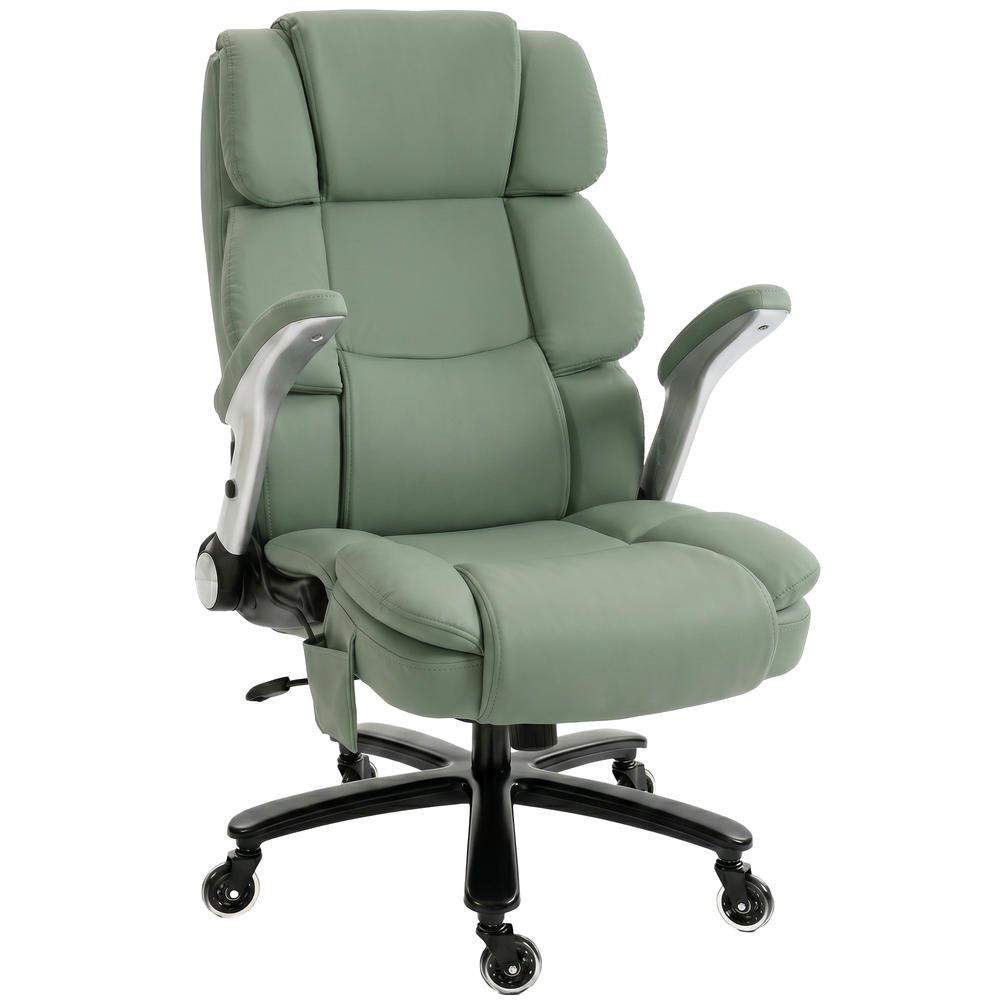
- Seat Width (The Foundation): Look for a seat that is at least 21 inches wide. This provides ample room for your hips and thighs without feeling cramped. A contoured seat edge can also help relieve pressure behind the knees.
- Weight Capacity (The Safety Net): This is non-negotiable. Seek chairs rated for a minimum of 350 lbs, though 400 lbs or more is ideal. This rating isn't just about the seat holding up; it ensures the gas lift, base, and casters are all reinforced for safety and longevity.
- Seat Depth (The Posture Correcter): A seat that is too short won't support your thighs, while one that's too long will cut off circulation. Adjustable seat depth (allowing you to slide the seat pan forward or back) is a premium feature that allows you to have 2-3 fingers' width of space between the back of your knees and the seat edge.
- Reinforced Base and Casters (The Stability Factor): A standard plastic base can crack under heavy use. Look for a chair with a heavy-duty metal (often steel or aluminum) 5-star base and larger, more durable casters. These are built to withstand higher weight and frequent movement without failing.
Ergonomics Beyond Size: Features That Make a Difference
Size is the starting point, but true comfort comes from ergonomics. A good chair for a large person must adapt to their body, not the other way around. Here are the features that turn a big chair into a truly comfortable one.
Ergonomics Tip: Imagine your chair as a suspension system for your spine. Just as a heavy-duty truck needs a robust suspension to handle a heavy load, your body needs a chair with adjustable tension and support systems to maintain proper alignment throughout the day.
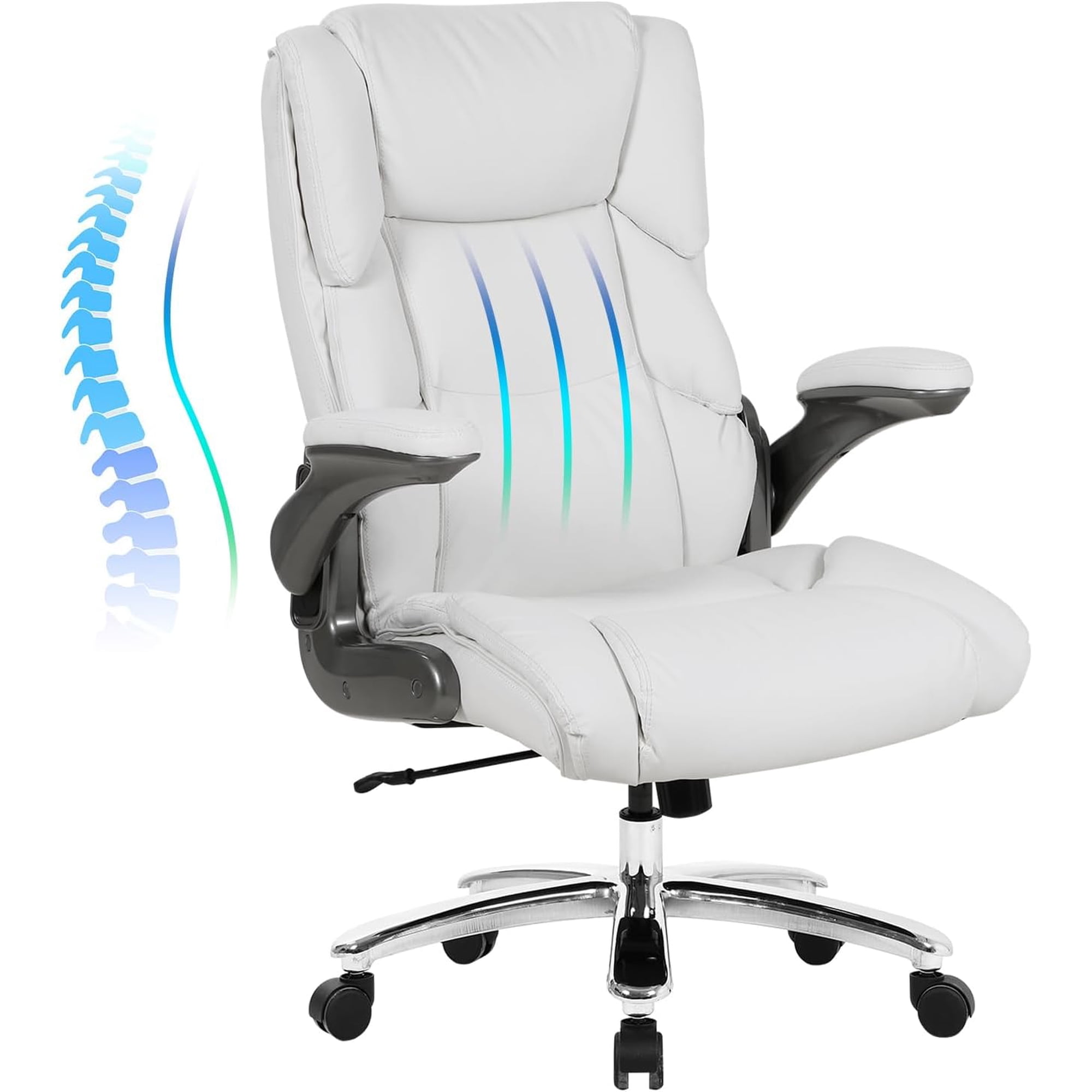
- Adjustable Lumbar Support: A static lumbar bump is rarely in the right spot. The best chairs offer adjustable lumbar support that you can move up/down and in/out to fit the natural curve of your lower back perfectly.
- High-Quality Gas Lift Cylinder: The cylinder is the "engine" of your chair's height adjustment. A standard Class 3 cylinder might struggle with heavier weights. Look for a chair that explicitly uses a Class 4 gas lift, which is engineered for higher weight capacities and provides smoother, safer height adjustments.
- 4D Armrests: Armrests that can adjust up/down, left/right, pivot, and slide forward/back are a game-changer. They allow you to create a custom support system for your elbows and shoulders, reducing neck and upper back strain, regardless of your body width.
- High-Density Foam: Don't be fooled by a soft, plush seat. That foam will often compress and bottom out within months. High-density foam is firmer but retains its supportive structure for years, providing consistent, long-lasting comfort.
Material Matters: Choosing the Right Upholstery for Longevity and Comfort
The material covering your chair isn't just about aesthetics; it significantly impacts your comfort, especially if you spend long hours seated. For larger individuals, durability is a primary concern. Here's a quick comparison to help you decide.
| Material | Durability & Support | Comfort & Climate | Best For... |
|---|---|---|---|
| High-Quality Breathable Mesh | Excellent. Highly durable and resists sagging. Often supported by a strong frame. | Superb breathability. Keeps you cool, ideal for warm climates or long workdays. | Individuals who tend to get warm and those who prefer a firm, consistent support. |
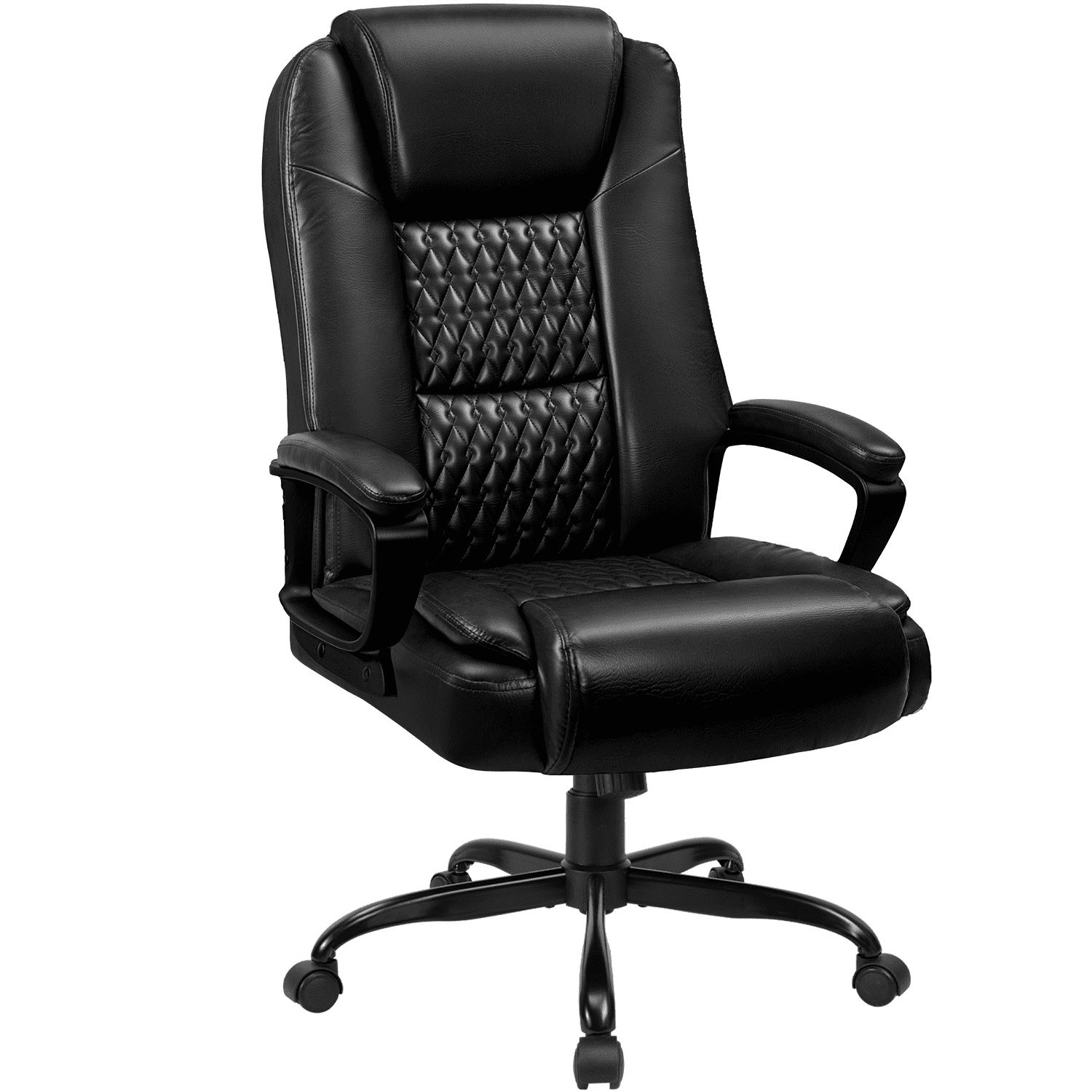
| Heavy-Duty PU / Bonded Leather | Good. Look for "heavy-duty" or "commercial grade" leather. Easier to clean. | Moderate. Can be warm. Offers a plush, traditional executive feel. | A professional, classic look. Best for climate-controlled offices. |
| High-Density Fabric | Very Good. Durable woven fabrics can be incredibly strong and resist wear. | Good. Generally more breathable than leather but less so than mesh. | A versatile option that balances comfort, durability, and a wide range of styles and colors. |