
Why a Dedicated Big and Tall Office Desk Chair Matters
Standard office chairs often fall short when it comes to supporting larger body types. A big and tall office desk chair is not merely a scaled-up version; it's an engineered solution that addresses key areas: weight distribution, seat width, back height, and structural integrity. For individuals over 6'2" or weighing more than 250 pounds, choosing a chair built for these specifications is essential to prevent discomfort, poor posture, and premature wear.
Ergonomic Insight: Studies show that individuals using chairs not rated for their body type experience 68% more lower back fatigue and are 3x more likely to replace their chair within two years. A purpose-built big and tall chair reduces pressure points and maintains spinal alignment throughout the workday.
Key Engineering Differences in Big and Tall Chairs
Unlike conventional seating, big and tall office desk chairs incorporate several critical enhancements:
- Reinforced Steel Frame: High-gauge steel frames prevent flexing and ensure long-term durability under heavier loads.
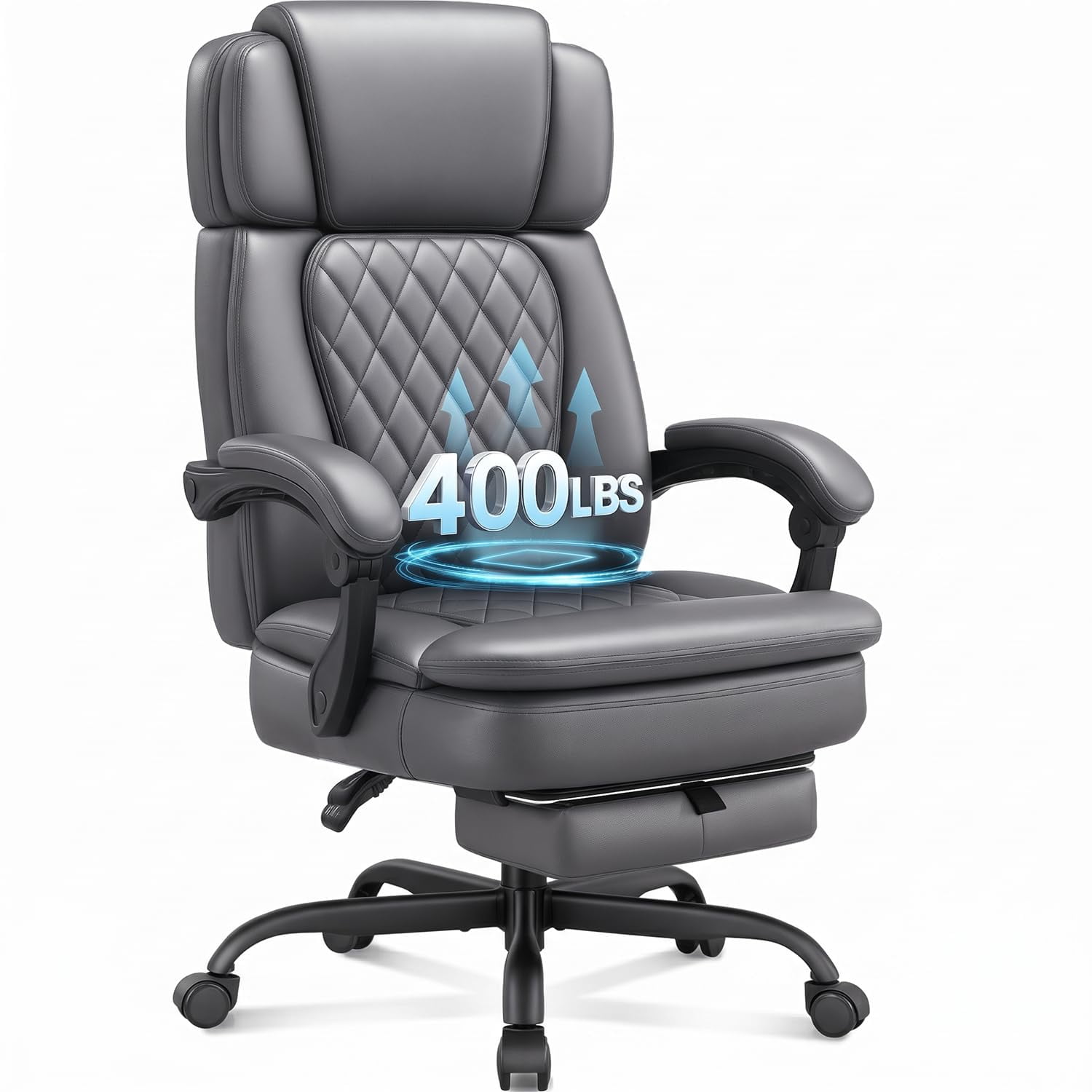
- Class 4 Gas Lift Cylinder: Rated for up to 400+ lbs, providing smooth height adjustment without sinking or failure.
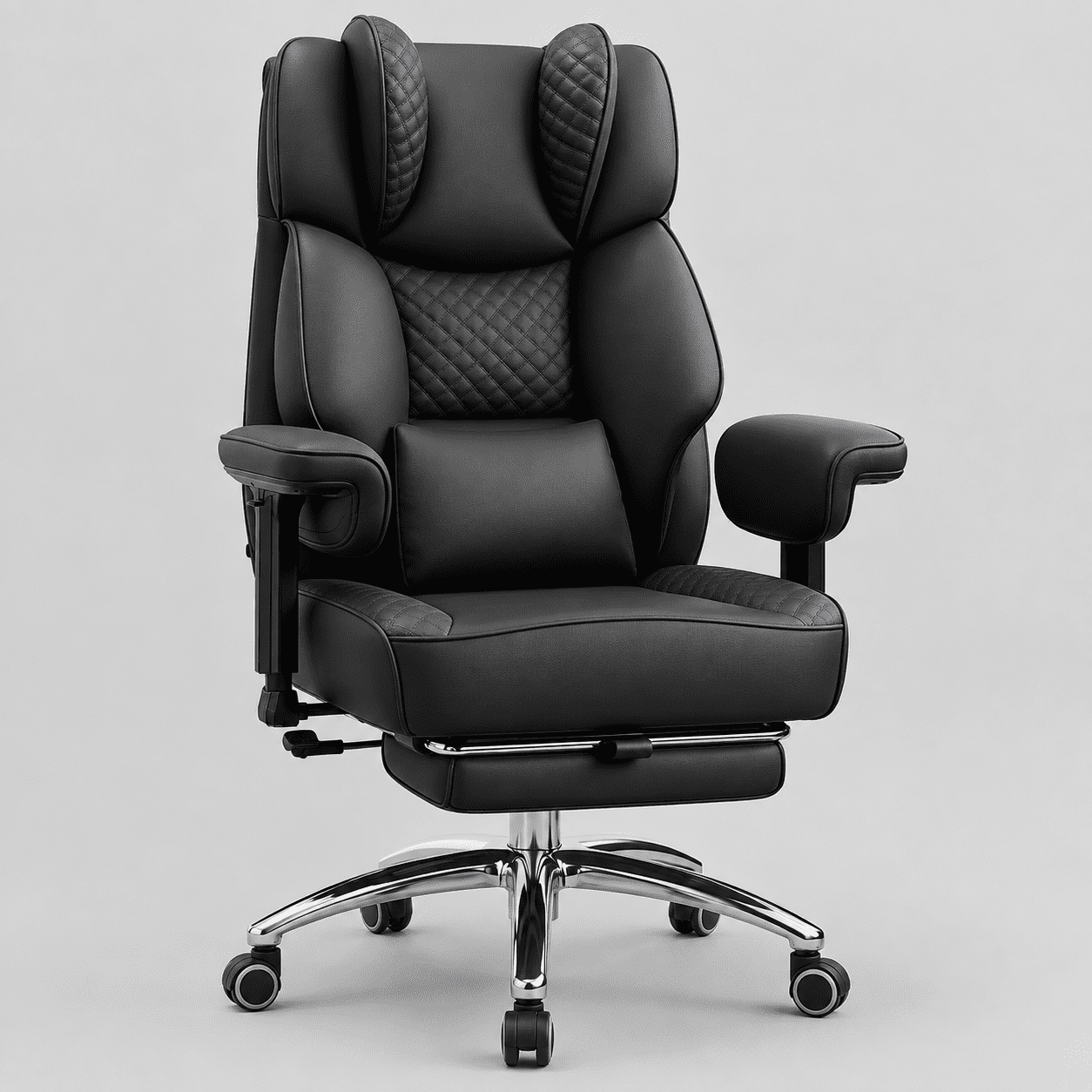
- Extra-Wide Seat Pan (22”-28”): Offers ample space for hip comfort and allows freedom of movement.
- High-Back Support with Adjustable Lumbar: Supports taller torsos and promotes natural S-curve posture.
- Heavy-Duty Casters and Base: 5-point steel base with oversized dual-wheel casters for stability and easy rolling on carpet or hardwood.
Choosing the Right Big and Tall Chair: A Practical Framework
Selecting the ideal chair requires evaluating your personal metrics and workspace. Use this structured approach to make an informed decision:
Step 1: Measure Your Dimensions and Workspace
- Seat Width: Measure the widest part of your hips; add 1-2 inches for comfort. Aim for a seat width 2-4 inches wider than your measurement.
- Back Height: For users over 6’0”, look for back heights above 32 inches to support the entire spine and shoulders.
- Desk Clearance: Ensure the chair’s armrests (when lowered) fit under your desk. Typical big and tall armrest height ranges from 26-31 inches from floor.
Step 2: Prioritize Core Durability Components
Opt for all-steel or heavy-gauge aluminum frames. Avoid plastic bases which can crack under stress.
Class 4 or Class 5 gas lift (400-500 lb capacity) is non-negotiable for safety and longevity.
High-density molded foam (4-6 lb density) retains shape better than low-density foam, preventing bottoming out.
Step 3: Match Ergonomics to Your Work Style
Focus on chairs with waterfall seat edges, multi-dimensional lumbar, and adjustable tilt tension to reduce pressure.
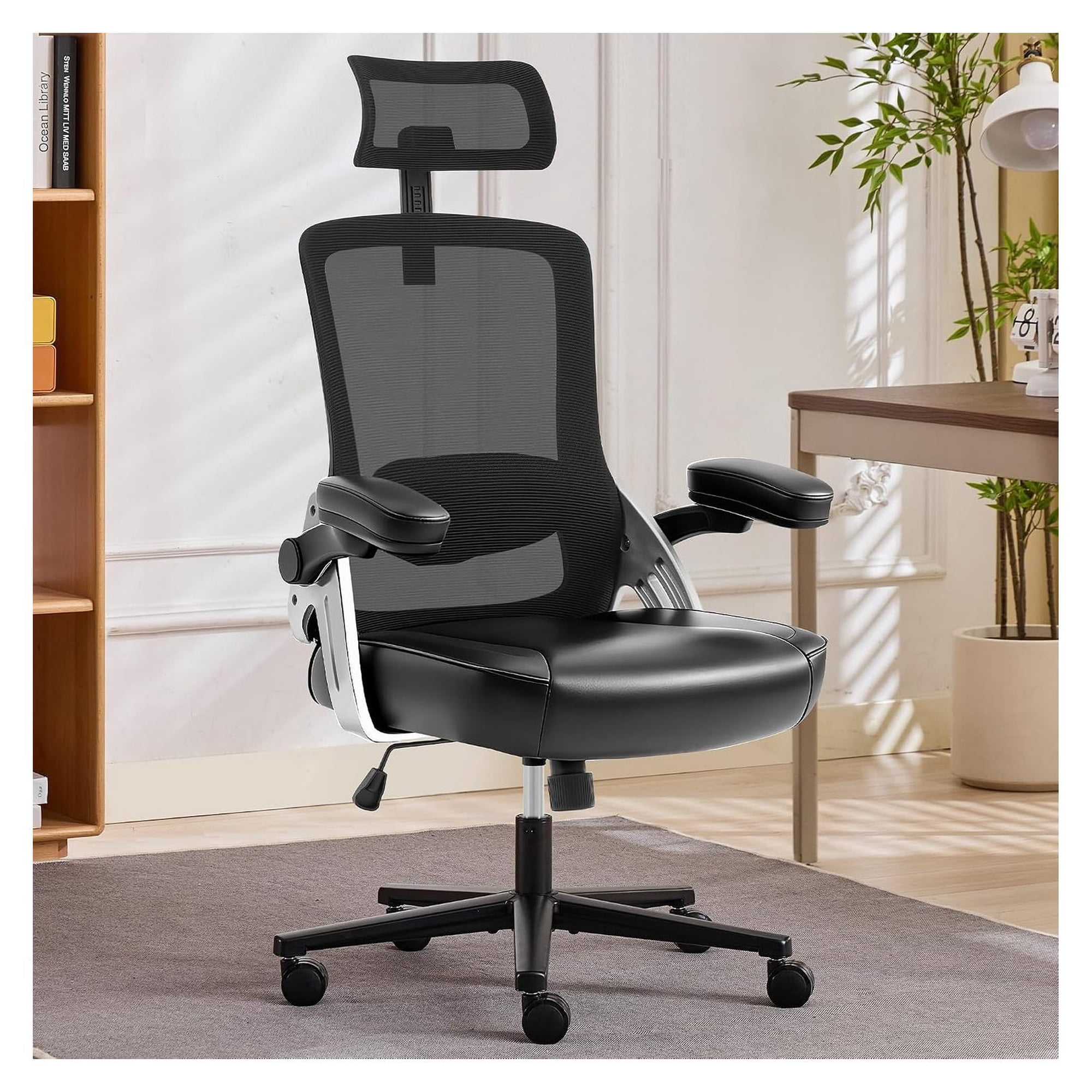
Choose chairs with breathable mesh backs and 4D armrests for adaptability across different body types.
Leather or bonded leather upholstery with padded armrests and chrome accents convey professionalism while offering robust construction.
Material Breakdown: What Works Best for Heavy-Duty Chairs
High-Density Fabric / Mesh
- Breathable and temperature-regulating
- Often more flexible for varied body shapes
- Lower maintenance compared to leather
- Ideal for warm climates or high-activity users
Premium Leather / Faux Leather
- Easy to wipe clean, durable surface
- Classic executive aesthetic
- Conforms to body over time for custom comfort
- May require conditioning to prevent cracking
When selecting materials, consider your office environment. Leather exudes professionalism but can retain heat; mesh offers superior airflow. Many modern big and tall chairs combine mesh backs with fabric or leather seats to balance ventilation and luxury.
Health and Posture Benefits for Larger Users
Spinal Alignment
Extended backrests and adjustable lumbar reduce slouching, minimizing chronic back pain.
Hip and Thigh Comfort
Wider seat pans prevent pinching and improve circulation, reducing numbness.
Enhanced Mobility
Reinforced casters and stable bases allow smooth movement, reducing strain when transitioning positions.
Long-Term Durability
Robust construction eliminates wobbling and premature sagging, ensuring consistent support year after year.