
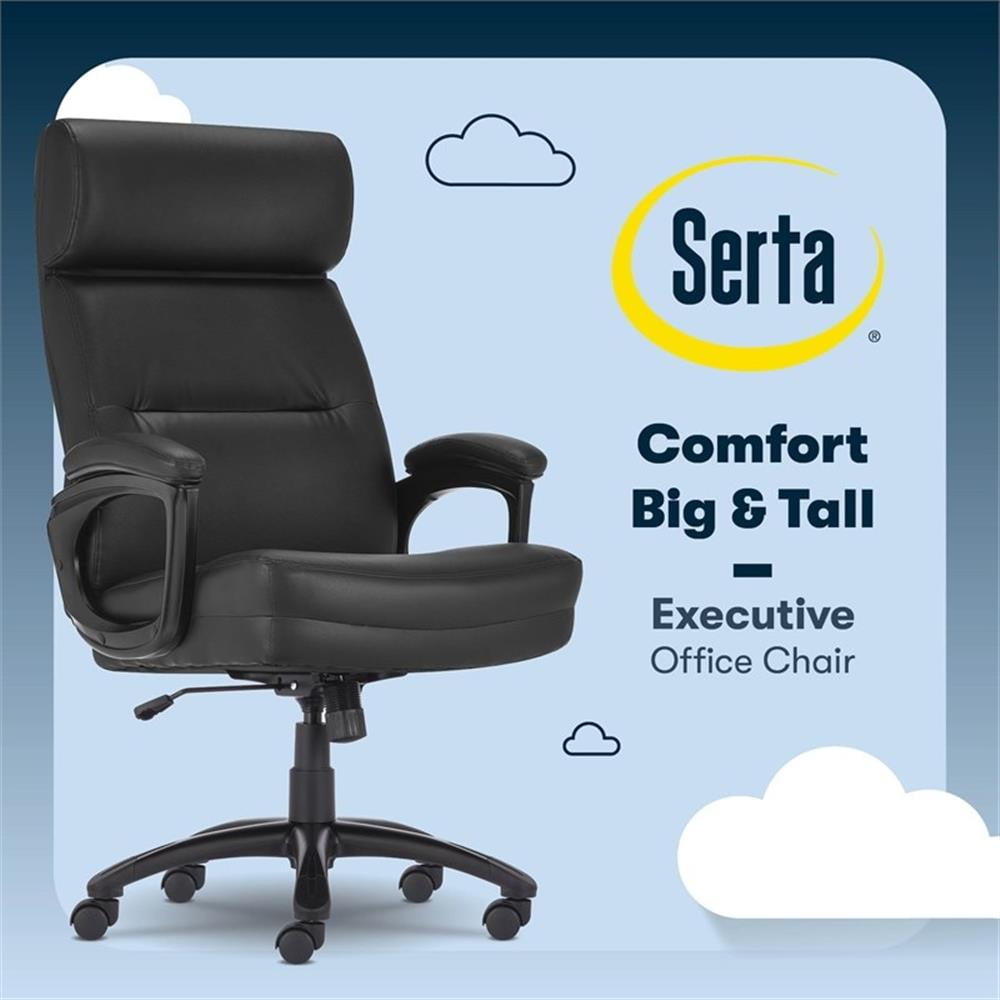
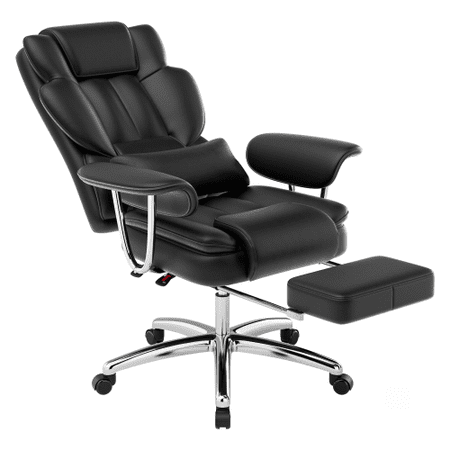
Beyond the Standard: The Importance of a True Big and Tall Executive Chair
For professionals who require more than a standard office chair, the search for the perfect seat can be challenging. A standard executive chair, while comfortable for many, often falls short for those who are taller, broader, or have higher weight requirements. This is where the ergonomic big and tall executive office chair becomes not just a luxury, but a necessity. It represents a shift from simply having a place to sit to investing in a tool that actively supports your health, productivity, and professional presence.
Industry Insight: Ergonomic studies show that individuals using a properly fitted chair experience 40% less lower back strain and report a 52% increase in comfort during the workday. For the big and tall demographic, a standard chair can force unnatural postures, leading to chronic pain and fatigue that a properly sized chair can completely mitigate.
Key Features of a Premium Big and Tall Executive Chair
These chairs are not simply "wider" versions of standard models. They are engineered from the ground up with specific features to handle increased stress and provide optimal ergonomic support:
- Reinforced Steel Frame: The skeleton of the chair is built with heavy-gauge steel to handle higher weight capacities without flexing or failing over time.
- High Weight Capacity: A defining feature, quality models support from 350 lbs up to 700 lbs, ensuring safety, stability, and peace of mind.
- Wide, Deep Seat: A seat that is both wider (typically 21-24 inches) and deeper (20-22 inches) provides ample room and thigh support, preventing pressure points and promoting healthy circulation.
- Extended Height Range: Taller cylinders allow the seat to reach heights that enable a 6-foot-plus user to sit with their feet flat on the floor and knees at a 90-degree angle.
- High Backrest with Advanced Lumbar: A tall backrest (over 30 inches) supports the entire spine, including the shoulders and neck. Integrated or adjustable lumbar support is crucial for maintaining the natural 'S' curve of the spine.
- Heavy-Duty Base and Casters: A larger, often 5-star aluminum base provides a stable foundation, paired with oversized casters designed to roll smoothly on various floor types under significant weight.
Understanding the Ergonomic Needs of Taller, Larger-Framed Individuals
Ergonomics isn't a one-size-fits-all solution. For those who are big and tall, the physical demands on the body while seated are amplified. A standard chair can lead to a cascade of issues:
- Inadequate Thigh Support: A seat that is too short leaves the thighs unsupported, pulling the pelvis into a posterior tilt and flattening the natural curve of the lower back, leading to slouching and pain.
- Too-Narrow Armrests: When armrests are too close together, it forces a person to round their shoulders forward, creating tension in the neck, shoulders, and upper back.
- Insufficient Back Height: A short backrest leaves the upper back, shoulders, and neck unsupported, leading to fatigue and a "head-forward" posture that strains the cervical spine.
- Premature Wear and Tear: Standard chairs are often not rated for the constant stress of a heavier user, leading to pneumatic cylinder failure, broken casters, and a short lifespan.
A properly designed ergonomic big and tall executive office chair addresses each of these points, creating a supportive environment that promotes natural alignment and allows for movement throughout the day.
Choosing the Right Chair: A Step-by-Step Guide for Big and Tall Executives
Selecting the correct chair involves more than just looking at the price tag. Follow this guide to ensure you make a wise investment:
Step 1: Determine Your Core Measurements
- Weight: Your current weight. Always choose a chair with a weight capacity that exceeds this number by a comfortable margin (e.g., if you weigh 280 lbs, look for a chair rated for 350-400 lbs).
- Height: Your total height. A standard cylinder may not be sufficient if you are over 6'1". Look for chairs with an "extra-tall" or "high-lift" cylinder.
- Seat Width: Measure the width of your hips at the widest point. You'll want a seat that is at least 1-2 inches wider on each side for comfort.
- Seat Depth: While seated, measure from the back of your knee to the back of your buttock. You need a seat depth that allows 2-3 inches of space between the back of your knee and the seat edge.
Step 2: Prioritize Non-Negotiable Ergonomic Adjustments
Adjustability Matrix for Big and Tall Users
Look for an extra-long pneumatic lift that raises the seat to 22-24 inches from the floor. This is crucial for knee and hip alignment.
This feature allows you to slide the seat pan forward or backward, ensuring proper thigh support without pressing against the back of your knees.
4D armrests are ideal, but at minimum, look for armrests that adjust both in height and width to accommodate a broader shoulder span and allow relaxed shoulders.
Adjustable lumbar support (both depth and height) is essential for targeting the natural curve of your lower back, especially if you have a longer torso.
Step 3: Evaluate Build Quality and Materials
This is where your investment truly pays off. Look beyond aesthetics to the underlying construction:
- Frame: The frame should be constructed from heavy-gauge steel, not plastic or thinner alloys.
- Base: A 5-star aluminum base is the gold standard for its strength and stability compared to nylon.
- Mechanism: The tilt mechanism should feel robust and smooth. Look for a "knee-tilt" or "synchro-tilt" mechanism that allows the chair to recline in a way that keeps your feet on the floor.
- Upholstery: High-density, cold-cured foam is superior for durability and maintaining its shape. For upholstery, top-grain leather offers the best longevity, while high-performance mesh provides excellent breathability and support.
Step 4: Consider Your Work Style and Environment
- For Long Hours of Focused Work: Prioritize maximum adjustability, especially in lumbar support and seat depth. A high-back design with an optional headrest is beneficial for moments of relaxation.
- For a High-Tech, Modern Office: A high-quality mesh chair with an aluminum frame offers a sleek, contemporary look with superior breathability.
- For a Traditional Executive Office: A premium leather chair with a high back, plush cushioning, and polished metal accents conveys authority and provides classic comfort.
Health and Productivity Benefits of a Correctly Sized Chair
The investment in a proper ergonomic big and tall executive chair yields significant returns in health and work performance. These benefits are not just anecdotal; they are supported by ergonomic science:
Reduced Musculoskeletal Pain
Proper spinal alignment and pressure distribution can significantly decrease or eliminate chronic back, neck, and shoulder pain, which are common complaints among those using incorrectly sized seating.
Enhanced Circulation & Energy
A wide, contoured seat and properly adjusted height prevent constriction of blood flow in the thighs, reducing numbness and fatigue, leading to higher sustained energy levels.
Improved Focus & Productivity
When you're not constantly shifting to find a comfortable position or dealing with pain, your cognitive resources are freed up to focus on complex tasks, leading to greater efficiency.
Long-Term Investment & Value
A high-quality, heavy-duty chair will outlast 3-4 standard chairs, reducing replacement costs over a decade. The health savings from avoided doctor visits and lost workdays add further to the value.