
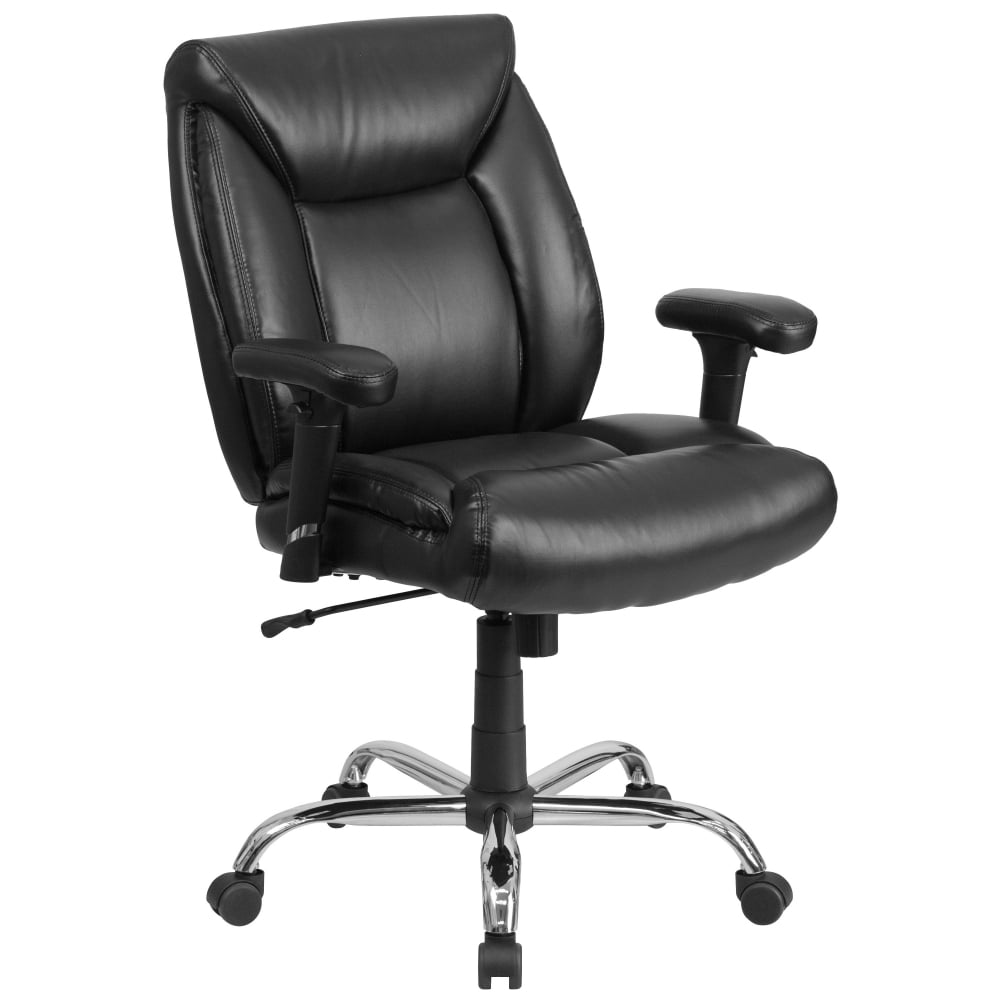
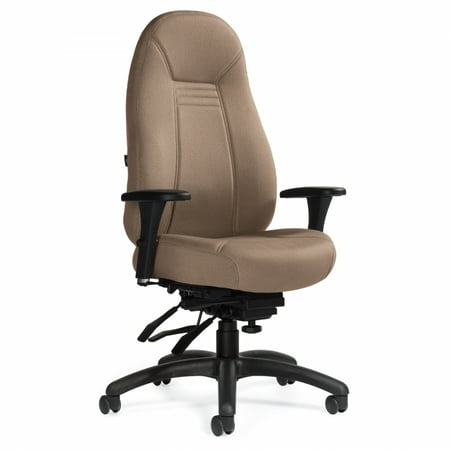
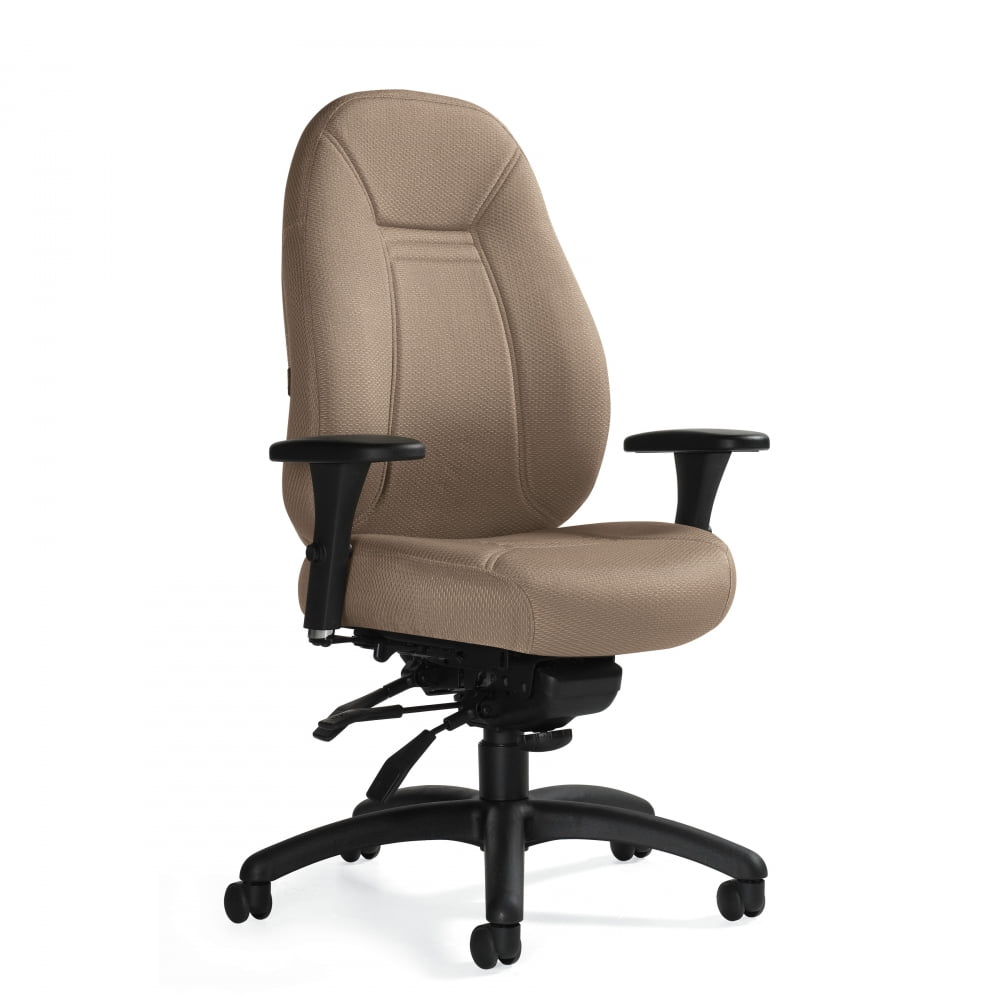
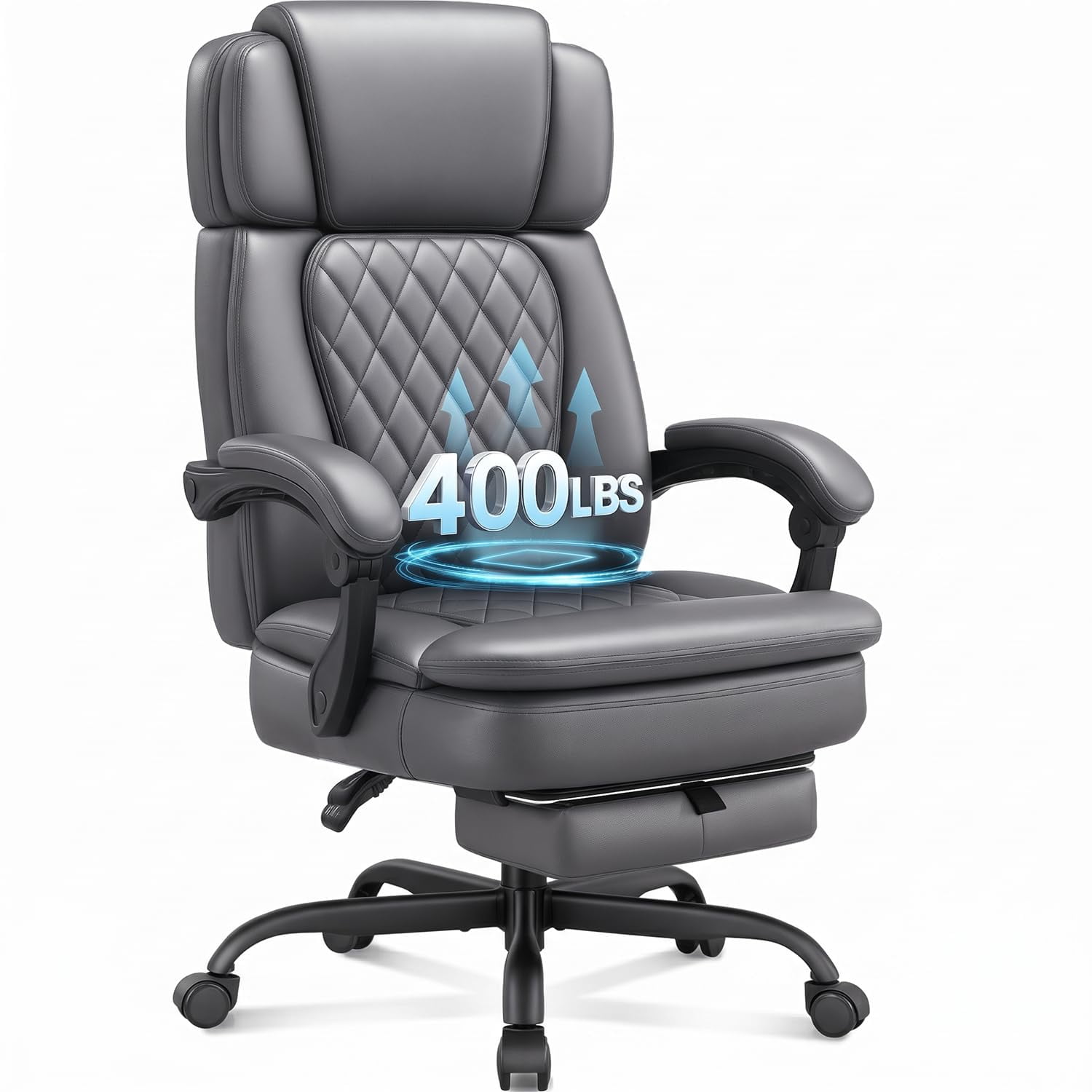
Why Standard Office Chairs Fall Short for Big & Tall Men
If you're a larger man, you've likely experienced the frustration of a standard office chair. Narrow seats dig into your thighs, armrests feel cramped, and the backrest stops somewhere around your mid-back, offering zero neck support. More concerning, most average chairs have weight limits of 250–275 lbs, leading to premature wear, sinking gas lifts, and even safety hazards. Big and tall mens office chairs are purpose-built to solve these exact problems, combining commercial-grade durability with tailored ergonomics.
Industry Stat: According to the Centers for Disease Control and Prevention (CDC), nearly 40% of men in the U.S. are considered overweight or obese. Yet, over 70% of office chairs on the market are not rated to support users above 275 lbs, creating a significant gap in workplace safety and comfort. A properly rated big and tall chair reduces the risk of chair failure and associated injuries by over 80%.
Defining the "Big and Tall" Office Chair Category
Not every wide chair qualifies as a true big and tall solution. Genuine heavy-duty office seating is defined by specific engineering standards that go beyond simple dimensions:
- Reinforced Steel Frame: The internal structure is built with thicker-gauge steel to withstand higher stress loads without warping or cracking.
- Class 4 Gas Lift: Standard chairs use Class 2 or 3 lifts; big and tall chairs utilize Class 4 (or higher) lifts rated for 350–500+ lbs, ensuring smooth height adjustment without sinking.
- Wider Seat Pan (22–24 inches): Provides ample room for comfort and improved circulation, eliminating the "squeeze" feeling.
- High Backrest (24–28 inches): Supports the entire spine, including the shoulders and neck, crucial for tall users.
- Oversized 5-Star Metal Base: A wider, heavy-duty aluminum or steel base provides exceptional stability and prevents tipping.
The Hidden Costs of Using an Undersized Chair
Compromising on proper seating can lead to more than just discomfort. Chronic issues such as sciatica, poor posture, and even shoulder impingement can develop from forcing your body into a chair that was not designed for your frame. Furthermore, the financial cost of replacing a standard chair every 1-2 years due to mechanical failure often exceeds the upfront investment in a quality big and tall model that can last 10-15 years.
📐 Key Dimensions to Look For
- Seat Width: 21" – 24"
- Seat Depth: 20" – 22"
- Back Height: 24" – 30"
- Armrest Width (between arms): 20" – 22"
- Max Seat Height: 22" – 24"
⚙️ Critical Mechanism Features
- Class 4 or 5 Gas Lift Cylinder
- 360-Degree Swivel with Tilt Lock
- Adjustable Tension Control
- Multi-Dimensional Armrests (2D or 4D)
- Weight Capacity: 350 lbs minimum / 500 lbs ideal
Ergonomic Advantages Specific to Large Frames
Ergonomics for larger individuals differ from standard ergonomics. For example, lumbar support often needs to be positioned slightly higher to accommodate a longer torso. Additionally, the seat depth must be adjustable so that there is a 2-4 finger gap between the back of the knees and the seat edge, preventing circulation restriction. Premium big and tall mens office chairs incorporate these nuanced adjustments, allowing for a truly personalized fit.
✓ Enhanced Posture
Wider, contoured backs encourage neutral spinal alignment.
✓ Reduced Fatigue
High-density foam and waterfall edges improve circulation.
✓ Unmatched Durability
Steel components outlast plastic alternatives by years.
✓ Professional Aesthetic
Executive styling that commands respect in any boardroom.
Material Selection for Longevity & Comfort
The materials used in big and tall chairs must balance breathability, support, and resilience. Here’s how to choose:
- Leather (Top-Grain or Bonded): Offers a classic executive look and easy cleaning. However, ensure the leather is thick (at least 1.2mm) to prevent tearing under heavy use. Bonded leather is more affordable but less breathable.
- Premium Mesh: Highly breathable and ideal for those who run warm. Look for "dual-layered" mesh that provides firm support without sagging over time. Mesh chairs are generally lighter and excellent for temperature regulation.
- High-Density Fabric: Commercial-grade fabric (like Big & Tall specific fabrics) is durable, stain-resistant, and often provides a softer, more cushioned feel than mesh or leather. It’s an excellent choice for those seeking a plush seating experience.
Your Step-by-Step Selection Guide for Big & Tall Mens Office Chairs
Step 1: Calculate Your Actual Needs
Take accurate measurements. Measure your hip width to determine the ideal seat width (add 2-3 inches for comfort). Measure your seated height (from floor to shoulders) to ensure the backrest provides full support. Always add a 50-pound buffer to your actual weight when checking capacity ratings—this accounts for leaning and dynamic stress.
Step 2: Prioritize the Frame and Base
Never compromise on the base. Look for a solid 5-star steel or aluminum base—plastic bases are prone to cracking under heavy loads. The base diameter should be at least 27 inches for superior stability. Additionally, the chair's armrests should connect directly to the steel seat plate rather than the backrest for optimal weight distribution.
Step 3: Test the Mechanisms
Adjustability is non-negotiable. You need a chair with a tilt-lock mechanism to secure your preferred recline angle, pneumatic seat height adjustment that works smoothly, and seat depth slider to fine-tune leg support. Armrests should be width-adjustable to accommodate broader shoulders.
Step 4: Assess the Warranty & Customer Support
Reputable brands offer extended warranties on big and tall models—typically 10 years on the frame and 5-7 years on moving parts. This indicates confidence in the product's durability. Avoid chairs with limited warranties (under 2 years) as they often lack the necessary reinforcement.
Frequently Asked Questions About Big and Tall Mens Office Chairs
Conclusion: Investing in Your Comfort and Longevity
Selecting the right big and tall mens office chair is an investment in your physical well-being and professional performance. A chair that fits your frame correctly will reduce chronic pain, enhance focus, and project a confident image. Do not settle for a one-size-fits-all solution. Instead, prioritize reinforced construction, expansive dimensions, and ergonomic adjustability. By following the guidelines above, you will find a chair that not only supports your body but also elevates your entire work experience.
Take the next step: explore our curated product grid above, where each chair has been vetted for its heavy-duty credentials and comfort features tailored to larger builds. Your ideal seating solution awaits.