
The Ultimate Guide to Big and Tall Office Chairs: Finding Your Perfect Match
For individuals with larger frames or taller statures, finding the right office chair is not just about comfort—it's a critical investment in health, productivity, and long-term well-being. Standard office chairs often fall short, leading to discomfort, poor posture, and even chronic pain. This comprehensive guide will walk you through everything you need to know about selecting a top-rated big and tall office chair that offers the perfect blend of durability, ergonomics, and style.
Key Insight: A study on workplace ergonomics indicates that using a properly fitted chair can reduce complaints of back and hip pain by over 50%. For big and tall users, the difference is even more pronounced, as a chair that's too small forces unnatural posture, leading to fatigue and musculoskeletal stress.
What Defines a 'Big and Tall' Office Chair?
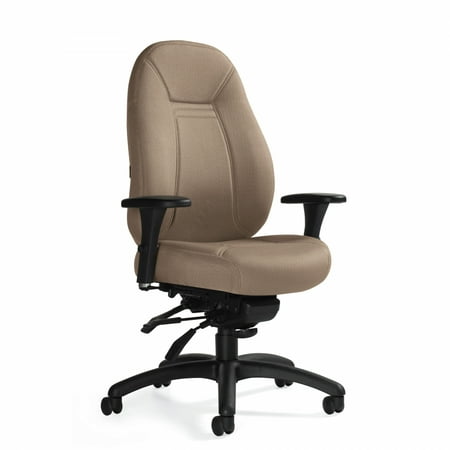
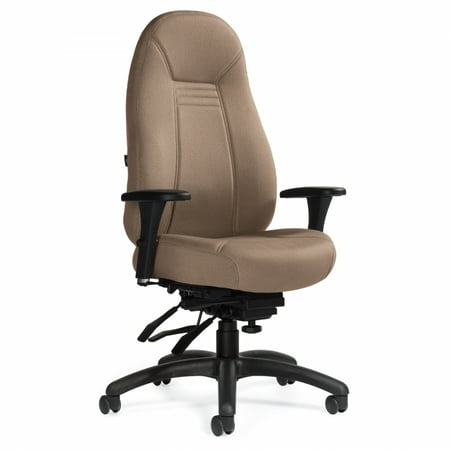
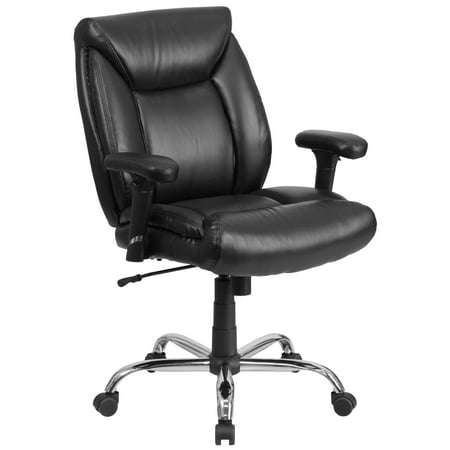
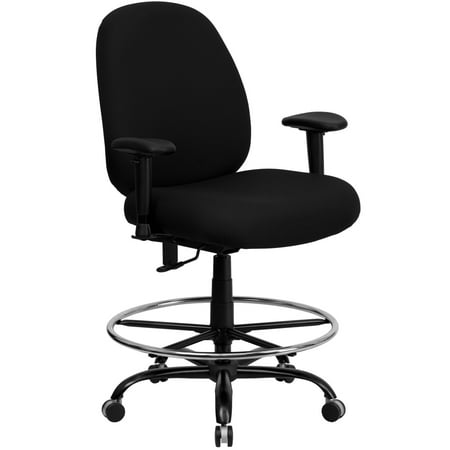
A true big and tall office chair goes beyond just a larger seat. It's an engineered solution with specific design characteristics to support a heavier weight and longer frame safely and comfortably. Unlike standard chairs, these are built with:
- Reinforced Steel Frame: A heavy-gauge steel frame forms the skeleton of the chair, preventing flexing and structural failure over time.
- Oversized Seat Pan: Typically measuring 22 inches or more in width and depth, providing ample space for hips and thighs without pressure points.
- High Weight Capacity: Rated for 350 lbs to 500 lbs or more, certified by BIFMA (Business and Institutional Furniture Manufacturers Association) standards.
- Class 4 Gas Lift: A heavy-duty hydraulic cylinder designed for frequent height adjustments under heavier loads, ensuring smooth and safe operation.
- Wider, More Durable Base: A larger, often steel-reinforced, five-star base that provides a stable foundation and prevents tipping.
Critical Ergonomic Features for Larger Body Types
Ergonomics is not one-size-fits-all. For big and tall users, certain features become non-negotiable for maintaining proper spinal alignment and circulation. Here’s what to prioritize:
1. Adjustable Lumbar Support
Your lower back bears the brunt of long sitting sessions. Look for chairs with independent, adjustable lumbar support that moves up and down (height) and in and out (depth). This allows you to fill the natural curve of your spine, preventing slouching and reducing strain on the lumbar discs. Some premium chairs even offer a dynamic lumbar system that moves with you.
2. Seat Depth Adjustment
A common problem for taller individuals is a seat pan that's too short, leaving the thighs unsupported. A chair with seat depth adjustment (usually a slider under the seat) lets you extend the pan so you have 2-3 fingers of space between the back of your knees and the seat edge. This promotes healthy circulation and prevents numbness.
3. High-Back Design with Adjustable Headrest
For those over 6'0", a high-back chair is essential. It supports the entire spine, including the thoracic and cervical regions. An adjustable headrest is a game-changer for tall users, providing crucial support for the neck and head, reducing strain during long hours of focused work or video calls.
4. 4D Adjustable Armrests
Armrests that adjust up/down, side/side, in/out, and pivot are vital for big and tall users. This level of customization allows you to position your arms correctly for typing, reduce shoulder tension, and easily slide the chair under the desk when not in use.
Why Heavy-Duty Construction Matters
- Longevity: Quality materials like steel frames and high-density foam withstand years of daily use without degrading.
- Safety: A reinforced base and Class 4 gas lift eliminate the risk of collapse or sudden failure.
- Consistent Support: The chair maintains its supportive structure over time, unlike cheaper chairs that sag and lose shape.
Common Pitfalls to Avoid
- Fake "Big and Tall" Labels: Be wary of chairs that look large but have a plastic base and low weight capacity.
- Narrow Armrest Spacing: Even with a wide seat, if the armrests are fixed and too narrow, the chair will feel cramped.
- Insufficient Tilt Lock: A chair that doesn't have a robust tilt lock mechanism may feel unstable when you recline.
Material Selection: Mesh vs. Leather vs. Fabric for Larger Users
The material of your chair affects comfort, temperature regulation, and durability. Here’s how they compare for big and tall users:
| Material | Pros for Big & Tall | Cons for Big & Tall | Best For |
|---|---|---|---|
| Premium Mesh | Superior breathability, prevents overheating; flexible yet supportive; contours to body shape. | May not feel as "premium"; requires regular cleaning to prevent dust buildup. | Warm climates, high-activity work environments, users who prefer a cooler seat. |
| Top-Grain Leather | Extreme durability; easy to wipe clean; luxurious feel; molds to body over time. | Can be warm in summer; higher initial cost; requires conditioning to prevent cracking. | Traditional executive offices, long-term investment, users prioritizing aesthetics and ease of cleaning. |
| High-Density Fabric | Soft, comfortable, and breathable; available in many colors; cost-effective. | Can stain; may absorb odors; may show wear faster than leather. | Budget-conscious users, home offices, those wanting a softer, warmer seating feel. |
Step-by-Step Selection Guide: How to Choose Your Chair
To ensure you pick the perfect chair for your needs, follow this structured approach:
Step 1: Measure Your Workspace and Yourself
- Measure Your Height & Weight: Know your exact numbers to match with the chair's specifications.
- Check Desk Height: Ensure the chair's maximum and minimum seat height are compatible with your desk.
- Measure Your Thighs: When seated, measure from the back of your knee to the back of your hip to determine the needed seat depth.
Step 2: Define Your Primary Use Case
Usage Scenarios
Step 3: Set a Realistic Budget
Big and tall chairs are an investment in your health. Here’s a breakdown of what you can expect:
Entry-Level
Basic heavy-duty chairs with essential features. Good for home offices with part-time use.
Mid-Range
The sweet spot. Chairs in this range offer robust construction, significant adjustability, and higher weight capacities (up to 400 lbs).
Premium / Executive
Top-tier chairs with commercial-grade components, extensive customization, premium leather, and warranties of 10+ years.
Health Benefits of a Properly Fitted Big and Tall Chair
Reduced Joint Pain
Proper seat width and depth prevent pressure on hips, knees, and the sciatic nerve, alleviating pain.
Improved Posture
Tailored lumbar and back support encourages a neutral spine, reducing "tech neck" and rounded shoulders.
Increased Circulation
A waterfall seat edge and proper seat depth prevent restriction of blood flow to the legs and feet.
Enhanced Productivity
By eliminating discomfort as a distraction, you can focus more deeply and work longer without fatigue.