
Why a Big and Tall Extra Wide Office Chair is a Smart Investment
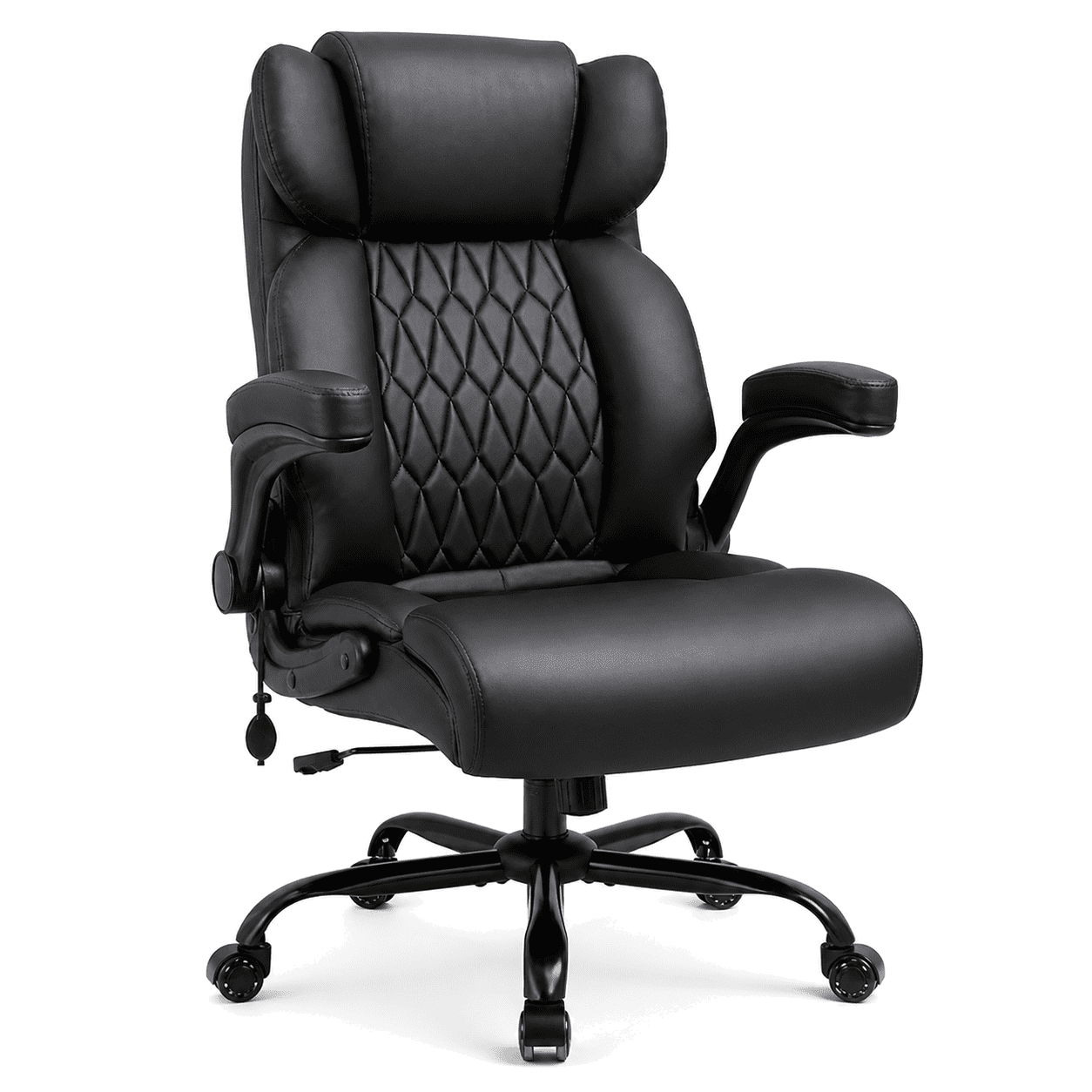
For individuals who are larger, taller, or simply prefer more space, a standard office chair often feels restrictive and inadequate. Sitting in a chair that is too narrow can lead to discomfort, poor posture, and even chronic pain. This is where a purpose-built big and tall extra wide office chair becomes essential. It’s not just about having a larger seat; it’s about having a workspace tool that supports your unique physique, allowing you to focus on your work without physical distractions.
The Reality Check: According to ergonomic studies, users who sit in chairs that are too narrow experience 40% more pressure on the hips and thighs, leading to discomfort and reduced concentration. A properly fitted extra wide chair can improve comfort by over 60%, directly impacting productivity and overall well-being.
Key Features That Define a Quality Extra Wide Chair
Selecting the right chair involves understanding the key features that set these heavy-duty chairs apart. Look beyond the aesthetics and focus on these critical engineering elements:
- Generous Seat Width: The hallmark feature. Look for seat widths starting at 22 inches and going up to 28 inches or more, providing ample room for the hips and thighs without feeling pinched.
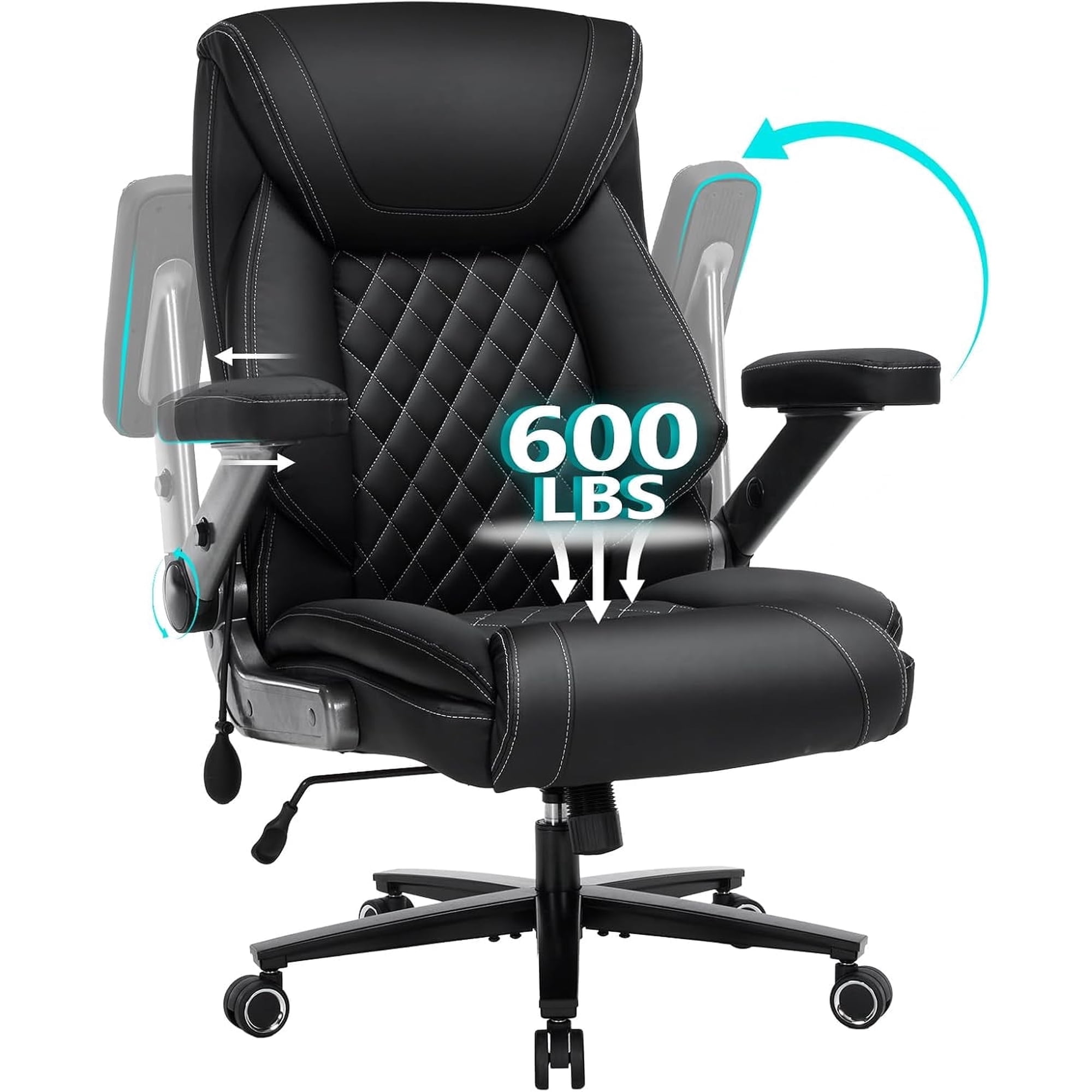
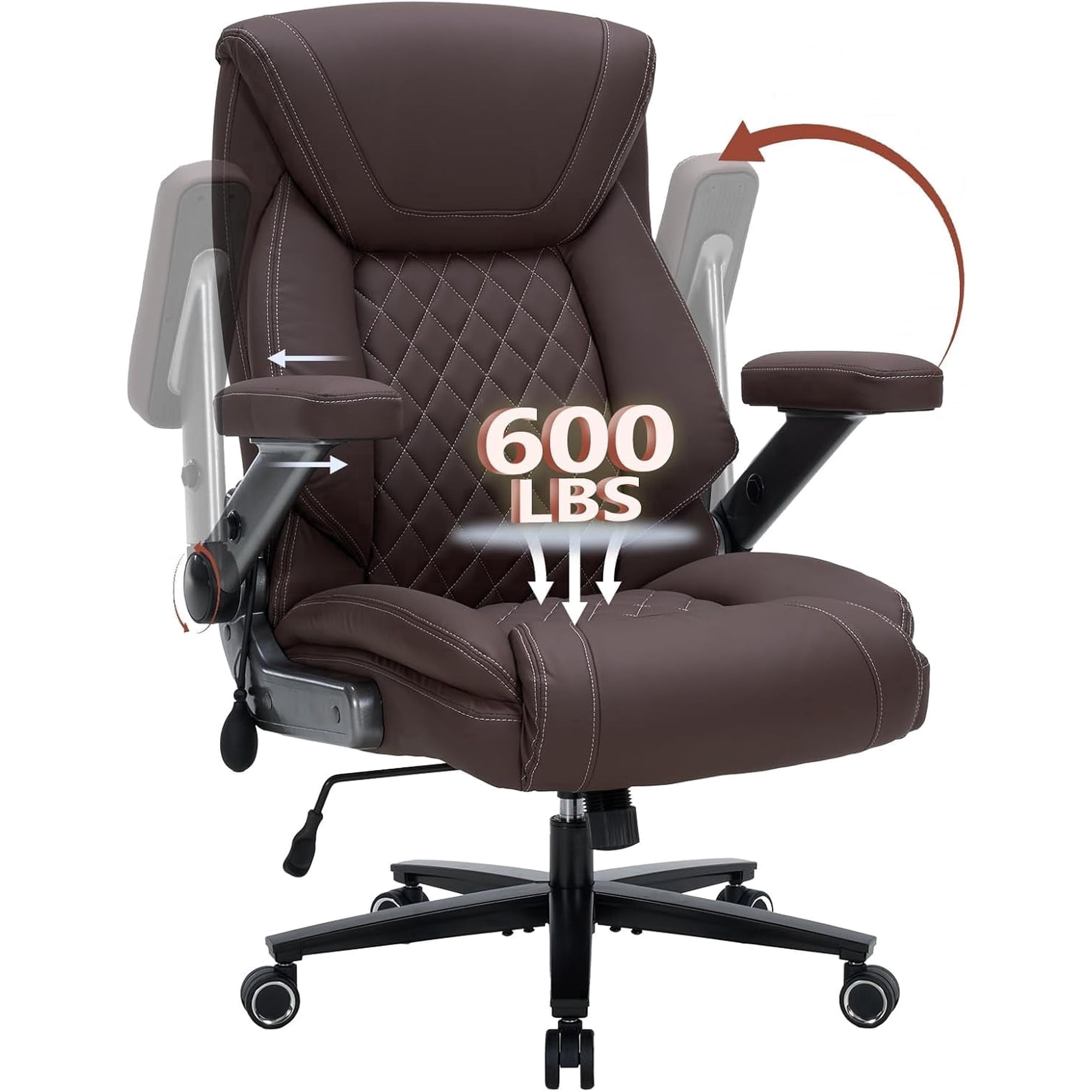
- High Weight Capacity: A testament to robust construction. Quality chairs in this category are rated from 350 lbs to 500 lbs or more, utilizing reinforced steel frames and heavy-duty Class 4 gas lift cylinders.
- Extra Tall Backrest: Designed to support the entire spine, including the upper back and shoulders of taller individuals (6'2" and above). This often includes integrated or adjustable lumbar support.
- Reinforced Components: From the base to the armrests and the tilting mechanism, every component is built to withstand greater stress and provide long-term reliability.
- Deep Seat Cushion: A thick, high-density foam seat cushion prevents "bottoming out" and provides all-day comfort, which is crucial for heavier users.
Pro Tip: Always verify the chair's weight capacity. This is a key indicator of the chair's structural integrity. A higher weight rating not only ensures safety but also means the chair will last longer under regular use.
Step-by-Step Guide to Choosing Your Perfect Extra Wide Office Chair
Finding the ideal chair is a process. Use this step-by-step guide to ensure you make the best decision for your body and your workspace.
Step 1: Measure Your Space and Yourself
- Your Measurements: Measure your hip width while seated. Add 2-4 inches to find the minimum seat width you need. Also, note your height from the floor to the back of your knees (popliteal height) to ensure the seat depth is correct.
- Desk Clearance: Measure the height from your floor to the underside of your desk. This determines the maximum seat height your chair can have while still fitting under the desk when not in use.
- Doorways and Pathways: Ensure the chair's overall width will fit through your office doorways and around your workspace without causing obstructions.
Step 2: Prioritize the Core Ergonomic Features
- Lumbar Support: Look for chairs with adjustable lumbar support. The ability to move the support up/down and in/out is crucial for maintaining the natural curve of your lower back.
- Seat Depth Adjustment: This allows you to slide the seat pan forward or backward to ensure you have about 2-3 fingers of space between the back of your knee and the edge of the seat, which promotes healthy circulation.
- 4D Armrests: Armrests that adjust up/down, left/right, pivot, and forward/back allow you to customize support for your shoulders, neck, and wrists, preventing strain during long work hours.
- Durable Gas Lift: Ensure the chair uses a Class 3 or, ideally, a Class 4 gas lift, which is rated for heavier loads and will provide years of reliable height adjustment.
Step 3: Match Material to Your Needs
The upholstery material plays a huge role in comfort and maintenance.
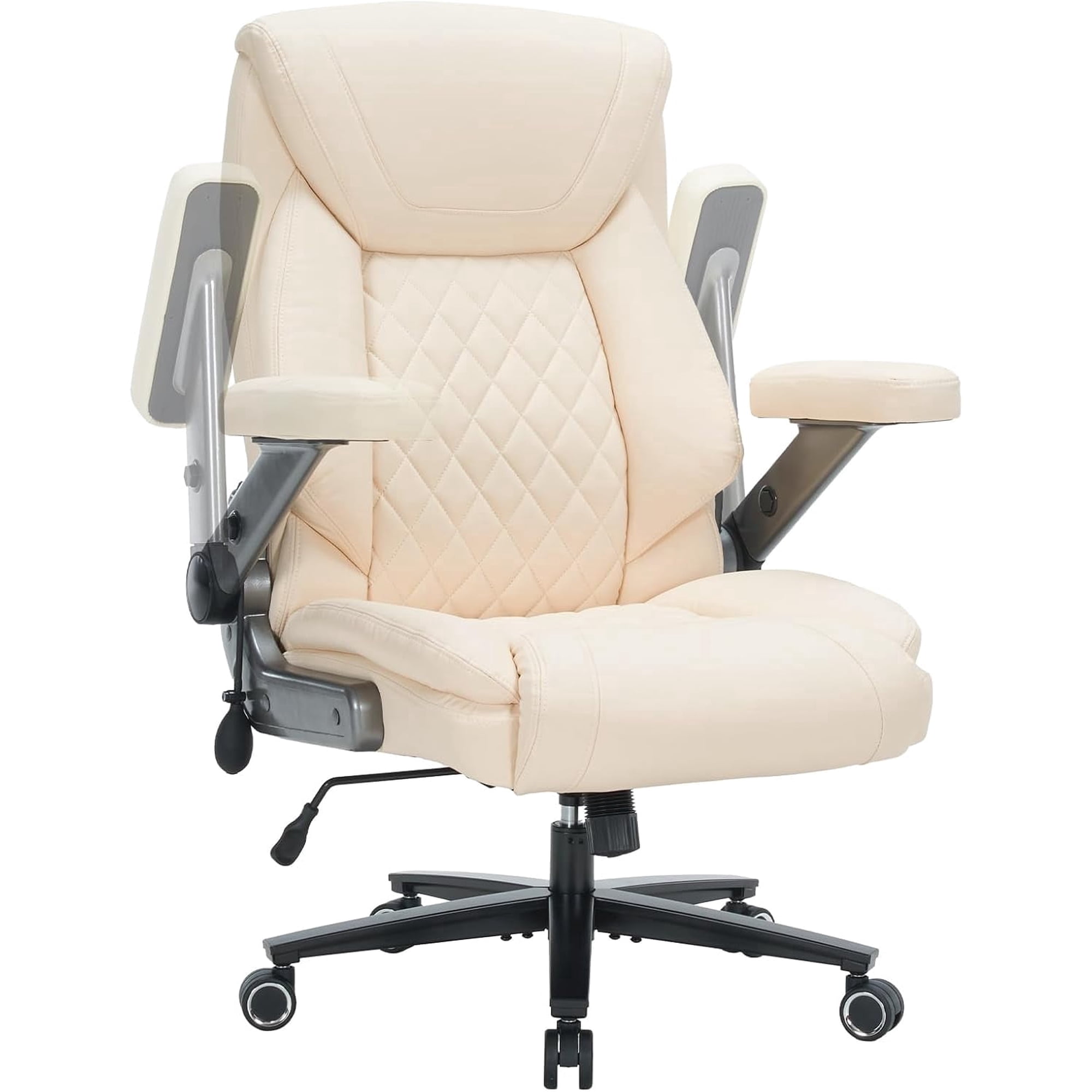
Leather / Bonded Leather
- Pros: Easy to clean, durable, looks professional, provides a stable seating surface.
- Cons: Can be less breathable, may be warmer in summer.
- Best For: Executives, home offices, those who prefer a plush, premium feel.
High-Durability Mesh
- Pros: Excellent breathability, good lumbar support, often lighter weight.
- Cons: May feel less padded, can accumulate dust.
- Best For: Warm climates, those who tend to overheat, modern office aesthetics.
Step 4: Test and Evaluate for the Long Haul
Practical Test: If possible, sit in the chair for at least 15-20 minutes. Check if the seat width is truly comfortable, if the lumbar support hits the right spot, and if the armrests provide the necessary support. Replicate your typical sitting posture, including leaning back and typing.
Common Mistakes to Avoid When Buying an Extra Wide Office Chair
- Focusing Only on Width: Don't forget about seat depth, back height, and weight capacity. A wide seat is useless if the back is too short or the gas lift fails.
- Ignoring the Warranty: A strong warranty (e.g., 5-10 years on the frame) is a sign of a manufacturer's confidence in their product. It protects your investment.
- Overlooking Caster Quality: Heavy-duty chairs require heavy-duty casters. Look for oversized or dual-wheel casters designed for carpet or hard floors to ensure smooth and safe movement.
- Assuming One Size Fits All: Just like shoes, chairs are not one-size-fits-all. The "big and tall" category has variations. Some chairs are better for tall, lean individuals, while others are optimized for wider, heavier users. Read reviews and specifications carefully.