
1. Introduction: Why a “Pillow Office Chair” Is More Than a Trend
Imagine sitting on a cloud that also keeps your spine perfectly aligned. That’s the promise of a well-designed pillow office chair. In the modern workspace—whether home or corporate—we spend more hours seated than sleeping. Yet many office chairs still offer flat, unforgiving surfaces. Adding plush pillows or choosing a chair with integrated cushioning can be the difference between an energetic workday and an achy evening. This guide dives deep into the world of pillow-enhanced seating, from ergonomic lumbar supports to gel-infused seat toppers, helping you make a choice that feels custom-made for your body.
✨ First-Hand Insight
According to a 2023 survey by the Ergonomics Health Association, 74% of remote workers who added a memory foam pillow to their existing office chair reported a significant reduction in lower back discomfort within two weeks. The right pillow doesn’t just soften—it actively supports.
2. The Anatomy of a Pillow Office Chair: Built-in vs. Add-on
When we talk about a “pillow office chair,” we usually mean one of two things: a chair that comes from the factory with generous, pillow-like padding (often in the headrest or seat), or a standard ergonomic chair that you personalize with separate pillows. Both routes have their merits.
2.1 Chairs with Integrated Pillow Elements
Some high-end executive and task chairs feature:
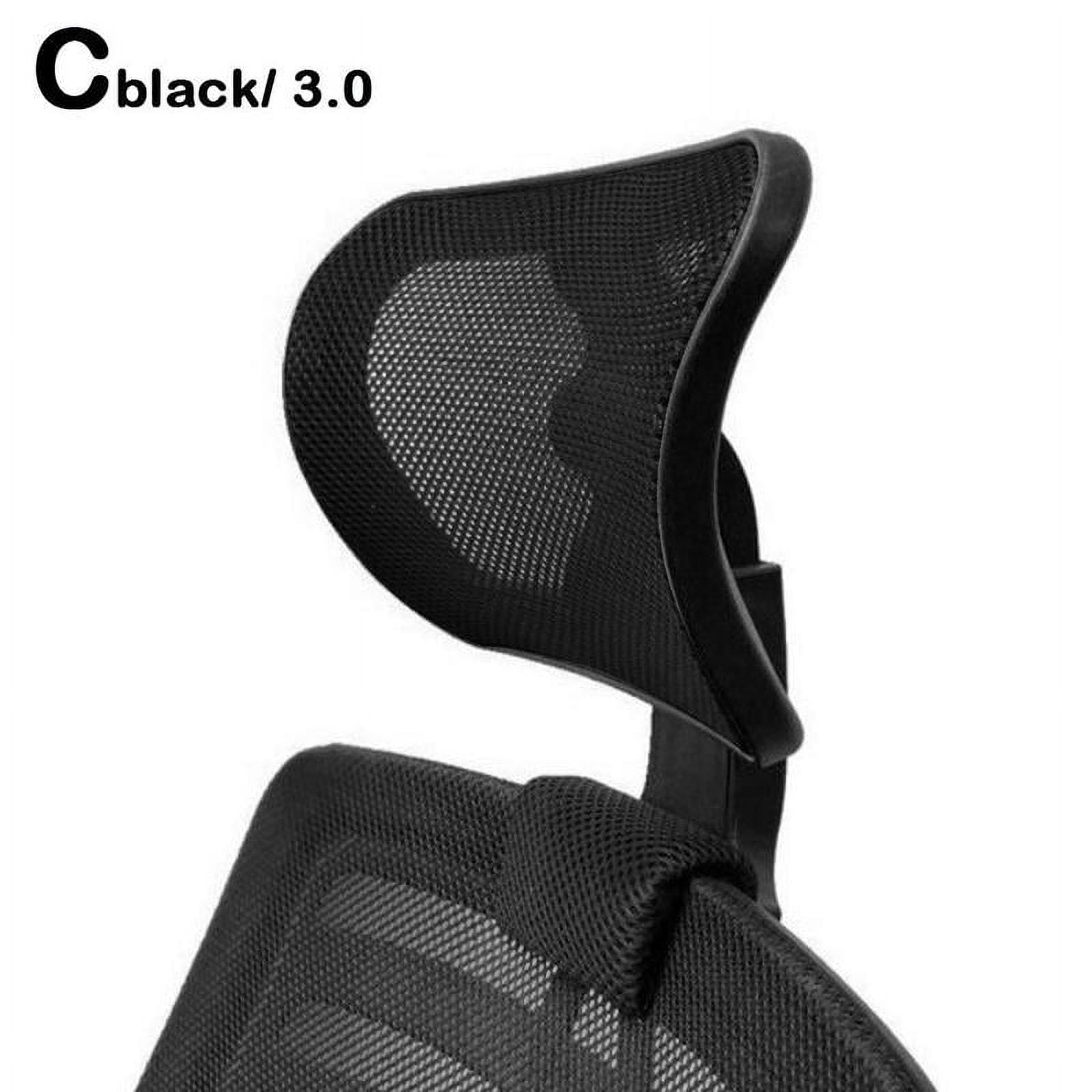
- Built-in padded headrests – often curved and filled with memory foam to support the neck during reclining moments.
- Contoured seat cushions – with a “pillow top” layer similar to high-end mattresses, using gel-infused foam to prevent heat buildup.
- Attached lumbar pillows – adjustable in height and depth, providing a gentle push to the lower back.
The advantage? Seamless design and manufacturer engineering. The pillow is tested to work with the chair’s recline mechanism and upholstery.
2.2 The Add-On Pillow Ecosystem
This is where the magic of customization happens. You can turn any decent chair into a pillow office chair by adding:
- Lumbar support pillow: Straps onto the backrest, often ergonomically shaped to fill the gap between your spine and the chair.
- Seat cushion (memory foam or gel): Reduces pressure on the tailbone and thighs. Great for sciatica or tailbone pain.
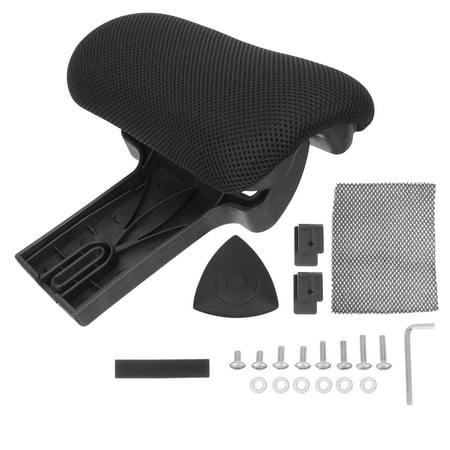
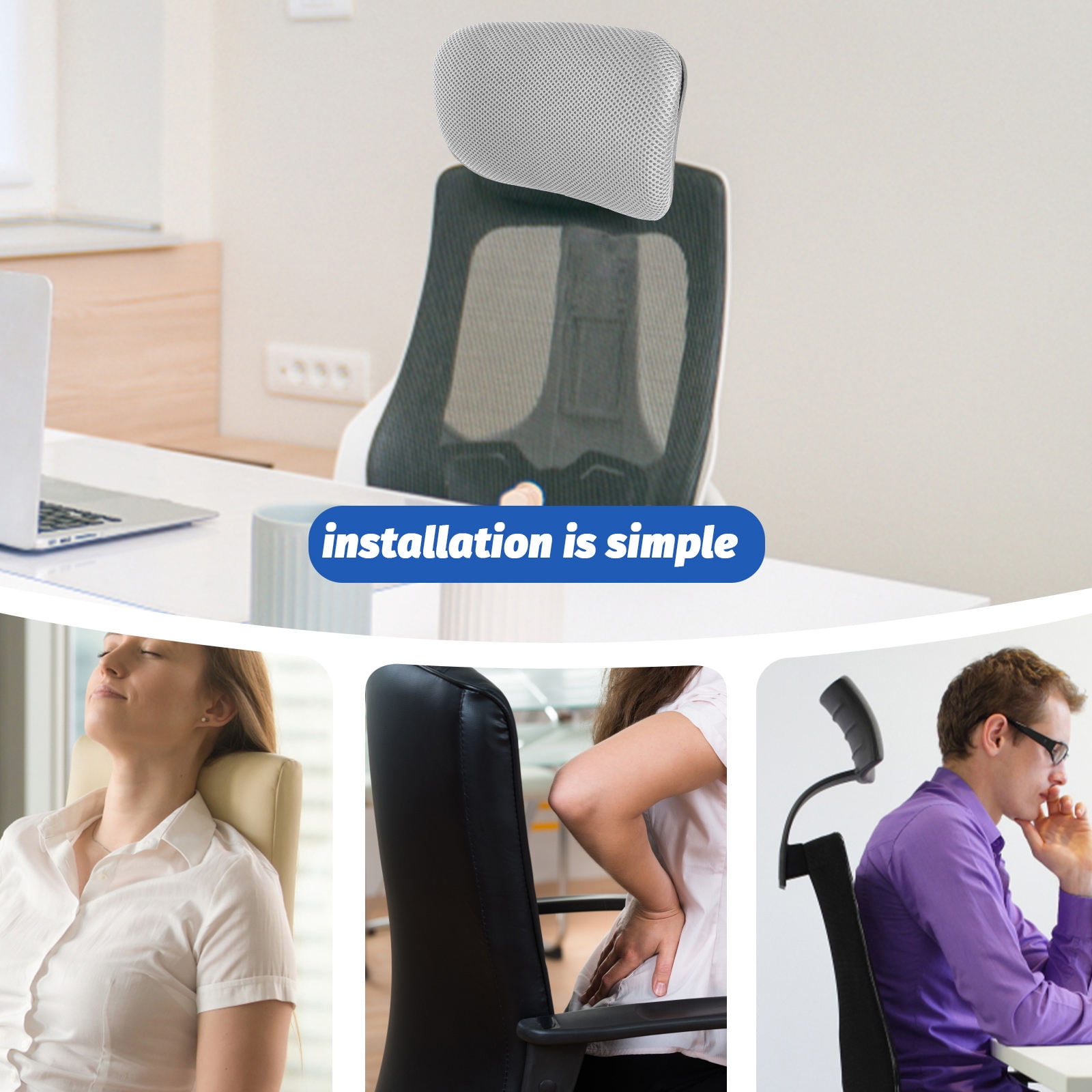
- Neck pillow / headrest attachment: Clips onto the top of the backrest, giving you head support during breaks.
- Full-back cushion: A large pad that covers the entire backrest, adding softness and support.
According to occupational therapist Julia Mitchell, “Add-on pillows are often more effective because you can tailor the firmness and position exactly to your body. It’s like having a bespoke chair without the high cost.”
2.3 Materials That Matter: Foam, Gel, and Cover Fabrics
Not all pillows are created equal. The core material dictates comfort and longevity.
- Memory foam: Molds to your shape with body heat. Excellent pressure relief. Look for high-density foam (4-5 lbs per cubic foot) for durability.
- Gel-infused foam: Same contouring properties but with cooling gel beads to prevent sweating. Ideal for long sitting hours or warmer climates.
- Latex foam: Naturally bouncy, hypoallergenic, and cooler than traditional memory foam. Offers more “push-back” support.
- Air mesh covers: Breathable and washable. Essential for hygiene, especially if you use the pillow daily.
3. Who Benefits Most from a Pillow Office Chair?
The short answer: almost everyone. But certain groups find it transformative:
- People with chronic back pain: Lumbar pillows maintain the spine’s S-curve, reducing stress on discs.
- Tailbone pain (coccydynia): A seat cushion with a cut-out (donut style) or a U-shaped memory foam pillow relieves pressure.
- Tall individuals: Often the headrest is too low. An add-on neck pillow can be positioned higher.
- Pregnant women: Extra lumbar and seat cushioning eases pelvic pressure. (see our Pregnancy Office Chair Pillow guide).
- Gamers and programmers: Marathon sessions require pressure distribution and cooling—gel pillows excel here.
3.1 The “Cloud Seating” Analogy
Think of a standard office chair as a firm mattress. It’s supportive but can feel hard after hours. Adding a pillow topper is like putting a plush mattress topper on that firm bed—you get the underlying support plus a soft, conforming layer. That’s the pillow office chair experience.
4. Scientific Backing: Data on Cushioning and Comfort
Research published in the journal “Applied Ergonomics” (2022) measured sitting pressure points with and without contoured foam cushions. Key findings:
- Peak pressure under the sitting bones (ischial tuberosities) dropped by 32% with high-resilience foam cushions.
- Spinal curvature was closer to neutral when lumbar pillows were used.
- Participants reported 28% less fatigue at the end of the day.
Another study by Cornell University’s Ergonomics Web noted that a simple neck pillow reduced forward head posture by an average of 15 degrees during reclined micro-breaks.
5. How to Choose the Right Pillow Configuration for Your Chair
Follow this step-by-step approach to build your perfect pillow office chair setup:
- Identify your pain points: Do you feel discomfort in your lower back, neck, or seat? That dictates which pillow to prioritize.
- Measure your chair: Backrest height, seat width, and headrest area (if any). Pillows must fit without overhang.
- Select density: For lumbar support, medium-firm foam works best. For seat, softer gel+foam hybrids are preferred.
- Check attachment mechanism: Elastic straps with non-slip silicone grips keep pillows in place.
- Test the combination: Sit for 10 minutes. Ensure your feet rest flat, knees at 90°, and the pillow doesn’t push you too far forward.
6. Frequently Asked Questions About Pillow Office Chairs
7. Final Verdict: Is a Pillow Office Chair Worth It?
Absolutely—whether you buy a chair with plush integrated padding or upgrade your current one with high-quality aftermarket pillows, the investment in comfort pays dividends in focus, health, and energy. Think of pillows as the finishing touch to your ergonomic setup. They are the easiest and most affordable way to turn a “good enough” chair into your personal throne of productivity. Start with one pillow—perhaps a lumbar support—and feel the difference. Your back will thank you.