
Why a Stationary Swivel Office Chair Could Be Your Best Investment
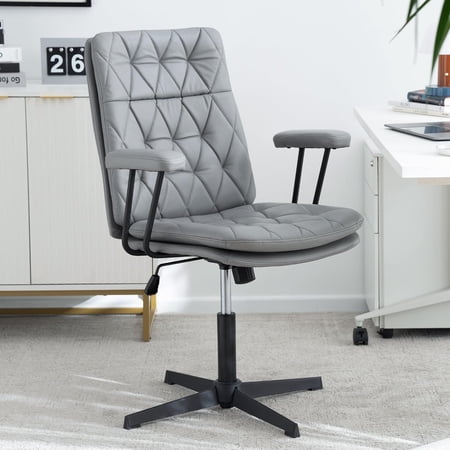
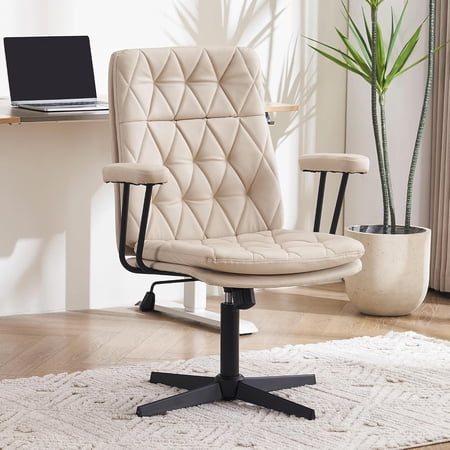
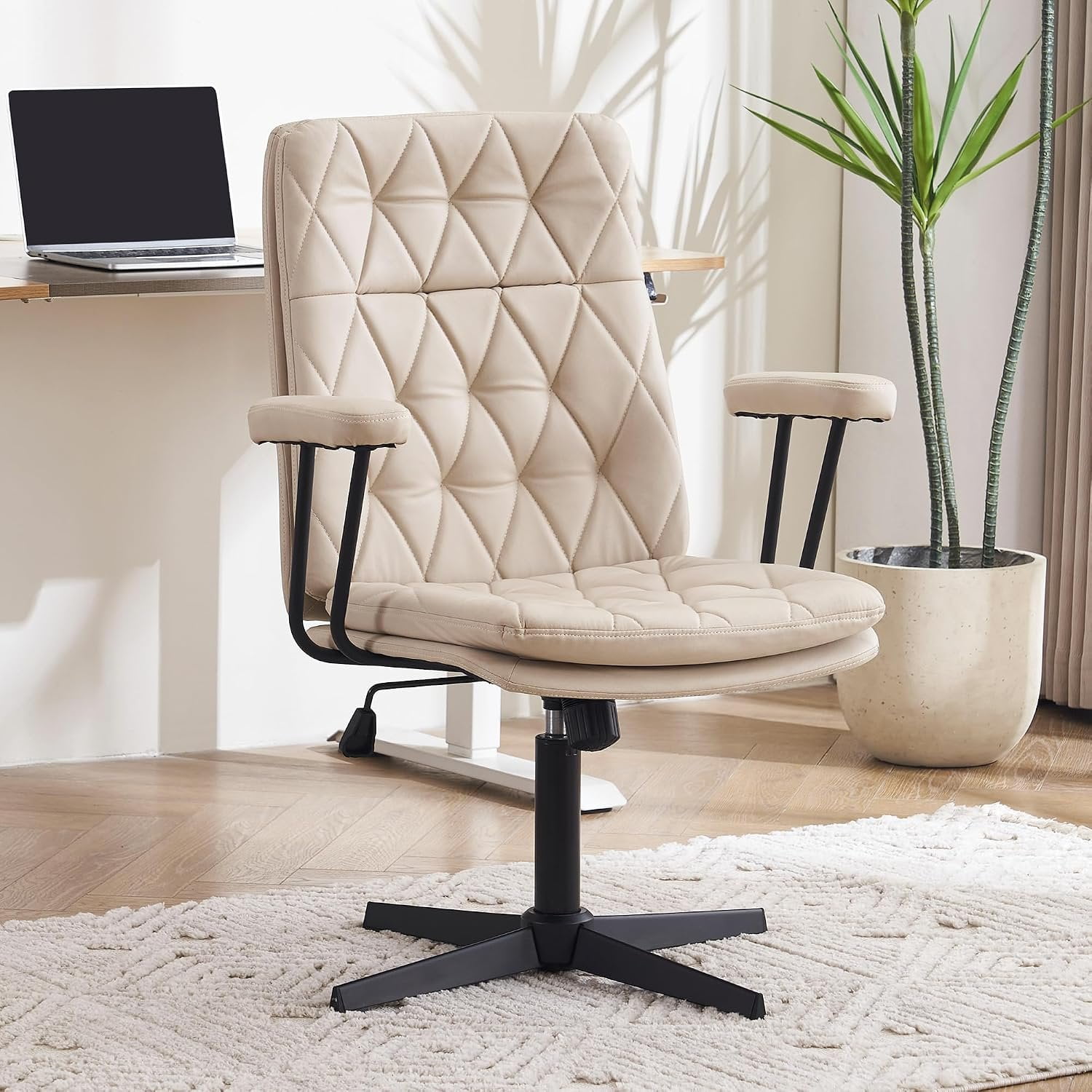
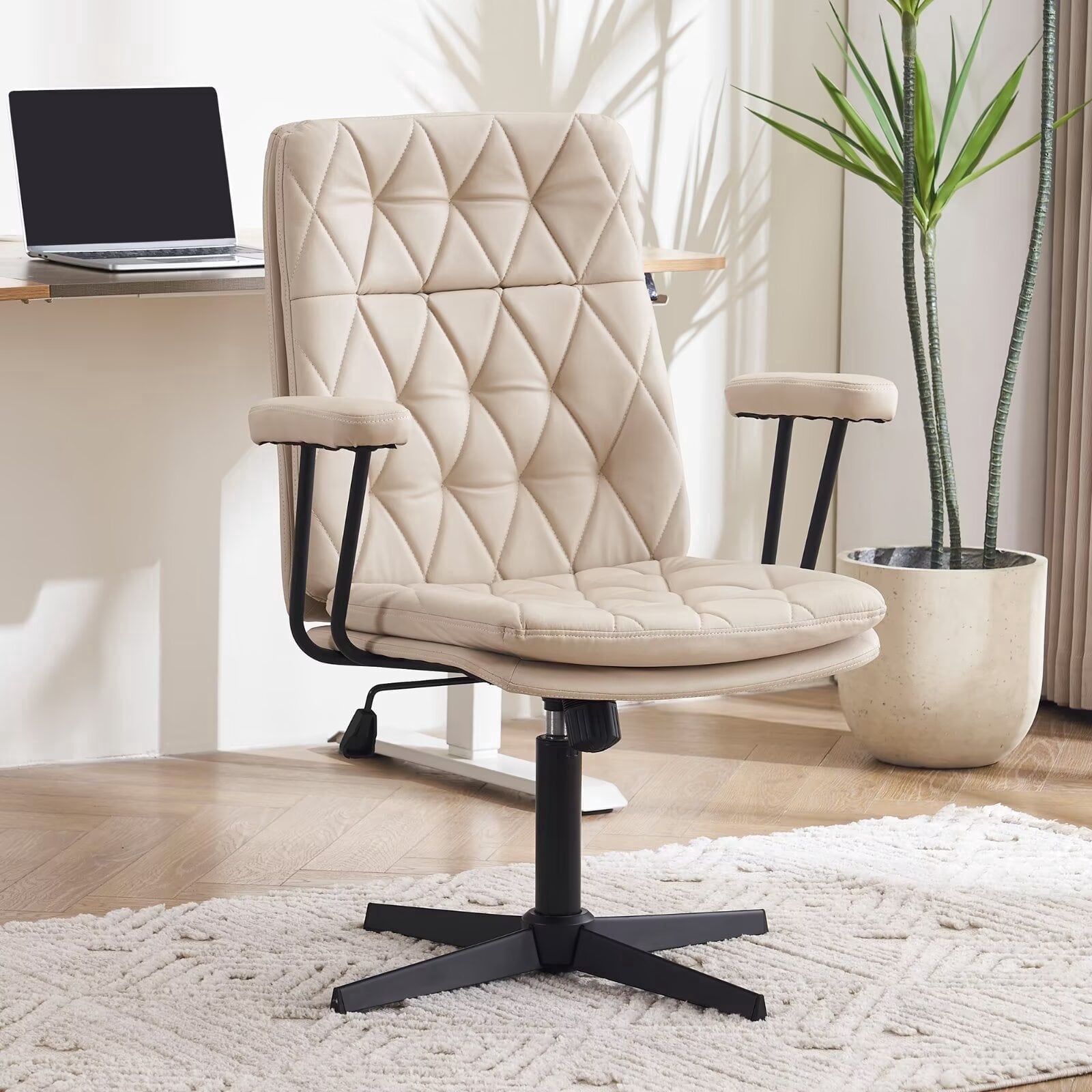
Imagine a chair that lets you rotate freely to reach reference materials or greet a colleague, yet never rolls away from your desk. That's the essence of a stationary swivel office chair. Unlike traditional task chairs with casters, these chairs feature a fixed base—usually a sturdy four-leg or five-star design—combined with a 360° swivel mechanism. They are the unsung heroes for architects at drafting tables, receptionists greeting guests, or home workers with sensitive hardwood floors.
Ergonomic Insight: A study from the National Institute for Occupational Safety and Health (NIOSH) suggests that for tasks requiring precise, stable positioning (like drafting or laboratory work), a stationary base reduces muscle fatigue by eliminating micro-adjustments needed to counteract rolling. Swivel function still allows dynamic movement without destabilizing your posture.
Understanding Stationary Swivel Chair Design & Applications
1. Where Stationary Shines: Use-Case Analysis
Stationary swivel chairs are not one-size-fits-all; they excel in specific environments. Let's break down the primary use cases:
- Drafting & Standing Desks: Artists and architects need height adjustability but not rolling. Many stationary chairs have pneumatic cylinders to adjust from standard height to 30+ inches, paired with a footring for support.
- Reception & Front Desk: A receptionist swivels between computer, phone, and visitors. A fixed base prevents the chair from drifting away from the desk, maintaining a neat appearance.
- Home Offices with Delicate Floors: Hardwood, laminate, or tile owners avoid caster scratches. Glides or felt pads on stationary bases protect flooring.
- Laboratory & Medical Settings: Clean rooms or clinics often require non-rolling chairs to maintain position near equipment or patients.
- Space-Limited Workstations: In compact areas, a stationary chair eliminates the risk of bumping into walls or furniture when rolling.
2. Base Types: Stability and Aesthetics
The foundation of a stationary swivel chair determines its stability and style. Common base designs include:
- Four-Leg Base: Classic, often wooden or metal. Offers excellent stability, timeless look (like a traditional office chair). Ideal for executive or home office settings.
- Five-Star Fixed Base: Borrowed from rolling chairs but without casters. Provides a broad footprint, resist tipping, common in pneumatic drafting chairs.
- Sled Base: A continuous metal loop that contacts the floor front and back. Modern, sleek, and very stable, often used in reception areas.
- Pedestal Base with Glides: Single central column with a wide circular or star-shaped footplate and non-marking glides. Allows slight rocking but stays put.
3. Material Choices for the Stationary Swivel Chair
Just like rolling chairs, stationary versions come in various upholsteries. Here’s how they compare when mobility isn't a factor:
Leather / Faux Leather
- Advantage: Easy to wipe clean, professional look, durable.
- Ideal for: Reception areas, executive offices, medical settings.
- Note: Can be warm for long sitting; breathable options exist.
Fabric / Mesh
- Advantage: Breathable, cozy, variety of colors.
- Ideal for: Drafting, home offices, creative studios.
- Note: May require more cleaning; mesh is cooler.
4. Ergonomics Without Wheels: Key Adjustments
A stationary swivel chair can be just as ergonomic as its rolling counterpart. Look for these features to ensure comfort during long hours:
- Pneumatic Seat Height Adjustment: Essential for matching desk height, especially for drafting tables.
- Swivel Tension Control: Adjust how easily the chair rotates—stiffer for focused work, looser for dynamic tasks.
- Lumbar Support: Built-in or adjustable to maintain spine's natural curve.
- Seat Depth Adjustment: Allows proper thigh support for different leg lengths.
- Footring (for tall models): Provides a place to rest feet when using drafting-height chairs.
According to ergonomic guidelines from Cornell University, a stationary chair with proper adjustments can reduce lower back pressure by up to 30% compared to a poorly fitted rolling chair, because the user isn't constantly stabilizing against unintended movement.
5. Weight Capacity & Durability
Since stationary chairs lack casters, the base and gas lift bear all the load. High-quality models typically support from 250 to 400 pounds. For heavy-duty use, look for reinforced五星 bases or solid hardwood legs with metal brackets. The swivel mechanism should be rated for continuous use—industrial-grade bearings last longer.
Data from the Business and Institutional Furniture Manufacturers Association (BIFMA) indicates that stationary chairs with metal-to-metal swivel mechanisms tested for 100,000+ rotation cycles are suitable for 24/7 shift environments.
Stationary Swivel Chair vs. Rolling Chair: Quick Comparison
| Feature | Stationary Swivel | Rolling Task Chair |
|---|---|---|
| Floor Protection | Excellent (no scratches) | Requires mat or soft wheels |
| Stability | High – no unintended drift | Moderate – can roll away |
| Mobility | Rotate only | Rotate + move around |
| Ideal Use | Drafting, reception, labs | General office, multitasking |
| Space Efficiency | Compact footprint | Needs clearance to roll |
How to Choose the Perfect Stationary Swivel Office Chair
Step 1: Measure Your Work Surface Height
Standard desk: 28-30" → seat height 16-21". Drafting table: 36-42" → need pneumatic chair that rises to 24-30". Measure from floor to desktop, then subtract ~10" for ideal seated elbow height.
Step 2: Match Base Type to Floor & Style
Hardwood or tile → choose felt glides or smooth plastic feet. Carpet → wider base (e.g., five-star) prevents tipping. Aesthetic: wood legs for traditional, sled base for modern.
Step 3: Prioritize Adjustability
Minimum: height adjustment and swivel. Recommended: lumbar support, seat depth, and tilt tension if you lean back. For drafting chairs, a footring is non-negotiable.
Step 4: Test Weight Capacity & Warranty
Check manufacturer specs. Look for BIFMA certification. Warranties of 5+ years on frame and mechanism indicate durability.
Frequently Asked Questions About Stationary Swivel Office Chairs
Conclusion: Is a Stationary Swivel Chair Right for You?
If your work demands precision, your floors need protection, or you simply prefer a chair that stays put, a stationary swivel office chair is an excellent choice. They blend the freedom of rotation with the stability of a fixed base, offering ergonomic benefits in the right settings. From drafting studios to sleek reception areas, these chairs prove that you don't need wheels to move forward in comfort. Evaluate your workspace, prioritize adjustability, and choose a model that supports your daily tasks without compromise.