
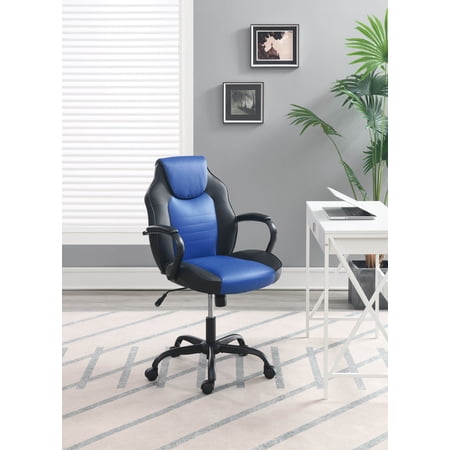
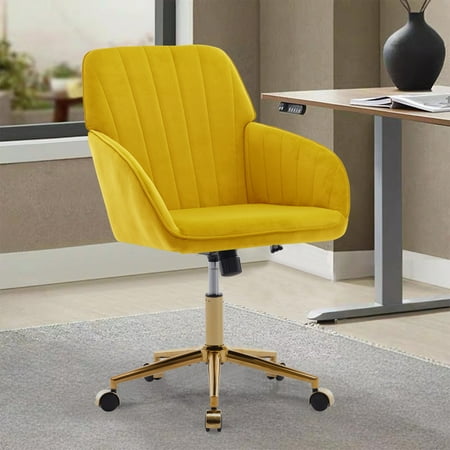
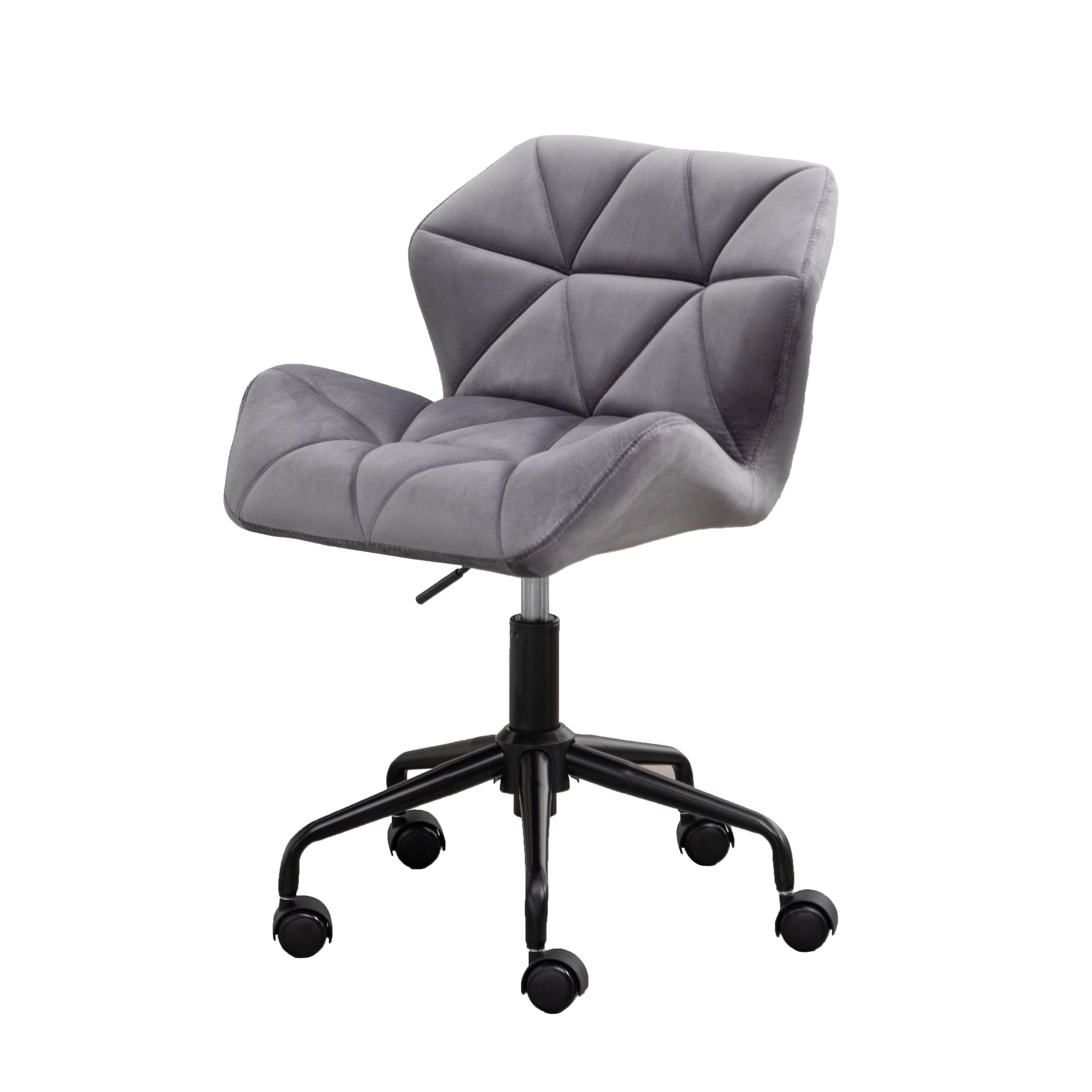

Introduction: Why the Right Office Furniture Chair Matters
Think of your office chair as the foundation of your workday—much like a good pair of shoes for a marathon runner. If the foundation is weak, everything else suffers. In the modern workspace, where many of us spend over 40 hours a week seated, an office furniture chair is not just a place to sit; it's a tool for productivity, a shield against physical strain, and a reflection of your professional environment. Whether you're equipping a home office or a corporate headquarters, the choice of seating impacts focus, energy levels, and even team morale.
The market for office furniture chairs has evolved dramatically. Gone are the days of one-size-fits-all. Today, we have a spectrum of options: from breathable mesh task chairs designed for intense focus to plush leather executive chairs that command presence. This guide is designed to navigate you through this landscape, helping you decode features, understand materials, and ultimately select a chair that supports your body and your work style for years to come.
Decoding Office Furniture Chairs: A Comprehensive Overview
To make a smart purchase, it helps to understand the main categories of office seating and the ergonomic principles that make a chair truly supportive. Let's break it down into digestible parts.
1. The Main Types of Office Furniture Chairs
Just as you wouldn't wear a tuxedo to the gym, you shouldn't use the wrong type of chair for your work. Here are the primary categories you'll encounter:
• Task / Ergonomic Chairs
The workhorses of the office. Designed for functionality, they prioritize adjustability (seat height, lumbar support, armrests) and often feature breathable mesh backs. Ideal for desk-based work requiring focus and movement.
• Executive Chairs
The symbol of leadership. These are typically high-backed, generously padded, and upholstered in premium materials like leather. They emphasize comfort, aesthetics, and a commanding presence, perfect for management roles or client-facing offices.
• Conference / Guest Chairs
Designed for meeting rooms or visitor areas. They are often armless or have a fixed frame, prioritizing style and space efficiency over prolonged sitting adjustability. They complement the room's design while offering temporary comfort.
• Big & Tall / Heavy-Duty Chairs
Engineered for larger body types. These chairs feature wider seats, taller backrests, reinforced frames, and higher weight capacities (400 lbs+), ensuring safety and comfort without compromising on ergonomic support.
• Specialty Chairs
This includes drafting stools for standing desks, kneeling chairs for alternative posture, and gaming chairs with high backs and aggressive lumbar support, which have also found a place in some home offices for their comfort.
2. The Ergonomic Zones: What to Look For
A chair's ergonomic value lies in how well it supports your body's natural posture. Think of it in three key zones:
| Ergonomic Zone | Key Feature | Why It Matters |
|---|---|---|
| Lower Back (Lumbar) | Adjustable lumbar support (height & depth) | Maintains the spine's natural inward curve, preventing slouching and reducing lower back strain by up to 40%. |
| Mid-Back & Shoulders | Backrest height adjustment & synchro-tilt mechanism | Ensures the backrest supports the entire back. A synchronized tilt allows your upper body to recline while your feet stay planted, opening your hip angle. |
| Seat & Lower Body | Seat depth adjustment & waterfall edge | Prevents pressure on the back of the knees (improving circulation). Correct depth allows you to sit with 2-3 finger widths between the seat edge and your calves. |
3. Material Science: Mesh, Leather, and Fabric Explained
The material of your office furniture chair dictates comfort, durability, and maintenance. Here’s a quick comparison using a different perspective:
Breathable Mesh
- Best for: Warm climates, long work sessions, preventing sweat.
- Feel: Supportive and springy, contours to the back.
- Care: Easy to wipe down, dust can be vacuumed.
Premium Leather
- Best for: Executive settings, cooler offices, a classic look.
- Feel: Luxurious, softens and molds over time.
- Care: Requires conditioning, but spills wipe off easily.
Durable Fabric
- Best for: Budget-conscious buyers, colorful office designs.
- Feel: Soft, warm, and cozy.
- Care: Can stain; may need professional cleaning.
Specialty (Faux Leather / Vinyl)
- Best for: Easy cleaning, vegan options.
- Feel: Can be sticky, less breathable.
- Care: Very easy to wipe, but may crack over time.
4. A Step-by-Step Guide to Testing a Chair
Before you commit, treat your chair selection like a test drive. Follow this process:
- Adjust First: Set the seat height so your feet are flat on the floor, thighs parallel to the ground.
- Check Lumbar: Does the lumbar support hit the small of your back? Adjust it until it feels snug.
- Test Armrests: Raise them so your elbows rest at a 90-degree angle while typing. They should be soft but supportive.
- Recline and Lock: Try the tilt mechanism. See if you can comfortably lean back. Test the lock in multiple positions.
- The 30-Minute Rule: Sit in the chair for at least 15-20 minutes. Simulate your work. Do you feel any pressure points? Does it still feel supportive?
Frequently Asked Questions About Office Furniture Chairs
Conclusion: Making Your Final Choice
Selecting the perfect office furniture chair is a personal journey that balances ergonomics, aesthetics, and budget. Start by identifying your primary work style and any physical needs. If you're at a desk for eight hours, invest in an ergonomic task chair with high adjustability. If you're in and out of meetings and want to project authority, a leather executive chair might be your match. Remember, a chair is a long-term investment in your well-being. The upfront cost of a quality chair is far outweighed by the benefits of increased productivity, fewer sick days due to back pain, and the sheer daily comfort it provides. Use the checklist below as a final guide before you click 'buy'.
Your Final Checklist:
- ✓ Needs vs. Wants: Prioritize must-have ergonomic features over purely aesthetic ones.
- ✓ Measure Twice: Ensure the chair's dimensions (seat width, back height) fit your body and your desk.
- ✓ Warranty Check: Look for at least a 5-year warranty on mechanisms and frame.
- ✓ Read Reviews: See what long-term users say about comfort and durability.
Armed with this knowledge, you're ready to find a chair that will support your best work for years to come.