
Why 350 lb Weight Capacity Matters: Engineering Meets Comfort
Selecting an office chair with 350 lb capacity isn't just about a number — it's about investing in robust engineering. These chairs are built with wider dimensions, thicker cushions, and components that resist wear for years. For professionals who need reliable seating that doesn't squeak, sink, or wobble, a 350 lb rated chair is the baseline for "commercial grade."
Industry Insight: According to the Bureau of Labor Statistics, the average American male weighs just under 200 lbs, but nearly 40% of the workforce exceeds 220 lbs. A chair rated for 350 lbs provides a 75% safety margin over average weight, ensuring the frame and mechanisms remain stress-free even during dynamic sitting.
The Anatomy of a 350 lb Capacity Office Chair
What physically changes when a chair is rated for 350 lbs? Let's break down the critical components that differentiate a standard task chair from a true heavy-duty model:
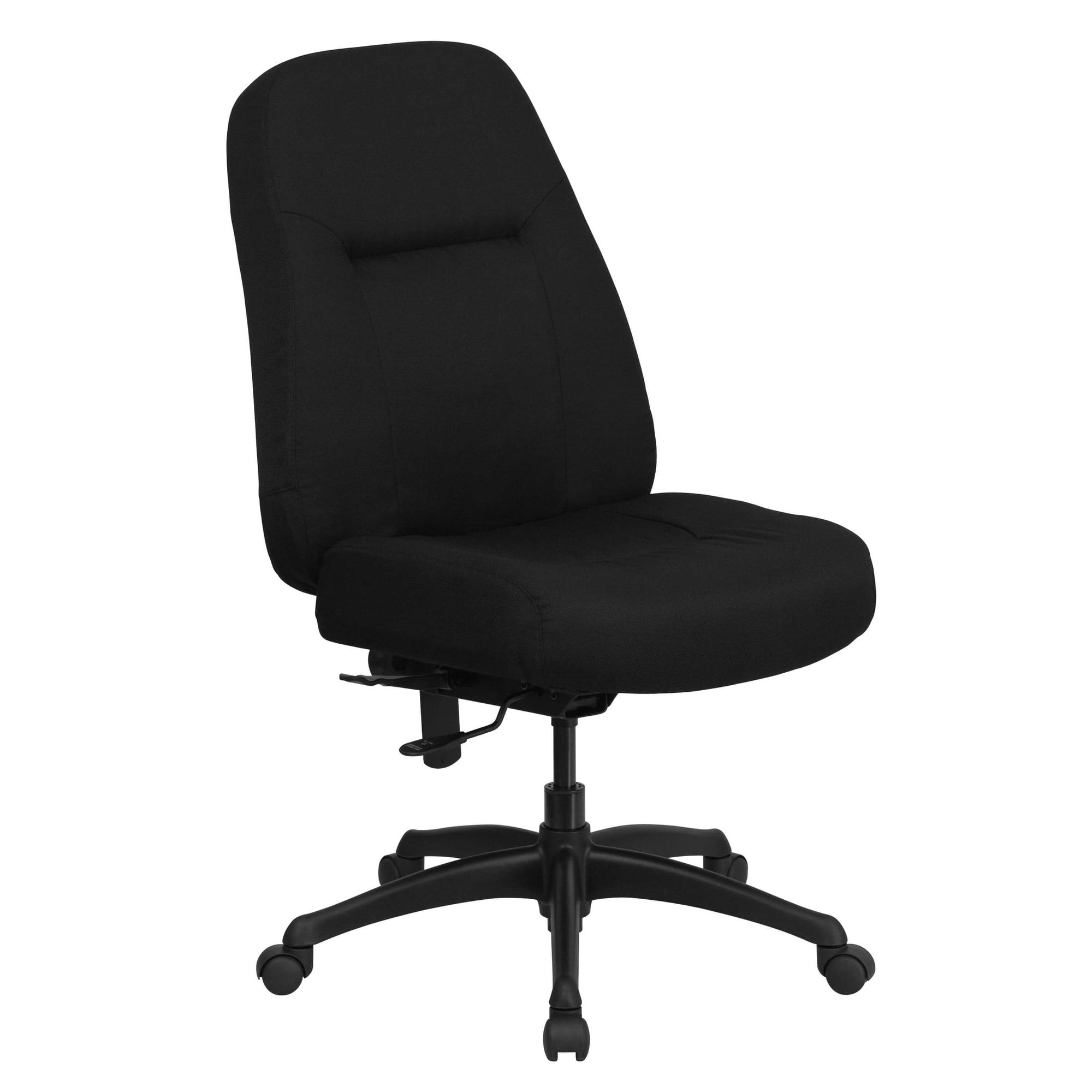
- Reinforced 5-star base: Usually made of solid steel or heavy-gauge aluminum instead of nylon plastic. This prevents cracking under load.
- Class 4 or 5 gas lift: The hydraulic cylinder is thicker and rated for high pressure. It won't sink slowly during the day.
- Wider seat pan (22”+): Provides proper thigh support without compression at the edges. Often includes extra foam density.
- Heavy-duty casters: Larger wheels (3”+) with metal hubs that roll smoothly under higher weight without flattening.
- Reinforced armrest attachments: Arms bolt directly into the steel frame, not plastic, to avoid wobble.
Who Specifically Benefits from 350 lb Rated Seating?
While the name "big and tall" is common, the 350 lb capacity chairs serve a broader audience:
Longer torsos need taller backrests, which increase leverage on the chair. Higher capacity frames handle the torque.
If you shift weight frequently or lean far back, the chair experiences peak loads. 350 lb rating ensures durability.
Guest chairs that accommodate a range of body types without needing multiple models.
A chair built for 350 lbs will outlast a standard 250 lb chair by years, even for lighter users.
Key Ergonomic Considerations at Higher Weight Capacities
Weight capacity is only part of the equation. Proper ergonomics prevent fatigue and pain. Look for these adjustments:
- Seat depth adjustment: Ensures 2-4 finger gap between back of knee and seat edge. Crucial for tall users.
- Lumbar support with height adjust: Supports the natural curve, especially important when the backrest is extra tall.
- Tilt tension control: Must be strong enough to support heavier recline without snapping back.
- 4D armrests: Width, height, depth, and pivot adjustments accommodate broader shoulders.
Pro Tip: When testing a 350 lb capacity chair, sit in it and lean back. The recline should feel controlled, not abrupt. Also, roll around – the casters should glide smoothly. If they drag, the chair may need heavier-duty rollerblade-style wheels.
Material Durability Under Load: What Holds Up?
Materials behave differently when subjected to higher pressures. Here’s a focused comparison for 350 lb applications:
| Material | Performance at 350 lbs | Recommended Use |
|---|---|---|
| High-density foam | Retains shape, doesn't bottom out. Density >2.5 lb/ft³ is ideal. | All-day seating, heavy users |
| Mesh | Excellent breathability but must be tightly woven to avoid sag. Look for reinforced perimeter. | Warm climates, users who prefer airflow |
| Leather / Bonded leather | Durable but can stretch over time. Top-grain or heavy PU is better. | Executive style, easy cleaning |
| Fabric | Choose high-abrasion (100,000+ double rubs) to prevent pilling. | Contract use, color variety |
Mythbusting: Common Misconceptions about 350 lb Office Chairs
Let's clear up confusion so you can buy with confidence:
- Myth: "They are all extra-wide and won't fit me." While many have wider seats, some brands offer standard seat widths with reinforced internals — check dimensions.
- Myth: "They look bulky and industrial." Modern designs incorporate sleek lines, leather upholstery, and polished bases — they can look as refined as any executive chair.
- Myth: "350 lb means the chair weighs 350 lbs." No, it's the safe working load. The chair itself usually weighs 50-80 lbs due to heavy materials.
- Myth: "I only need 350 lbs if I weigh 350." False. As mentioned, the safety margin prolongs life.
How We Evaluate 350 lb Capacity Chairs
Our recommendations are based on five objective criteria:
- Certified weight test: BIFMA or manufacturer specific load testing documentation.
- Component materials: Steel base vs. nylon; class of gas lift.
- Seat dimensions: Width and depth for comfort.
- Adjustability range: Accommodates varying heights.
- Warranty: At least 5 years on frame and mechanism.
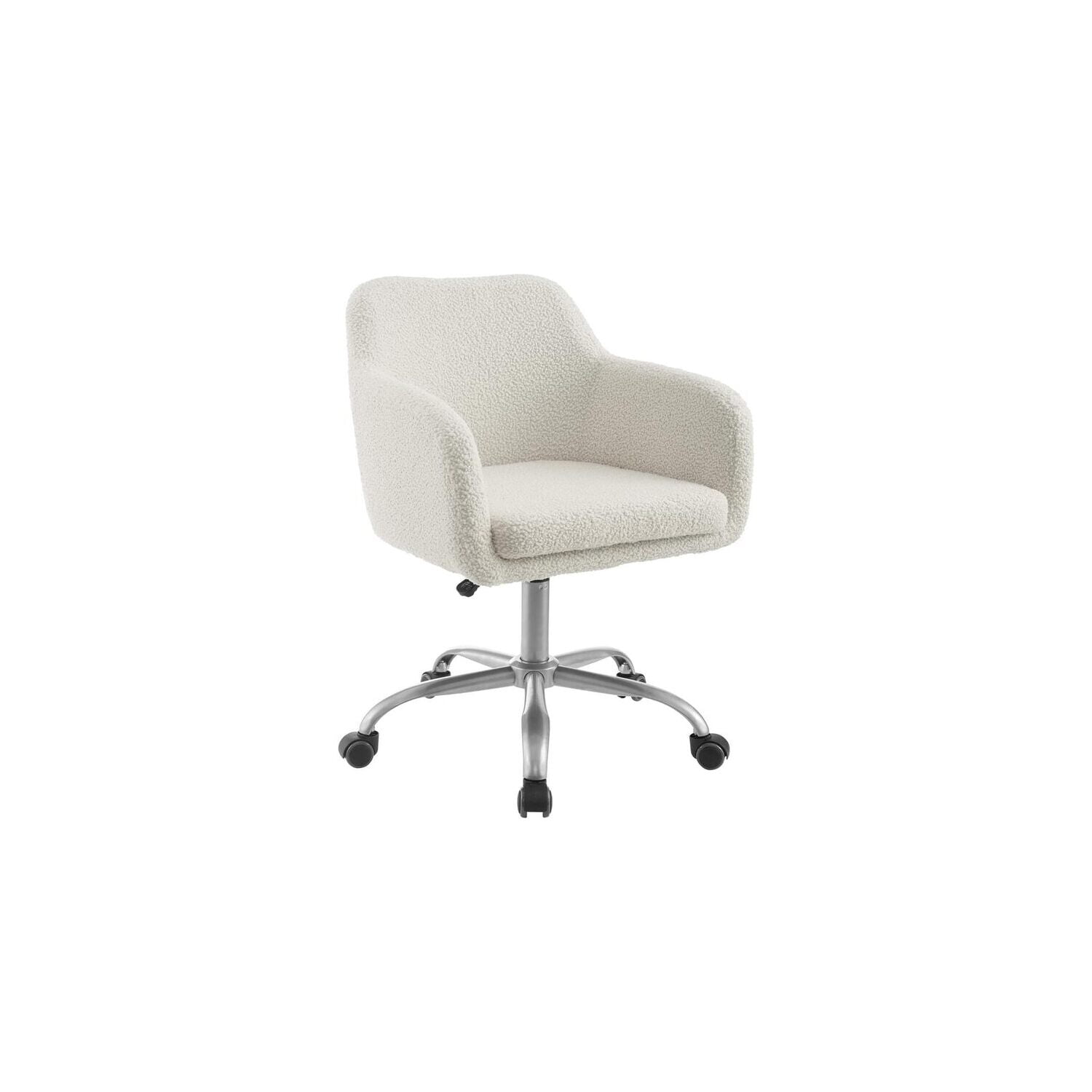
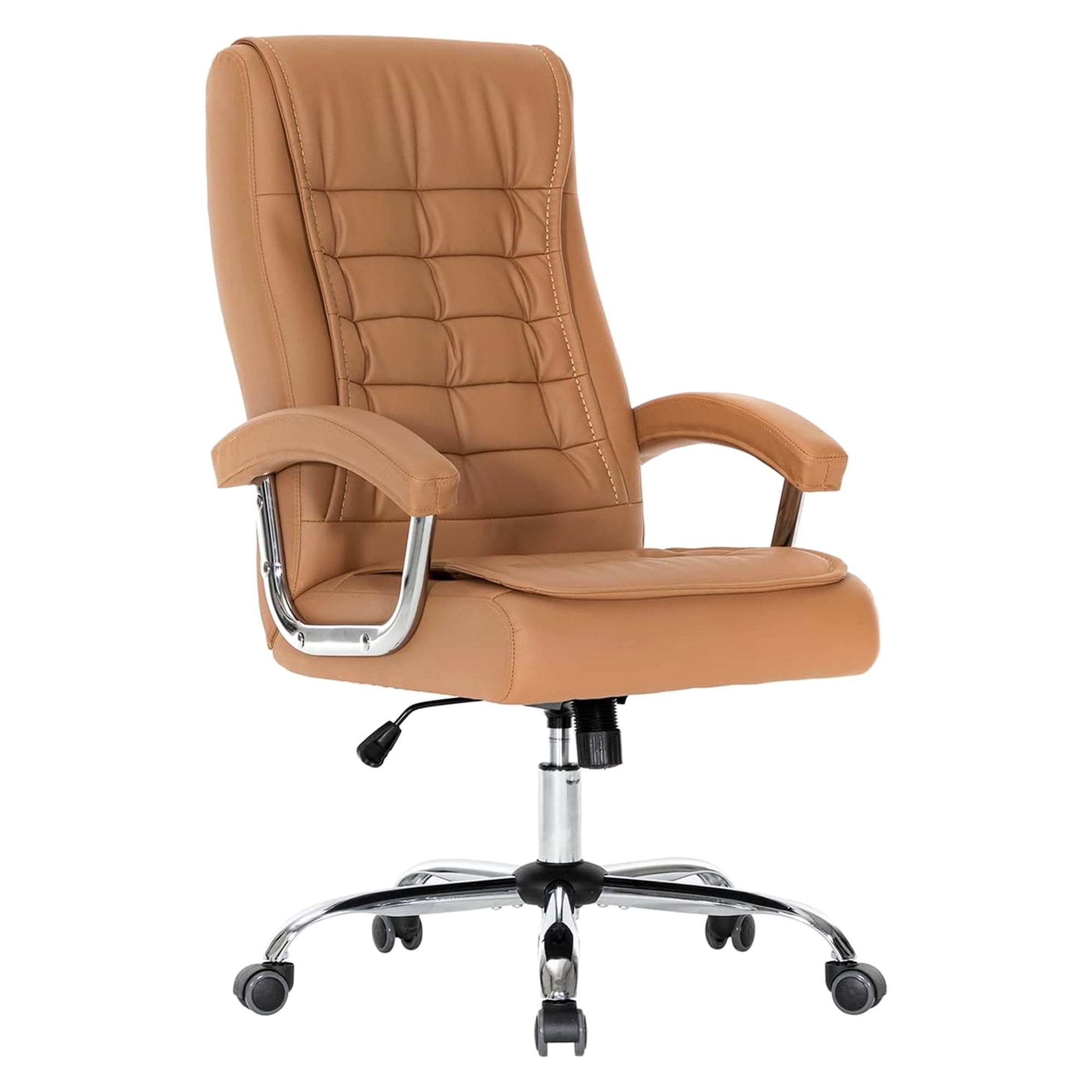
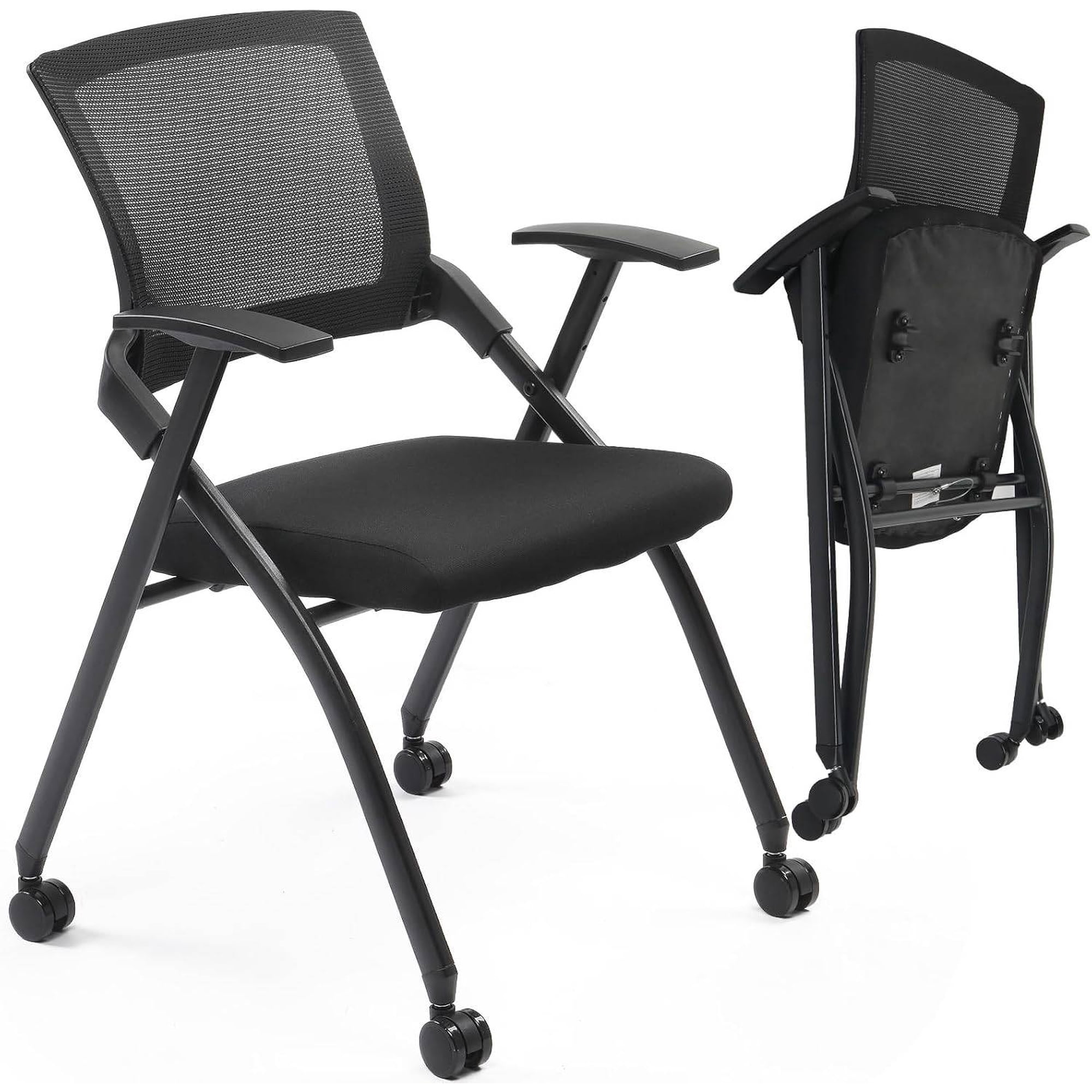
All chairs shown in the product grid above meet these standards.