
Why an Upholstered Office Chair with Wheels is a Game-Changer for Your Workspace
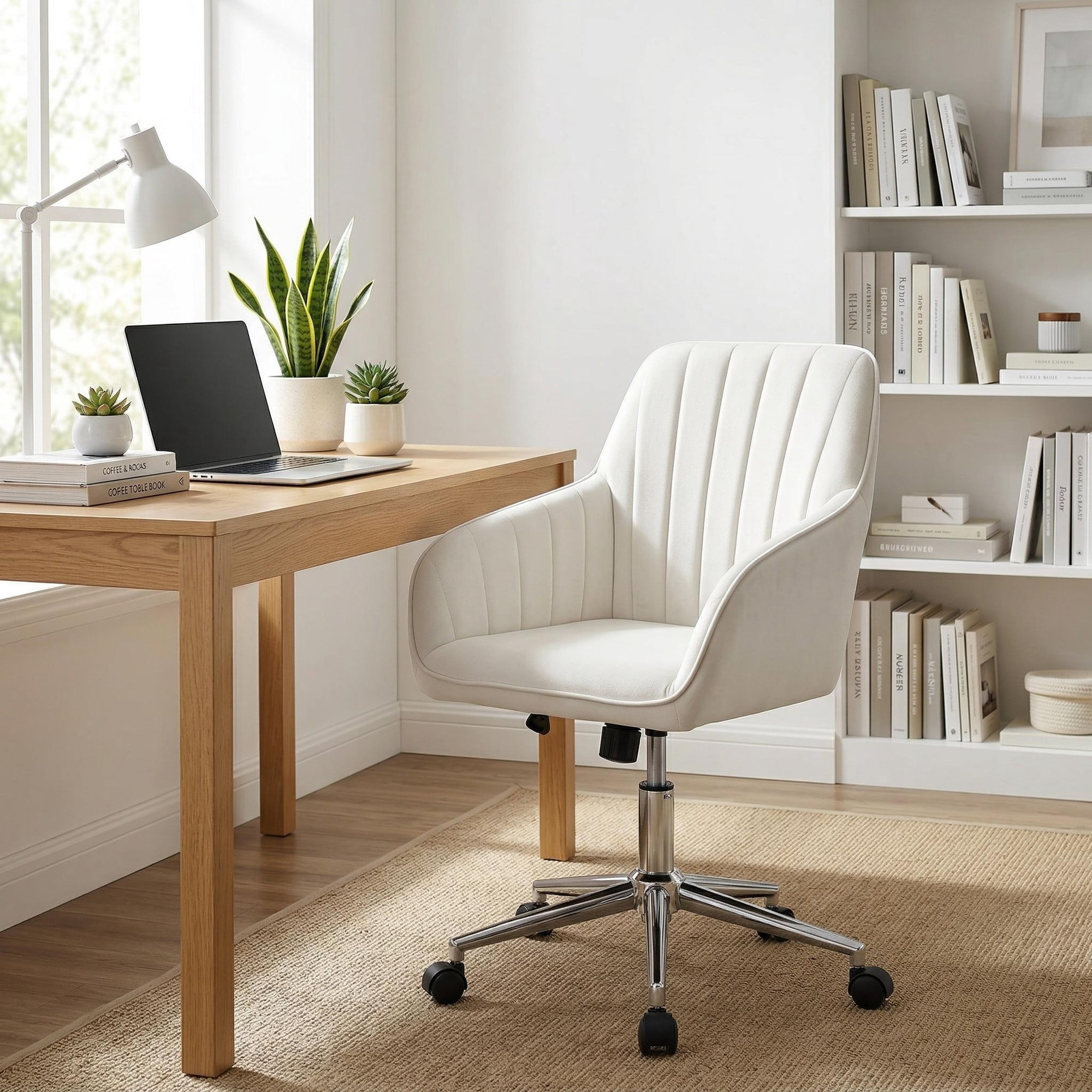
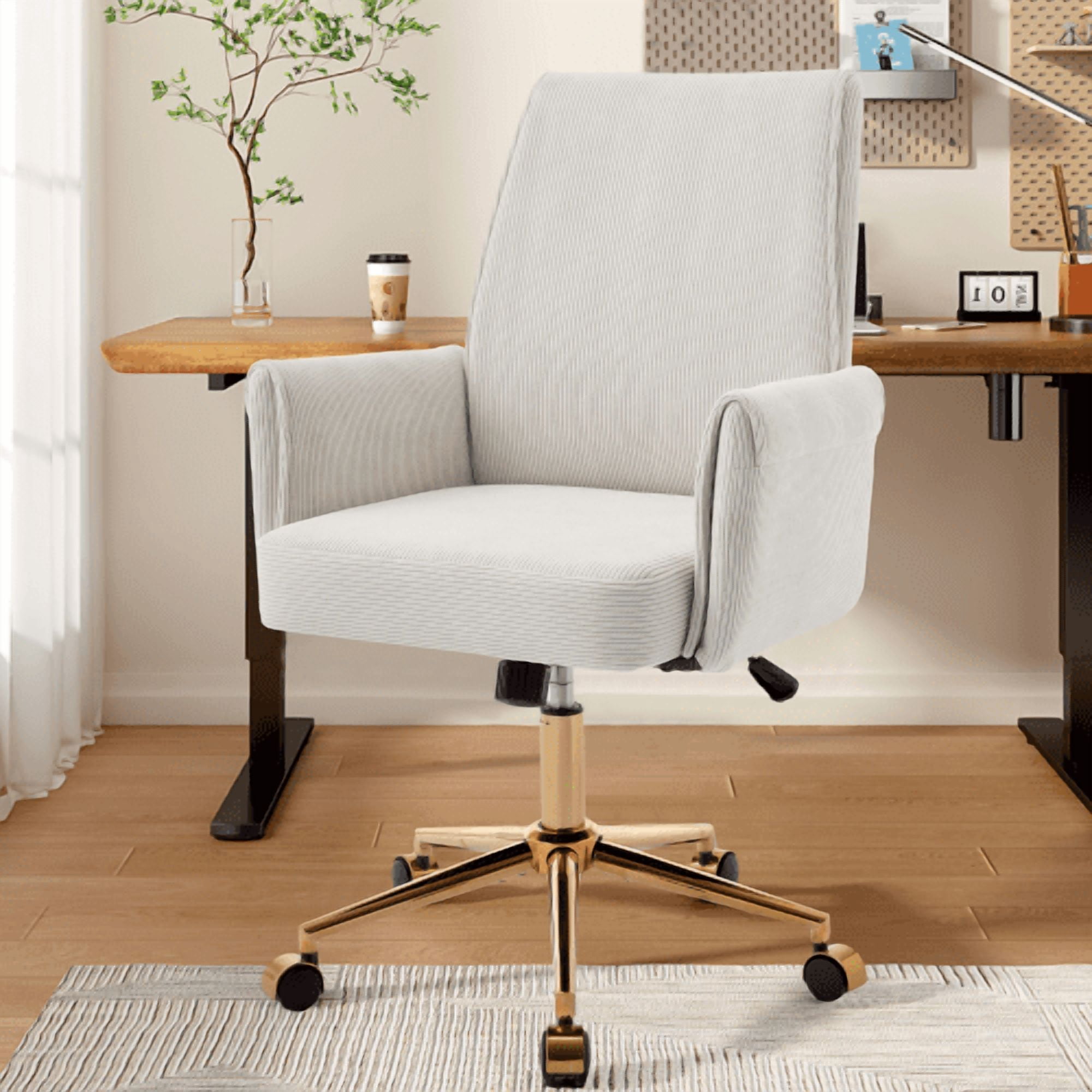
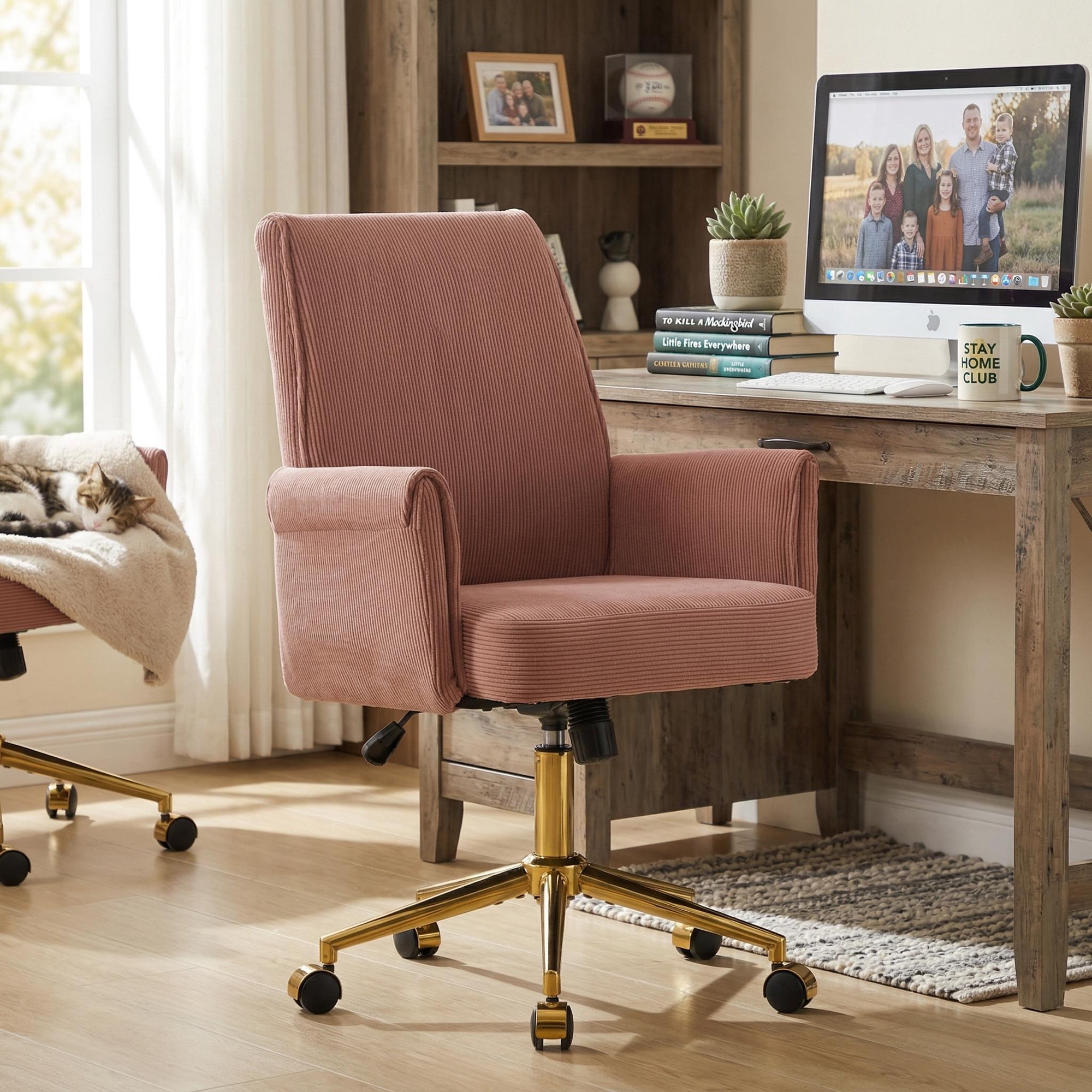
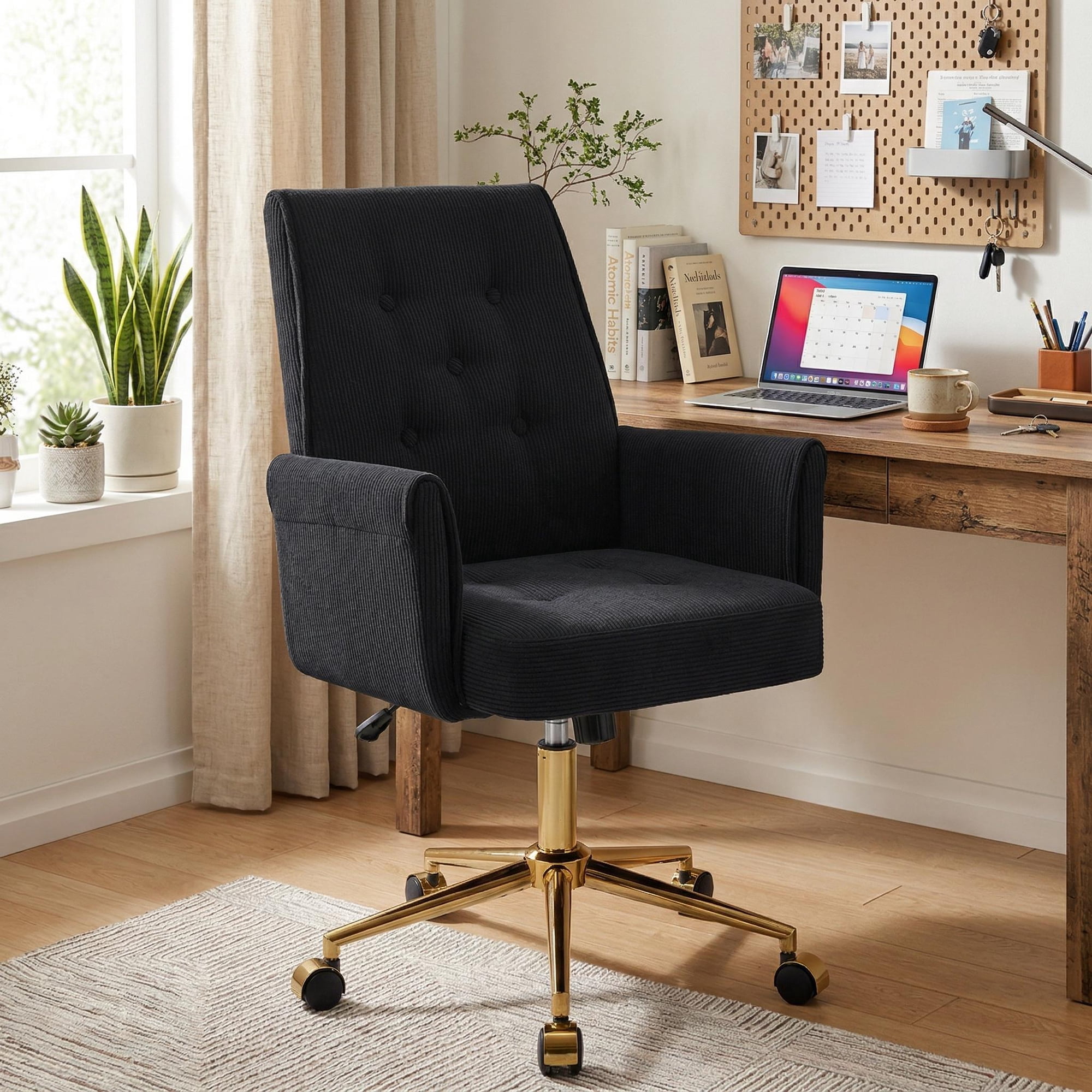
Imagine sinking into a chair that feels like a supportive cloud, yet rolls effortlessly across the floor as you transition from typing a report to joining a video call. That's the magic of a well-chosen upholstered office chair with wheels. Unlike stark mesh or rigid leather alternatives, these chairs wrap you in cushioning, making long workdays feel less taxing. They bring a sense of warmth and homeliness to a home office while providing the necessary mobility of a traditional task chair.
For many, the office is no longer a sterile corporate environment; it's a corner of the living room, a dedicated den, or a home library. In these spaces, a chair covered in fabric, velvet, or soft weave doesn't just look better—it feels better. It invites you to sit down and focus. But with so many fabric types, padding densities, and wheel options, how do you choose the right one? This guide will walk you through everything you need to know, ensuring your next chair purchase is both stylish and supremely comfortable.
The Anatomy of a Superior Upholstered Office Chair
To understand what makes a great upholstered chair, we need to look beyond the surface. It's not just about the fabric; it's about what lies beneath. Think of a quality chair like a well-made mattress—the layers work together to provide support where you need it and softness where you want it. Let's dissect the key components.
1. The Heart of the Chair: Foam Density and Types
The "squishy" feeling you love comes from the foam, but not all foam is created equal. The single most important factor for longevity is foam density. High-density foam (often measured in pounds per cubic foot) resists sagging and maintains its shape for years. Low-density foam might feel soft initially, but like a cheap sofa, it will develop permanent body impressions within months.
- High-Density Polyurethane Foam: The industry standard for quality. It offers a firm yet forgiving support, perfect for all-day seating. Look for chairs that specifically mention "high-density" or "HR (High Resilience) foam."
- Memory Foam: Some premium chairs incorporate a top layer of memory foam. This heat-sensitive material molds to your unique shape, offering personalized contouring and pressure relief. It's excellent for those with hip or lower back sensitivity. However, it can sometimes feel warm.
- Injected Foam vs. Cut Foam: Higher-end chairs use injected foam that is poured into the seat mold, creating a seamless, durable cushion that won't shift or separate. Cut foam is a less expensive, slab-like alternative.
Analogy: Choosing a chair based only on the initial softness is like buying a car based solely on the paint color. The foam is the engine—it determines performance and longevity.
2. Fabric Families: Finding Your Perfect Texture
The upholstery is your interface with the chair. It affects comfort, breathability, and the overall aesthetic. Here’s a breakdown of popular options:
Performance Polyester / Olefin
Best for: Homes with kids, pets, or a risk of spills.
- • Incredibly stain-resistant and durable.
- • Often solution-dyed, meaning the color is part of the fiber, so it resists fading.
- • Can mimic the look of natural fibers like wool or linen.
Velvet / Chenille
Best for: Adding a touch of luxury and a soft, tactile experience.
- • Incredibly soft and inviting.
- • Adds depth of color and a sophisticated, modern aesthetic.
- • Can show wear patterns (tracking) over time. Best for lower-traffic home offices.
Linen / Cotton Blends
Best for: A natural, breathable, and casual or coastal look.
- • Highly breathable, keeping you cool.
- • Eco-friendly options are available.
- • Can wrinkle and stain more easily; often requires professional cleaning.
Mesh & Fabric Hybrids
Best for: Those who want back breathability with seat cushioning.
- • Mesh back keeps your spine cool.
- • Upholstered seat provides comfort for the thighs and sit bones.
- • A best-of-both-worlds solution for long work hours.
3. The Foundation: Internal Frame and Mechanism
A beautiful chair that wobbles is useless. The internal frame is typically made of wood or metal. A hardwood frame (like birch or beech) or a reinforced steel frame is a sign of a chair built to last. The tilt mechanism—whether it's a simple swivel, a synchro-tilt, or a multi-lock recline—should feel smooth and solid. Test for any play or creaking, as this indicates poor construction.
According to a 2023 survey by the American Home Furnishings Alliance, 78% of office workers ranked "sturdiness and no wobble" as a top-three priority when selecting a new desk chair, even above aesthetics.
More Than Just Padding: Wheels, Bases, and Ergonomics
An upholstered office chair with wheels is a mobile workstation. The wheel and base system is critical for both safety and ease of movement.
Choosing the Right Casters for Your Floor
This is a detail many overlook, but it's vital.
- Hard Floor Casters (often polyurethane): These have a soft, rubber-like tread that rolls smoothly and silently on tile, hardwood, and laminate without leaving marks or scratches. 👉 If you have hard floors at home, this is non-negotiable.
- Carpet Casters (often hard nylon): Designed to roll easily on carpet fibers without getting stuck. The harder material digs in just enough to gain traction.
- Dual-Wheel Casters: Most modern chairs use these. They distribute weight more evenly and provide a smoother roll than single-wheel casters.
The Five-Star Base: Stability is Key
Almost all office chairs use a five-point base. This design provides maximum stability against tipping. The base material matters too:
- Nylon/Plastic Bases: Common in budget to mid-range chairs. They are lightweight and functional but can feel less premium.
- Metal Bases (polished aluminum or painted steel): Found on higher-end chairs. They are heavier, more durable, and add a significant amount of stability and a professional look. A metal base is a strong indicator of a chair's overall quality.
Keeping Your Upholstered Chair Pristine: A Simple Care Routine
The biggest fear with fabric chairs is staining. With a proactive approach, you can keep your chair looking new for years. Think of it like maintaining a nice car—regular care prevents major issues.
- Weekly Vacuuming: Use your vacuum's upholstery attachment to remove dust, crumbs, and pet hair. This prevents particles from grinding into the fabric and causing wear. Pay special attention to the creases and the back of the chair.
- Immediate Blotting: Spills happen. The moment something spills, grab a clean, dry, absorbent cloth and blot, don't rub. Rubbing spreads the liquid and pushes it deeper into the foam.
- Deep Cleaning (Every 3-6 months): For most synthetic fabrics, a gentle cleaner like a specialized upholstery foam or a solution of warm water and a drop of mild dish soap can work wonders. Apply with a soft cloth, work gently, and then "dry" the area by blotting with a towel. For natural fibers like linen, professional cleaning is safer.
- Fabric Protection: Consider applying a fabric protector spray (like Scotchgard) designed for upholstery. This creates an invisible barrier that gives you more time to blot spills before they absorb.
Pro Tip: Always check the manufacturer's care tag (usually found under the seat) before using any cleaning product. This tag will provide specific cleaning codes (e.g., W = water-based cleaner only, S = solvent-based cleaner only).
Upholstery Comparison: Making the Right Choice
| Fabric Type | Durability (Martindale Rub Test) | Comfort Feel | Maintenance | Best Office Vibe |
|---|---|---|---|---|
| Performance Polyester | Excellent (50,000+ rubs) | Smooth, crisp | Very Easy (stain-resistant) | Modern, family-friendly |
| Velvet | Good (25,000-40,000 rubs) | Soft, plush, luxurious | Moderate (requires gentle care) | Glamorous, creative, boudoir |
| Linen/Cotton Blend | Moderate (15,000-25,000 rubs) | Breathable, natural | Moderate to Difficult | Casual, coastal, minimalist |
| Mesh Hybrid | Very Good (mesh is highly durable) | Cool back, padded seat | Easy (mesh is easy to wipe) | Tech-forward, ergonomic |
*The Martindale rub test is the industry standard for measuring fabric durability. Higher numbers mean the fabric can withstand more abrasion before showing wear.
Final Thoughts: Your Journey to the Perfect Seat
Choosing an upholstered office chair with wheels is a personal journey. It's about balancing the tactile comfort you crave with the practical support your body needs. By understanding the layers of foam, the nuances of different fabrics, and the importance of a sturdy base and appropriate wheels, you are now equipped to make an informed decision.
Remember, this chair is an investment in your daily well-being. A chair that welcomes you to sit down and makes you feel supported can transform your work experience from a grind into a pleasure. Take your time, consider the options above, and look forward to many productive and comfortable hours in your new favorite spot.