
Your Home Office Deserves a Chair That Works as Hard as You Do
The line between work and home has never been blurrier. For millions of professionals, the dining table or a spare corner has become the daily command center. But here’s the catch: a kitchen chair or a flimsy $50 special from a big-box store simply isn’t built for eight hours of focus. Investing in a quality at home office chair isn't a luxury—it's a necessity for your health, focus, and even the longevity of your furniture. Think of it as the foundation of your remote work setup: just like a good mattress supports sleep, a great chair supports your entire workday.
Why it matters: The average remote worker spends 1,900 hours per year in their home office chair. A study by the American Posture Institute found that 68% of remote employees report new or worsened back pain since working from home. The right chair is your first line of defense.
Anatomy of a Perfect At Home Office Chair: What to Look For
Unlike a corporate office where chairs are often one-size-fits-all, your home office is personal. Your chair must adapt to your body, your work style, and your home decor. Let's break down the essential components that separate a good chair from a great one.
1. Ergonomic Adjustability: The "Goldilocks" Principle
A chair that doesn't adjust to you is just a seat. True ergonomics mean you can fine-tune multiple points. Look for these non-negotiable adjustments:
- Seat Height: Pneumatic adjustment is standard. Your feet should rest flat, knees at a 90-degree angle.
- Lumbar Support: This supports the inward curve of your lower back. Ideally, it should be adjustable in height and depth. Some chairs use a tension dial, others have a moving pad.
- Seat Depth (Slide): Crucial for thigh support. You should have 2-3 finger widths between the back of your knee and the seat edge.
- Armrests (4D): The best home office chairs allow you to move armrests up/down, left/right, forward/back, and even pivot. This lets you keep elbows at 90 degrees, shoulders relaxed.
- Recline Tension & Lock: You should be able to rock back and lock the chair in multiple positions to change posture throughout the day.
Analogy: Think of these adjustments like the settings on a high-end espresso machine. Individually they do little, but when dialed in together, they create the perfect brew—or in this case, the perfect sitting posture.
2. Material Matters: Leather, Mesh, or Fabric?
Your choice here affects comfort, maintenance, and how the chair blends with your home.
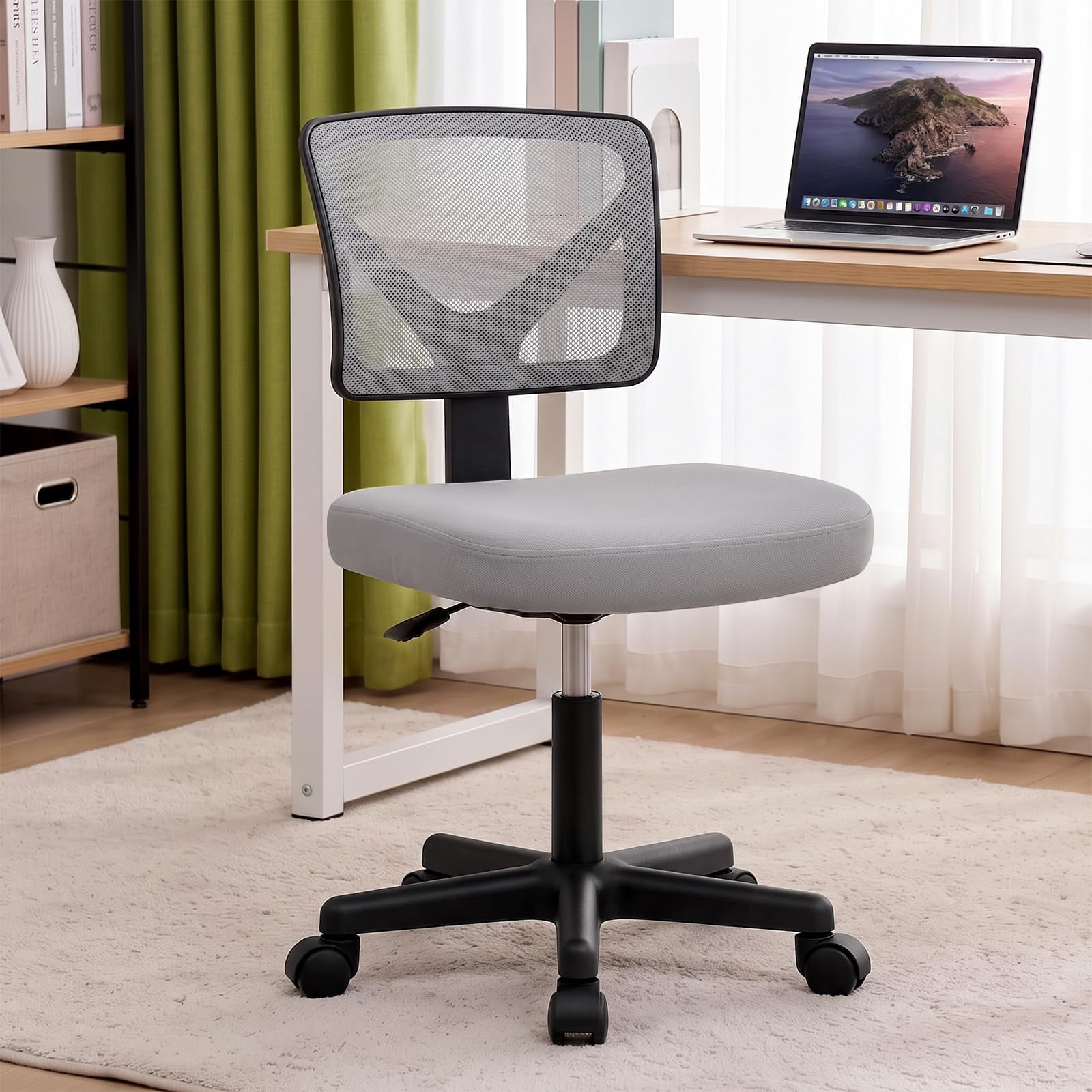
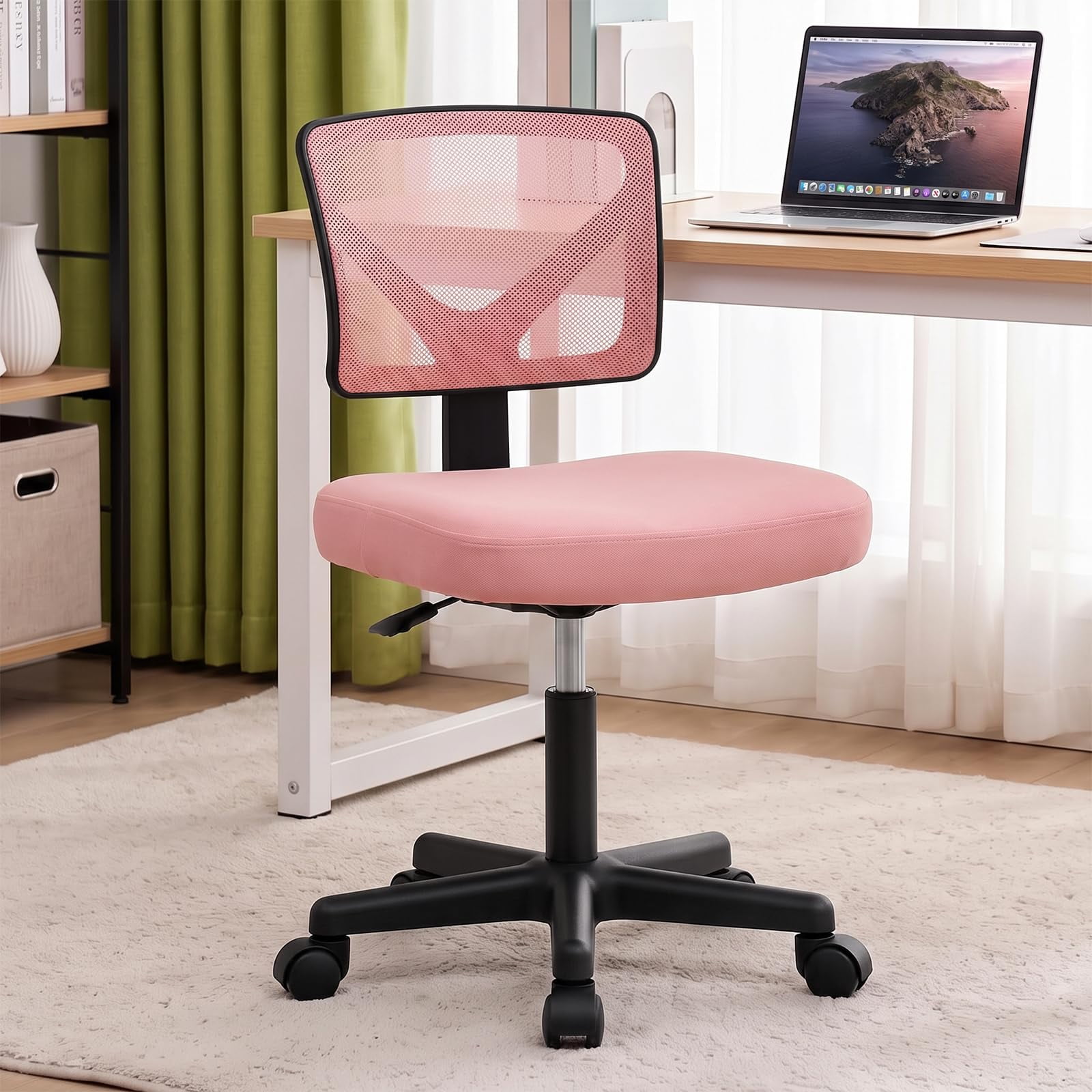
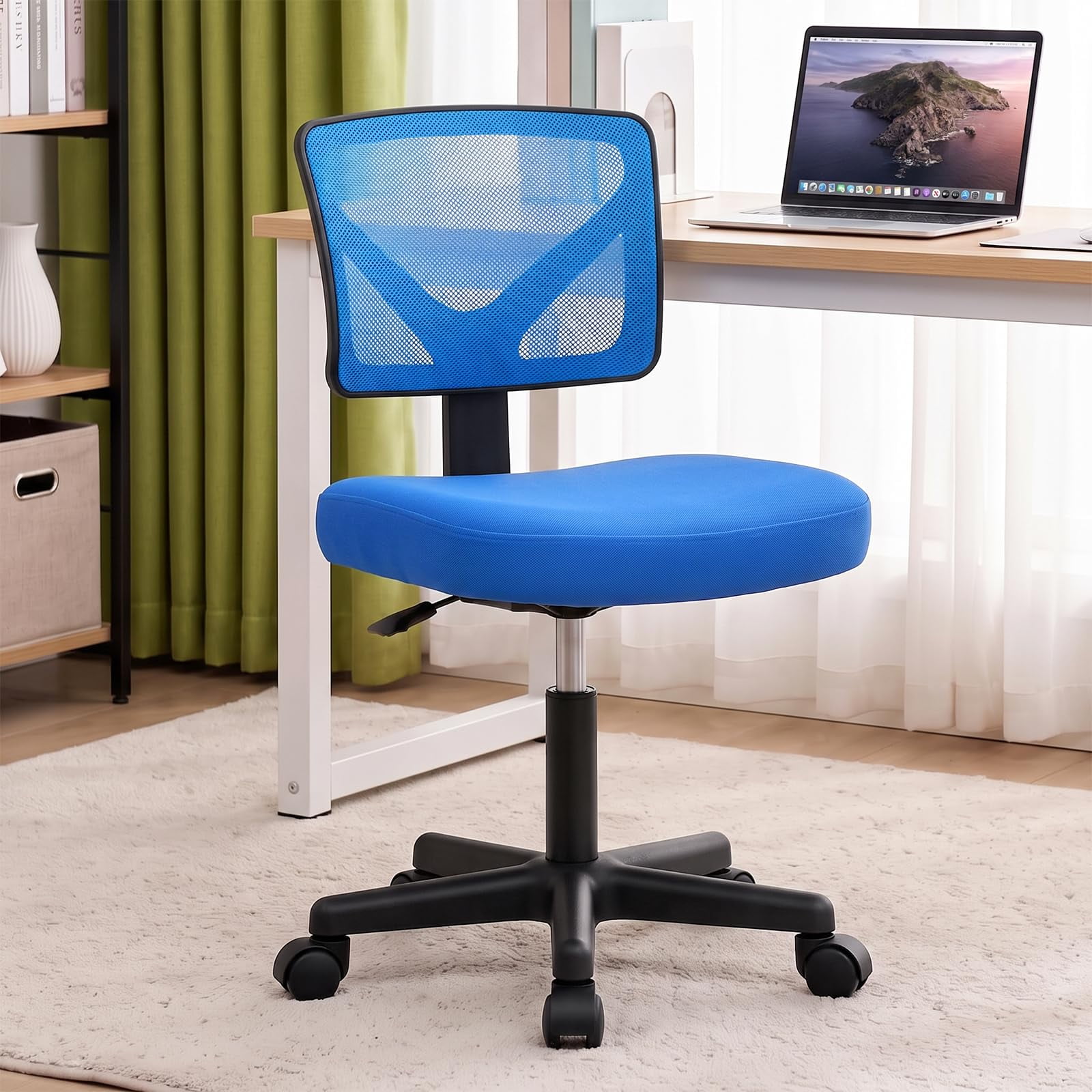
- Breathable Mesh: Ideal for home offices in warm rooms or for those who run hot. It prevents sweat and keeps you cool. However, cheaper mesh can sag over time. Best for: long work hours, warmer climates.
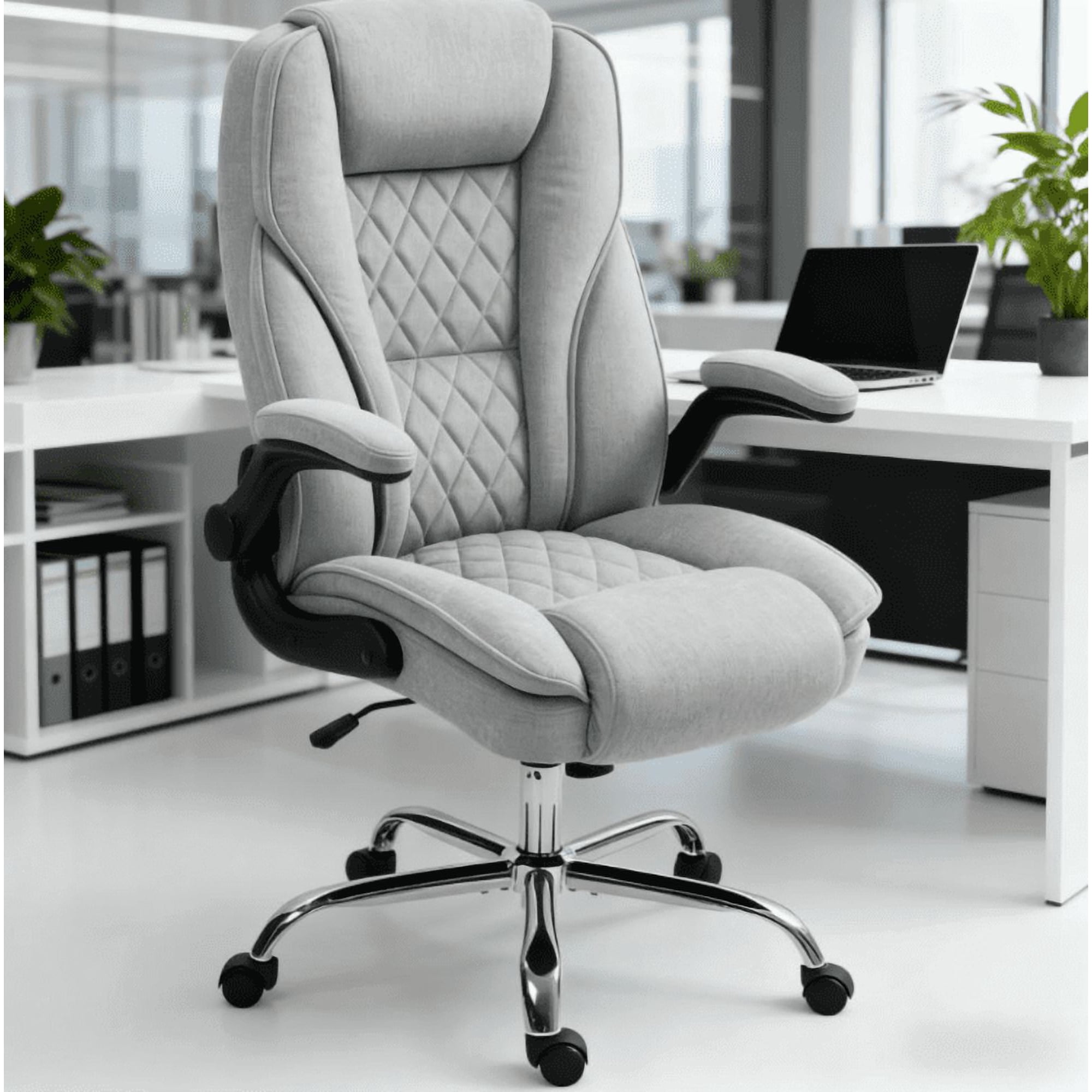
- Premium Fabric: Offers a softer, warmer feel and comes in countless colors and patterns (from bouclé to tweed) to match your decor. It's cozy but can absorb spills. Best for: style-conscious users, cooler spaces.
- Leather/Faux Leather: Exudes a classic, executive look. It's easy to wipe clean—great if you eat at your desk. The downside? It can be sticky in summer and cold in winter unless the room is climate-controlled. Best for: a polished aesthetic, easy cleanup.
3. Base and Casters: Stability and Floor Protection
This is where many overlook quality. A five-point base (almost always metal for durability) provides stability. The casters (wheels) are critical for your home flooring:
- Hardwood/Tile/Laminate: Look for soft rubber casters (often marked "hard floor casters") to prevent scratches.
- Carpet: Harder plastic casters roll easier on thick carpet. Some chairs now offer roller-blade style wheels that glide smoothly on both surfaces.
Pro Tip: If you have a beautiful hardwood floor, a clear polycarbonate chair mat can protect it while allowing easy rolling, even with standard casters.
Matching Your At Home Office Chair to Your Space and Work Style
Unlike a sterile office, your home reflects your personality. Your chair should complement both your work tasks and your living environment. Here’s a practical guide based on common home office scenarios.
The "Small Space" Solution: Compact and Multi-Functional
Not everyone has a dedicated home office. If your workspace is a corner of the living room or bedroom, size matters. Look for chairs with:
- Smaller footprint: A narrower base (27 inches or less) and a lower back height.
- Clean lines: A minimalist design that doesn’t visually clutter the room.
- Easy mobility: Lightweight so you can tuck it under a desk or move it aside when not working.
Great options: "Small home office chairs" or "desk chairs for small spaces" often feature a mesh back to reduce visual weight and have adjustable arms that flip up, allowing you to slide the chair fully under the desk.
The "All-Day Worker": Prioritizing Advanced Ergonomics
For those logging 8+ hours of deep work, focus on chairs that offer "continuous comfort." Key features include:
- Synchronous Tilt Mechanism: This allows the seat and backrest to move in a natural ratio (usually 2:1 or 3:1) as you recline, keeping you supported and preventing your shirt from pulling out.
- Adjustable Headrest: If you tend to lean back while on calls or thinking, a headrest supports your neck and prevents "tech neck."
- Waterfall Seat Edge: This curved front edge relieves pressure on the backs of your thighs, improving blood circulation during marathon work sessions.
The "Dual-Purpose" Aesthetic: When the Office is Also Your Living Space
More people want their home office gear to look like furniture, not just office equipment. This has led to a boom in stylish designs:
- Velvet and Bouclé: These textured fabrics add warmth and are trending in modern home decor. They soften the "office" look.
- Wooden Accents: Chairs with wooden armrests or bases (like oak or walnut) bring a natural, Scandinavian feel.
- Mid-Century Modern Vibes: Think tapered legs, button-tufted backs, and classic silhouettes in leather or fabric.
Data point: According to interior design trends in 2024, 45% of home office buyers prioritize "style" equally with "comfort," a significant jump from previous years. Your chair can now be a statement piece.
Step-by-Step Guide to Choosing Your Ideal Chair
Follow this simple process to narrow down the hundreds of options and find the one that's right for you.
- Measure Your Space: Note the width, depth, and height clearance under your desk. Also, measure from the floor to your desk underside to ensure the chair's armrests will fit.
- Identify Your "Pain Points": Do you have lower back ache? Neck stiffness? Numb legs? Target chairs with specific support for those areas (e.g., aggressive lumbar, a headrest, waterfall seat).
- Set a Realistic Budget: Good home office chairs start around $200-$300 for decent ergonomics. For premium materials and advanced mechanisms, budget $500-$900.
- Read Verified Reviews (with caution): Look for patterns in reviews—many mentions of "sagging after 6 months" or "excellent back support" are reliable. Ignore one-off complaints.
- Check the Warranty and Return Policy: A 5-year warranty on parts and a 30-day return window (even if restocking fee applies) shows the manufacturer stands behind the product. Some brands like Clatina or Flexispot offer excellent value with solid warranties.
Quick Comparison: Home Office vs. Corporate vs. Gaming Chairs
| Feature | At Home Office Chair | Traditional Office Chair | Gaming Chair |
|---|---|---|---|
| Design Focus | Ergonomics + Home Decor | Functionality & Durability | Aggressive "Racer" Style |
| Typical Materials | Mesh, fabric, premium leather, velvet | Commercial-grade mesh or fabric | Faux leather (PU), bright colors |
| Adjustability | Good to excellent (varies by price) | Excellent (often highly customizable) | Good (tilt, height, 2D/4D arms) |
| Lumbar Support | Integrated adjustable or separate cushion | Advanced, often built-in and dynamic | Usually a separate pillow |
| Best For | Blending work with living space | 9-5 heavy use in a corporate setting | Long sessions with a "cockpit" feel |
Why the Right Chair is a Long-Term Investment in Your Health
Consider this: a quality at home office chair costing $600, used for 5 years, costs about 33 cents per workday. The cost of a single physiotherapy session for back pain can be $100 or more. The math is simple. Beyond finances, the comfort translates directly into better focus. When you're not shifting uncomfortably every 20 minutes, your brain can dedicate 100% of its power to your tasks.
Furthermore, a chair that supports good posture helps maintain open airways (better breathing and oxygen flow) and can even reduce eye strain by keeping you at the correct distance and height relative to your monitor. It’s a holistic tool for well-being.
Frequently Asked Questions About At Home Office Chairs
Conclusion: Build Your Perfect Work-From-Home Sanctuary
Choosing the right at home office chair is a personal journey. It's about understanding your body, your workspace, and your work habits. There's no single "best" chair for everyone, but there is a perfect chair for *you*. Start by identifying your must-have features—whether it's breathable mesh for hot days, a compact design for a small apartment, or luxurious leather to impress video call clients. Use the guides above to filter your options, read reviews, and if possible, test a few models. Remember, this is the seat that will support your career from home. Make it a good one.