
Why Back Support Matters in an Office Chair
If you spend more than six hours a day sitting, your office chair is either your best ally or your worst enemy. The top rated office chairs for back support are designed to do more than just hold you up—they actively promote a healthy posture, reduce muscle fatigue, and prevent the chronic pain that plagues millions of desk workers.
Research Insight: The American Chiropractic Association reports that back pain is the leading cause of disability worldwide, and poor seating is a major contributor. Investing in a chair with proper lumbar support can reduce lower back strain by up to 40% and improve focus by 35%.
Think of your spine as a suspension bridge. When the cables are properly tensioned, the bridge stands strong. When they slacken or get too tight, the structure suffers. A good ergonomic chair acts as the tension system for your spine, keeping your vertebrae aligned and your muscles relaxed.
Key Features of Top-Rated Back Support Chairs
What separates a mediocre chair from a truly supportive one? These are the features that the best chairs share:
- Dynamic Lumbar Support: Adjusts to the natural curve of your lower back, not just a fixed bump.
- Seat Depth Adjustment: Allows you to position the seat so you can sit with your back against the backrest while leaving 2-3 inches between your knees and the seat edge.
- Multi-Directional Armrests: Reduce shoulder tension and prevent hunching.
- Synchro-Tilt Mechanism: Lets you recline while maintaining a consistent angle between the seat and backrest.
- Breathable Material: Prevents heat buildup and sweating, which can lead to fidgeting and poor posture.
Anatomy of a Back-Supportive Chair
To choose wisely, you need to know what you're looking for. Here's a breakdown of the critical components:
| Component | Why It Matters for Back Support | What to Look For |
|---|---|---|
| Lumbar Support | Prevents lower back slouching, reduces disc pressure | Adjustable height and depth; active/dynamic support |
| Seat Pan | Supports thighs and pelvis, distributes weight evenly | Waterfall edge, depth adjustment, medium-firm foam |
| Backrest | Provides upper back and shoulder support | Height-adjustable, contour shape, flexible frame |
| Tilt Mechanism | Encourages movement, reduces static load | Multi-lock, tension adjustable, synchro-tilt |
| Base & Casters | Stability and mobility without strain | 5-star base, smooth-rolling casters (hardwood-friendly) |
Health Benefits of Using a Supportive Chair
A chair with proper back support is not a luxury—it's a health investment. Here's what you gain:
Reduced Pain
Lower back pain decreases by up to 60% when lumbar support is properly adjusted to your spine's curve.
Better Circulation
Waterfall seats and adjustable depth prevent thigh compression, improving blood flow to the legs.
Enhanced Focus
Less discomfort means fewer distractions—you can stay in the zone for longer periods.
Long-Term Spine Health
Proper alignment reduces wear on spinal discs, helping you avoid costly medical issues down the line.
Choosing the Right Chair for Your Body Type
No two backs are the same. That's why the top rated office chairs for back support offer extensive adjustability. Here's a quick guide based on body type:
- Petite or short stature: Look for chairs with lower seat heights (15-18 inches) and a backrest that can be adjusted downward. Avoid chairs that force your feet to dangle.
- Tall individuals: Seek chairs with high backrests (over 24 inches) and seat depth of at least 18 inches. Adjustable armrests are crucial to avoid hunching.
- Plus-size / Big & Tall: Choose chairs with weight capacities over 350 lbs, wider seat pans (20+ inches), and reinforced bases.
- Those with active jobs: If you're constantly moving between tasks, prioritize a chair with good swivel and tilt tension for easy transitions.
Pro Tip: The best way to judge a chair is to test it for at least 15 minutes. Pay attention to pressure points—if your tailbone or thighs feel uncomfortable after a few minutes, that chair isn't right for you.
Comparing Materials: Which Supports Better?
The material of your chair affects not only comfort but also how well it supports your back over time.
| Material | Support Quality | Durability | Best For |
|---|---|---|---|
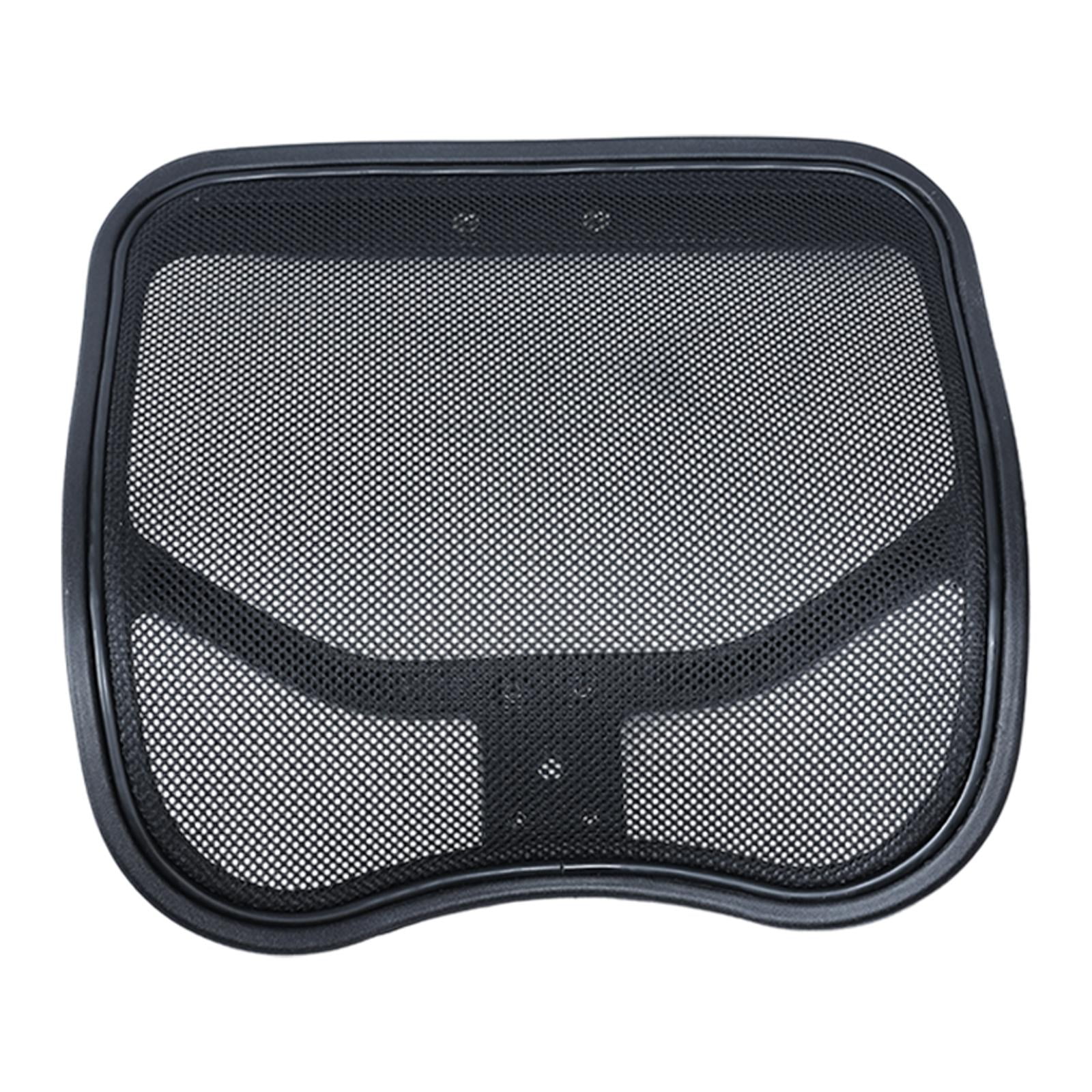
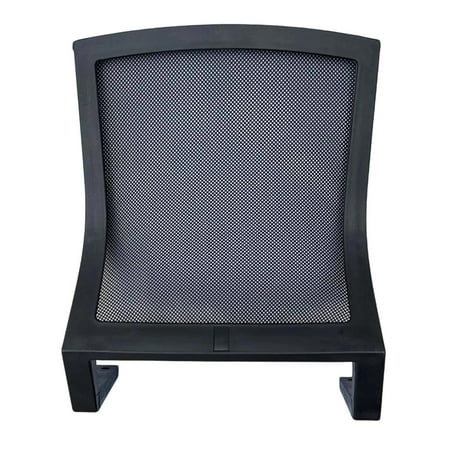
| Premium Mesh | Excellent—conforms to spine, breathable | High (7-10 years) | Warm climates, long hours, tech professionals |
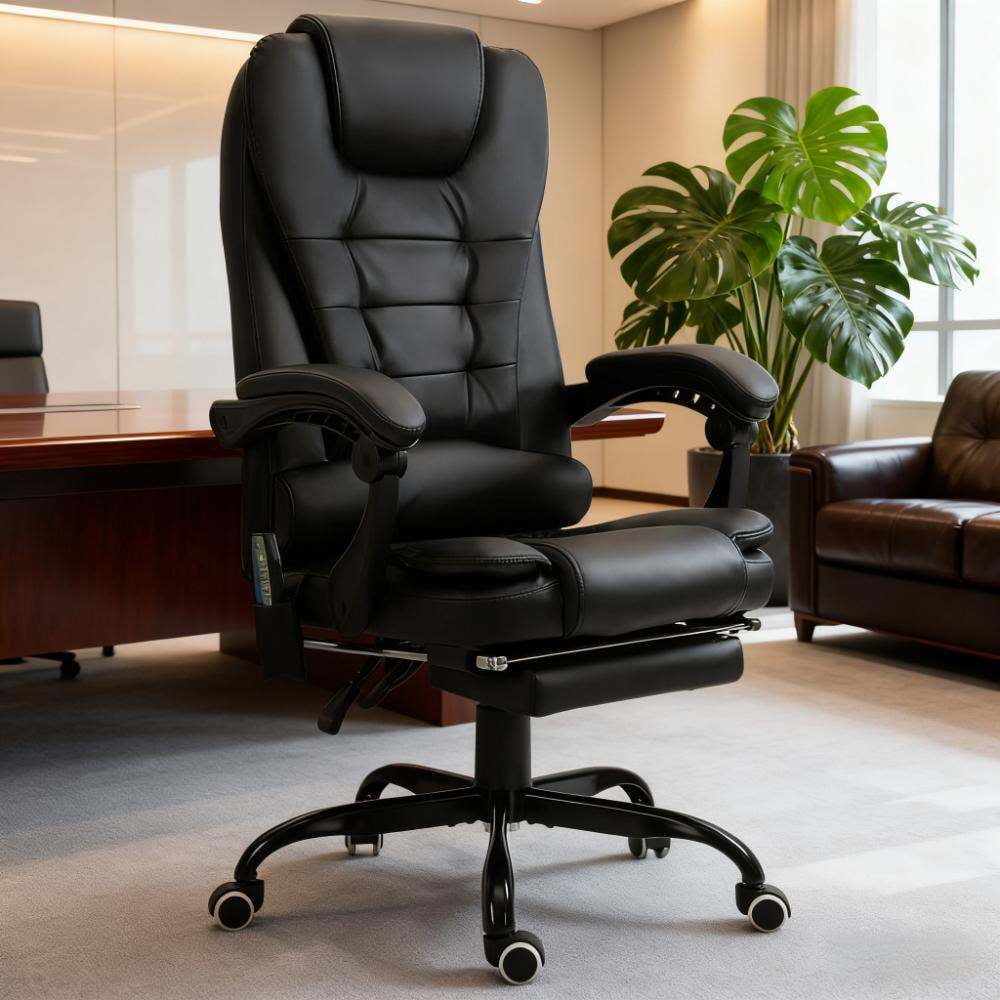
| Top-Grain Leather | Good—firm yet flexible, molds over time | Very High (10-15 years) | Executive offices, traditional decor, colder climates |
| High-Quality Fabric | Good—soft but supportive, less slippery | Moderate (5-8 years) | Budget-conscious, creative offices, cozy feel |
| Faux Leather | Fair—stiff, less breathable | Low (2-4 years) | Short-term use, tight budgets |
Step-by-Step Guide to Finding Your Perfect Chair
Follow this practical roadmap to avoid buyer's remorse:
Assess Your Daily Sitting Habits
- Hours per day: More than 6 hours? Prioritize premium ergonomic features.
- Movement frequency: Do you fidget or shift often? A chair with a smooth tilt mechanism is ideal.
- Work setup: Are you on a laptop or dual monitors? This affects armrest height and seat position.
Define Your Pain Points
- Lower back pain: Focus on deep, adjustable lumbar support.
- Shoulder/neck tension: Choose a chair with a high back and adjustable headrest.
- Sciatica or leg discomfort: A waterfall seat edge and forward tilt are essential.
Set a Realistic Budget
Remember: a quality chair is a long-term investment. Here's what each tier typically offers:
- $150–$400: Basic ergonomics, limited adjustments, good for occasional use.
- $400–$900: Mid-range with solid lumbar support, better materials, and 3–5 year warranties.
- $900–$1,500+: Premium ergonomic chairs with all the adjustments, premium materials, and 10+ year warranties.
Test and Compare
If possible, visit a showroom to sit in several chairs. Otherwise, rely on detailed video reviews and return policies. Pay attention to: lumbar support at your natural curve, seat cushion firmness, and how easily you can adjust everything while seated.
Common Myths About Back Support Chairs
- Myth: "A firm chair is better for my back."
Fact: Your chair should have some give to conform to your spine. Too firm creates pressure points; too soft lacks support. - Myth: "All ergonomic chairs are the same."
Fact: There's a huge range in quality. Look for certifications like BIFMA and independent lab testing. - Myth: "I can fix back pain with a cushion alone."
Fact: While cushions help, they can't replace a well-designed chair's structural support.