
Why Finding the Right Office Chair is Like Choosing a Business Partner
Imagine spending eight hours a day with someone who either supports your every move or constantly holds you back. That’s your office chair. It’s not just a piece of furniture; it’s the silent partner in your daily productivity. A top-tier chair adapts to you, encouraging good posture and keeping you comfortable, while a poor one can lead to fatigue, distraction, and even chronic pain. With the rise of hybrid work, the line between office and home has blurred, making the quest for the top office chairs more important than ever. This guide will walk you through everything you need to know to choose a chair that feels custom-made for you, without the jargon and guesswork.
Did you know? A study by the American Journal of Preventive Medicine found that prolonged sitting is linked to increased risks of heart disease and diabetes. However, using an ergonomic chair that promotes movement and proper alignment can mitigate these risks by encouraging micro-movements and better circulation. The right chair isn't a luxury—it's a health tool.
Decoding the “Top Office Chair”: What Makes a Chair Stand Out?
The market is flooded with options, from budget-friendly finds to eye-wateringly expensive “executive” thrones. To cut through the noise, we focus on four core pillars that define a truly top-tier office chair: adjustability, material quality, ergonomic design, and long-term durability. Let's break down each one like a pro.
1. The Anatomy of Adjustability: More Levers, More Better?
A common misconception is that more adjustment levers automatically mean a better chair. The reality? It’s about the *quality* and *range* of those adjustments. Here are the critical adjustments found on the best chairs, and why they matter:
- Seat Height: Your feet should rest flat on the floor, with thighs parallel to the ground. Look for a pneumatic lift with a wide range (typically 16-21 inches).
- Seat Depth (Slide): This is often overlooked but vital. You should be able to fit 2-3 fingers between the back of your knee and the seat edge. A sliding seat pan accommodates different leg lengths.
- Lumbar Support (the game-changer): The best chairs offer not just height-adjustable lumbar support, but also *depth* adjustment. This pushes the support into the curve of your lower back, preventing slouching.
- Armrests (4D is the gold standard): “4D” means they adjust up/down, forward/back, left/right (width), and pivot. This allows you to keep your shoulders relaxed and elbows at a 90-degree angle.
- Tilt Tension and Lock: You should be able to rock comfortably and lock the chair in multiple positions. A good tilt mechanism supports movement throughout the day.
2. Material World: Mesh vs. Leather vs. Fabric – An Analogy
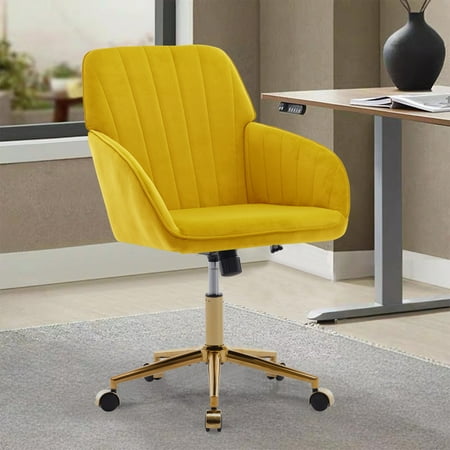
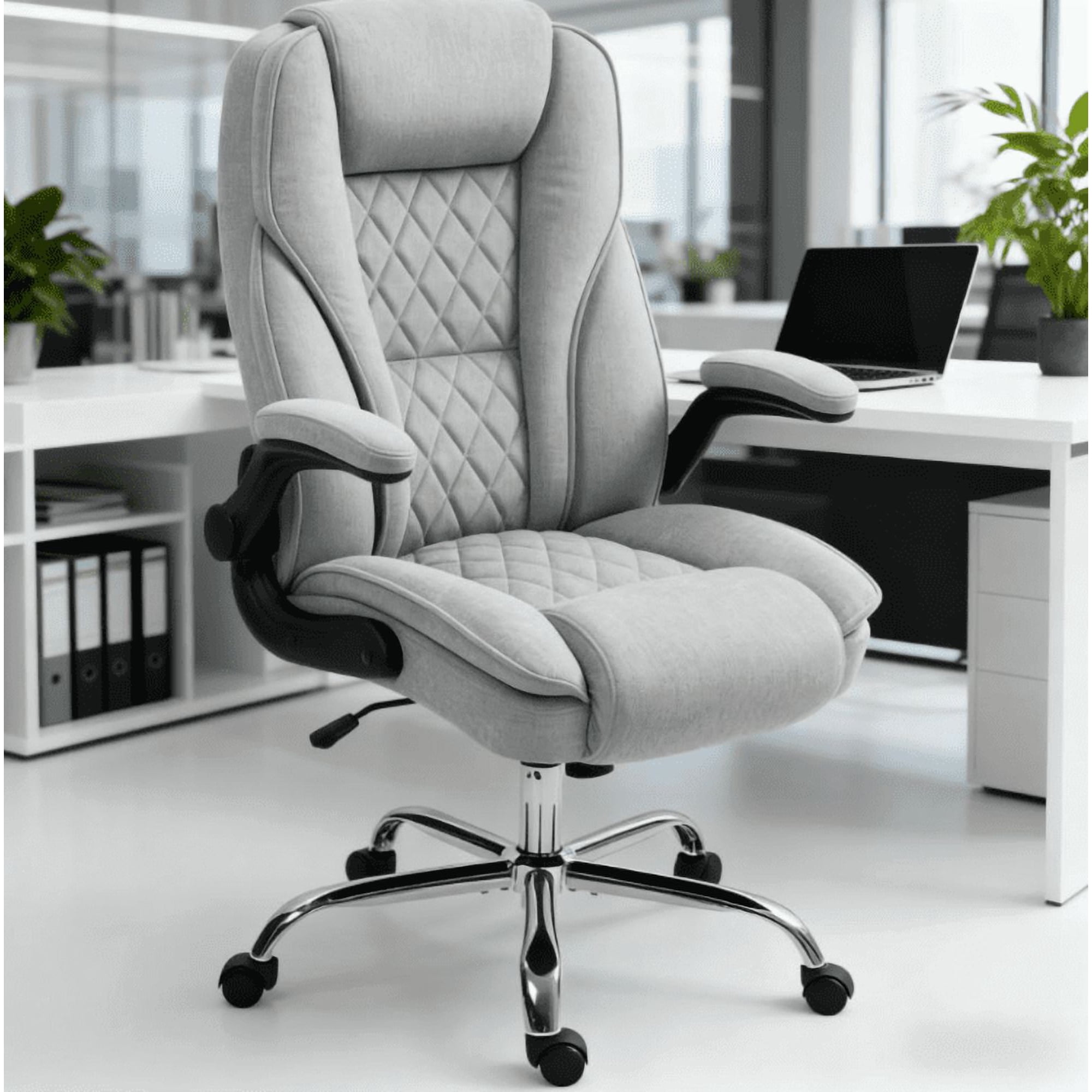
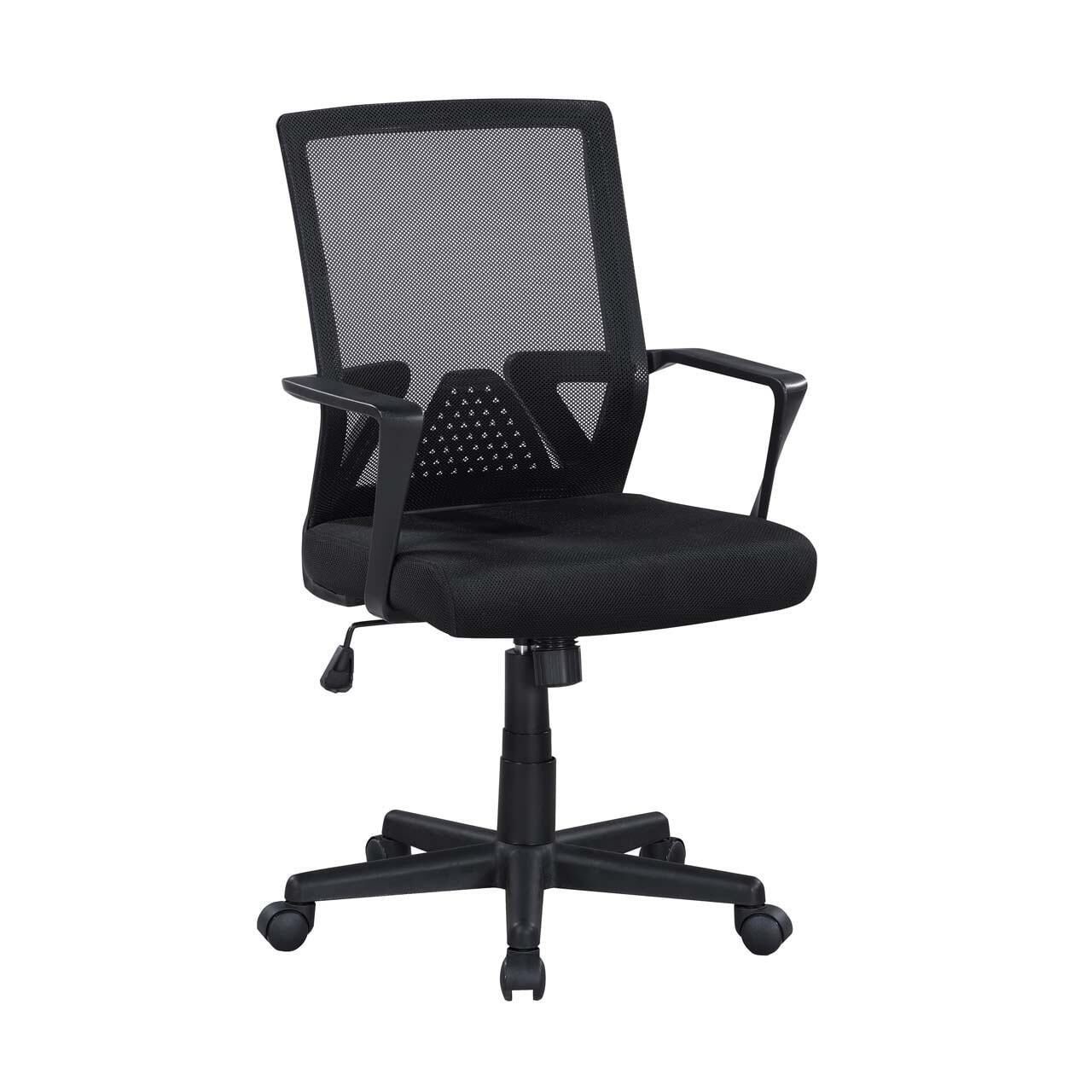
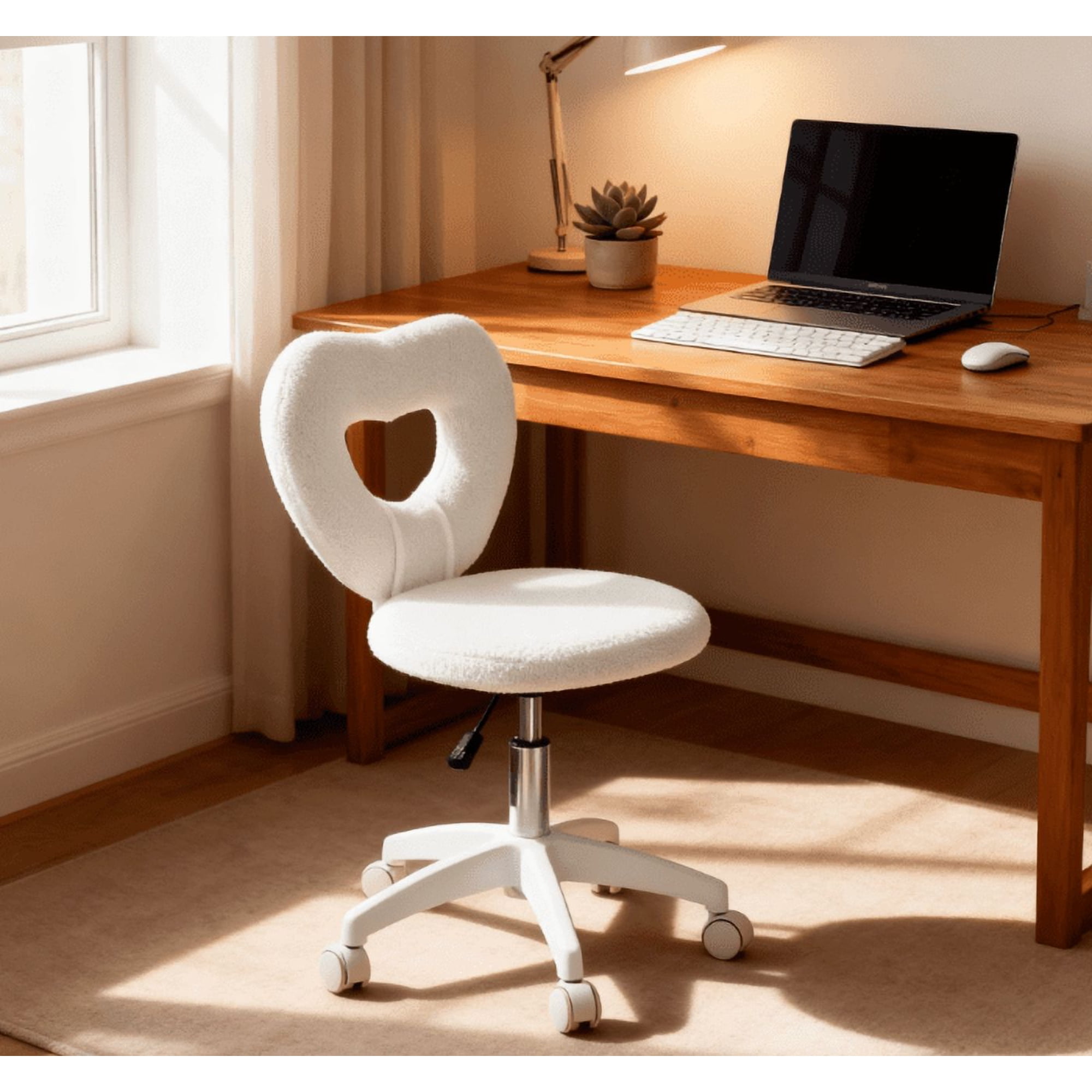
Choosing a chair material is like choosing a car seat cover. Mesh is like high-tech athletic wear – it breathes, keeps you cool, and is perfect for long, intense drives (or workdays). Leather is like a luxury sedan interior – it looks sophisticated, feels premium, and is easy to wipe clean, but can get sticky in summer. High-quality fabric sits in the middle, offering a cozy, warm feel like your favorite living room armchair, but it might require more care. For the top office chairs, you’ll often see a hybrid approach: a breathable mesh back combined with a cushioned fabric or leather seat.
- Breathability: Mesh wins (rating 10/10), Fabric (7/10), Leather (4/10).
- Professional Aesthetic: Leather wins (10/10), Fabric (7/10), Mesh (6/10).
- Durability (with care): High-quality leather (10+ years), Mesh (7-10 years), Fabric (5-8 years).
- Maintenance: Leather and Mesh are easiest (wipe clean), Fabric can trap stains and odors.
3. Ergonomic Certifications: Not Just a Buzzword
When a chair claims to be ergonomic, look for certifications like BIFMA (Business and Institutional Furniture Manufacturers Association) standards. This ensures the chair has passed rigorous safety and durability tests. Some chairs also have approvals from chiropractic or physical therapy associations. Think of these as the "seal of approval" from experts who understand spinal health. A top chair doesn't just feel good; it's been tested to prove it won't break down and will support you safely.
🤔 Your Quick Decision Flow: Finding YOUR Top Chair
Quick Comparison: Top Office Chair Categories
| Category | Best For | Key Feature | Typical Price Range |
|---|---|---|---|
| High-End Ergonomic | Power users, back pain sufferers | Synchronized tilt, advanced lumbar | $800 - $2,000+ |
| Executive Leather | Managers, client-facing roles | Premium look, high back, thick padding | $500 - $1,500 |
| Task / Mid-Range | General office, home offices | Good adjustability, value for money | $200 - $600 |
| Big & Tall | Larger users, heavy-duty use | Wider seats, reinforced base, high capacity | $400 - $1,200 |
4. The "Sitting Test": What to Look For When You Try
If you can, test a chair before buying. Here's a simple 2-minute test: Sit normally for 30 seconds. Then, lean forward to type. Then, lean back to think. Does the chair move with you? Is there any pressure behind your knees? Do your arms rest comfortably on the armrests while typing? This quick test can reveal more than any spec sheet. Remember the 80/20 rule: a chair might not be perfect, but if it feels good 80% of the time and supports your main activities, it’s likely a top contender for you.
We've focused heavily on ergonomics, but what about those who want a chair that disappears under them, providing support without any thought? That's the hallmark of a truly great design—a chair you don't notice because you're focused on your work, not your aching back. The top office chairs on the market today achieve this through years of research and user feedback.
Beyond the Basics: Features That Separate Good from Great
Some innovations are subtle but transformative. For instance, forward tilt mechanism locks the chair at a slight forward angle, which is excellent for writing or drafting work as it keeps you engaged. Another is synchronous tilt, where the back and seat move together at a specific ratio to keep you supported while reclining. High-end chairs often have adjustable tension controls that let you set how much force is needed to recline, perfect for users of different weights sharing a chair. Don't overlook the caster wheels either: hard wheels for carpets, soft wheels for hardwood floors to prevent scratches.
Ultimately, the journey to finding the best chair is personal. What's a "top" chair for a 6'4" programmer will differ from one for a 5'2" writer. Our goal is to arm you with the knowledge to make an informed choice. The chairs we feature in our product grid above are consistently rated highly across multiple categories, and we update them regularly to reflect new models and user reviews.
Industry Data: The global office furniture market is projected to reach $15.5 billion by 2027, with ergonomic chairs being the fastest-growing segment. This surge reflects a collective awareness that our workspaces must adapt to us, not the other way around.
Frequently Asked Questions About Top Office Chairs
Conclusion: Your Seat at the Table of Productivity
Choosing from the myriad of top office chairs doesn't have to be overwhelming. By focusing on adjustability, materials, and your specific work habits, you can filter the noise and find a chair that feels like it was made for you. Remember, this isn't just a purchase; it's an investment in your daily well-being and long-term health. A chair that supports you allows you to focus on what truly matters: your work, your ideas, and your success. Use the filters above, read reviews, and take your time. Your back will thank you for years to come.