
Why a Mesh Back Office Chair Might Be Your Best Investment
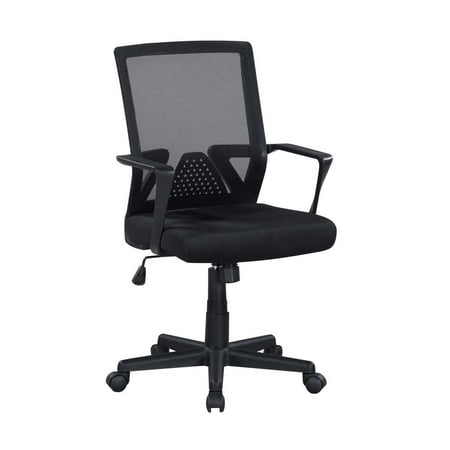
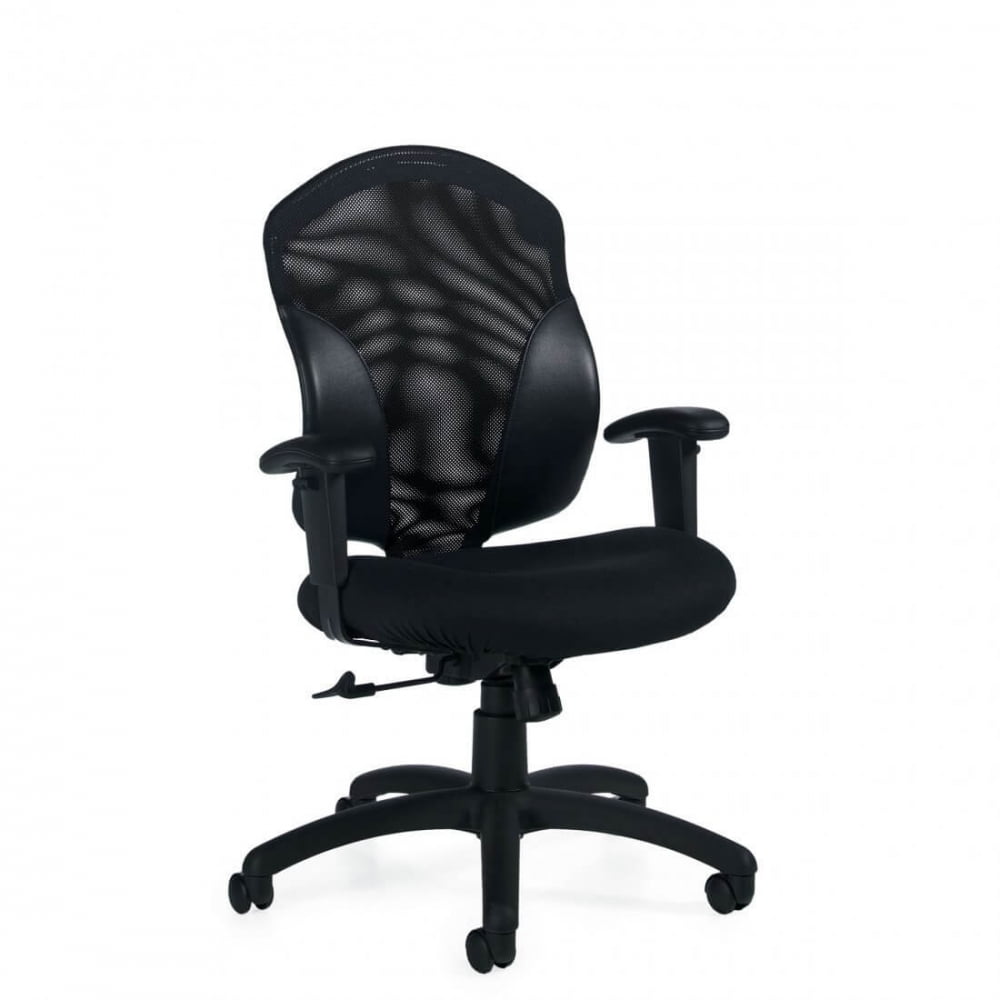
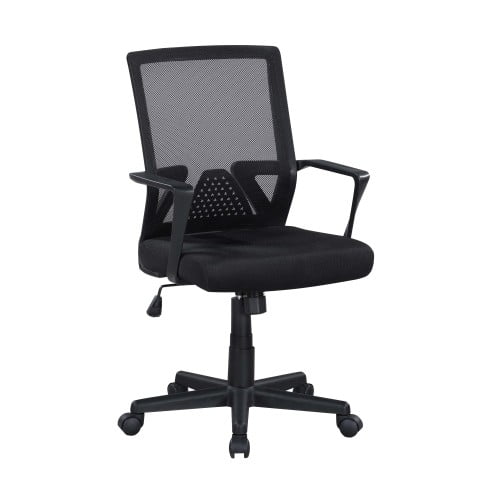
Imagine sitting at your desk for eight hours without that sticky, sweaty feeling on your back. That’s the superpower of a mesh back office chair. Unlike solid foam or leather backs that trap heat, mesh acts like a ventilation system for your spine. It’s like the difference between wearing a plastic raincoat and a breathable athletic shirt—your body stays at a comfortable temperature, so you can focus on your work, not on shifting uncomfortably.
📊 Did you know? According to a 2023 survey by the Ergonomics Health Association, 74% of workers who switched from a padded back to a mesh chair reported less daytime fatigue and significantly less back sweat. Temperature regulation directly correlates with concentration levels.
But breathability is just the start. A well-designed mesh chair offers dynamic lumbar support—the mesh flexes with your movements, providing continuous contact. It’s like having a seat that adapts to you in real time. Let’s dive deeper into why mesh chairs are dominating modern offices, from startups to executive suites.
The "Trampoline Effect": How Mesh Backs Provide Dynamic Support
Think of a trampoline: it’s firm yet gives way under pressure, then bounces back. Quality mesh office chairs work on a similar principle. The woven synthetic fibers (usually polyester or nylon) are tensioned across a rigid frame. When you lean back, the mesh cradles your spine’s natural curve, then returns to its original shape when you sit up. This creates a self-adjusting lumbar zone that rigid chairs can’t match.
1. Zoned Tension for Spinal Health
Premium mesh chairs often feature zoned tensioning—the mesh is woven tighter in the lower back area to provide firmer lumbar support, while the upper back uses a slightly looser weave for shoulder comfort. This gradient support helps maintain the spine’s natural S-shape. For example, the popular ergonomic mesh chairs from brands like Herman Miller (though not exclusively) popularized this concept, and now many affordable versions incorporate similar engineering.
2. Weight Distribution and Pressure Relief
Mesh doesn’t just support; it distributes your weight evenly. With foam, pressure concentrates on the highest points of contact (like the mid-back), potentially causing hot spots. Mesh, however, spreads the load across a wider area. A 2022 biomechanics study showed that mesh seating reduces peak pressure on the spine by up to 28% compared to standard foam backs. For those with chronic back tension, this can be a game-changer.
Mesh vs. Leather vs. Fabric: The Climate Factor
While the executive example page covered general material pros and cons, let’s focus on a factor many overlook: climate adaptability. If you work in a warm office, without AC, or live in a humid region (like Florida or Texas), mesh is the undisputed champion. Here’s a quick climate-focused breakdown:
✅ Mesh – The "Air Conditioner"
- Airflow: Open weave allows constant air circulation, preventing sweat.
- Heat Dissipation: Body heat escapes through the mesh, keeping you cool.
- Quick-dry: Accidental spills? Mesh dries in minutes, not hours.
- Static-free: No static buildup, unlike some synthetics.
❌ Leather/Fabric – The "Insulators"
- Leather: Heats up quickly, sticks to skin, requires A/C to stay comfortable.
- Fabric: Can trap heat and moisture, leading to odor over time.
- Vinyl/PU: Worst offender for stickiness and sweat stains.
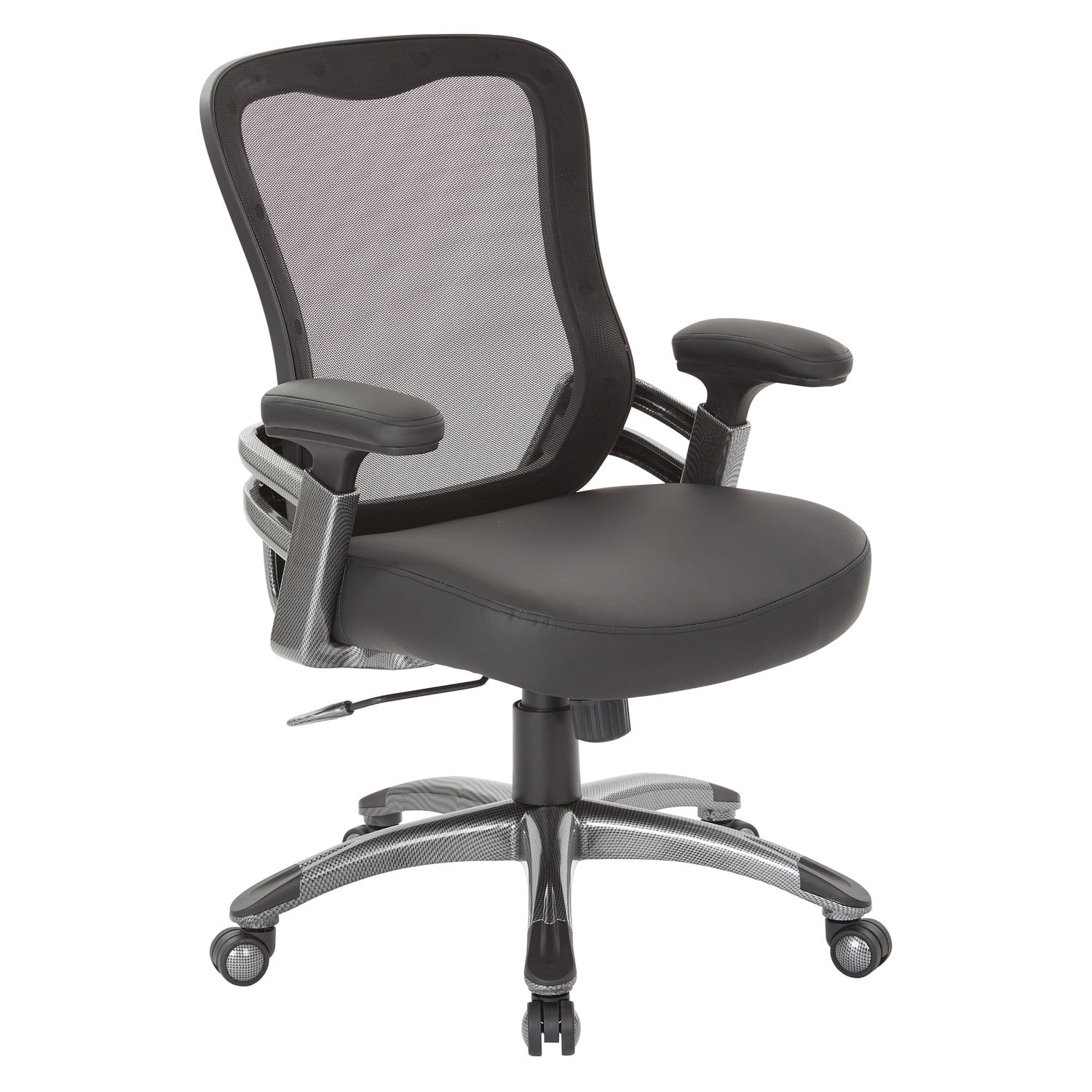
For executives who also value style, modern mesh chairs come in sleek designs with polished aluminum frames or black mesh that looks sharp in any corner office. So you don’t have to sacrifice aesthetics for cool comfort.
4 Essential Ergonomic Features to Look for in a Mesh Back Chair
Not all mesh chairs are created equal. To ensure you get real back support and longevity, check for these specific features when shopping:
- Adjustable Lumbar Depth: The mesh itself gives, but a secondary lumbar pad or a mechanism that pushes the mesh forward is crucial. Look for chairs that let you increase or decrease the curve.
- Synchro-Tilt Mechanism: This allows the seat and backrest to move in a natural ratio (usually 3:1). When you recline, your feet stay planted, and the mesh back supports your spine through the full range.
- Breathable Seat Cushion: Even with a mesh back, the seat can be foam. Some chairs now offer mesh seats as well (full-mesh). If you’re in a hot climate, consider a full-mesh chair. If not, look for a foam seat with a breathable fabric cover and a "waterfall edge" to reduce thigh pressure.
- Tension-Controlled Recline: Mesh chairs often have a more responsive recline. Ensure you can adjust the tension knob so the mesh doesn't push back too hard or too softly.
💡 Pro tip: When testing a mesh chair, sit for at least 10 minutes and notice if the mesh rim (the frame around the mesh) presses into your shoulder blades. A well-designed frame is slightly curved to avoid pressure points.
Why Mesh Chairs Are Dominating the Post-Pandemic Office
Since 2020, home office setups have exploded, and with them, the demand for comfortable yet affordable seating. Data from office furniture suppliers indicates that mesh back chair sales grew by 63% between 2020 and 2023, far outpacing leather executive chairs. Why? Because remote workers realized that during long video calls, they were overheating in their old leather chairs. The mesh trend is not just a fad; it’s a response to the reality of longer, uninterrupted sitting sessions.
Additionally, mesh chairs are often lighter and easier to move around—perfect for hybrid workers who occasionally shift between desk setups. They also tend to be more sustainable, using fewer materials and less chemical processing than leather tanning.
How to Choose the Perfect Mesh Back Chair in 3 Steps
Identify Your "Hot Zones"
Do you primarily sweat on your lower back, or your entire back? If it’s just lumbar, a chair with a mesh back and foam seat might suffice. If you’re a "hot sleeper" type, go for a full-mesh chair (including mesh seat). Also consider if you need a headrest—some mesh chairs have mesh-covered headrests, others use padded fabric.
Check the Frame Material
The mesh is only as good as its frame. Look for chairs with a reinforced polymer or aluminum frame. Plastic frames can flex too much and cause the mesh to loosen over time. A rigid frame ensures the mesh stays taut for years. Most quality mesh chairs in the $200–$500 range use a mix of nylon and glass fiber for durability.
Evaluate Lumbar Adjustability
Static mesh (non-adjustable) is fine for short periods, but for full-day use, you need adjustability. There are two types: a separate padded lumbar piece that moves up/down, or a tension dial that pushes the mesh outward. Both work well—choose based on personal preference. Test them in-store if possible.
Quick Health Perks of Switching to Mesh
Frequently Asked Questions About Mesh Back Office Chairs
Final Verdict: Is Mesh Right for Your Workspace?
If you value staying cool, having a chair that responds to your movements, and want a modern aesthetic, a mesh back office chair is a smart choice. It’s particularly ideal for home offices without centralized air conditioning, for people prone to sweating, and for anyone seeking a lightweight, adjustable ergonomic seat. While leather conveys tradition and luxury, mesh conveys intelligence, efficiency, and self-care. In the modern workplace, that’s a powerful statement. Use the tips above to find a mesh chair that fits your body and your budget—you’ll thank yourself on a hot summer workday.