
What Makes a Chair Truly Perfect? Redefining Comfort & Support
We spend more than 80,000 hours sitting at work over a lifetime. The perfect office chair isn't just a piece of furniture—it’s a performance tool that aligns your posture, reduces fatigue, and elevates productivity. Yet with countless options, “perfect” means something different for everyone. In this guide, we’ll decode the essential anatomy of an ideal chair, helping you identify the combination of features that suits your body, workflow, and environment.
Ergonomic Insight: A study by the American Chiropractic Association revealed that 84% of office workers experience back discomfort due to suboptimal seating. The perfect chair actively supports natural spinal curves, encourages micro-movements, and distributes pressure evenly — transforming sitting from a sedentary burden into an active, supportive experience.
Core Pillars of the Perfect Office Chair
Rather than chasing marketing buzzwords, focus on these four foundational pillars. A chair that excels in each category is likely to be your ideal match:
1. Dynamic Adjustability
- Seat height (pneumatic lift range)
- Seat depth slider (to support thighs)
- Adjustable lumbar support (height + depth)
- 4D armrests (up/down, pivot, width, depth)
- Tilt tension & lock mechanism
2. Ergonomic Body Mapping
- Contoured backrest mirroring spine curve
- Waterfall seat edge reducing hamstring pressure
- Width accommodating hip size
- Headrest support for neck (optional but valuable)
- Weight capacity rated for long-term durability
3. Material & Climate Compatibility
- Breathable mesh vs. premium leather vs. fabric
- High-density foam that doesn't flatten
- Easy-clean surfaces for professional settings
- Sustainable or hypoallergenic options
4. Build Quality & Longevity
- Class 4 gas lift (heavy-duty)
- Aluminum or steel base (vs. nylon)
- Dual-wheel casters for smooth rolling
- Warranty (5+ years for mechanism, 10+ for frame)
Debunking Common Myths: What “Perfect” Is Not
✅ Fact: While premium chairs often offer superior materials and adjustments, a moderately priced chair with the right adjustable features can be perfect for your body. Prioritize fit over price tag.
✅ Fact: Height differences, torso length, and personal preferences mean that a perfect chair for a 6’2” person may cause discomfort for a 5’3” colleague. Customization is key.
✅ Fact: High-end mesh chairs use tensioned fabric that contours to your shape, offering excellent support while staying cool. They are often preferred for all-day seating.
The Perfect Chair by User Profile: Tailored Recommendations
Your body type, work style, and office environment shape what "perfect" means. Use the table below as a starting compass:
| User Profile | Key Considerations | Ideal Features | Suggested Material |
|---|---|---|---|
| Tall Executives (6’1"+ ) | Higher backrest, longer seat depth | Adjustable headrest, extended cylinder range, seat depth >19” | Leather or high-back mesh |
| Petite Users (5’4" and under) | Shorter seat depth, narrow shoulder width | Seat depth adjustment, lower armrests, smaller back contour | Flexible mesh or fabric with lower lumbar curve |
| Big & Tall Individuals | Weight capacity 400lbs+, wide seat pan | Reinforced frame, 4D armrests, extra lumbar support | Leather or heavy-duty fabric |
| Remote/Hybrid Workers | Long continuous hours, varied desks | Breathability, multi-surface casters, recline for thinking sessions | Premium mesh for temperature control |
| Gamers/Creative Pros | Reclining positions, dynamic movement | High back, tilt lock, adjustable lumbar, headrest | Fabric or PU leather with extra padding |
Beyond Ergonomics: The Aesthetic & Workspace Harmony
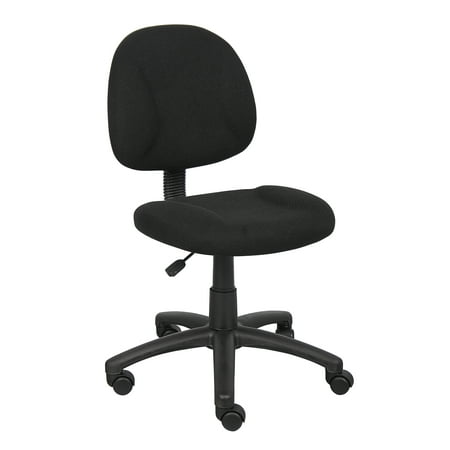
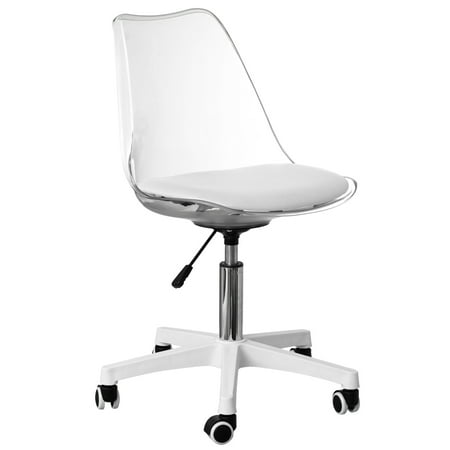
The perfect chair also complements your environment. A minimalist Scandinavian office may call for sleek mesh and polished aluminum, while a traditional law firm office often pairs best with tufted leather executive designs. Visual cohesion reduces mental clutter and reinforces professionalism. Consider color (black, brown, grey, or bold accents) and silhouette (high-back executive, mid-back task, or contemporary). Your perfect chair should feel like a natural extension of your workspace, not an eyesore.
5-Step Process to Identify Your Perfect Office Chair
Use a tape measure: seat height range (ideal when knees at 90°), seat depth (2-3 finger widths between back of knees and seat edge), and desk clearance. Note your weight for gas lift rating.
If you sit 8+ hours without breaks, prioritize breathable mesh and dynamic lumbar. If you frequently shift between focused work and meetings, chairs with smooth recline and tilt lock are essential.
Write down 3-4 must-haves (e.g., adjustable lumbar, 4D armrests, seat depth slider). Use filters to avoid analysis paralysis.
Visit showrooms or leverage generous return policies. Sit in your final contenders for at least 20 minutes while simulating typing and leaning. Check that adjustments are intuitive and stable.
A perfect chair comes with a safety net. Verify warranty coverage for parts and labor, and ensure replacement parts are available.
Material Deep-Dive: Finding Your Comfort Texture
Ideal for hot climates and all-day use. Self-adapts to spine shape, minimal maintenance, modern aesthetic.
Timeless luxury, molds to body over time, easy to wipe clean, conveys authority. Needs occasional conditioning.
Wide color options, soft texture, affordable. May trap allergens; choose stain-resistant finishes.
Budget-friendly leather look, easy cleaning, but less breathable and may peel after years.
Health & Productivity: The Science of Seating
Selecting the perfect chair directly influences your well-being. A 2022 study published in the Journal of Occupational Health found that workers using highly adjustable ergonomic chairs reported a 55% reduction in upper back and neck pain within 6 weeks. The right chair also improves circulation, reduces fidgeting, and increases sustained attention. When your body isn’t fighting against poor support, cognitive resources are freed for complex tasks.
- Spinal health: Dynamic lumbar support reduces disc pressure by 30%.
- Energy levels: Proper seat foam prevents afternoon fatigue caused by pressure points.
- Mood elevation: A comfortable, personalized workspace correlates with higher job satisfaction.