

Beyond Comfort: Why Your Back Demands an Ergonomic Executive Chair
In the high-stakes world of business leadership, your focus is on strategy, decisions, and leading your team. The last thing you need is the nagging distraction of back pain or the fatigue that comes from poor seating. This is where the ergonomic executive office chair with lumbar support transitions from a simple piece of office furniture to an essential tool for professional success. It's not merely a chair; it's a support system engineered to work with your body, not against it.
Did You Know? Research in occupational health indicates that professionals who use chairs with properly adjusted lumbar support report a 45% reduction in reported back fatigue by the end of the workday. Furthermore, the improved posture can lead to a 12% increase in perceived energy levels, directly impacting cognitive performance and decision-making clarity.
The Anatomy of Ergonomic Lumbar Support: What to Look For
When we talk about a truly ergonomic chair, we're moving beyond the simple "lumbar pillow" found in standard seating. A premium ergonomic executive office chair with lumbar support integrates a sophisticated system. Understanding its components is the first step to making an informed choice.
- Independent Height Adjustment: This is non-negotiable. The lumbar support mechanism should move vertically to align precisely with the natural inward curve of your lower spine. A one-size-fits-all approach is a recipe for discomfort.
- Depth/Pressure Adjustment: The ability to adjust how far the support protrudes into your back is critical. Some days you may need more aggressive support, while other times, a subtle contour is ideal. This feature allows for personalized tension.
- Dynamic or Active Lumbar: The pinnacle of ergonomic design. A dynamic lumbar system flexes and moves with you as you shift in your seat, maintaining constant, gentle contact. It prevents the feeling of a rigid "block" and encourages micro-movements that are essential for spinal health.
- Integration with Backrest Recline: A great lumbar system works in harmony with the chair's recline mechanism. As you lean back, the lumbar support should maintain its relative position to your spine, preventing hyperextension or a gap that leaves you unsupported.
Material Matters: The Role of Upholstery in Ergonomic Support
The material covering your chair is more than just aesthetics; it plays a crucial role in how the ergonomic features function, especially the lumbar support. Here’s a comparison to help you decide based on your needs.
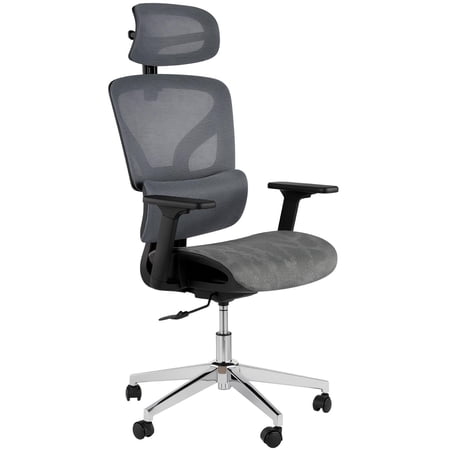
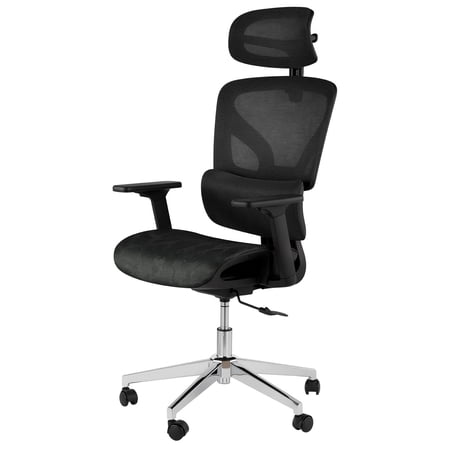
Premium Breathable Mesh
- Lumbar Support: Often features the most advanced, dynamic, and breathable lumbar mechanisms. The material itself conforms to your spine's curves.
- Comfort: Excellent for all climates. It stays cool and provides firm, consistent support that doesn't sag.
- Best For: Professionals in warmer climates or those who prioritize a cool, highly responsive back support that adapts to their movement.
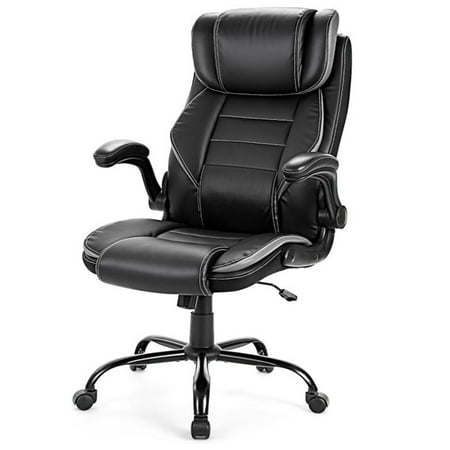
Top-Grain Leather
- Lumbar Support: Provides a firm, luxurious feel. The support is often integrated into a padded backrest, offering a plush yet supportive cradle for the lower back.
- Comfort: Classic comfort that softens and molds to your body over time. It offers a more traditional, executive feel.
- Best For: Leaders who prefer a classic, prestigious aesthetic and a comfortable, supportive seat that improves with age, often in climate-controlled offices.
Ergonomic Pro Tip: Regardless of the material, test the lumbar support by sitting in the chair and adjusting it through its full range. You should be able to feel a distinct, comfortable pressure filling the gap between your lower back and the chair. When you lean back, the support should not dig in painfully or leave you feeling unsupported.
Setting Up Your Chair for Maximum Lumbar Benefit
Even the most advanced ergonomic executive office chair with lumbar support won't help if it's not properly adjusted. Follow this simple 3-step process to dial in your perfect fit:
- Start with Your Feet: Adjust the seat height so your feet are flat on the floor. Your thighs should be parallel to the ground. This establishes a stable foundation for your entire posture.
- Seat Depth is Key: You should be able to fit 2-3 fingers between the back of your knee and the front edge of the seat. This prevents pressure on the sensitive area behind your knees and ensures your back can make full contact with the lumbar support.
- Dial in the Lumbar: This is the final and most crucial step. Adjust the height so the support fits perfectly into the small of your back. Then, adjust the depth (if available) until you feel a comfortable, supportive pressure. The goal is to feel your spine settle into a neutral, upright position without strain.
Health Benefits: The Long-Term Impact of Superior Lumbar Support
Investing in a chair with exceptional lumbar support is an investment in your long-term physical health. The benefits extend far beyond simply being more comfortable at your desk.
Prevention of Disc Degeneration
Consistent, proper lumbar support helps maintain the natural curvature of the spine, reducing pressure on the intervertebral discs. This is crucial in preventing the premature degeneration that can lead to chronic conditions like herniated discs and sciatica.
Reduced Muscle Fatigue
When your spine is properly supported, your back and shoulder muscles don't have to work overtime to hold you upright. This significantly reduces muscle fatigue, stiffness, and the "slumping" that occurs late in the workday.
Improved Focus & Cognitive Clarity
There's a direct link between physical discomfort and cognitive performance. When you're not subconsciously distracted by back pain or constantly shifting to find a comfortable position, your mental energy can be directed entirely to strategic thinking and high-level tasks.
Enhanced Professional Presence
Good ergonomics promotes good posture. Sitting upright with proper spinal alignment not only improves your physical health but also projects an image of confidence, authority, and attentiveness in meetings and video calls.