
The Complete Guide to Standing Office Chairs
The modern workplace is evolving, and with it, our approach to seating. Standing office chairs represent a revolutionary shift in ergonomic design, bridging the gap between traditional seating and the standing desk movement. Whether you're a remote worker, healthcare professional, or office executive, understanding these innovative chairs can transform your workday comfort and productivity.
Research Insight: According to the American Journal of Public Health, workers using sit-stand workstations with appropriate seating alternatives reduced daily sitting time by 224% and reported 54% less upper back and neck pain after just 4 weeks of use.
Understanding Standing Office Chairs: A New Category of Seating
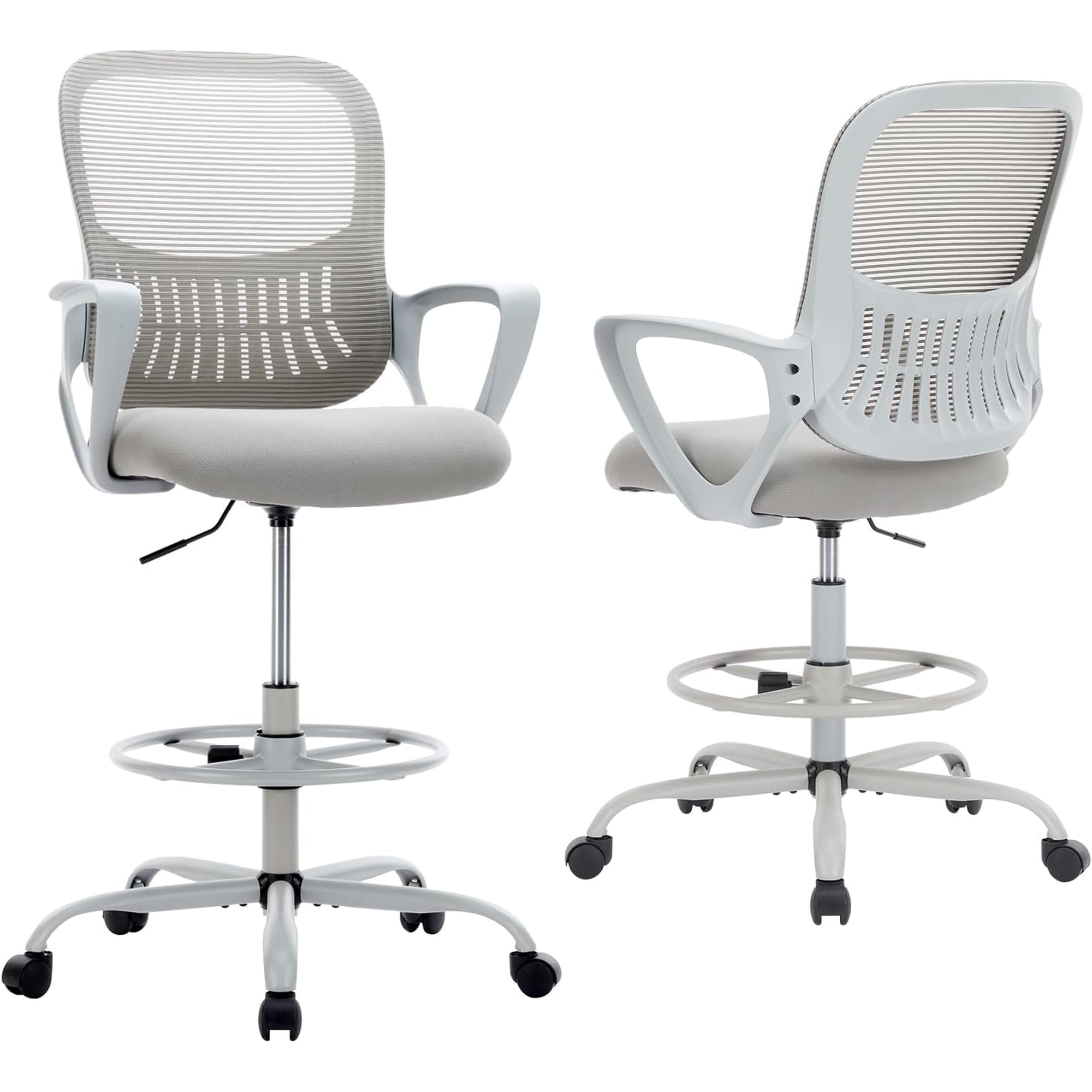
Think of a standing office chair as the hybrid vehicle of the seating world. Just as hybrids combine the best of electric and gas power, standing chairs blend the stability of traditional seating with the flexibility of standing desks. These specialized chairs feature:
- Extended height ranges: Typically 24-34 inches compared to standard chairs' 16-21 inches
- Perching mechanism: Supports a semi-standing position with open hip angle (130-135 degrees)
- Stability-focused design: Wider bases and heavier construction for safety at elevated heights
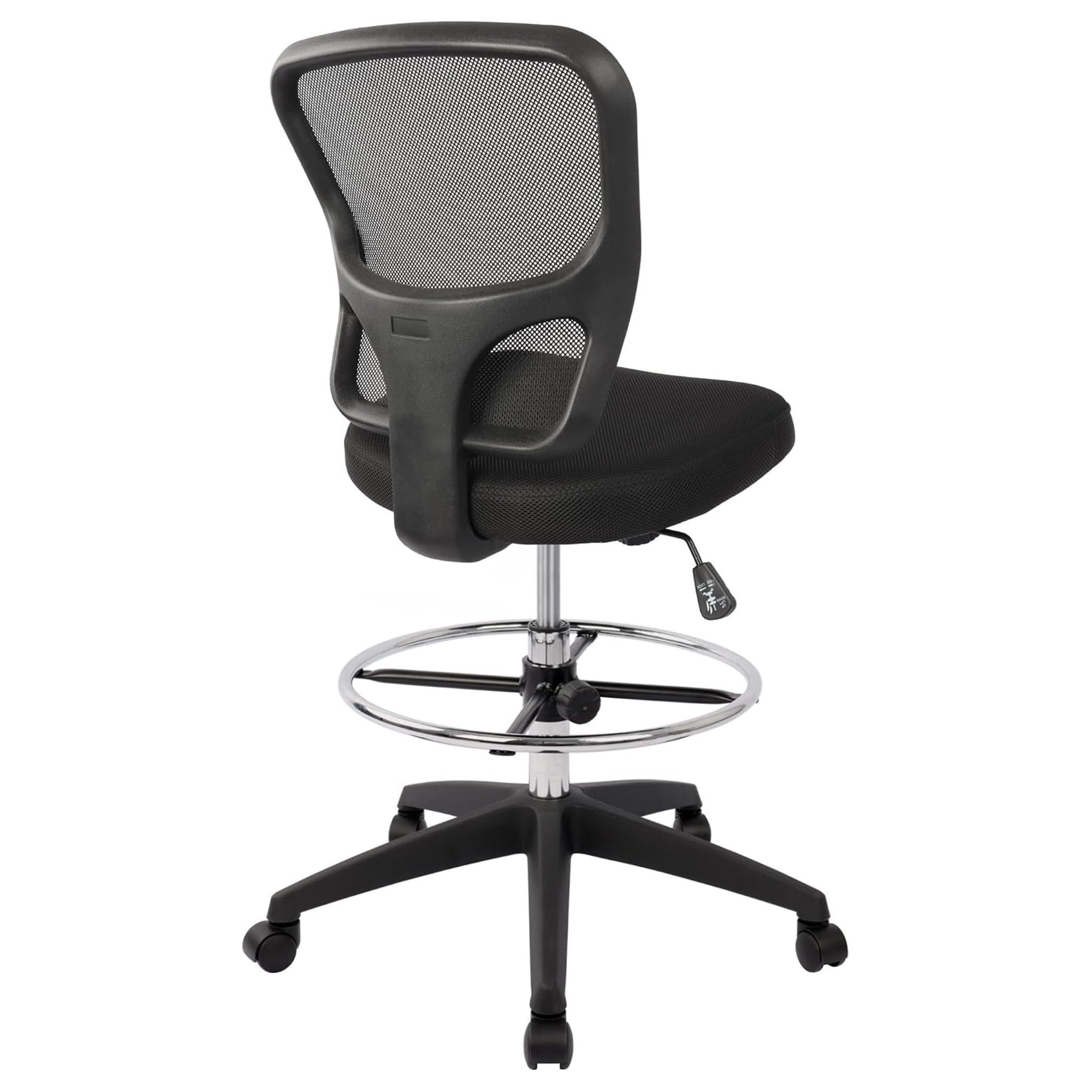
- Foot rings or platforms: Provide foot support when seated at standing height
- Active sitting encouragement: Promotes micro-movements throughout the day
🦴 Spinal Health
Standing chairs promote a 135-degree hip angle, reducing spinal pressure by 40% compared to traditional 90-degree sitting positions.
⚡ Energy Levels
Users report 65% higher energy levels when alternating between standing and perching throughout the workday.
💪 Core Engagement
The perching position naturally engages core muscles, improving posture and reducing lower back fatigue.
🔄 Movement Frequency
Standing chairs encourage position changes every 20-30 minutes, compared to every 2 hours with traditional chairs.
Types of Standing Office Chairs
Not all standing chairs are created equal. Understanding the different types helps you match the right chair to your work style:
1. Stool-Style Standing Chairs
These feature a foot ring around the base, allowing you to perch while keeping your feet supported. Ideal for professionals who stand 70% of the time but need occasional sitting support. Popular in laboratories, studios, and design workspaces.
2. Full-Back Standing Chairs
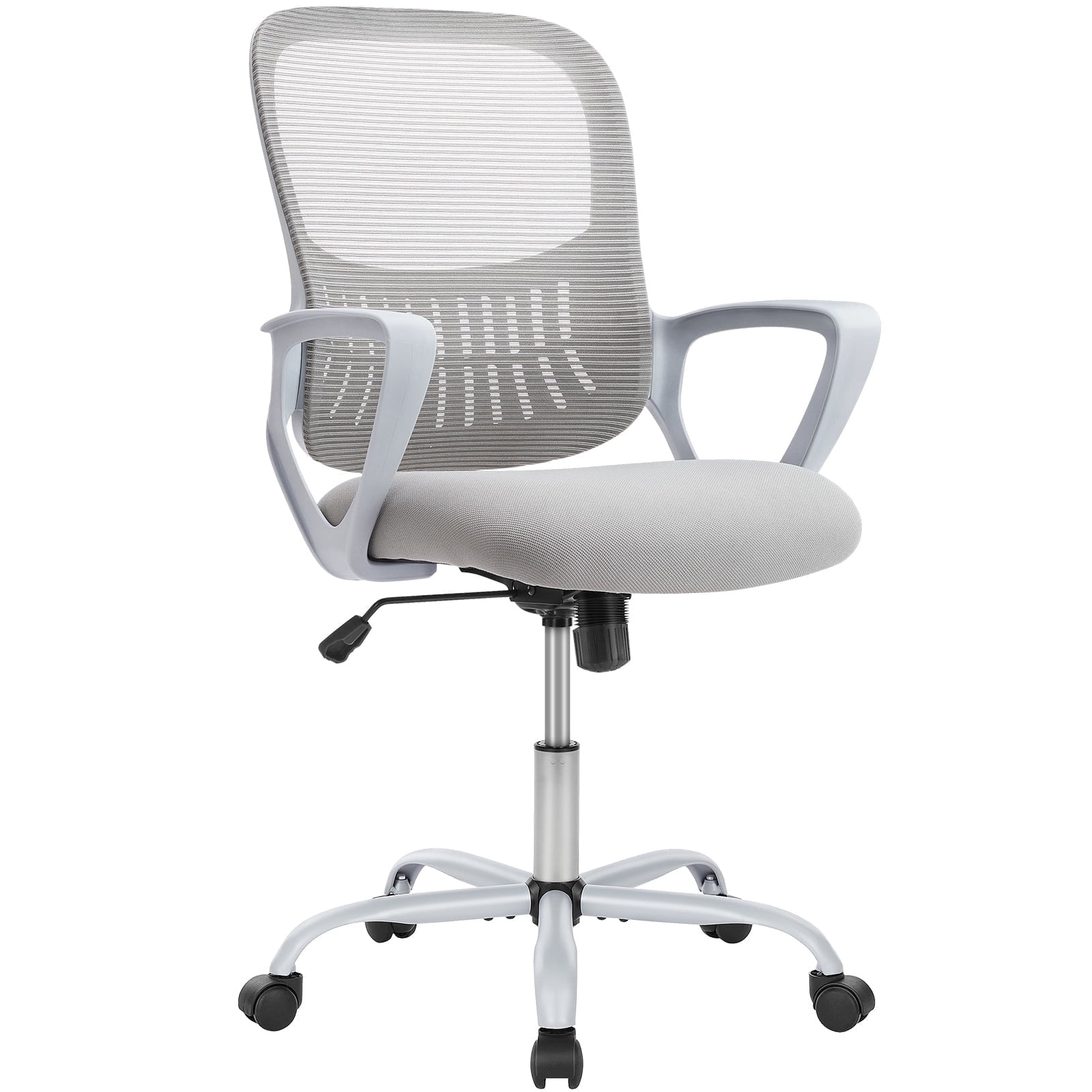
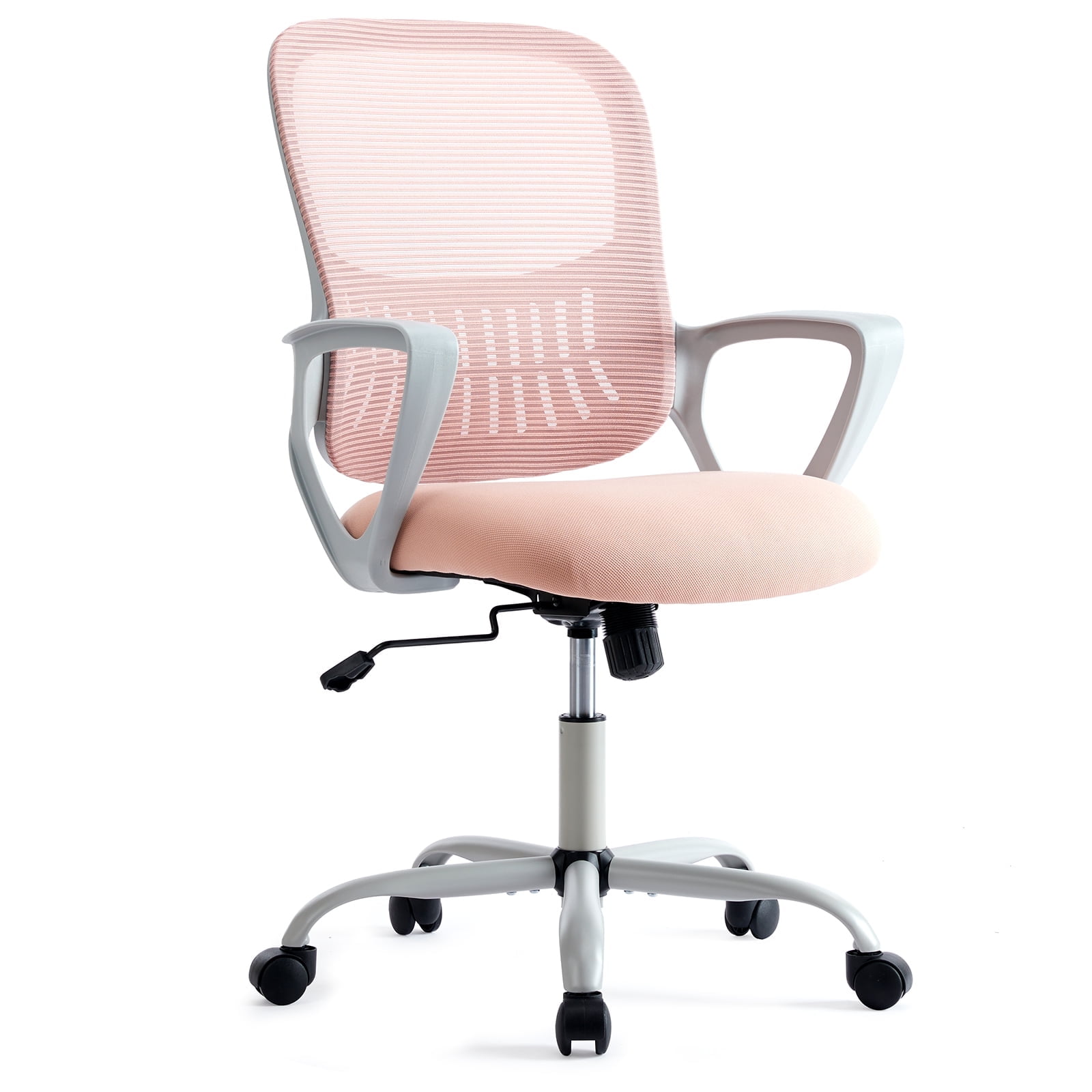
These provide complete back support while still offering extended height ranges. Perfect for those who alternate frequently between sitting and standing, spending roughly equal time in each position.
3. Saddle Standing Chairs
Inspired by equestrian saddles, these chairs position your legs at a natural downward angle, promoting excellent posture and spinal alignment. Particularly effective for tasks requiring forward lean and upper body mobility.
4. Lean-Stool Supports
Minimalist designs that provide lower back support while you lean. These are essentially ergonomic perches for those who prefer to stand but want occasional relief from full weight-bearing.
Height Considerations: Finding Your Perfect Match
Selecting the right standing chair height is crucial for comfort and ergonomics. Use this comprehensive guide based on your height and desk setup:
| User Height | Recommended Seat Height Range | Desk Height Compatibility | Foot Support Needed |
|---|---|---|---|
| Under 5'4" (Under 163 cm) | 22" - 28" (56-71 cm) | 24" - 28" desks | Adjustable foot ring essential |
| 5'4" - 5'8" (163-173 cm) | 24" - 31" (61-79 cm) | 26" - 30" desks | Foot ring or platform helpful |
| 5'9" - 6'1" (174-185 cm) | 26" - 33" (66-84 cm) | 28" - 32" desks | Foot ring optional |
| Over 6'2" (Over 188 cm) | 28" - 36" (71-91 cm) | 30" - 34" desks | Extended gas lift required |
Key Features to Evaluate in Standing Office Chairs
When shopping for a standing office chair, prioritize these critical features:
Essential Standing Chair Checklist
- Gas Lift Quality: Look for Class 4 gas lifts (highest rating) for stability at maximum heights. Avoid Class 2 or 3 lifts which may wobble.
- Base Width: Minimum 28-inch base diameter for stability when elevated. Wider is better for safety.
- Foot Ring Adjustability: Height-adjustable foot rings accommodate different leg lengths and seating preferences.
- Caster Type: Locking casters prevent unwanted movement when perching at standing height. Consider carpet vs. hard floor versions.
- Weight Capacity: Minimum 300 lbs, with heavy-duty options at 400-500 lbs for enhanced stability.
- Seat Depth Adjustment: 2-3 inches of forward/backward adjustment ensures proper thigh support at any height.
Health Benefits: Why Standing Chairs Matter
The shift toward standing chairs isn't just a trend—it's backed by significant health research. Here's what happens when you incorporate a standing chair into your workspace:
Reduced Sedentary Time
The average office worker sits for 15 hours daily. Standing chairs naturally encourage position changes. A 2023 study in the Journal of Occupational Health found that standing chair users took 47% more posture breaks than traditional chair users.
Improved Metabolic Function
Alternating between sitting and standing activates muscle groups that regulate blood sugar. Research from the University of Leicester shows that breaking up sitting time every 30 minutes can reduce blood sugar spikes by up to 39% after meals.
Enhanced Focus and Productivity
Standing chairs promote better blood flow to the brain. The Texas A&M Health Science Center found that workers using sit-stand workstations with appropriate seating were 46% more productive than those confined to traditional seating.
Spinal Disc Health
Your spinal discs act like sponges—they absorb nutrients when you move and compress when you sit still. Standing chairs encourage the micro-movements that keep discs healthy and hydrated.
Standing Desk Compatibility Guide
Not every standing chair works with every standing desk. Consider these compatibility factors:
Electric Standing Desks
These offer the most flexibility. You can easily adjust desk height to match your standing chair position. Look for desks with 22-48 inch height ranges to accommodate both sitting and standing positions with your chair.
Manual Crank Desks
Since manual adjustment takes time, choose a standing chair that works well at a single elevated position. Stool-style chairs often work best as they're comfortable across a range of desk heights.
Desktop Converters
These sit on existing desks and raise your workspace. Pair them with compact standing stools that easily slide under the desk when not in use. Avoid bulky full-back chairs that may not fit under raised converters.
Material Considerations for Standing Chairs
The materials used in standing chairs directly impact comfort, durability, and maintenance needs:
Breathable Mesh
Ideal for standing chairs since you'll be more active and likely to generate heat. Mesh promotes air circulation and prevents sweat buildup during extended perching sessions.
Memory Foam with Cooling Gel
Perfect for full-back standing chairs where you'll spend longer seated periods. The gel infusion prevents heat retention while memory foam conforms to your body at any angle.
Durable Fabric
Commercial-grade fabrics with high rub counts (100,000+ double rubs) withstand the increased movement associated with standing chair use. Look for stain-resistant treatments for longevity.
Leather and Faux Leather
While elegant, leather can become slippery when perched at an angle. If choosing leather, look for textured or perforated options that provide grip and breathability.
Setting Up Your Standing Chair for Optimal Ergonomics
Proper setup is crucial for realizing the benefits of your standing chair. Follow this step-by-step guide:
- Adjust seat height first: Set the seat so your hips are slightly higher than your knees, creating an open angle of about 135 degrees.
- Position the foot ring: Adjust so your feet rest flat with knees at 90-100 degrees when perched.
- Set seat depth: There should be 2-3 finger widths between the back of your knee and the seat edge.
- Adjust back support: The lumbar support should fit into the natural curve of your lower back.
- Position armrests (if present): Set so elbows are at 90-100 degrees with shoulders relaxed.
- Test your desk height: Your elbows should be at desk height when seated in your working position.
Transitioning to a Standing Chair: What to Expect
Switching to a standing chair is like learning to ride a bike—it takes practice but becomes natural quickly. Here's your transition timeline:
- Week 1-2 (Adaptation Phase): Start with 30-60 minutes per day in your standing chair. You may notice increased leg muscle activity and better awareness of your posture.
- Week 3-4 (Integration Phase): Increase to 2-3 hours daily. Your core muscles will strengthen, and perching will feel more natural.
- Month 2+ (Optimization Phase): You'll naturally alternate between sitting, perching, and standing without thinking about it.
Pro Tip: Keep a traditional chair nearby during your transition. Alternate between your standing chair and regular seating until your body adapts to the new positions.
Industries and Professions Benefiting from Standing Chairs
Standing chairs have found enthusiastic adoption across diverse fields:
- Healthcare: Nurses, doctors, and dentists use standing stools for patient care, allowing quick position changes while maintaining proper height for procedures.
- Design and Architecture: Studio professionals appreciate the mobility and adjustable height for moving between drafting tables and computer stations.
- Education: Teachers and professors use standing chairs at lecterns, maintaining engagement with students while reducing fatigue.
- Laboratory Research: Scientists working at standing-height lab benches benefit from perching support during lengthy experiments.
- Call Centers: Agents use sit-stand workstations with standing chairs to maintain energy and focus during long shifts.
- Home Offices: Remote workers embrace standing chairs for their space efficiency and health benefits.
Maintenance and Longevity of Standing Chairs
Standing chairs face different wear patterns than traditional office chairs. Follow these maintenance tips:
- Gas lift inspection: Check monthly for smooth operation. Any grinding or sticking indicates needed replacement.
- Caster cleaning: Remove hair and debris weekly from casters to maintain smooth rolling.
- Foot ring care: Tighten foot ring connections quarterly—they experience more torque than standard chair components.
- Upholstery cleaning: Wipe down after each use if in healthcare settings. For home use, monthly cleaning suffices.
- Mechanism lubrication: Apply silicone lubricant to moving parts every 6 months.
With proper care, quality standing chairs last 7-10 years, compared to 5-7 years for traditional office chairs.