
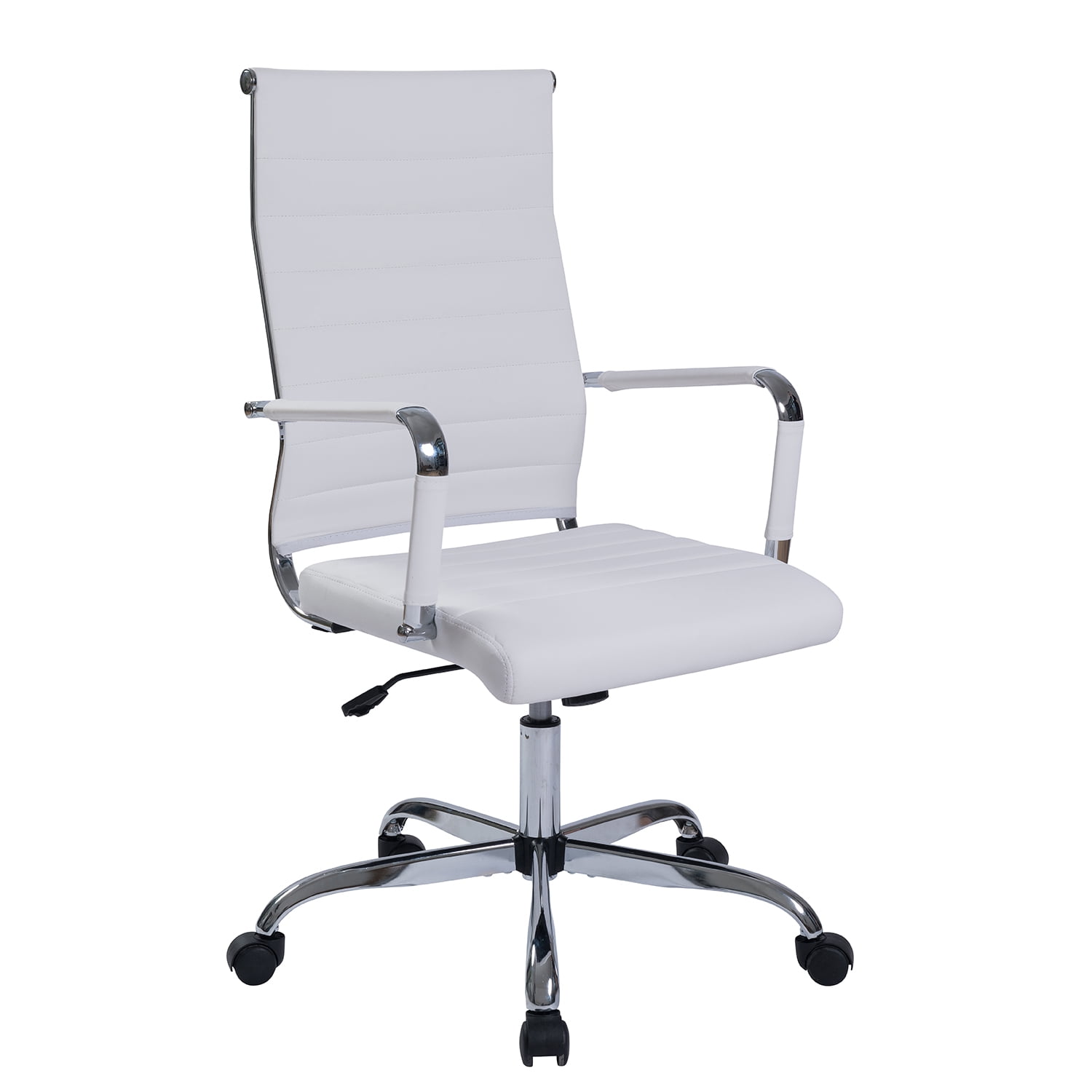
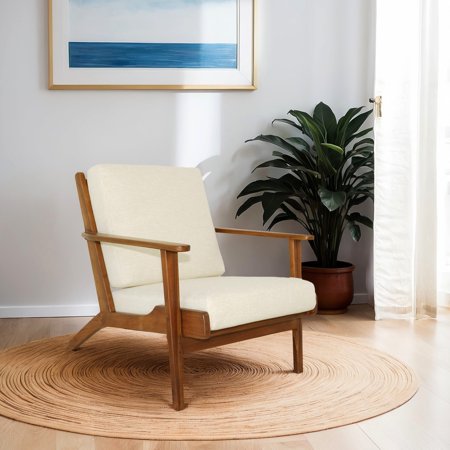
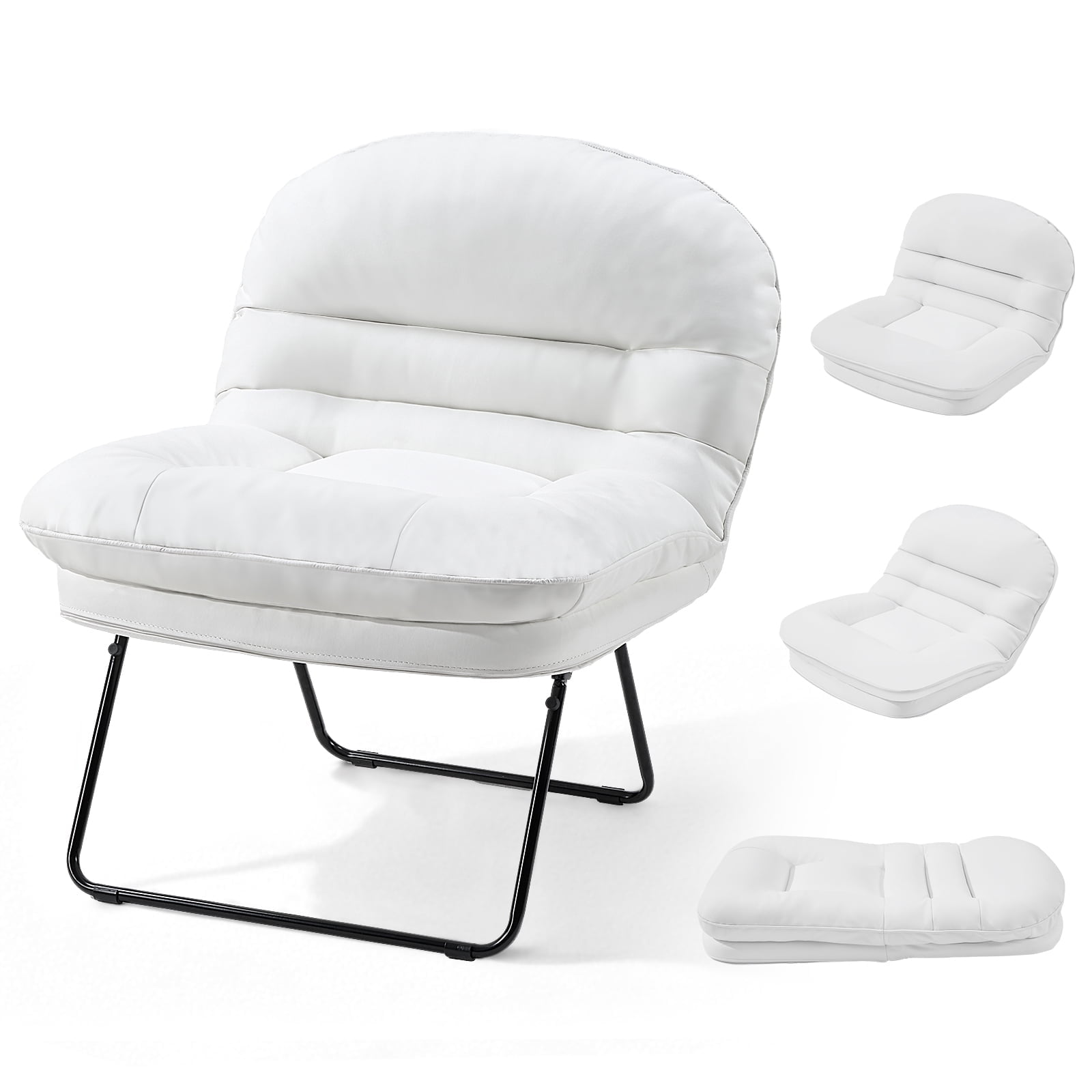
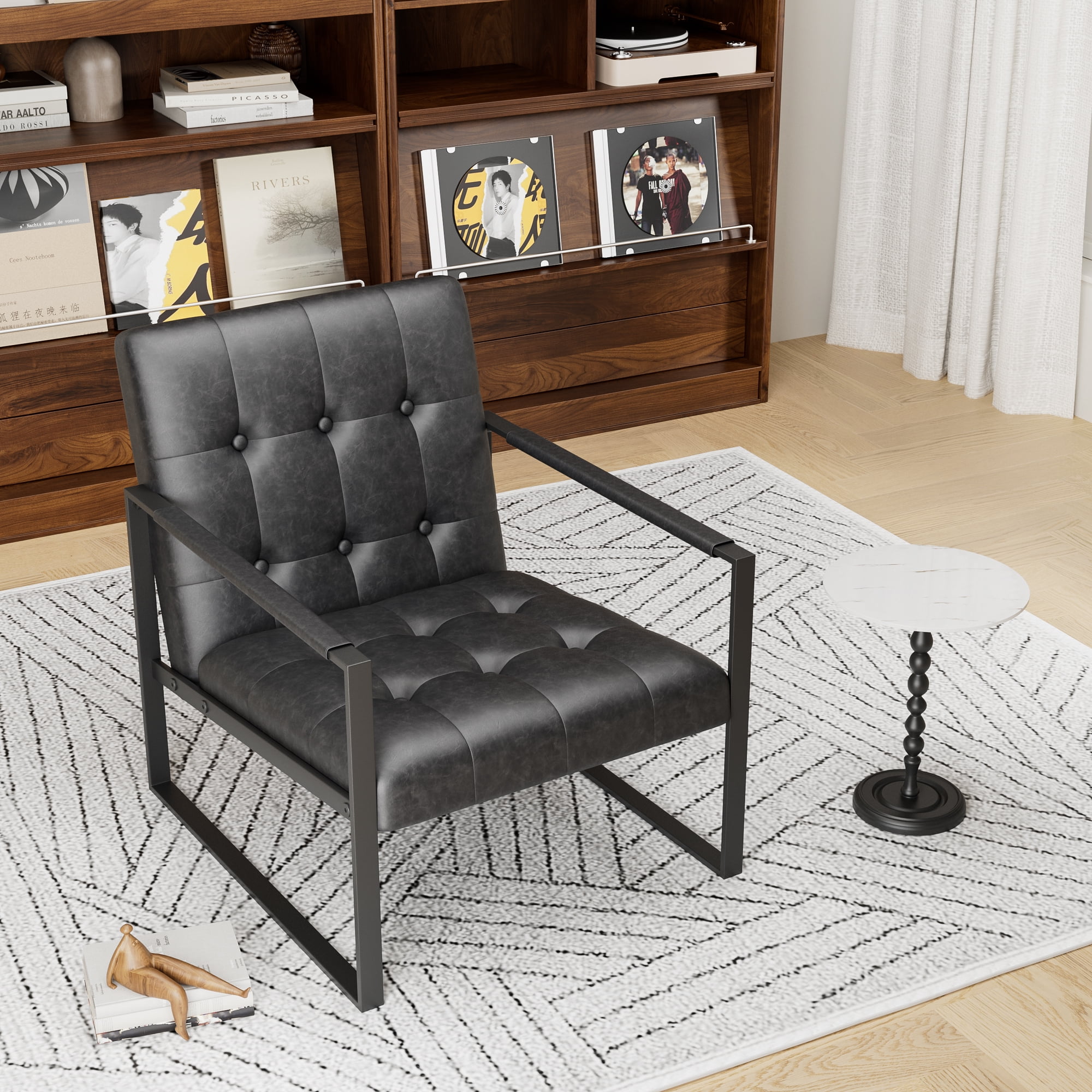
Why the Right Office Sofa Chair Transforms Your Workspace
Imagine walking into an office. The first thing you see isn't the reception desk or the logo on the wall—it's the seating. A worn-out, uncomfortable chair in the lobby whispers neglect, while a stylish, plush office sofa chair speaks volumes about a company's values, welcoming guests with a silent promise of comfort and professionalism. In today's collaborative work environments, the lines between formal and informal spaces are blurring. The office sofa chair, once confined to the waiting room, is now a star player in breakout areas, collaborative hubs, and even private offices, offering a relaxed setting for brainstorming or a quiet moment of respite.
Selecting the perfect office sofa chair is a strategic decision that affects first impressions, employee satisfaction, and the overall flow of your office. It's an investment in your company's culture and the well-being of everyone who walks through your doors. This guide will walk you through everything you need to know, from understanding different materials and styles to choosing the right size and ensuring long-term durability, helping you create a space that is both functional and inviting.
Key Considerations for Choosing Your Ideal Office Sofa Chair
Selecting the right lounge seating involves more than just picking a color that matches the carpet. To make a choice that balances aesthetics, comfort, and longevity, consider these core factors.
1. Intended Use & Traffic Flow: Matching Chair to Purpose
Just as you wouldn't use a racing tire on a family sedan, you shouldn't use a delicate fabric sofa in a high-traffic area. The intended use dictates nearly every other choice.
- High-Traffic Reception Areas: For lobbies where dozens of clients and visitors sit daily, prioritize durability and cleanability. Look for commercial-grade materials with high "double rub" counts (a measure of fabric abrasion resistance). Frames should be constructed from kiln-dried hardwood or heavy-gauge metal to withstand constant use.
- Quiet Breakout Zones & Lounges: In spaces designed for employee relaxation or informal meetings, comfort and aesthetics take center stage. This is where you can experiment with softer fabrics like bouclé or velvet, deeper seats for curling up, and more avant-garde designs.
- Executive Suites & Private Offices: For a senior leader's office, an office sofa chair serves as both a comfortable spot for private conversations and a reflection of personal style. Leather or high-end fabric sofas in classic or modern silhouettes work well here.
2. Material Matters: A Deep Dive into Durability and Style
The material of your sofa is its armor. It determines how it looks, feels, and ages. Here’s a breakdown of the most popular options.
Fabric (Polyester, Wool Blends, Bouclé)
- Advantages: Vast array of colors and textures, soft and warm, often more affordable, can be treated for stain resistance. Bouclé offers a trendy, textured look.
- Best For: Low to medium-traffic areas, creating a cozy and inviting atmosphere, design-forward spaces.
- Durability: Look for a high rub count (Wyzenbeek or Martindale test). A count of 30,000-50,000 is good for residential; 100,000+ is ideal for commercial use.
Fabric Limitations
- Can stain more easily than leather if not treated.
- May trap odors, allergens, and dust.
- Can show wear and pilling over time in high-use areas.
- Harder to deep-clean; often requires professional services.
Leather (Top-Grain, Bonded, Faux)
- Advantages: Extremely durable and ages beautifully (develops a patina). Easy to wipe clean, professional and sophisticated look, resistant to spills and stains.
- Best For: High-traffic reception areas, executive offices, spaces where easy cleaning is a priority.
- Durability: Full-grain and top-grain leather are exceptionally long-lasting. Bonded leather and high-quality faux leather offer a good balance of look and affordability but may peel or crack over time.
Leather Limitations
- Can be expensive, especially full-grain.
- Feels cold in winter and can stick to skin in summer.
- Requires conditioning to prevent drying and cracking.
- Prone to scratching (though this can add character for some).
Vinyl / Commercial-Grade Faux Leather
- Advantages: Extremely durable and easy to clean with disinfectants. Very cost-effective compared to real leather. Highly stain and fade-resistant.
- Best For: Medical offices, high-turnover public spaces, schools, and any environment requiring frequent sanitization.
- Durability: Modern commercial vinyl is incredibly tough and can last for years with minimal maintenance.
Vinyl Limitations
- Not as breathable as fabric or leather.
- Can have a plasticky feel and appearance.
- May crack in very cold environments over time.
3. Construction & Frame: The Unseen Backbone
A beautiful sofa with a weak frame is a future headache. Here’s what to look for:
- Frame Material: Kiln-dried hardwood (like oak, maple, or beech) is the gold standard for durability, resisting warping and cracking. Engineered wood or particle board frames are less expensive but also less durable. Metal frames offer a modern look and excellent strength, especially when welded properly.
- Joinery: Look for frames with doweled, screwed, and glued corner blocks. This "double-dowelled" or "mortise and tenon" joinery prevents the frame from loosening over time. Avoid frames held together with only staples or nails.
- Suspension: The support system under the cushions. High-quality sofas use either eight-way hand-tied coils (the best, but expensive) or sinuous (S-shaped) springs. These provide lasting support and prevent sagging. Webbing is a lower-cost alternative suitable for lighter use.
- Cushioning: High-density foam is essential. It resists compression and maintains its shape. Cushions wrapped in down or fiber offer a softer, more luxurious feel but require more maintenance (fluffing). A combination of a high-density foam core wrapped in a softer layer is a great compromise.
4. Size, Scale, and Configuration: Fitting Your Space Perfectly
A common mistake is choosing a sofa that's either too big or too small for the room. A few key measurements can save you from a costly error.
- Measure Your Space: Before you even start browsing, measure the length, width, and height of the intended area. Use painter's tape to outline the dimensions on the floor—this gives you a visual of how much space the sofa will occupy.
- Consider Traffic Flow: Ensure there's at least 36-42 inches of walking space around the sofa to allow people to move comfortably. In a reception area, consider how people will approach and sit down.
- Seat Height & Depth: Standard seat height is around 17-19 inches from the floor, making it easy for most people to sit and stand. Deeper seats (22-24 inches) are great for lounging but can be uncomfortable for shorter individuals or formal waiting areas. Shallower seats are better for lobbies where people are just waiting briefly.
- Modular Options: For flexible spaces, consider modular office sofa chair components. These allow you to configure and reconfigure seating (e.g., loveseats, corner pieces, ottomans) to adapt to different needs, from a large group gathering to a more intimate setting.
5. Style & Aesthetics: Creating the Right Vibe
Your office sofa is a key piece of furniture that contributes to the overall design language of your workspace. Its style should complement your brand and the atmosphere you want to create.
- Modern & Minimalist: Clean lines, geometric shapes, metal legs, and neutral colors (gray, black, white). Often features low profiles and sleek materials. Perfect for tech companies, startups, and contemporary offices.
- Classic & Traditional: Rolled arms, tufted backs, dark wood legs, and rich leather or fabric. These sofas convey stability, tradition, and elegance. Well-suited for law firms, financial institutions, and executive floors.
- Mid-Century Modern: Tapered wooden legs, organic curves, and vibrant or earthy colors. This style adds a touch of retro cool and personality to creative agencies, design studios, and collaborative spaces.
- Industrial & Utilitarian: Exposed metal frames, rivets, and durable materials like canvas or leather. Often features a boxy, functional design. Great for warehouses-turned-offices, tech hubs, and edgy creative spaces.
6. Ergonomic Considerations for Lounge Seating
While not task chairs, office sofa chairs should still provide adequate support for short-term sitting. Look for these comfort features:
- Back Support: A slight recline in the backrest is more comfortable than a completely vertical one. Look for designs that offer lumbar support, either through contouring or added cushions.
- Armrest Height: Armrests that are at a comfortable height (around 7-9 inches from the seat) allow guests to relax their shoulders and arms.
- Cushion Firmness: A cushion that is too soft offers no support and can be difficult to get out of. A cushion that is too firm is uncomfortable. A medium-firm, high-density foam cushion is the "Goldilocks" choice for most settings.
Frequently Asked Questions About Office Sofa Chairs
Conclusion: Making a Lasting Impression with the Right Choice
Choosing the perfect office sofa chair is a nuanced process that goes far beyond simple aesthetics. It's an investment in first impressions, employee well-being, and the functional success of your workspace. By carefully considering the intended use, material durability, frame construction, and overall style, you can select a piece that not only looks stunning but also stands the test of time.
Remember, the best office sofa is the one that seamlessly integrates into its environment, serving its purpose without drawing negative attention. Whether it's a sleek leather sofa in an executive suite, a durable vinyl option in a busy medical office, or a cozy fabric modular piece in a creative lounge, your choice speaks to the heart of your company culture. Take your time, prioritize quality, and create a space where everyone feels welcomed and valued from the moment they sit down.