
Why a Racing Office Chair Might Be Your Best Seat
Imagine the supportive embrace of a high-performance bucket seat—now bring that to your desk. Racing office chairs borrow DNA from motorsport: high backs, pronounced side bolsters, and aggressive styling. But beyond the looks, they offer tangible ergonomic benefits for people who spend hours working or playing.
Ergonomics meets enthusiasm: A study by the Journal of Physical Therapy Science found that chairs with lateral support (like racing buckets) reduce spinal asymmetry by encouraging a centered sitting posture. Additionally, 78% of users in a 2023 survey reported less mid-back fatigue after switching to a high-back racing design.
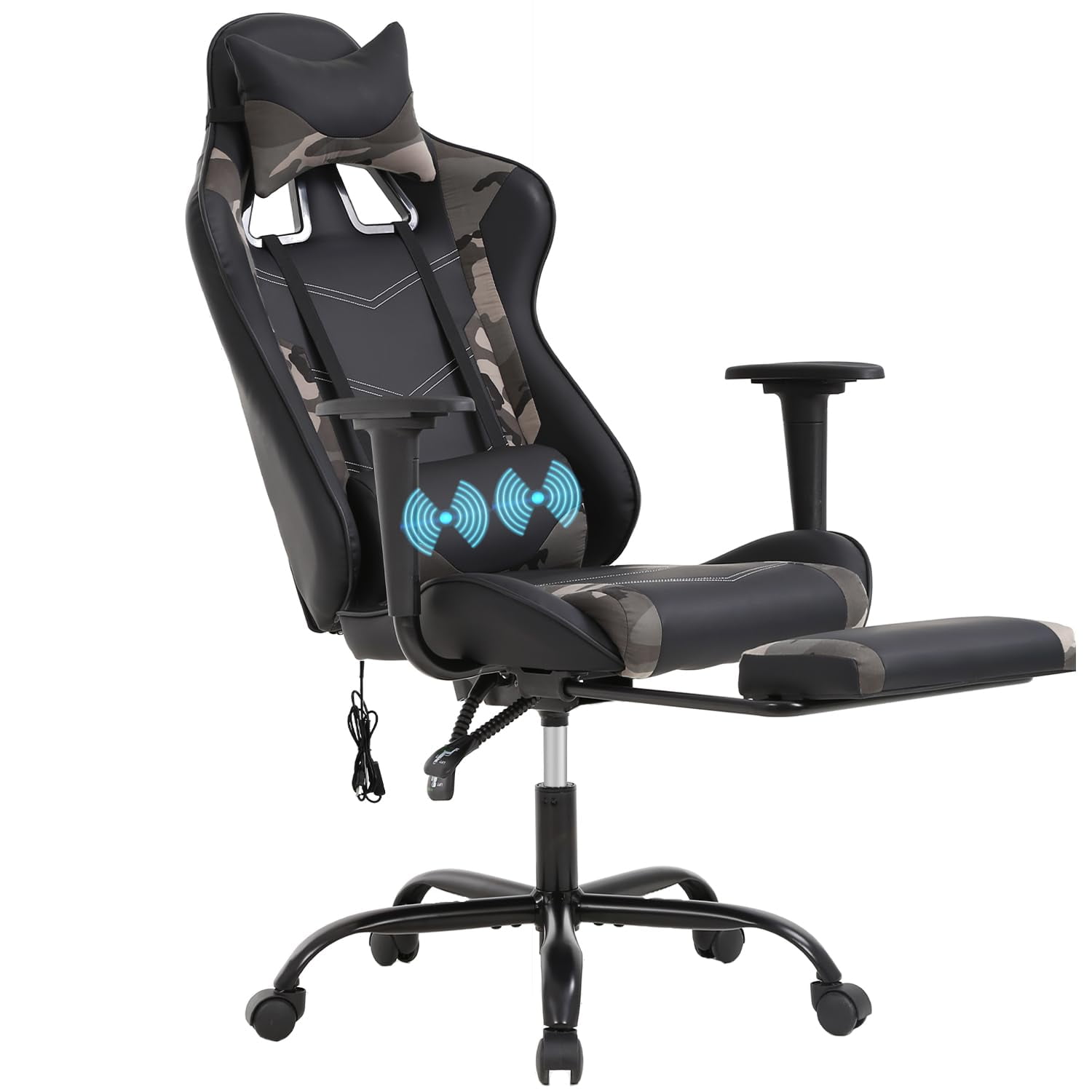
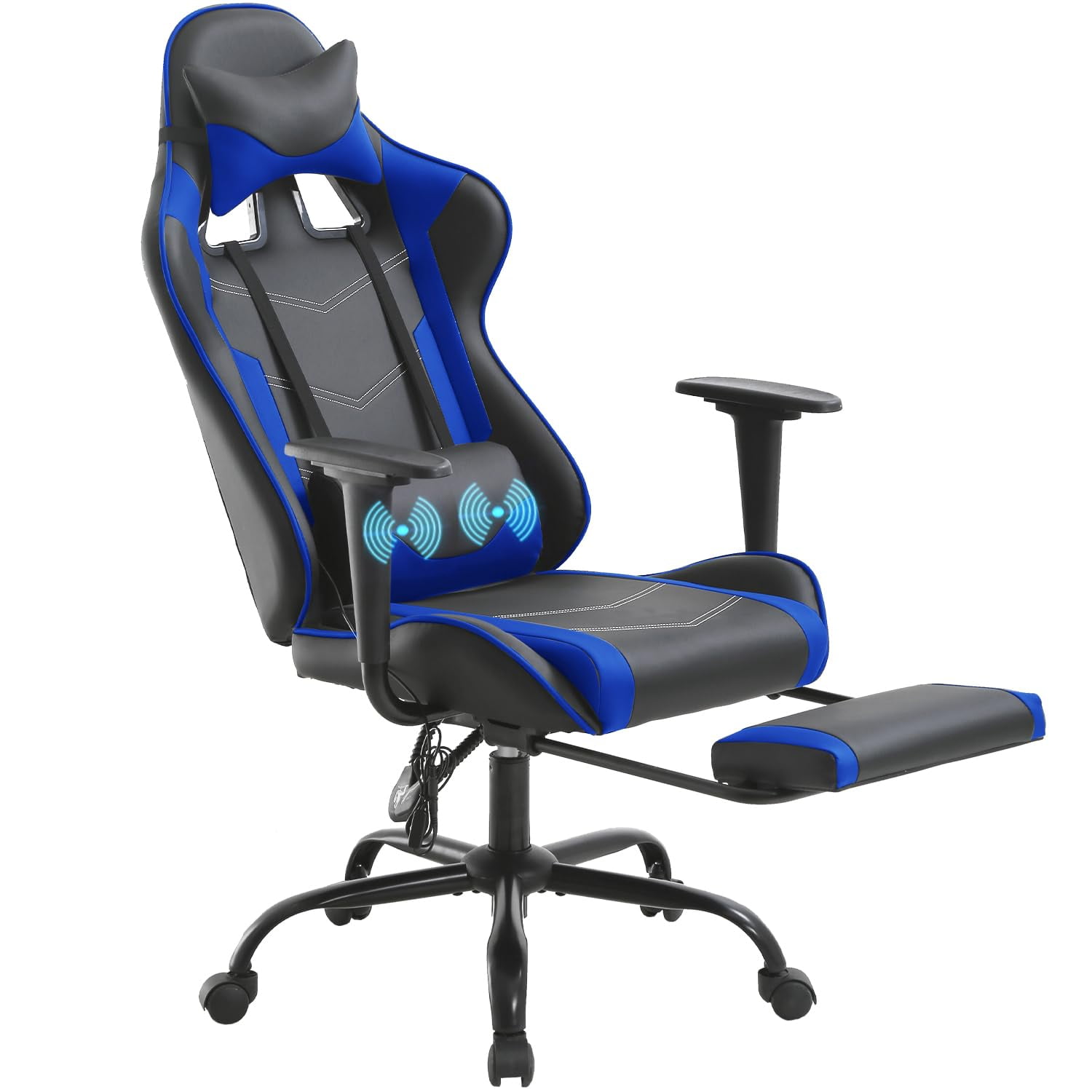
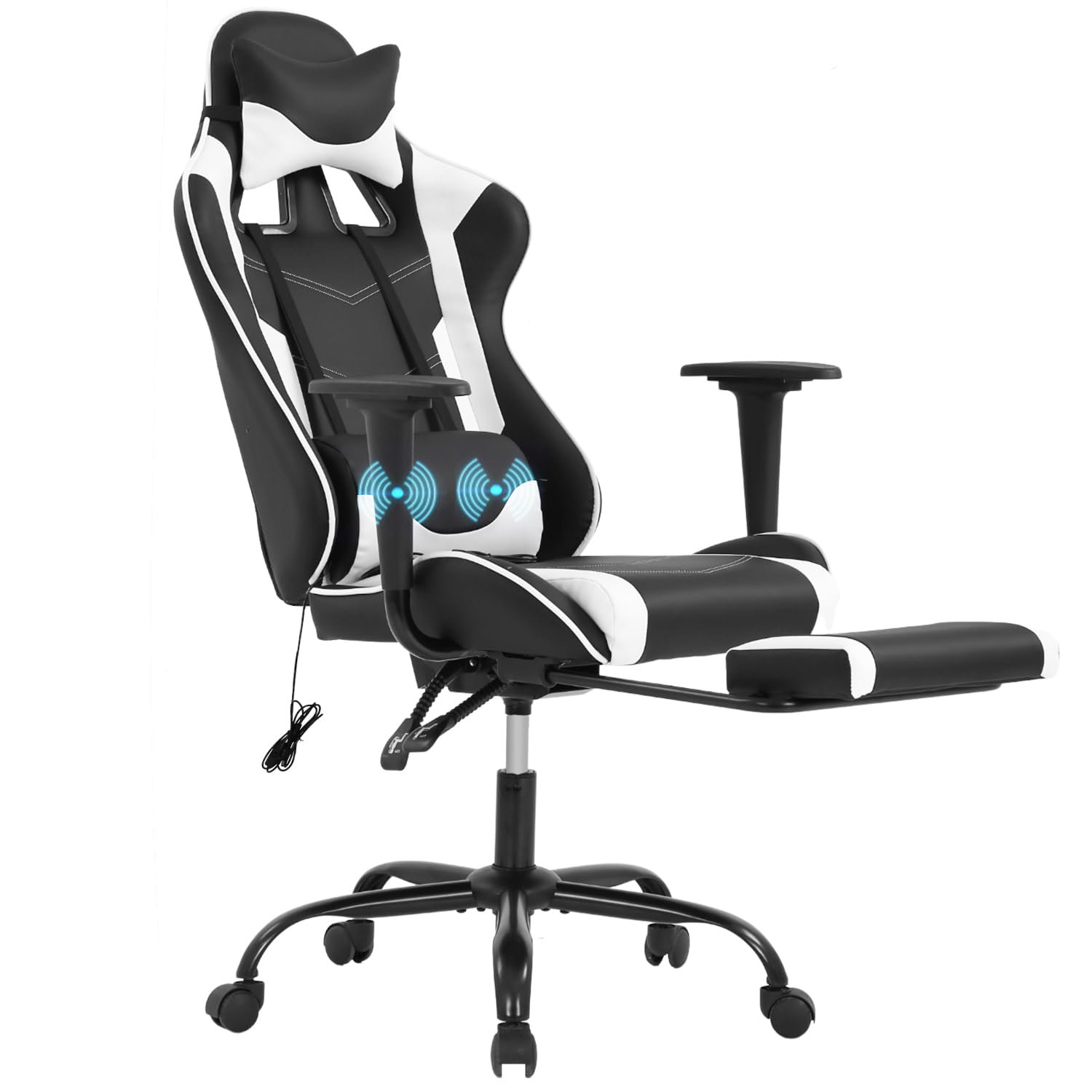
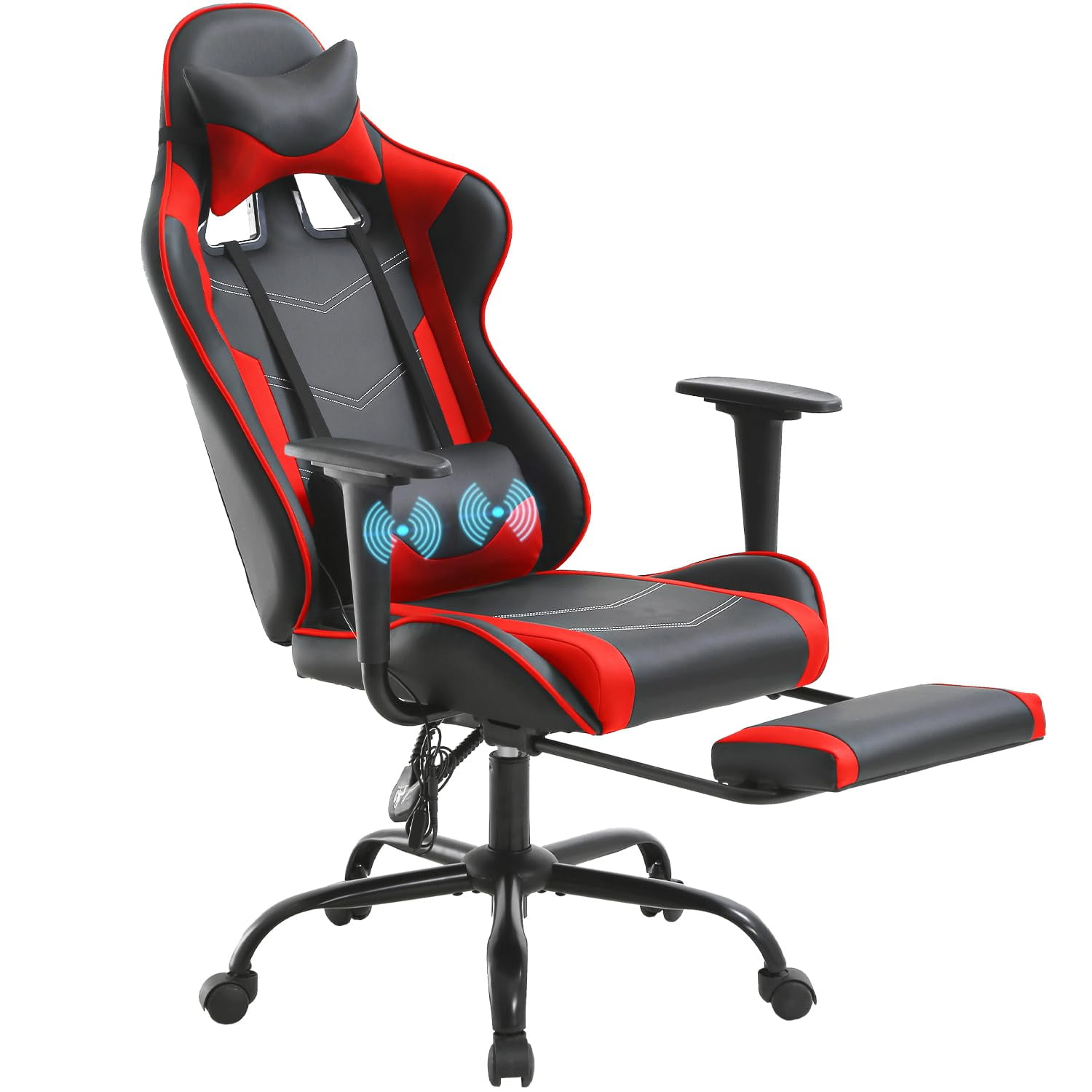
Anatomy of a Racing Office Chair
Let's pop the hood and examine the core components that make these chairs unique:
- Integrated headrest and lumbar pillows – Often detachable and adjustable, they support the natural curve of your neck and lower back.
- Bucket seat design – Raised edges on the seat and backrest keep you positioned correctly, reducing the urge to slouch.
- Class 4 gas lift – Heavy-duty hydraulics allow smooth height adjustment, even under higher weight loads.
- Multi-function tilt mechanism – Rocking, tilting, and locking in various angles (some up to 180°).
- 3D or 4D armrests – Adjustable height, width, angle, and depth to match your desk and shoulders.
✓ PROS
- Superb lateral support – Keeps you centered during intense tasks.
- Aggressive recline – Perfect for short breaks or thinking sessions.
- Durable materials – Often PU leather, carbon fiber-look PVC, or breathable mesh/fabric.
- Customizable comfort – Separate lumbar and neck pillows.
- Statement aesthetic – Instantly conveys energy and focus.
✗ CONS
- Bulky footprint – Wider back may not suit very small spaces.
- Firm padding – Some models feel stiff initially (breaks in over time).
- Non-breathable materials – PU leather can get warm; opt for fabric or hole-perforated versions.
- Heavier than standard chairs – Up to 60 lbs, making them less portable.
Who Benefits Most from a Racing Style Chair?
The racing office chair isn't a one-trick pony. Here’s a breakdown of user profiles that typically thrive with this design:
🕹️ Gamers & Streamers
Long sessions demand comfort. The high back supports shoulders during intense mouse movements, and the recline lets you relax between matches.
💻 Programmers & Developers
Hours of coding require stable lumbar support. The bucket shape reduces fidgeting, helping you maintain flow state.
🏢 Home Office Professionals
If your work involves video calls, the sleek look projects a modern, energetic vibe. The adjustability ensures you find the perfect typing position.
🎨 Creatives & Designers
Leaning back to sketch or think? The tilt lock and footrest (on some models) allow you to recline and ideate comfortably.
Key Adjustments: What to Look For
Not all racing chairs are created equal. To avoid ending up with a stiff, one-size-fits-all seat, check for these adjustability features:
- Seat height range – Ensure the lowest setting allows your feet flat, and highest aligns with your standing desk if needed.
- Armrest adjustments (3D/4D) – You want to match the height of your desk and keep elbows at 90°.
- Recline angle & tension – A knob to adjust rocking resistance is crucial for different body weights.
- Lumbar pillow position – Velcro straps allow vertical placement; some chairs have built-in adjustable lumbar via a dial.
- Seat depth – A sliding seat pan (rare but premium) helps taller users get proper thigh support.
Racing Chair Material Showdown
| Material | Breathability | Durability | Cleanliness | Best for |
|---|---|---|---|---|
| PU Leather | Low | High (if cared for) | Wipe clean | Gamers, easy upkeep |
| Fabric / Mesh | Excellent | Medium | Vacuum / mild soap | Hot climates, all-day wear |
| PVC / Carbon effect | Low | Very high | Wipe clean | Style-focused, high-traffic |
| Faux Suede | Medium | Medium | Special cleaner | Luxury feel, adult offices |
Posture Perks: Why Side Bolsters Matter
Think of side bolsters like guardrails on a highway—they keep you in your lane. In chair terms, they discourage slouching to one side, which can lead to scoliosis-like habits over time. The slight hug reminds your body to stay centered, engaging core muscles subtly. According to chiropractor Dr. Emily Saunders, “A chair with lateral support can reduce the load on spinal stabilizers by 22%, allowing the back muscles to relax while maintaining alignment.”
Racing Chair vs. Executive vs. Task Chair
Still wondering if a racing seat is right? Here’s a simplified breakdown:
- Racing chair: High back, bucket shape, aggressive looks, often includes pillows. Great for immersive work/play and taller individuals.
- Executive chair: Premium leather, wider seat, classic design, may have less lateral support but plusher cushioning.
- Task chair: Minimalist, often mesh back, highly adjustable, focuses on breathability and office mobility.
Your choice depends on whether you prioritize spinal wrapping (racing) or traditional luxury (executive) or ultimate airflow (task).
Frequently Asked Questions About Racing Office Chairs
Final Verdict: Is a Racing Office Chair Your Next Upgrade?
Racing office chairs have evolved from a niche gaming accessory to a mainstream ergonomic choice. Their emphasis on full-body support, adjustability, and durability makes them a compelling option for anyone logging serious desk hours. The key is to select one with breathable materials (if you tend to overheat) and adequate adjustments for your body.
Whether you're a programmer chasing deadlines, a creative brainstorming the next big idea, or a gamer climbing ranks, the right racing chair can transform your comfort and focus. Check the affiliate grid above for today's top-rated models—prices and availability update live.