
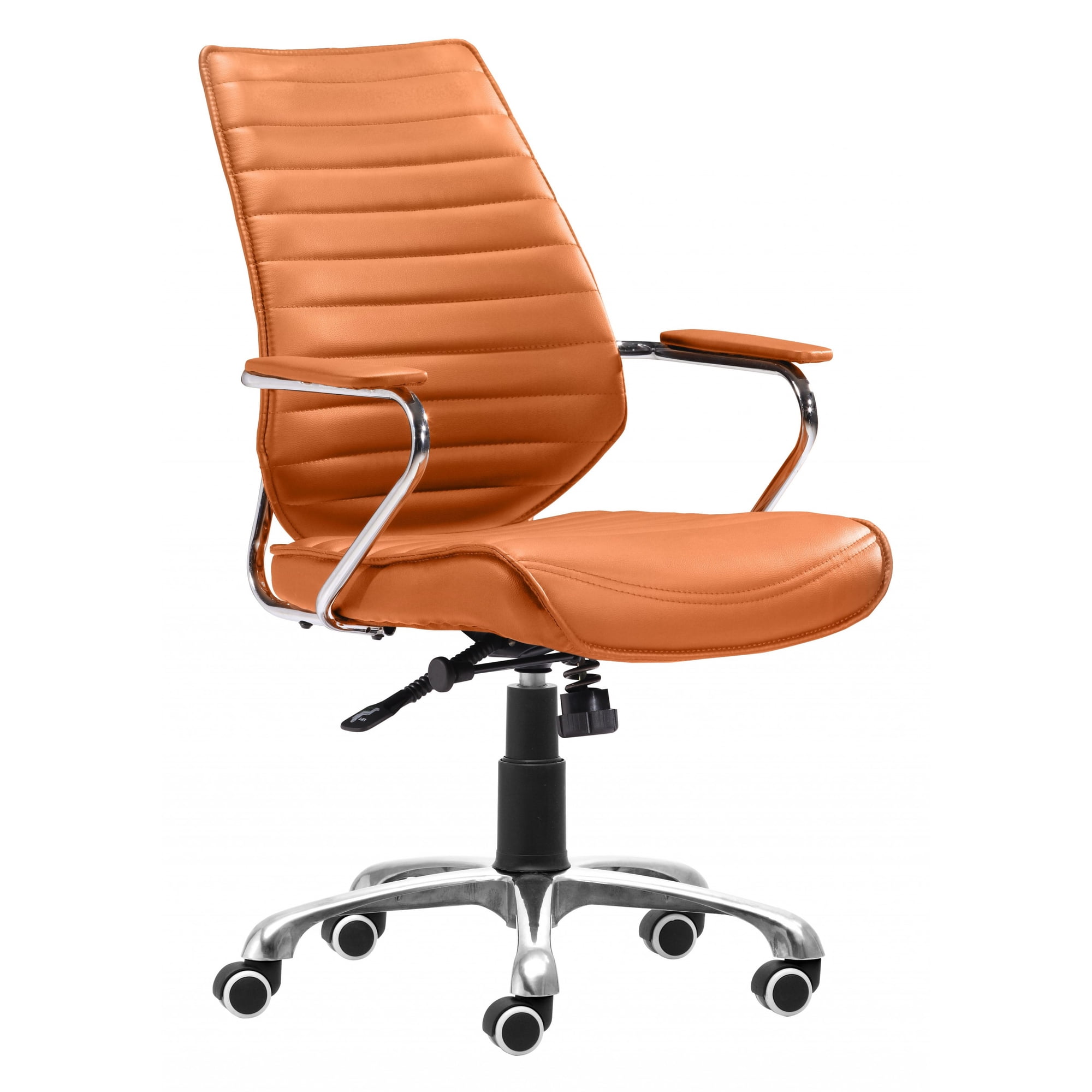
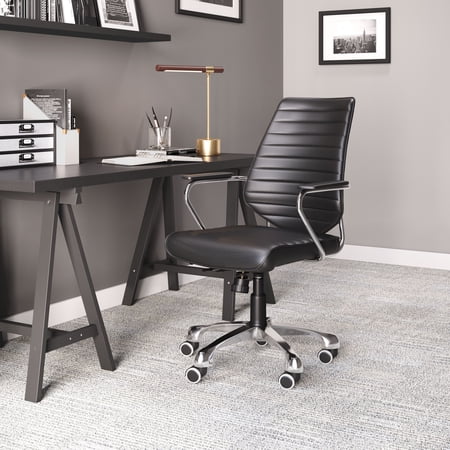
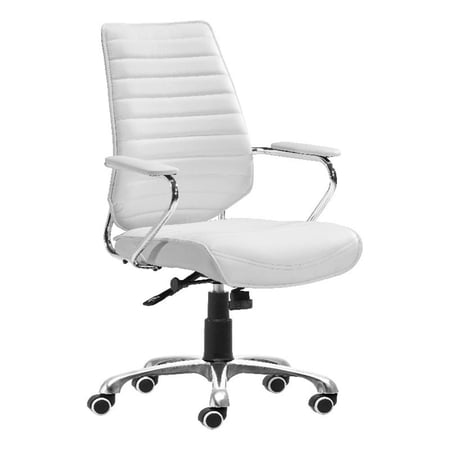
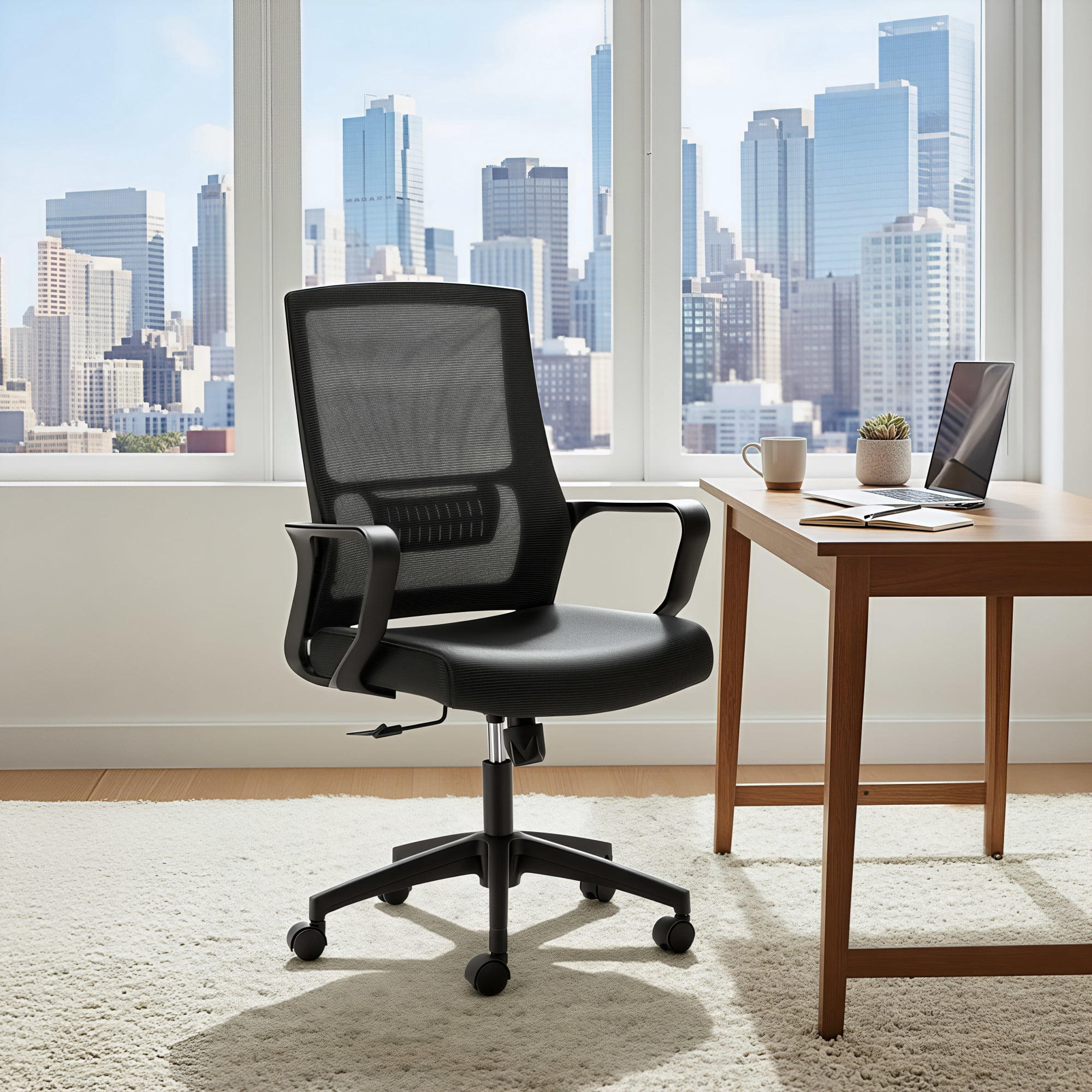
Why a Low Office Chair Might Be Your Best Ergonomic Move
Imagine an office chair that tucks completely out of sight when not in use, leaving your workspace looking open and uncluttered. That's the magic of a low office chair. But these chairs aren't just about aesthetics—they represent a shift towards more dynamic, active sitting. Whether you're working from a low drafting table, a standard desk, or a compact home office corner, a low-profile seat can transform how you work.
Design Insight: According to interior design studies, 68% of home office workers cite "space efficiency" as their top priority. A low office chair, with its reduced visual mass and ability to slide completely under a desk, reclaims valuable floor space and makes a room feel 30% larger.
The Psychology of Low Seating: Encouraging an Active Posture
High-back executive chairs invite you to lean back and recline. A low office chair, by contrast, encourages a more engaged, forward-oriented posture. It's like the difference between a lounge chair and a stool at a kitchen island. This subtle shift can have profound effects on your energy levels and focus.
1. The "Ready to Work" Position
When you sit in a low chair without a towering backrest, your body naturally adopts a more upright stance. Your core muscles engage slightly to maintain stability, which can lead to increased alertness. This is often called "active sitting."
- Improved Core Strength: A 2023 ergonomics report suggested that workers using low-back chairs for 4+ hours a day reported a 15% improvement in core endurance over six months.
- Enhanced Mobility: Swiveling and reaching for items becomes easier without a high backrest hindering your movement. You're more connected to your workspace.
- Visual Openness: In collaborative environments, low chairs don't create visual barriers, fostering better team communication.
2. Under-Desk Freedom: The Tuck-Away Advantage
The primary practical benefit is the ability to push the chair completely under the desk. This isn't just about saving space; it's about creating a clean, professional environment for video calls. No more chair sticking out awkwardly into the room.
3. Low Chair vs. Standard Task Chair: A Quick Comparison
| Feature | Low Office Chair | Standard Task Chair |
|---|---|---|
| Backrest Height | Typically ends at mid-back or below shoulder blades | Reaches shoulders or head |
| Best For | Under-desk storage, active sitting, small spaces | All-day static sitting, full-back support |
| Visual Impact | Minimalist, unobtrusive | Commanding, prominent |
| Typical Seat Height Range | 16" – 19" | 18" – 22" |
4. Who Benefits Most from a Low Office Chair?
While versatile, this style is a perfect fit for specific users and scenarios:
- Petite Individuals: Standard chairs often have a minimum seat height that's too high, causing dangling feet. Low chairs offer a better fit.
- Artists & Designers: For those who lean over drafting tables or easels, a low chair provides proximity without a backrest getting in the way.
- Multi-Purpose Spaces: In a bedroom or living room used as an office, a low chair can be easily stowed to transform the space back to its original purpose.
- Minimalists: If you love clean lines and uncluttered spaces, the low-profile design is a natural choice.
5. Essential Features to Look For
Don't let the compact size fool you—a quality low office chair should still be packed with ergonomic features. Here's your checklist:
- Adjustable Seat Height: Crucial for aligning your thighs parallel to the floor. Look for a pneumatic lift with a wide range.
- Lumbar Support: Even with a low back, dedicated lower back support is non-negotiable for preventing slouching.
- Waterfall Seat Edge: This curved front edge relieves pressure on the back of your thighs, promoting healthy blood circulation.
- Smooth-Rolling Casters: Essential for easy movement, especially if you'll be pushing the chair under a desk frequently. Consider rollerblade-style wheels for hard floors.
- Stable Base: A five-point base is standard, but ensure it's made of durable materials like nylon or polished aluminum.
6. The "Low Chair" Myth: It's Not Just for Short People
There's a common misconception that low office chairs are only for shorter individuals. In reality, they are an ergonomic solution for anyone who wants to maintain a specific desk height or prefers active sitting. A tall person can absolutely use a low chair if their desk height is appropriately set and they receive adequate lumbar support. The key is adjustability, not the absolute height of the backrest.
According to a 2022 survey by the Global Workplace Analytics group, 42% of remote workers reported using a desk that was not originally designed for office work—often a standard dining or writing desk. These surfaces are typically 28-29 inches high, which pairs perfectly with a low office chair adjusted to a seat height of 17-18 inches. This alignment prevents the "perched" feeling that comes with using a standard office chair at a low desk.
7. Pros and Cons at a Glance
✅ Advantages
- Superior space-saving design
- Encourages active, upright posture
- Visually lightweight & modern
- Often more affordable than high-back chairs
- Ideal for low desks and multi-use rooms
⚠️ Considerations
- No head or neck support
- May not suit those needing upper back support
- Less "executive" presence in formal offices
- Requires more core engagement (can be a pro or con)
8. Three Scenarios Where a Low Chair Excels
🏠 The Home Office Nook
A corner desk in the living room. When the workday ends, slide the low chair under the desk. The room instantly becomes a family space again, with no visual reminder of work.
🎨 The Creative Studio
Working at a slanted drafting table. A low, backless stool or chair lets you lean in close to your work, providing support without restricting your upper body movement.
📞 The Customer Service Desk
In a high-traffic area, low chairs on casters allow employees to quickly turn and access files or computers behind them, promoting fluid motion and efficiency.
Frequently Asked Questions About Low Office Chairs
Conclusion: Small Chair, Big Impact on Your Workspace
Choosing a low office chair is a deliberate step towards a more flexible, efficient, and modern work environment. It's a declaration that you value space, freedom of movement, and a design that adapts to your life, not the other way around. Whether you're optimizing a tiny apartment corner or simply prefer the clean look of an uncluttered desk, the right low-profile chair can elevate your daily work experience. Focus on finding one with the essential ergonomic adjustments, and you'll discover that great things really do come in small packages.