
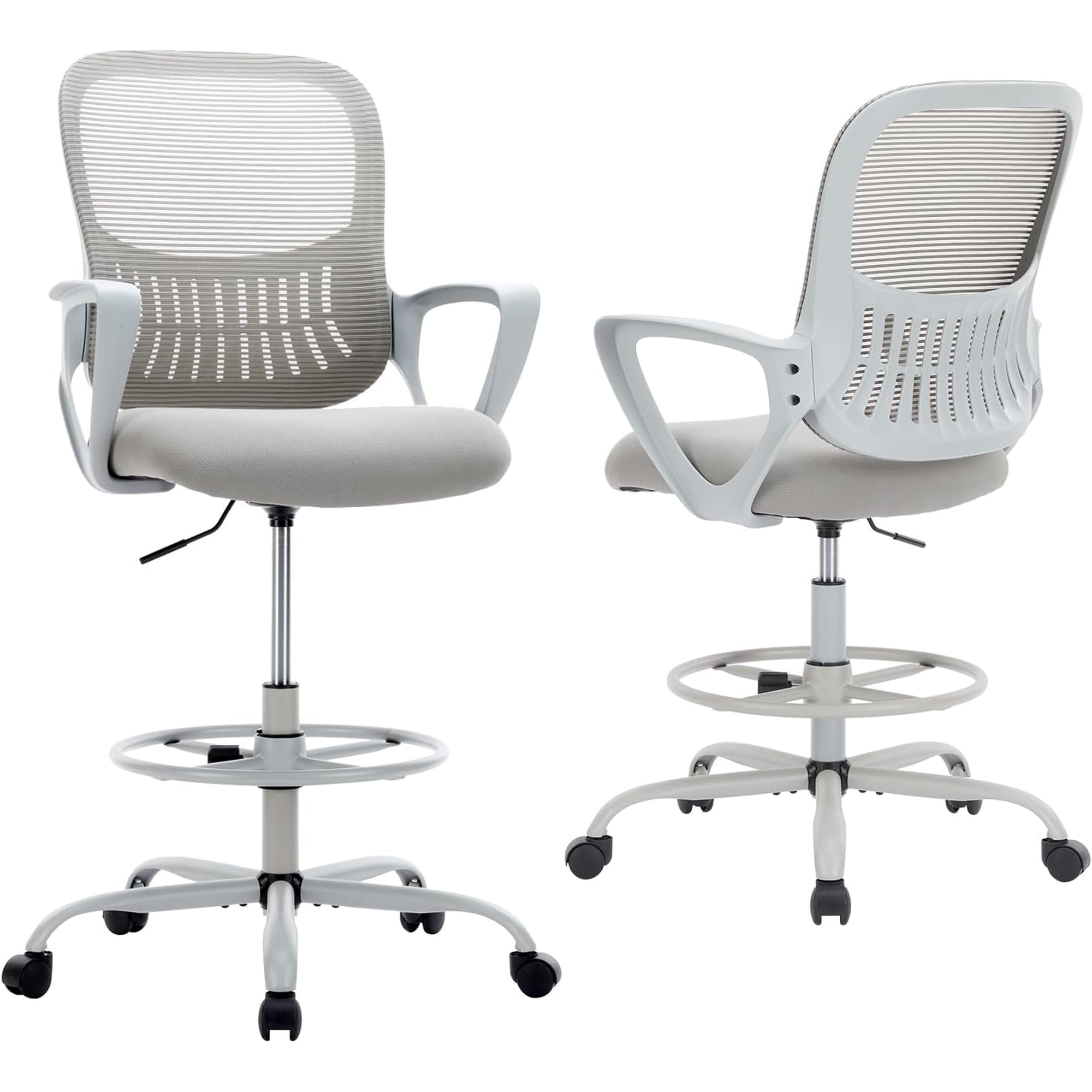
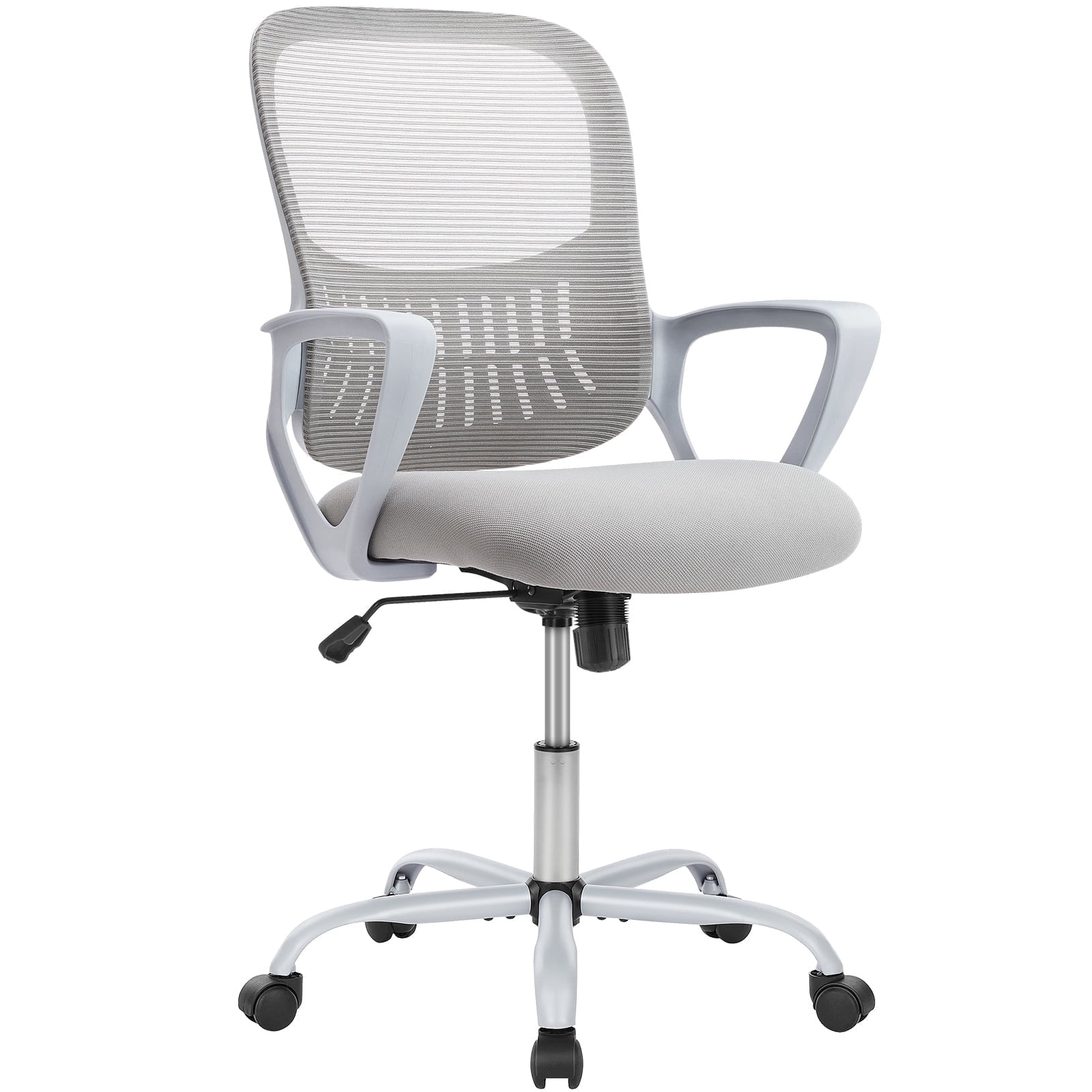
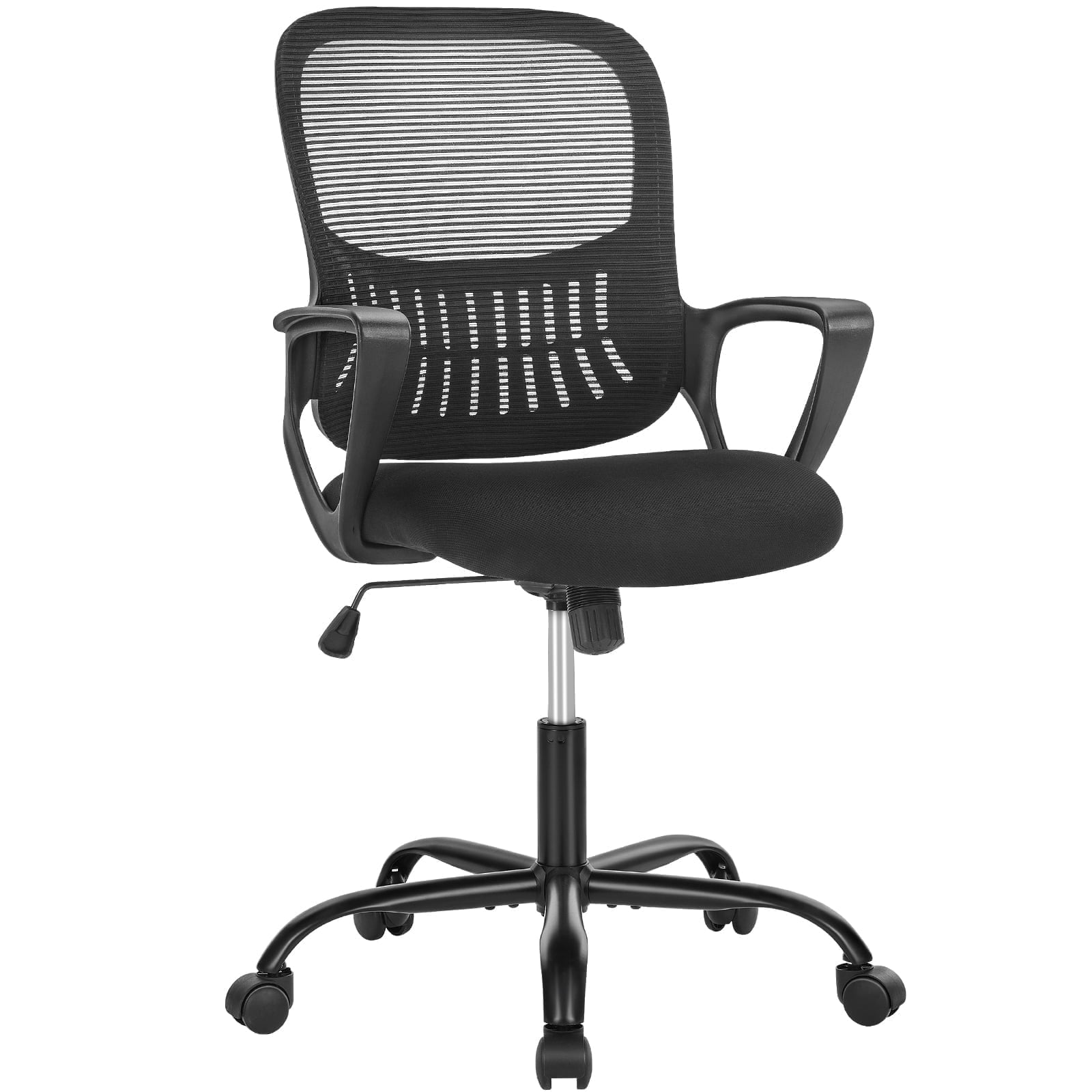
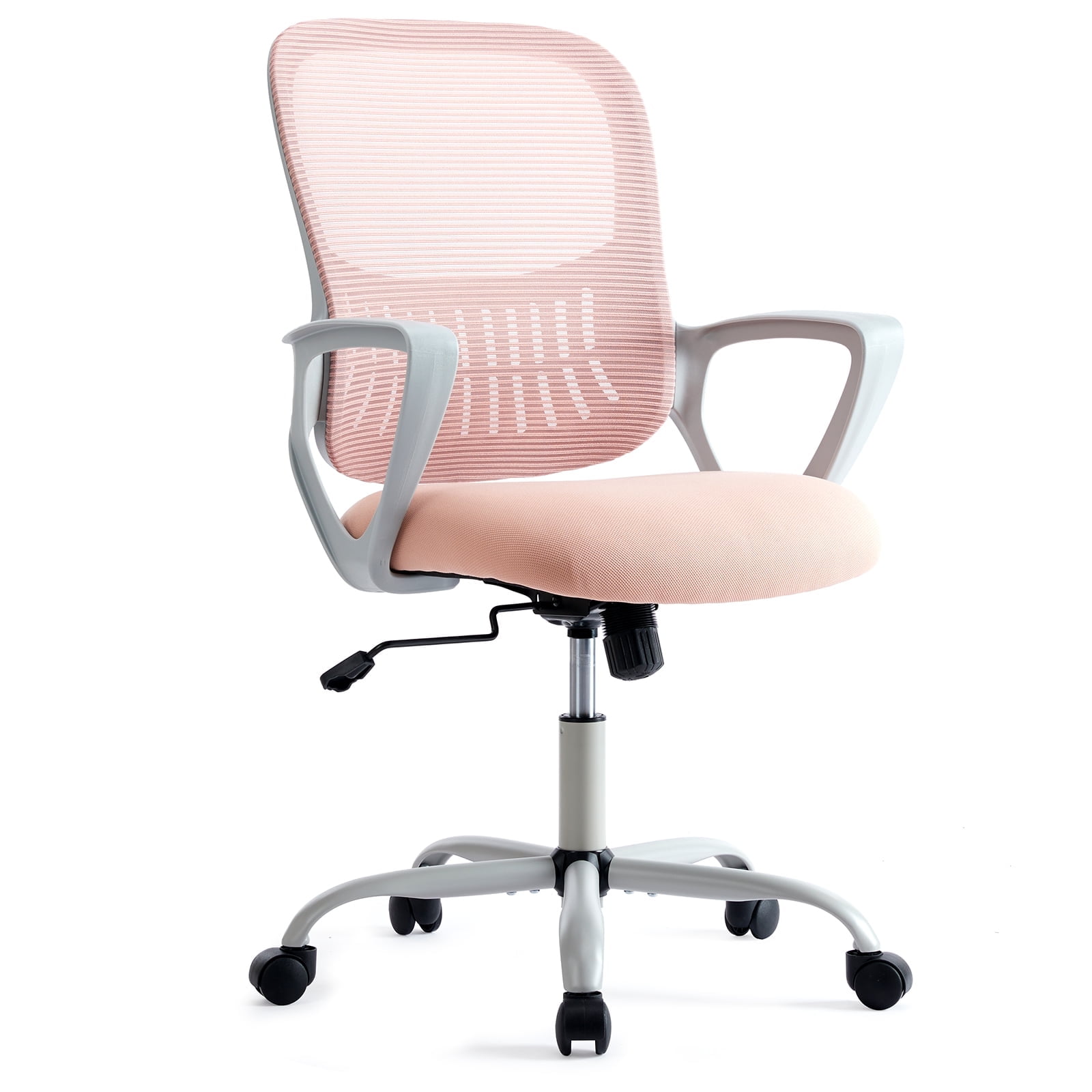
Why Choose an Ergonomic Standing Office Chair?
Imagine your workspace as a dynamic environment, not a static one. An ergonomic standing office chair is the bridge between sitting and standing, offering a "perching" position that keeps your body engaged and your mind sharp. Unlike traditional office chairs that encourage slouching, these active seats are designed for adjustable desks and health-conscious professionals.
Health Insight: Studies show that alternating between sitting and standing can reduce the risk of metabolic syndrome by up to 35%. A standing office chair enables this transition seamlessly, promoting better cardiovascular health and muscle engagement throughout the day.
Key Features of Ergonomic Standing Chairs
What sets a quality standing office chair ergonomic apart from standard seating? Here are the essential features to look for:
- Extended Height Range: Gas lift mechanisms that adjust from 22 to 35 inches, perfectly matching standing desk heights.
- Active Seating Mechanism: The seat often tilts or rocks slightly, encouraging micro-movements that reduce muscle stiffness.
- Ergonomic Knee Support: Some models feature a padded knee rest to distribute weight and reduce pressure on the lower back.
- Sturdy Base: A wide, five-star base with dual-wheel casters ensures stability even at maximum height.
- Breathable Fabric: High-quality mesh or ventilated upholstery prevents overheating during active sitting.
Standing vs. Traditional: The Ergonomic Advantage
Making the switch to a standing chair is like trading a hammock for a fitness ball — it's about engagement. Here's why professionals are making the move:
| Feature | Standing Office Chair | Traditional Office Chair |
|---|---|---|
| Posture Engagement | Encourages pelvic tilt, core activation | Often promotes slouching |
| Height Range | 22" - 35" (ideal for standing desks) | 15" - 21" (standard desk height) |
| Seat Design | Narrow, saddle-shaped or with knee support | Wide, flat seat pan |
| Calorie Burn | ~15-20% higher energy expenditure | Low, static metabolism |
| Best Use Case | Active workstations, designers, technicians | Long meetings, focused desk work |
Health & Productivity Benefits
Switching to an ergonomic standing office chair is an investment in your well-being. Here's how it pays off:
Reduced Lower Back Strain
Active sitting reduces lumbar disc pressure by up to 30% compared to traditional chairs.
Improved Circulation
Leg engagement helps pump blood back to your heart, preventing edema and fatigue.
Enhanced Core Strength
Balancing on a perching seat naturally engages your abdominal and back muscles.
Increased Alertness
Movement stimulates blood flow to the brain, enhancing focus and cognitive performance.
How to Choose the Perfect Ergonomic Standing Chair
Selecting a standing office chair ergonomic requires a different approach than buying a standard seat. Follow this practical guide to find your match:
Step 1: Assess Your Workspace
- Desk Height: Measure your desk height (typically 40-48 inches for standing desks). Ensure the chair's max height is at least 3-4 inches above this for comfortable perching.
- Floor Space: Standing chairs often have a smaller footprint, but ensure enough room to swivel and move.
- Weight Capacity: Check the manufacturer's rating. Aim for at least 300 lbs for durability.
Step 2: Identify Your Usage Style
Choose a saddle-style seat with a tall backrest for occasional leaning.
Select a model with a gas spring for easy height changes.
Prioritize a footring and a wider base for stability.
Opt for a compact, minimalist design that tucks under the desk.
Step 3: Set Your Budget
Quality standing chairs range from entry-level to premium. Here's a breakdown:
Entry Level
Basic gas lift, standard seat, suitable for occasional use.
Mid-Range
Better ergonomics, knee support, or saddle options, high-quality casters.
Premium
Fully adjustable, medical-grade materials, extended warranties.
Pro Tip: Test the chair's height range and seat tilt. A good standing chair should feel like a natural extension of your standing posture, not a compromise.
Frequently Asked Questions About Standing Office Chairs
Conclusion: Elevate Your Workday with a Standing Office Chair
An ergonomic standing office chair is more than a piece of furniture—it's a commitment to a healthier, more dynamic work life. By fostering movement and supporting the natural curves of your spine, these chairs help combat the dangers of prolonged sitting. Whether you're a designer, developer, or executive, integrating a standing chair into your setup can boost your energy, focus, and long-term well-being.
Your Next Move
Prioritize a chair with excellent lumbar support and a wide height range. Your body will thank you.
Look for a compact saddle chair with a footring and a small footprint.
Mid-range models often offer the best value, balancing features and durability.
Take the step today. Explore the top-rated standing office chair ergonomic options above and find the perfect partner for your active workspace.