
Why You Need a High Back Office Chair with Neck Support
If you've ever ended a workday with a stiff neck or aching shoulders, you know the toll that poor seating can take. Standard office chairs often leave the upper back and neck unsupported, forcing your muscles to work overtime just to keep your head upright. That's where office chairs with high back and neck support come in. They are specifically engineered to cradle your entire spine, from the lumbar region to the cervical curve, promoting a healthier, more comfortable posture throughout the day.
Did you know? According to a study published in the Journal of Physical Therapy Science, using a chair with proper neck and back support can reduce musculoskeletal discomfort by up to 41% and improve concentration by 18%. Investing in the right chair is investing in your health and productivity.
The Anatomy of a High-Back Ergonomic Chair
Not all high-back chairs are created equal. The best models feature several key components that work together to provide holistic support. Understanding these elements will help you make an informed decision.
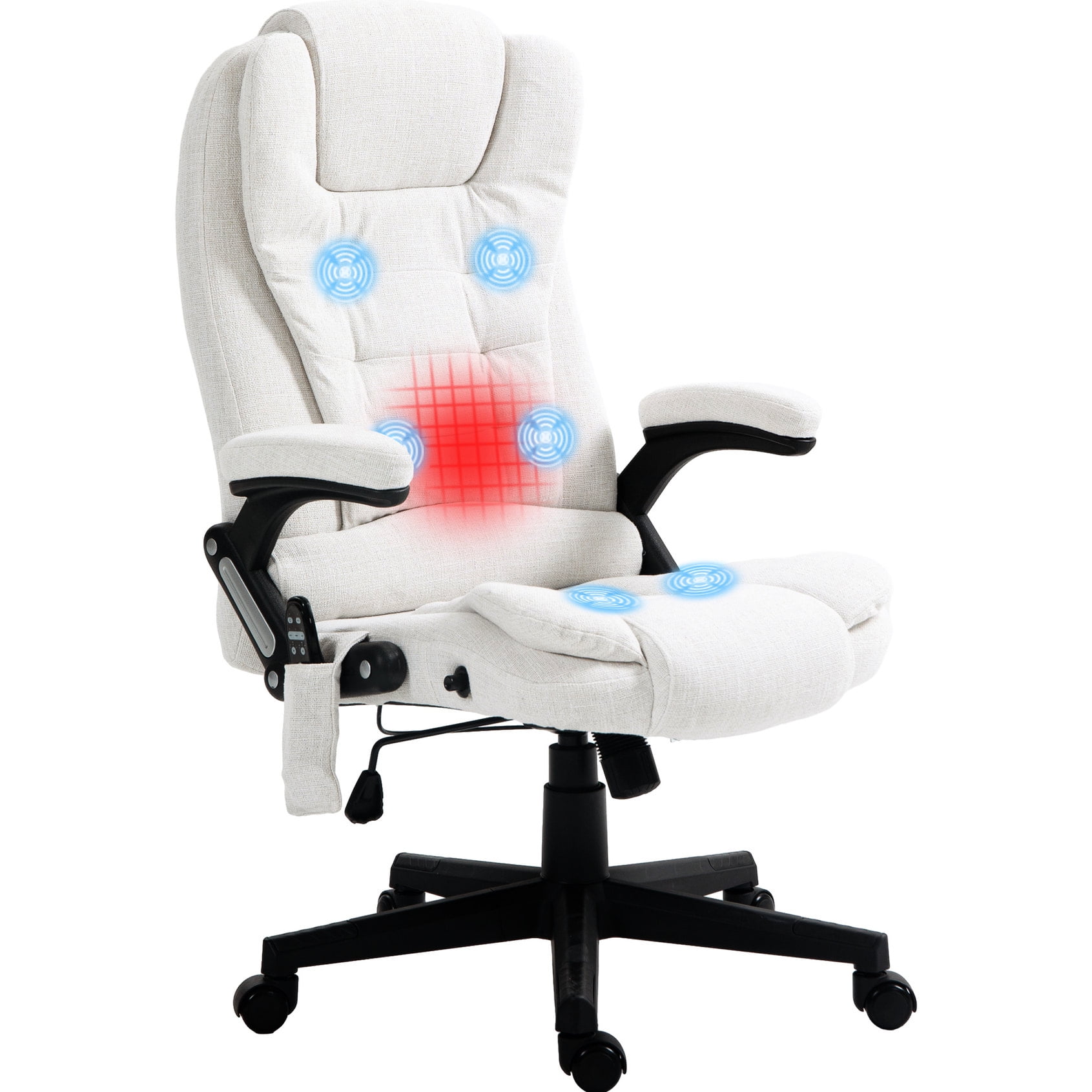
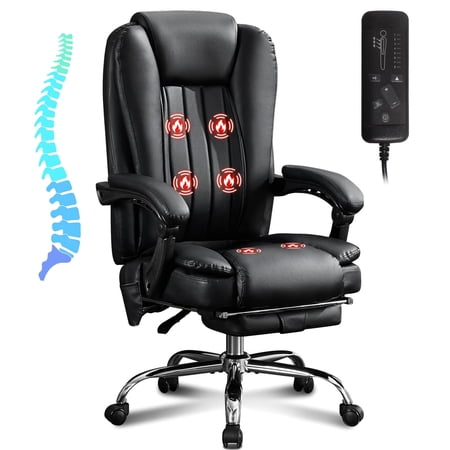
- Contoured Backrest: Designed to mimic the natural 'S' curve of your spine, providing support to the lumbar, thoracic, and cervical regions.
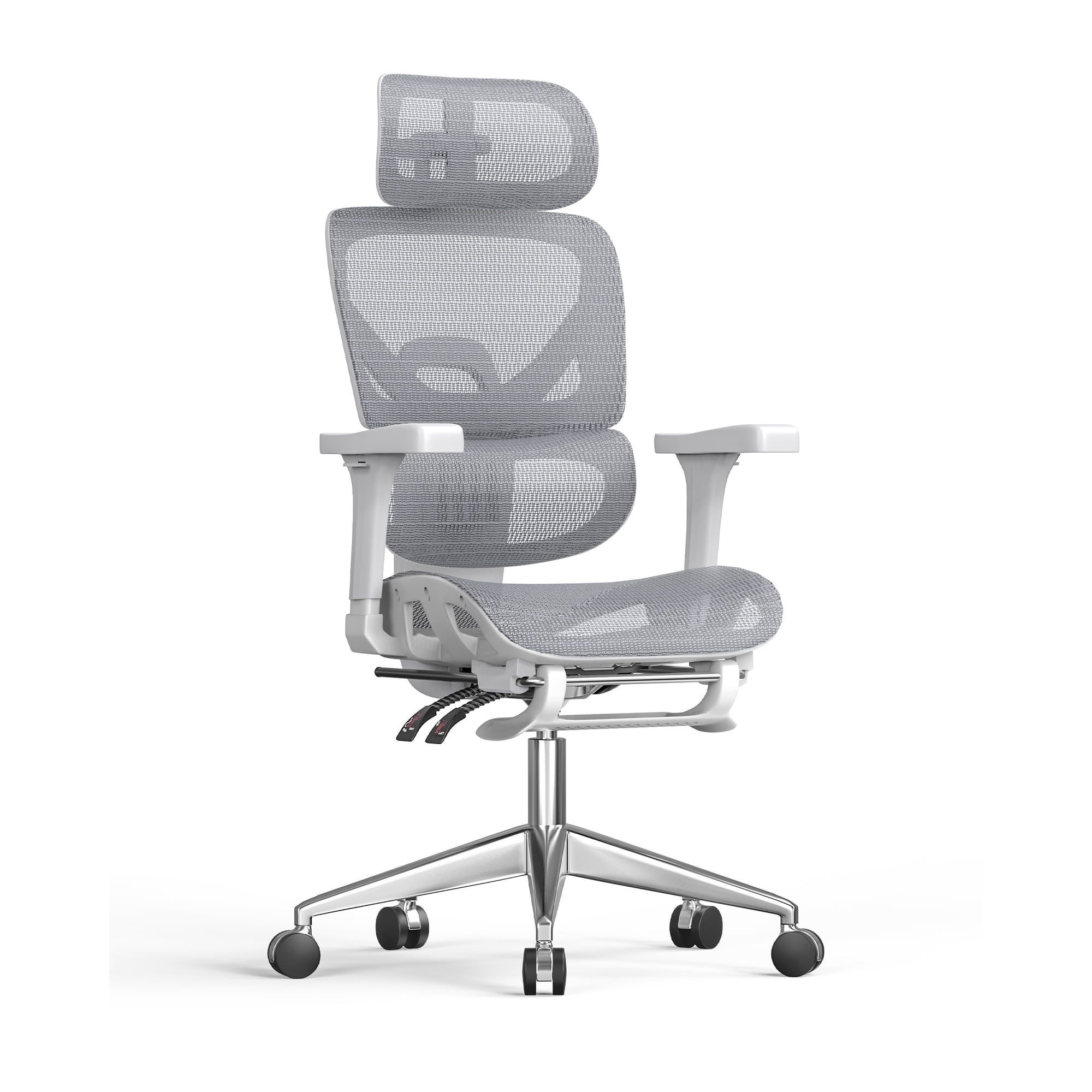
- Adjustable Headrest: A dedicated neck support that can be moved up/down and tilted to match the curve of your neck, relieving pressure on the cervical vertebrae.
- Dynamic Lumbar Support: Many models offer depth and height adjustment, allowing you to fine-tune the lower back support to your specific needs.
- Seat Depth Adjustment: Ensures proper thigh support without cutting off circulation, a feature often overlooked but crucial for long-term comfort.
- Multi-Directional Armrests: Allow you to position your elbows and shoulders in a relaxed, neutral position, reducing upper body tension.
Key Features to Look For
When browsing for the ideal office chair with high back and neck support, prioritize these features to ensure you get the best value and comfort:
| Feature | Why It Matters | What to Look For |
|---|---|---|
| Headrest | Prevents forward head posture (tech neck) and alleviates neck strain. | Height and angle adjustable; should support the cervical curve, not just the head. |
| Lumbar Support | Maintains natural spinal alignment, reducing lower back pain. | Independent height and depth adjustment. Some chairs offer air or dynamic lumbar. |
| Seat Pan | Distributes weight evenly and prevents leg fatigue. | Waterfall edge to reduce pressure on thighs; adjustable depth (minimum 17-19 inches). |
| Recline Mechanism | Allows you to shift positions and relax during breaks, promoting circulation. | Multi-lock tilt mechanism with tension adjustment; should recline as a unit (back and seat). |
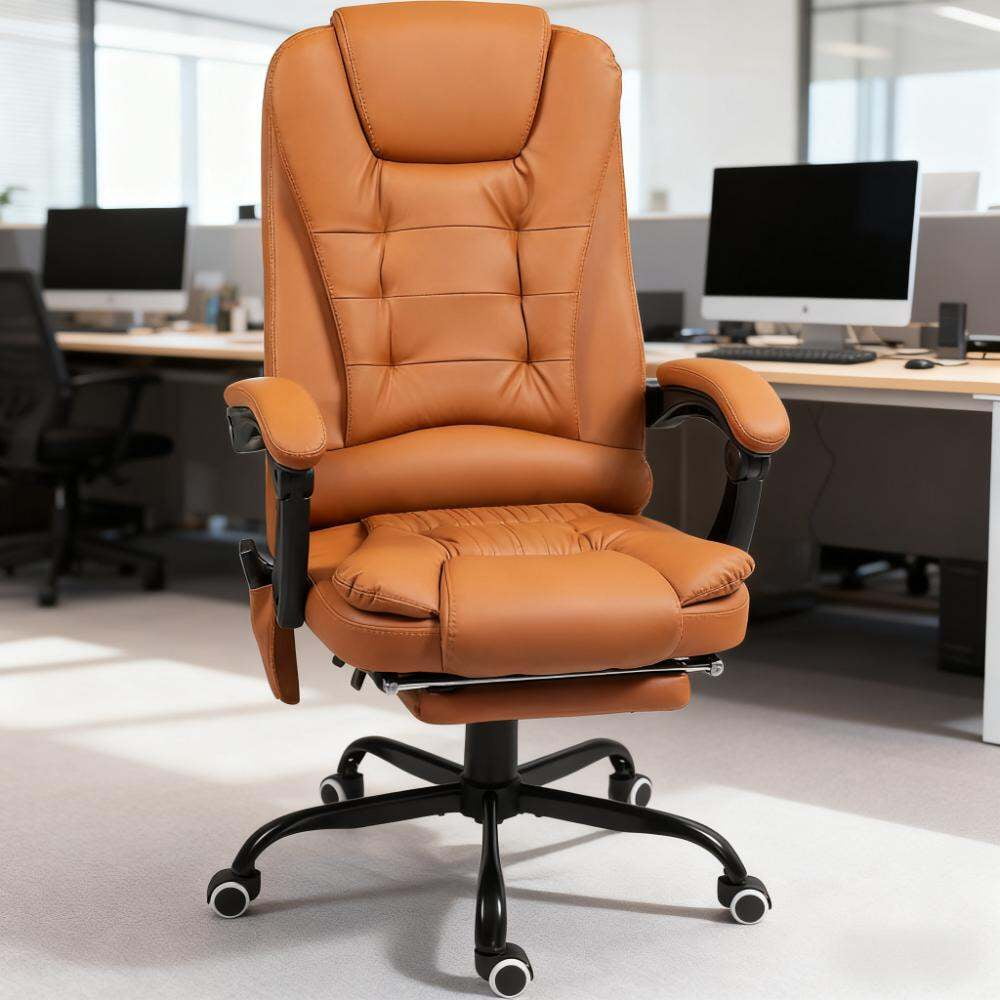
| Material | Affects breathability, durability, and overall feel. | Breathable mesh for warm climates; premium leather for a classic, professional look. |
The Health Benefits of Proper Neck and Back Support
Investing in a high-back chair with neck support is a decision that pays dividends in multiple ways:
Reduced Neck Pain
By supporting the natural curve of your cervical spine, an adjustable headrest prevents the 'forward head' posture that leads to chronic neck pain and headaches.
Improved Breathing
Good posture opens up the chest cavity, allowing for deeper, more efficient breathing, which can increase oxygen flow and energy levels.
Enhanced Focus
When you're not distracted by discomfort, your brain can concentrate fully on the task at hand, leading to higher productivity and better work quality.
Professional Appearance
A sleek, high-back chair in your office not only feels great but also projects an image of success and attention to detail during video calls and in-person meetings.
High Back vs. Mid Back: Which is Right for You?
One of the most common questions is whether to choose a high-back or mid-back chair. The answer depends largely on your height, the type of work you do, and any existing pain points.
A high-back chair offers support all the way up to your shoulders and often includes a headrest. It is ideal for taller individuals, those who suffer from neck and shoulder tension, or anyone who wants full spinal support during long work sessions. It encourages you to lean back and use the headrest, which is a healthy resting position.
A mid-back chair supports the lumbar and thoracic regions but stops at the shoulders. While it can be very comfortable, it does not provide neck support. If you primarily lean forward while working (e.g., on a laptop) and don't use a headrest, a mid-back could suffice. However, for overall spinal health, the high-back option with neck support is generally recommended.