
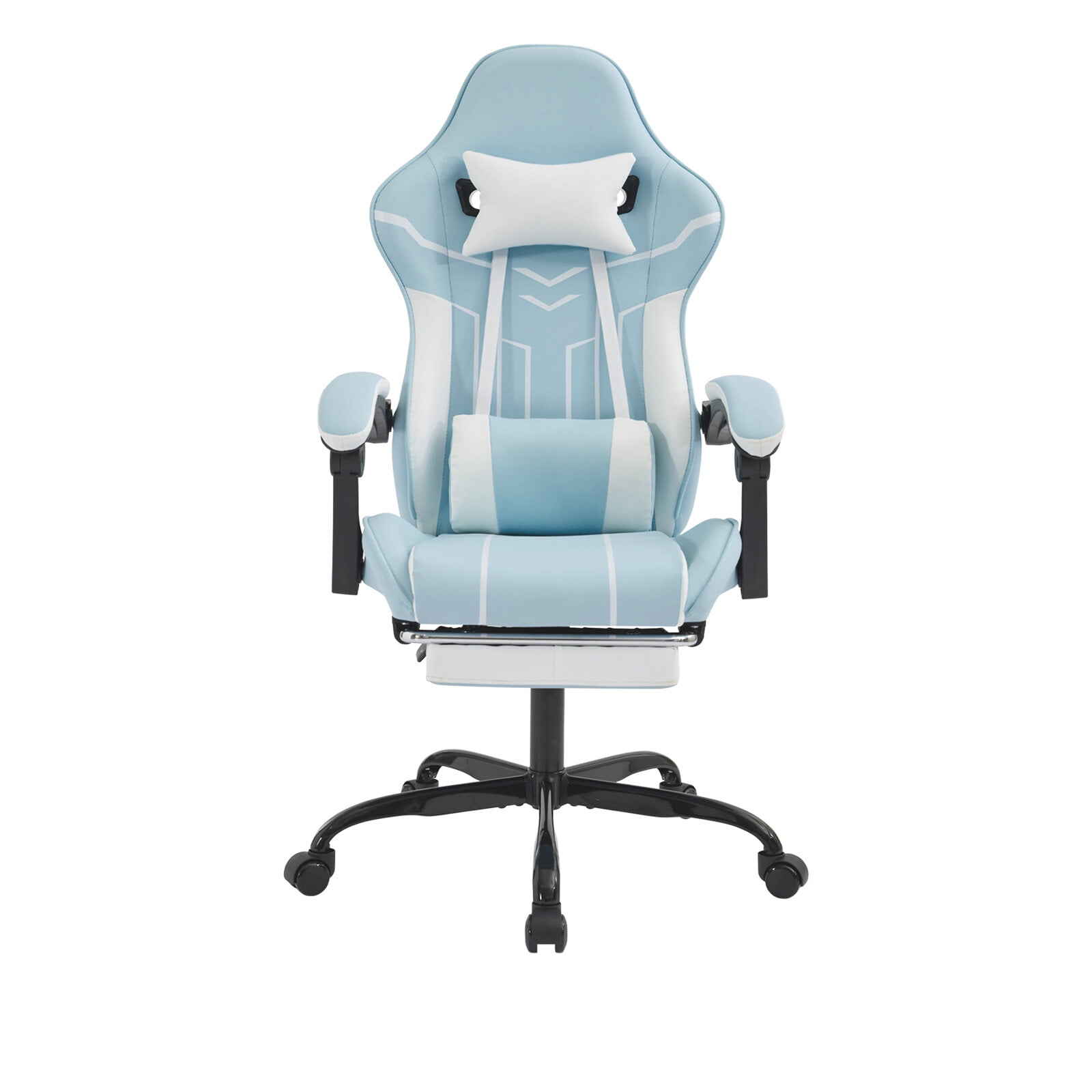
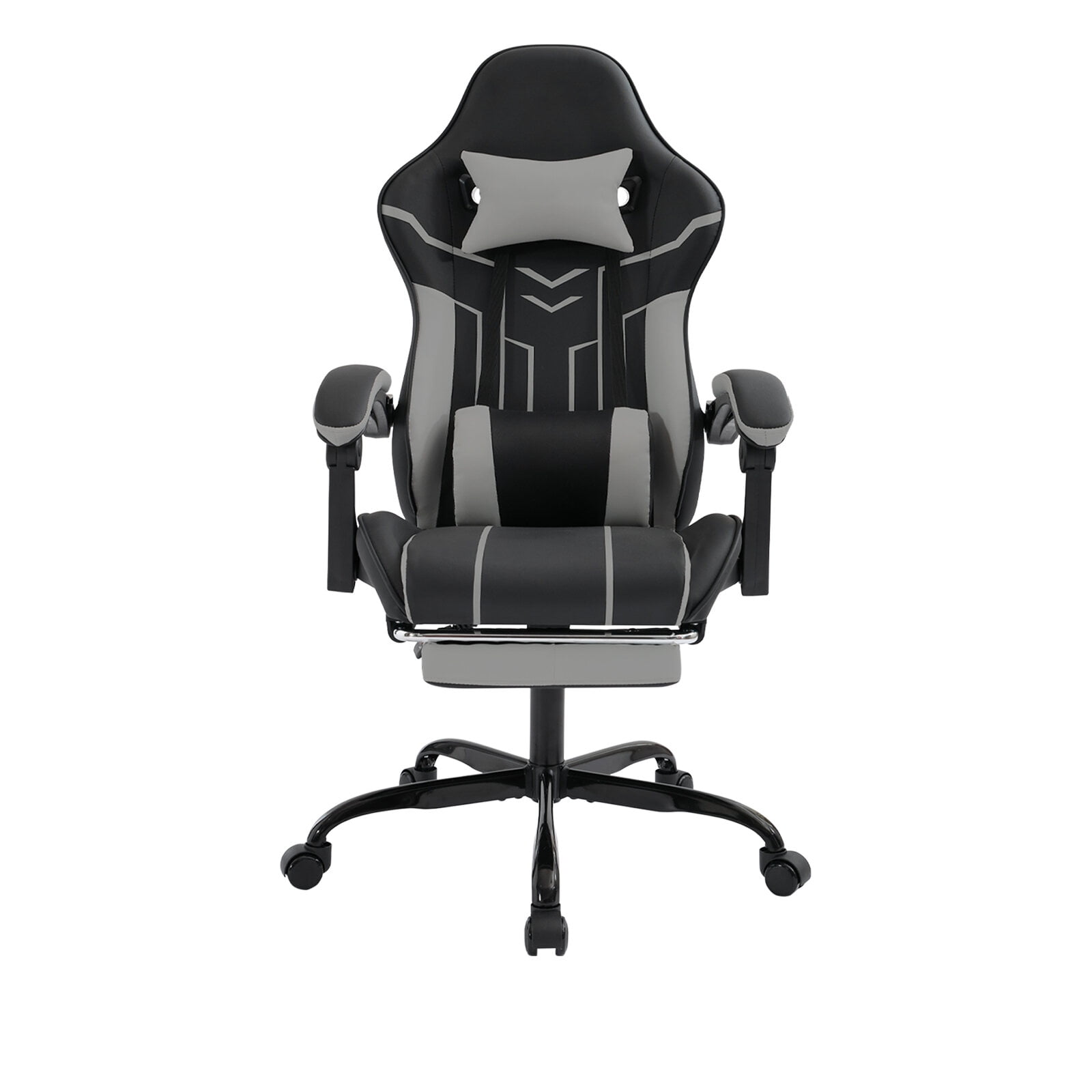
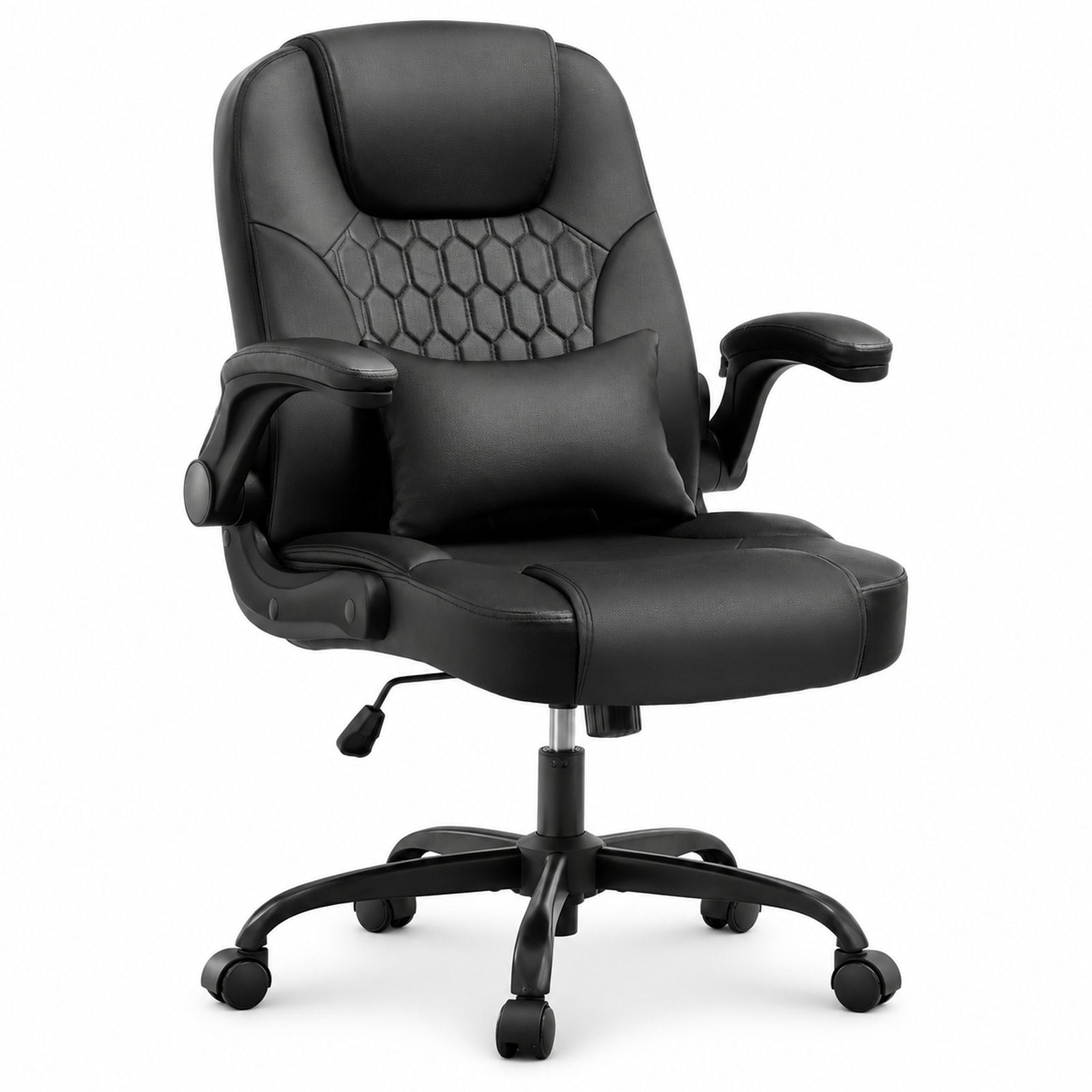
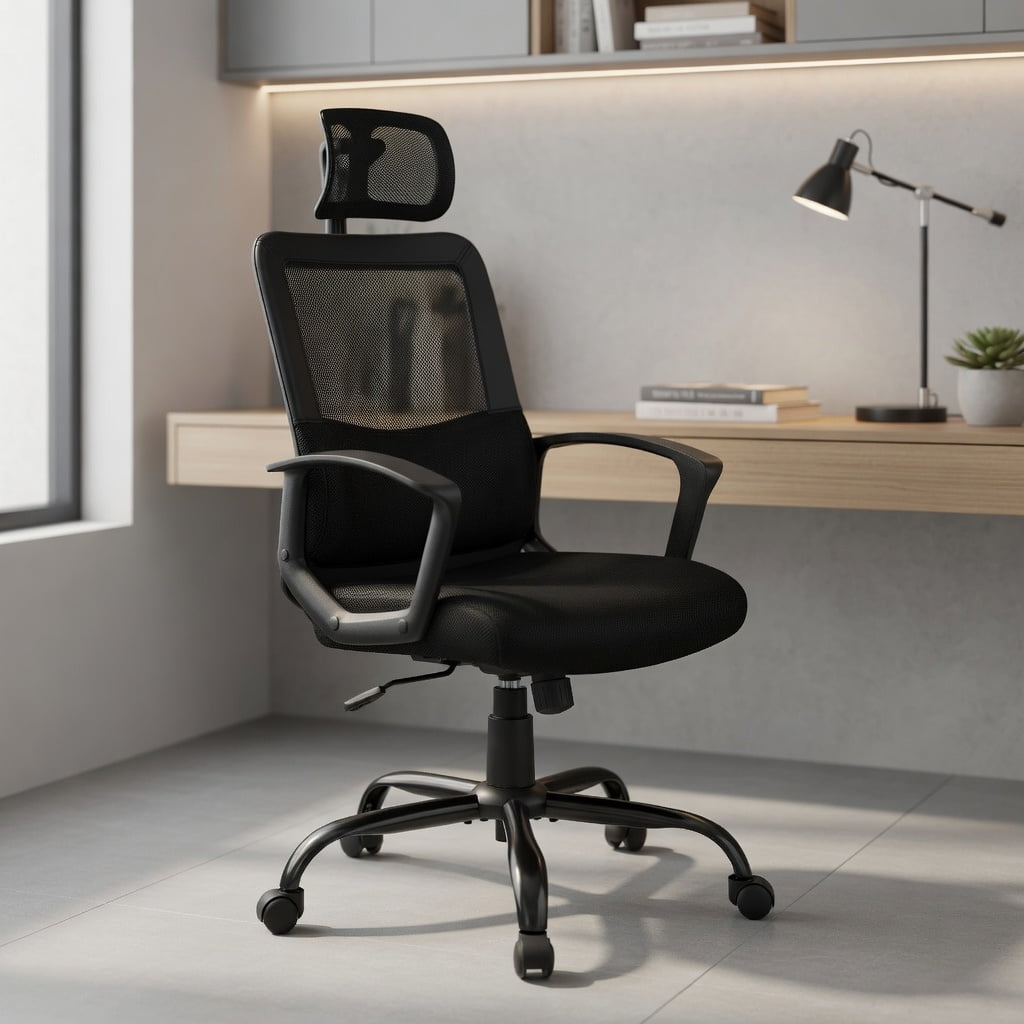
The Hidden Struggle: Why Standard Office Chairs Fail Petite Frames
Imagine trying to drive a car where you can't quite reach the pedals, the seat is too far back, and the headrest pushes your neck forward. This is the daily reality for millions of petite individuals—typically those 5'4" and under—using a standard office chair. The "one-size-fits-all" approach to office seating is a myth, and for smaller bodies, it can be a direct path to chronic discomfort and long-term health issues.
Ergonomic Reality Check: A study from the Human Factors and Ergonomics Society found that mismatched office furniture is a primary contributor to musculoskeletal disorders. For petite users, a chair that is too large forces the body into awkward postures to compensate, leading to a 65% increase in reported back and neck pain compared to those using properly fitted seating.
A petite ergonomic office chair isn't just a smaller version of a standard chair. It's a meticulously engineered solution designed to align the chair's dimensions—seat height, seat depth, backrest height, and armrest placement—with the specific anthropometrics of a smaller body. This guide will walk you through why this matters and how to choose the perfect chair to protect your health and boost your comfort.
Decoding the Perfect Fit: 5 Non-Negotiable Features of a Petite Ergonomic Chair
Selecting the right petite chair is about more than just aesthetics. You need to become a detective of dimensions. Here are the five critical areas you must evaluate, explained through practical analogies.
1. Seat Height: The "Feet-on-the-Floor" Foundation
Think of your chair's seat height like the foundation of a house. If it's uneven, everything built on top is compromised. For petite individuals, the most common problem is a chair that sits too high. This forces your feet to dangle, cutting off circulation behind your knees (a phenomenon often called "pooling") and increasing pressure on your lower back. A proper petite ergonomic office chair must have a pneumatic cylinder that allows the seat to go low enough—ideally 16 to 17 inches from the floor—so you can place your feet flat. This grounded posture stabilizes your pelvis, which is the first step to a neutral spine.
2. Seat Depth: The "Two-Finger" Rule
Seat depth is often the most overlooked, yet most critical, feature. It’s like buying a pair of shoes: if they're too long, your heel slips and you walk awkwardly. A standard seat pan (usually 19-20 inches deep) can be too long for a petite person, meaning the edge of the seat presses into the back of your knees (the popliteal fossa). This restricts blood flow and nerve sensation.
- The Test: When you sit back against the chair's backrest, you should be able to fit 2 to 3 fingers between the back of your knee and the edge of the seat.
- The Solution: Look for chairs with a shallower seat pan, ideally 16-17 inches deep, or adjustable seat depth (seat slider) mechanisms that let you shorten the effective depth.
3. Backrest Height & Lumbar Support: Hitting the Right Spot
Imagine trying to hang a picture on a wall, but the nail is placed too high. The picture just won't align properly. The same goes for lumbar support. On a standard chair, the built-in lumbar curve often hits a petite person's mid-back or shoulders, offering zero support for the lower back where it's needed most. A quality petite ergonomic chair features an adjustable lumbar support that can be moved lower, or a backrest that is shorter in height, ensuring the curve fits snugly into the hollow of your lower back (the lumbar region). This provides the necessary support to maintain the spine's natural S-curve.
4. Armrest Adjustability: The "Relaxed Shoulder" Principle
Your shoulders should be relaxed, not hunched up to your ears like a turtle. Armrests that are too wide or too high are a primary culprit. For petite users, standard armrests often force the shoulders to elevate or the arms to splay outwards, creating tension in the neck and upper trapezius muscles.
- Height Adjustment: Look for armrests that can be lowered significantly so your elbows rest at a 90-degree angle, with your forearms parallel to the floor.
- Width Adjustment: Adjustable width is a game-changer. It allows you to bring the armrests closer to your body, providing support directly under your elbows without flaring your arms out.
- Pro Tip: 4D armrests (adjustable up/down, left/right, forward/back, and pivot) offer the ultimate customization for a petite frame.
5. Weight Activation: The "Goldilocks" Mechanism
Many synchro-tilt or recline mechanisms are weight-sensitive. They are calibrated for an "average" user. A petite individual, being lighter, may find that the recline tension is too stiff to lean back comfortably, or that the chair doesn't tilt back at all. This is like a door with a door-closer that's too strong for you to push open. Look for chairs with easily adjustable tension knobs that can be dialed down to respond to your lighter body weight, allowing for smooth and natural movement throughout the day.
The Body-Mind Connection: How Proper Fit Boosts Productivity
The benefits of a perfectly fitted petite chair extend far beyond physical comfort. There's a direct line between your physical state and your cognitive function.
Reduced Distractions
When you're not constantly shifting to find a comfortable position or shaking a numb foot, your brain is free to focus on the task at hand, improving concentration by an estimated 30%.
Enhanced Energy
Proper ergonomics reduce muscle fatigue. Instead of your body spending energy fighting the chair, that energy can be directed toward creative problem-solving and decision-making.
Better Mood
Chronic discomfort is a known contributor to irritability and stress. A comfortable, supportive seating environment promotes a more positive and patient mindset throughout the workday.
Long-Term Health Investment
A quality petite chair is an investment in preventing chronic issues like sciatica, herniated discs, and repetitive strain injuries, saving you from potential pain and medical costs down the road.
Material Matters: Finding the Right Cover for Your Comfort
The material of your chair affects not just the look, but the feel and longevity, especially for petite users who might find some materials too stiff or slippery.
Breathable Mesh
- Best For: Warm climates or those who tend to get hot.
- Why it works: Mesh backrests conform to the spine and provide excellent airflow, preventing that sticky, sweaty feeling. Look for chairs with mesh that has some give but remains supportive.
High-Density Foam with Fabric
- Best For: Plush comfort and a softer feel.
- Why it works: A high-quality foam seat cushion (not too soft, not too hard) provides excellent pressure distribution for the thighs and sit bones. Ensure the fabric is durable and easy to clean.
Premium Leather/Faux Leather
- Best For: A sleek, professional aesthetic.
- Why it works: Leather is durable and easy to wipe clean. For petite users, it's crucial that the leather is soft and supple, not stiff and unyielding, to prevent sliding forward in the seat.
Frequently Asked Questions About Petite Ergonomic Office Chairs
Conclusion: Your Body Deserves a Chair That Fits
Finding the right petite ergonomic office chair is a journey of understanding your own body's needs and matching them with a chair's engineering. It's about moving away from the frustration of "making do" and towards an environment where your workspace actively supports your well-being.
Remember, the best chair is not the most expensive or the most popular—it's the one that fits *you*. It allows you to sit with your feet flat, knees at a right angle, hips open, and spine naturally aligned. By prioritizing the five key features we've discussed—seat height, seat depth, lumbar support, armrest adjustability, and weight activation—you are making a powerful investment. You're investing in your daily comfort, your long-term physical health, and your ability to perform at your best without the distraction of pain.
Your Perfect Fit Checklist
Ensure the minimum seat height is 16" or lower.
Verify a 2-3 finger gap between the seat edge and your knees.
Lumbar support must hit the curve of your lower back.
Armrests should allow a 90-degree elbow angle without hunching.