
Why Upgrade Your Office Chair Wheels?
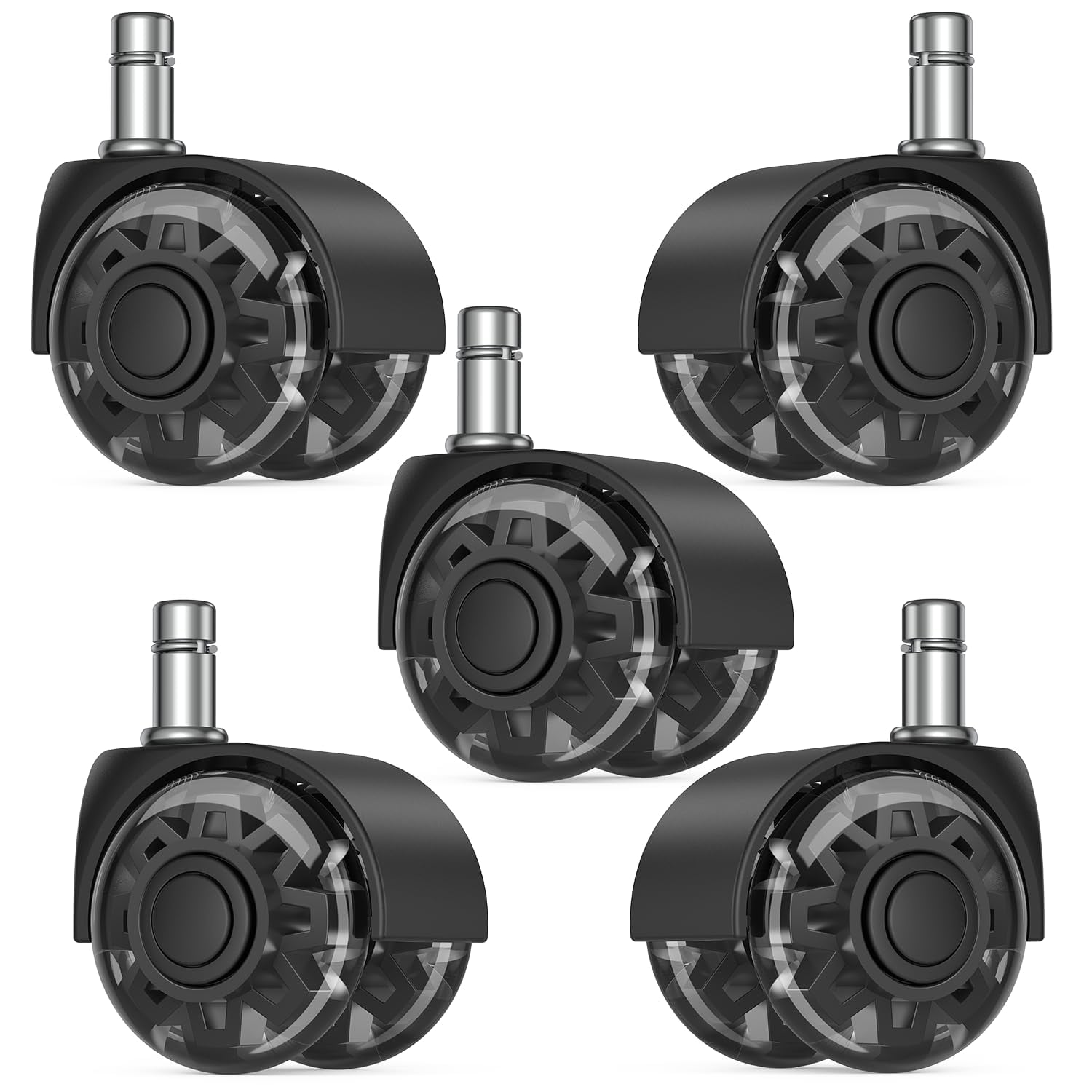
Your office chair is the workhorse of your workspace, but the replacement roller wheels for office chairs are often the most overlooked component. Upgrading your casters is one of the most cost-effective ways to transform your sitting experience. Whether you are battling a sticky carpet, protecting pristine hardwood floors, or simply want a smoother glide, the right set of wheels makes all the difference.
Key Insight: According to a survey by the National Office Furniture Association, 68% of office workers reported increased satisfaction and a perceived boost in productivity after upgrading their chair's casters. Smooth mobility reduces physical strain and distractions, allowing you to focus on your work.
Benefits of High-Quality Replacement Roller Wheels
Investing in premium replacement wheels offers more than just improved rolling. Here are the key benefits you can expect:
- Superior Floor Protection: Soft polyurethane or rollerblade-style wheels are gentle on hardwood, laminate, and tile, preventing scratches and scuffs.
- Effortless Glide & Maneuverability: Advanced bearings and materials ensure a smooth, silent, and responsive roll across various surfaces, reducing strain on your back and legs.
- Enhanced Durability & Longevity: High-quality wheels are built to last, resisting wear and tear better than standard plastic casters, making them a smart long-term investment.
- Reduced Noise: Say goodbye to the annoying squeak and clatter of cheap plastic wheels. Premium wheels operate almost silently, contributing to a quieter and more focused work environment.
- Versatility Across Floor Types: Many modern replacement wheels are designed to perform exceptionally well on both carpets and hard floors, offering a versatile solution for any workspace.
How to Choose the Right Replacement Roller Wheels
Selecting the correct replacement wheels for your office chair involves considering several factors. Use this guide to make an informed decision.
1. Determine Your Floor Type
- Hardwood, Laminate, or Tile: Opt for soft polyurethane or rubber wheels. They grip the floor without slipping and won't leave marks. Look for wheels with a 'hard floor' rating.
- Thick Carpet: Larger, wider wheels (like rollerblade-style) are ideal. They have a larger surface area to distribute weight, preventing them from sinking into the carpet and making movement difficult.
- Low-Pile Carpet or Mats: Standard polyurethane or dual-material wheels work well. They provide a good balance of grip and glide.
2. Check the Stem Size and Type
Most office chairs use one of two common stem sizes:
- Standard (7/16" or 11mm): This is the most common size for office chairs. It typically features a smooth bore and is secured with a clip or friction ring.
- Recessed (5/16" or 8mm): Used by some older or specific brands like Ikea. The stem is thinner and often has a groove for a retaining ring.
Measure the diameter of your current stem or check your chair's manual. Many universal replacement kits include adapters to fit both sizes, simplifying the process.
3. Consider the Wheel Material
Polyurethane
Durable, smooth, and floor-friendly. Ideal for all surfaces, especially hard floors.
Nylon
Extremely durable and great for carpets. Can be harder on hard floors but excellent for thick pile.
Rubber
Provides excellent grip and shock absorption. Good for general use, but may mark some floors.
Rollerblade Style
Features a core and a soft outer tire. Offers the best of both worlds: durability and floor protection.
4. Evaluate Weight Capacity
Check the weight rating of the replacement wheels. Standard wheels support up to 300 lbs, but heavy-duty options are available for up to 500 lbs or more. Choosing wheels with a higher rating than your weight ensures safety and longevity.
5. Assess the Brake Requirement
Do you need your chair to stay firmly in place? Some replacement wheels come with a locking mechanism. This is particularly useful for tasks that require stability, such as detailed drawing or playing instruments at your desk.
Installation Guide: Replacing Your Office Chair Wheels
Replacing your old casters is a simple DIY task that takes just a few minutes. Follow these steps for a safe and easy installation.
- Prepare Your Area: Turn your chair upside down on a clean, soft surface to avoid scratching the armrests.
- Remove the Old Wheels: Pull the old caster out of the socket. If it's stuck, you can gently wiggle it or use a flat-head screwdriver for leverage.
- Inspect the Sockets: Clean out any dust or debris from the sockets where the wheels were inserted.
- Insert the New Wheels: Align the new caster's stem with the socket and push it in firmly until you hear a click or it sits flush.
- Test the Mobility: Flip the chair over and test the new wheels on your floor. Ensure they roll smoothly and lock properly (if applicable).
Pro Tip: If you encounter resistance, do not force the wheel. The stem might be the wrong size or you may need to remove a shipping pin or protective cap from the new wheel.