
Why Your Desk and Chair Must Work in Perfect Harmony
Think of your office as an ecosystem, and the desk and chair are the two keystone species. If they don't coexist peacefully, the whole system suffers. You might have the most ergonomic chair money can buy, but if your desk is too high, you'll hunch your shoulders. Conversely, a beautiful desk loses its appeal if your chair leaves you with back pain by noon. According to the Human Factors and Ergonomics Society, properly matched workstations can boost productivity by up to 23% and reduce discomfort reports by half. This guide isn't just about buying furniture; it's about creating a partnership between you, your chair, and your desk for years of comfortable, focused work.
The Perfect Match: Understanding the Desk-Chair Relationship
Selecting a desk and chair isn't about picking two nice-looking items; it's about ensuring they function as a single, cohesive unit. Let's explore the critical dimensions and dynamics that define a successful pairing.
1. The Golden Rule: Seated Elbow Height
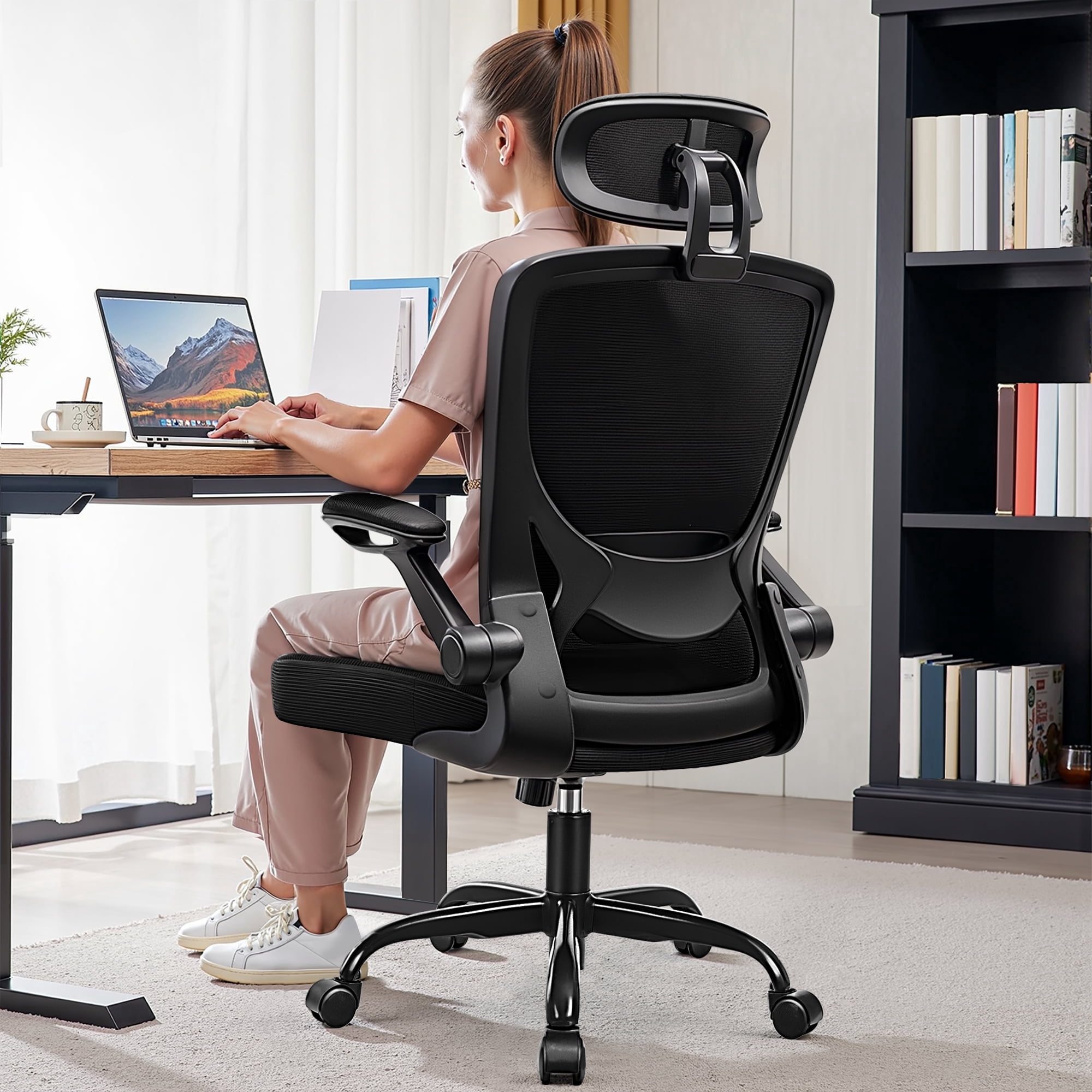
The most critical measurement linking your desk and chair is your seated elbow height. When you sit in your chair with your shoulders relaxed and arms at your sides, your elbows should form a 90-degree angle, and your forearms should be parallel to the floor. The desk surface should meet your elbows at this height. A mismatch here forces you to either raise your shoulders (leading to neck tension) or slump down (stressing your lower back). Adjustable-height desks offer the ultimate flexibility, but if you have a fixed-height desk, your chair's adjustability must bridge the gap.
2. Armrest Clearance: The Under-Desk Test
This is a frequently overlooked deal-breaker. You want to sit close to your desk, with your body centered on your work. If your chair has armrests (and a good ergonomic chair should), they must slide comfortably underneath the desk surface. Measure the distance from the floor to the underside of your desk. Then, check your chair's maximum armrest height. Ideally, you want 2-3 inches of clearance so you can pull in without your arms hitting the desk frame. Some chairs have flip-up armrests, a great feature for desks with limited clearance.
28" - 30"
This is the typical range for fixed-height desks. Works well for users between 5'4" and 5'10" when paired with an adjustable chair.
24" (Ideal: 30")
Shallow depths force you to place the monitor too close, causing eye strain. Deeper desks allow proper monitor distance (arm's length).
20" - 24"
The open space under the desk should comfortably accommodate your chair's width and allow you to turn slightly without constraint.
Material Synergy: Form, Function, and Feel
The materials of your desk and chair should complement each other not just visually, but also in terms of durability and maintenance.
- Wood Desks + Leather/Fabric Chairs: A classic, warm combination. Wood provides a solid, traditional feel. Ensure the chair's casters are rated for hardwood floors if you have them, to prevent scratching.
- Glass/Metal Desks + Mesh Chairs: This pairing screams modern, airy, and professional. Glass desks can make a small room feel larger. Mesh chairs add a breathable, tech-forward element. Be mindful of glare from glass surfaces.
- Laminate Desks + Any Chair: Laminate is the chameleon of desk materials—durable, affordable, and available in countless finishes. It's a practical choice that pairs well with virtually any office chair material.
Your 5-Step Desk and Chair Office Setup Checklist
Once you've chosen your dynamic duo, use this systematic approach to set up your workstation for optimal ergonomics.
- Chair First: Adjust your chair height so your feet are flat, thighs parallel, and knees at 90 degrees.
- Desk Height Check: With arms relaxed, your elbows should be at desk height. If not, adjust chair slightly (maintaining foot contact) or consider a keyboard tray.
- The Armrest Slide: Adjust armrests so they're just below the desk surface, allowing you to pull your chair in close.
- Monitor Placement: Position your monitor at arm's length, with the top of the screen at or slightly below eye level.
- The Recline Test: Lean back in your chair. Ensure you have adequate space behind you and that your feet remain stable. Your chair's tilt tension should support this movement.
Space Planning: The 60-Inch Rule
Imagine your chair needing to make a U-turn. It requires space. For a typical office chair on casters, you need a clear floor area of roughly 60 inches in diameter to move freely without hitting walls or furniture. When placing your desk and chair, ensure you have at least 3 to 4 feet of clearance behind the chair when you're sitting. This allows you to push back, stand up, and move without feeling trapped. A cramped layout leads to frustration and can damage walls and furniture.
Style Matching: Creating a Cohesive Office Aesthetic
Beyond ergonomics, your desk and chair are design statements. Here's how to pair styles effectively.
Modern Minimalist
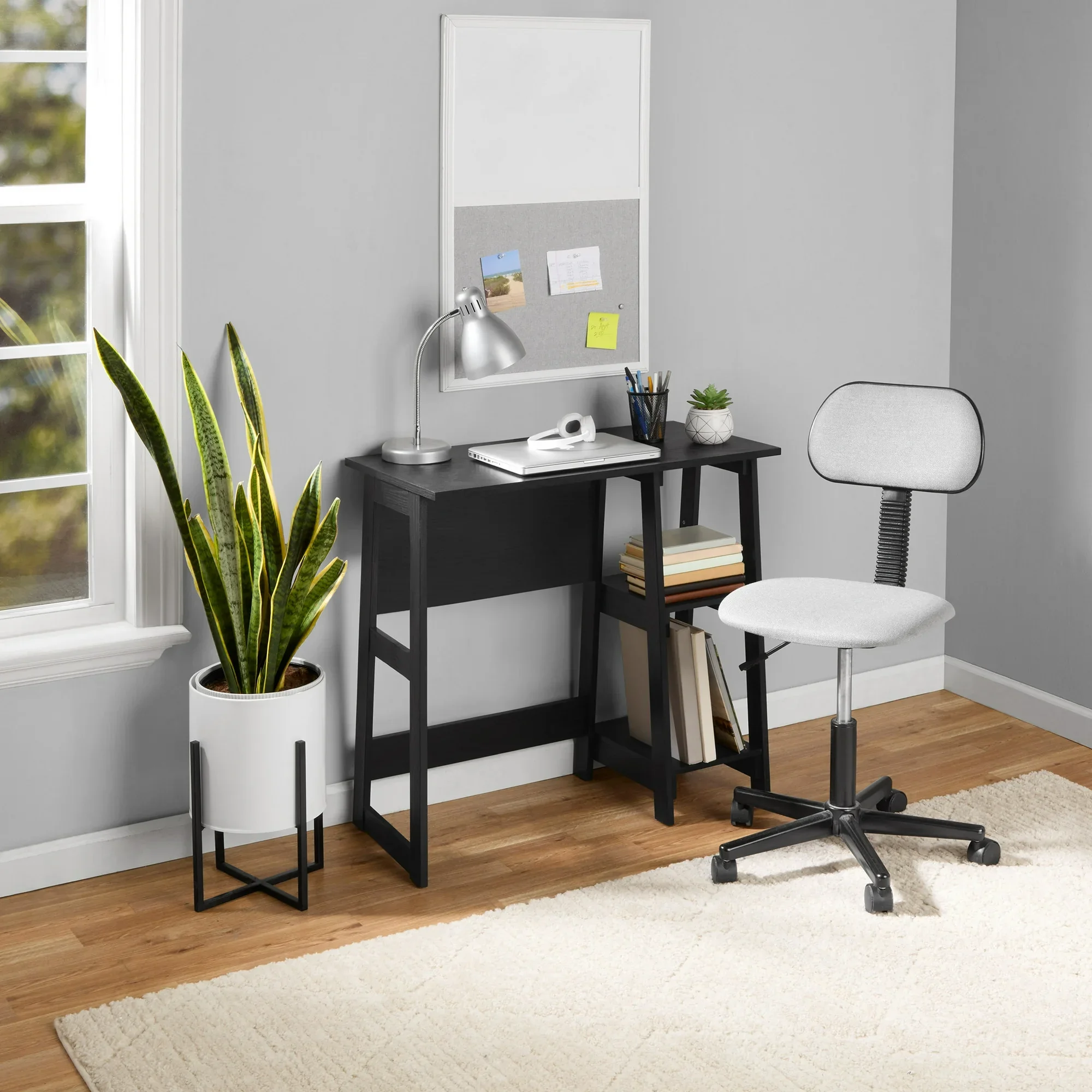
Desk: Clean lines, white or light wood laminate, metal legs. Chair: Sleek mesh back, minimalist frame, maybe a pop of color. The focus is on simplicity and function.
Traditional Executive
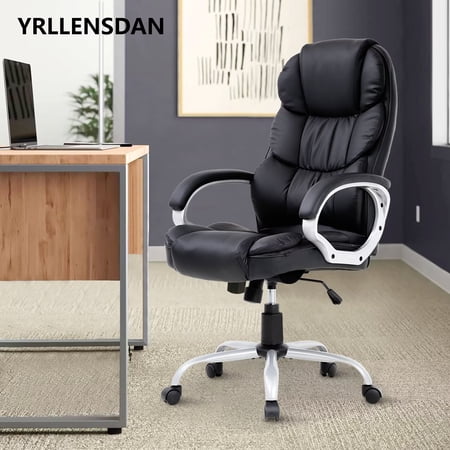
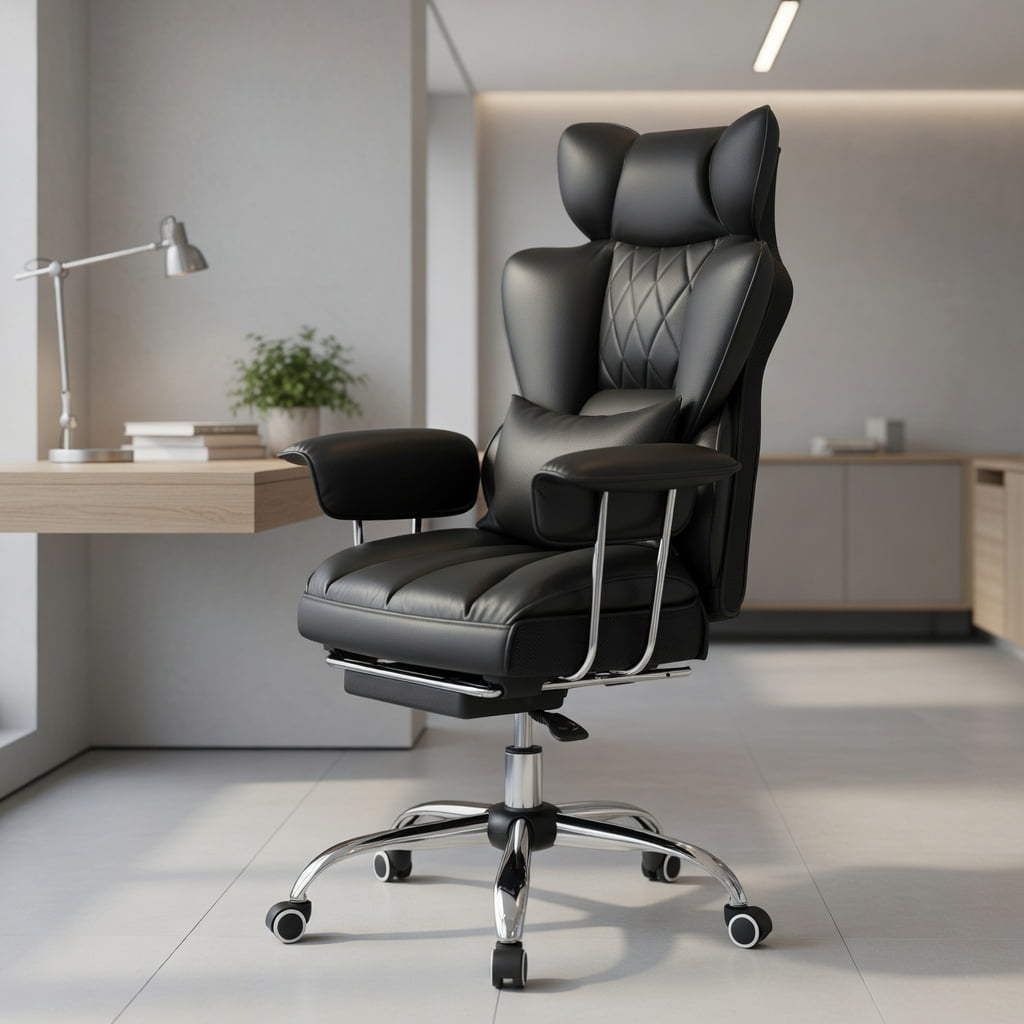
Desk: Rich, dark wood (cherry, mahogany) with a substantial presence. Chair: High-back leather executive chair with classic tufting. This pairing conveys authority and timelessness.
Industrial Chic
Desk: Metal frame with a reclaimed wood top. Chair: Mix of materials like leather and metal, or a vintage-inspired task chair. It's rugged yet stylish.
The Long-Term View: Adaptability and Growth
Your needs today may not be your needs in five years. Consider future-proofing your investment. A sit-stand desk offers incredible flexibility as research on sedentary work evolves. A chair with extensive adjustments (like seat depth and lumbar depth) can adapt to changes in your body or different users in a shared space. Buying a slightly larger desk than you currently need provides room for additional monitors or changing workflows. Think of your desk and chair as a platform for your career, not just a place to put your computer.
Frequently Asked Questions About Desk and Chair Office Combinations
Conclusion: Build Your Workspace, Boost Your Work
Choosing the right desk and chair office combination is a foundational decision for your productivity and well-being. It's about creating a balanced relationship where form enhances function, and ergonomics meets aesthetics. Remember the key principles: match seated elbow height to desk surface, ensure armrest clearance, plan for adequate space, and let your personal style guide the materials. By investing time in selecting and setting up your workstation correctly, you're building a space where you can do your best work, comfortably, day after day.