
The Art of Relaxed Productivity: Why Office Lounge Chairs Matter
The modern workplace is no longer just a grid of desks and task chairs. Forward-thinking companies understand that office lounge chairs play a vital role in employee well-being, creativity, and informal collaboration. They transform sterile corridors into inviting break areas, and cold reception zones into warm, welcoming spaces. A well-chosen lounge chair signals that your company values comfort and human connection—not just efficiency. Whether it's a five-minute coffee break or a brainstorming session on comfortable seating, lounge chairs bridge the gap between home-like ease and professional durability.
Workplace Insight: According to a recent survey by the International Interior Design Association (IIDA), 78% of employees say that comfortable lounge and break areas positively impact their job satisfaction and overall productivity. Another study found that informal seating can increase cross-departmental interaction by 34%.
Designing Zones: Where Office Lounge Chairs Shine
Lounge chairs aren't just 'extra seats'—they define the function and mood of a space. Here are the primary zones where lounge seating makes the biggest impact:
- Reception & Waiting Areas: The first impression. Durable, stylish lounge chairs here should balance aesthetics with easy maintenance. Think stain-resistant fabrics and sturdy frames.
- Break Rooms & Pantries: Employees need a mental break. Deep-seated, cushioned lounge chairs or even rocking lounge chairs create a decompression zone away from screens.
- Collaborative Lounges: Casual meeting areas benefit from modular lounge chairs or chairs with swivel bases, allowing people to turn and face each other easily.
- Quiet Zones & Focus Nooks: High-backed lounge chairs or pod-style chairs offer acoustic and visual privacy for deep work or mindful moments.
- Open Office 'Neighborhoods': Placing lounge clusters near windows or at the ends of workstations encourages spontaneous conversation without the formality of a conference room.
Anatomy of a Perfect Office Lounge Chair
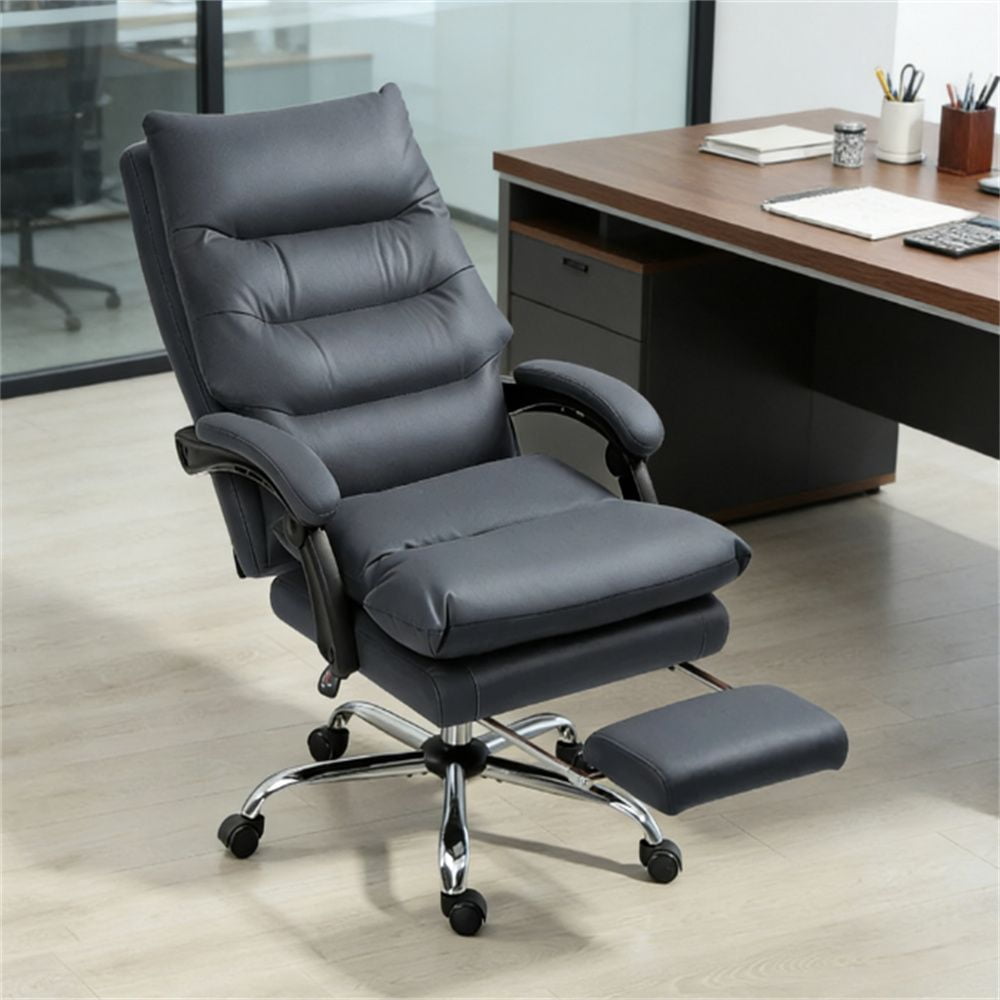
Unlike an executive task chair that focuses on hours of spinal alignment, a lounge chair prioritizes relaxation and intuitive support. Here are the core components to evaluate:
🛋️ Frame & Construction
- Hardwood or plywood: Offers timeless stability and flex.
- Metal frames (steel/aluminum): Ideal for industrial or modern aesthetics, very durable.
- Molded plastic: Lightweight, often used in stackable lounge chairs.
- Commercial-grade joinery (dowels, corner blocks) ensures longevity.
☁️ Cushioning & Fill
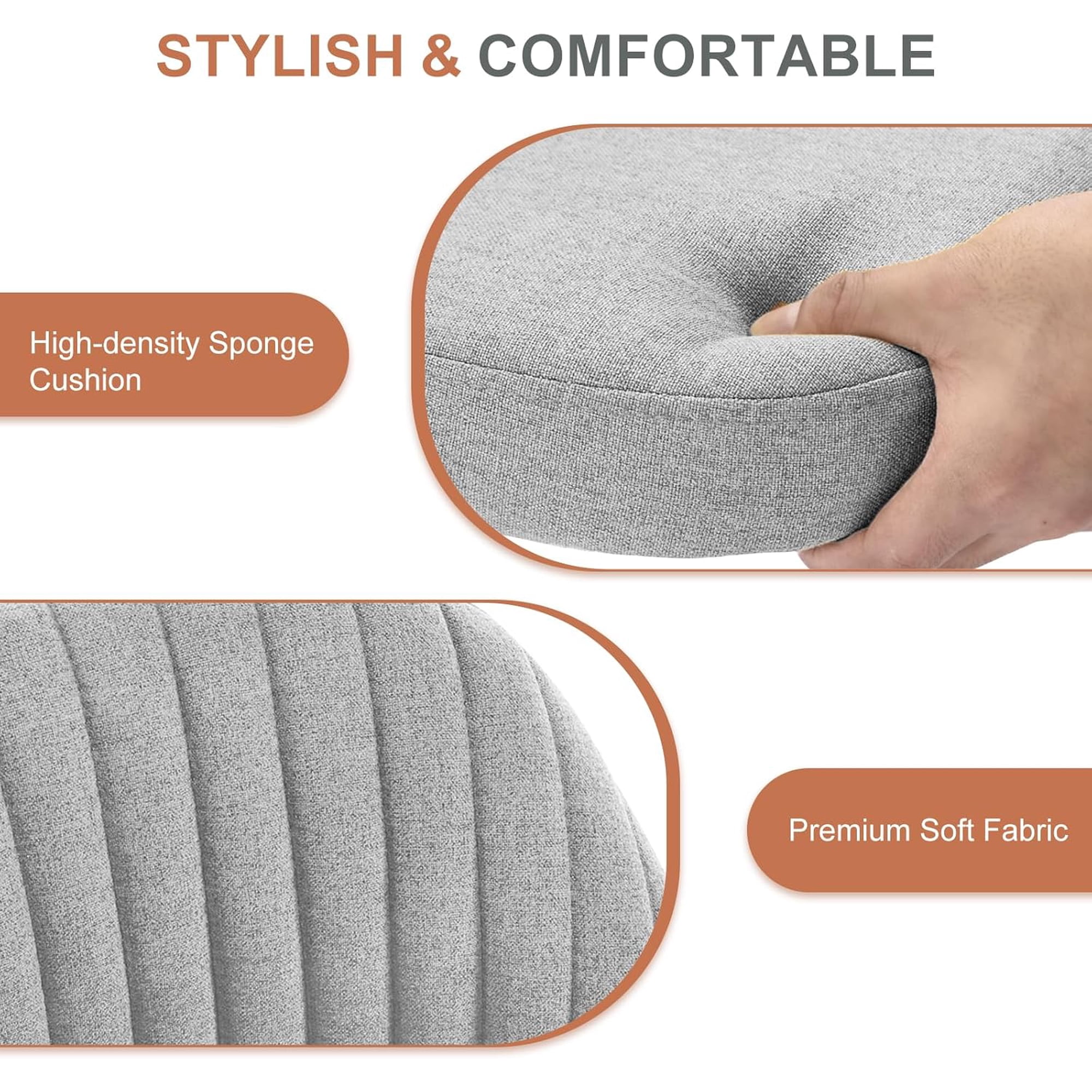
- High-resilience foam: Retains shape, bounces back after use.
- Memory foam topper: Adds a plush, body-conforming feel.
- Polyester or down-blend wrap: Soft, luxurious "sink-in" comfort (needs more fluffing).
- Seat density: look for 2.0–2.5 lb/ft³ for commercial use.
🎨 Upholstery Materials
- Performance fabric: Stain-resistant, bleach-cleanable options (ideal for healthcare/reception).
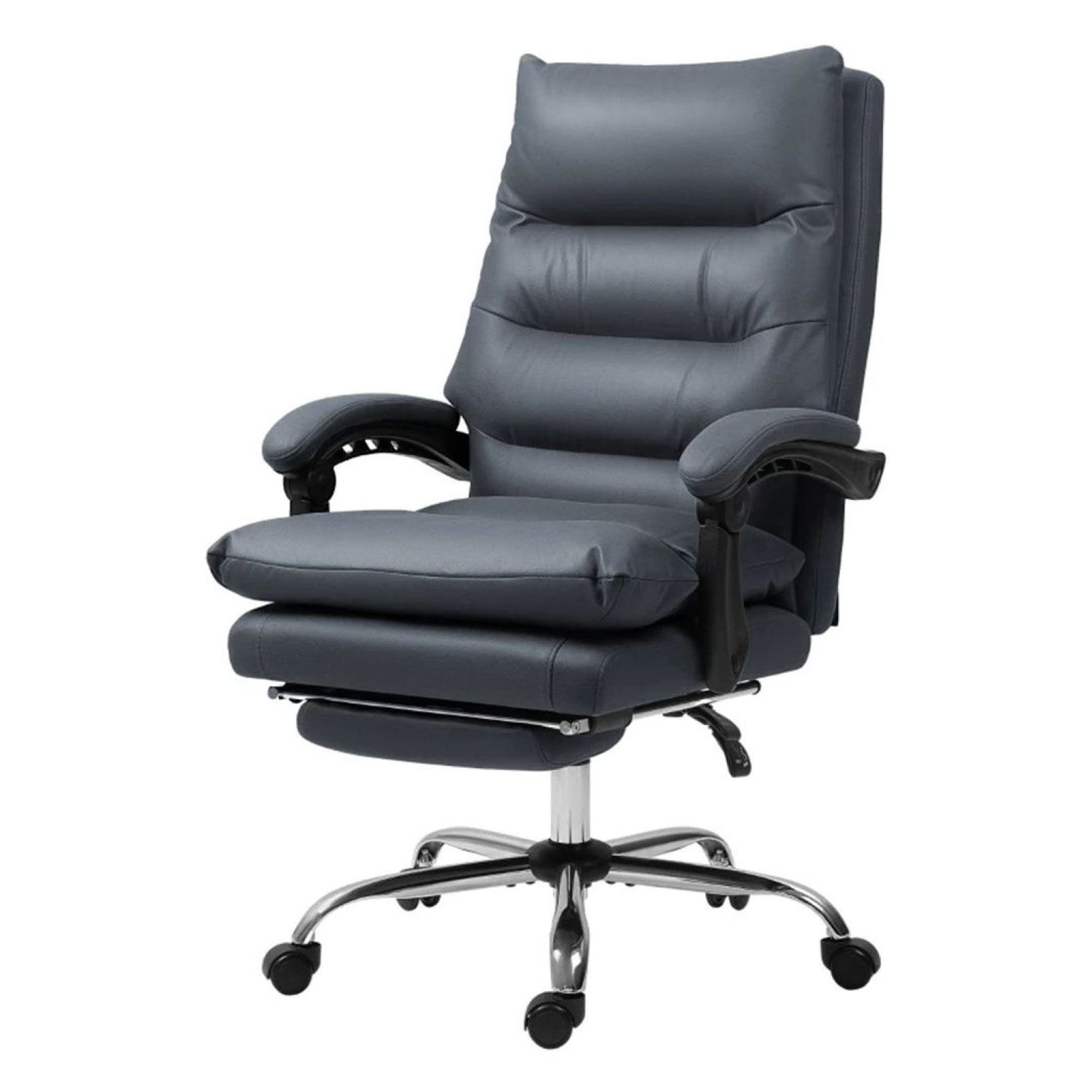
- Leather / Faux leather: Wipes clean, wears gracefully, classic look.
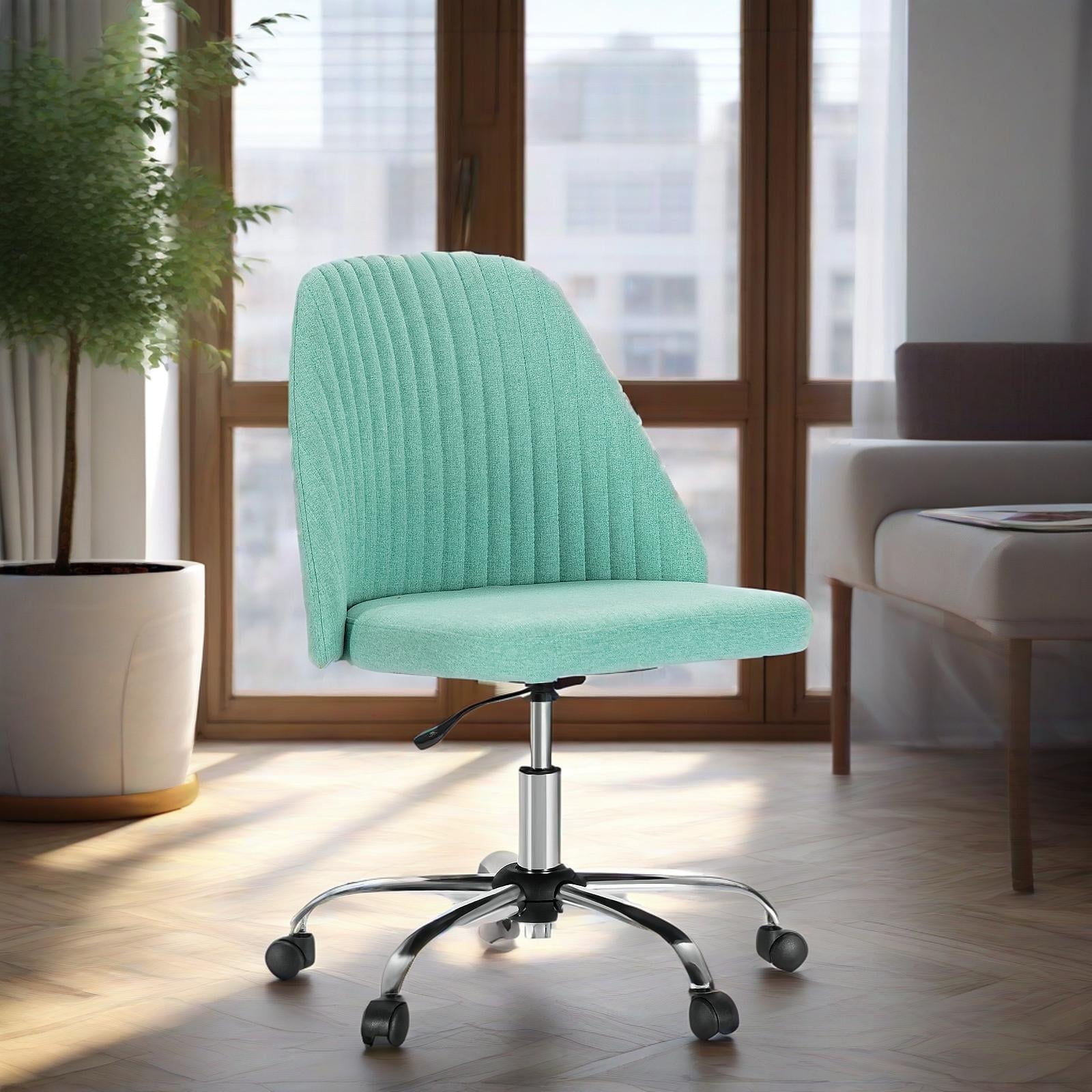
- Velvet / Bouclé: On-trend, soft texture, best for low-traffic lounges.
- Mesh accents: Adds breathability in warmer climates.
Lounge Chair vs. Task Chair: A Quick Comparison
It's easy to confuse the two, but they serve distinct purposes. Here’s a breakdown:
| Feature | Office Lounge Chair | Task / Executive Chair |
|---|---|---|
| Primary use | Break, waiting, casual chat | Focused desk work (8+ hours) |
| Back height | Often mid or high-back for lounging | Varies, but designed for upright posture |
| Adjustability | Minimal (sometimes tilt or swivel) | Extensive (height, arms, lumbar, tilt) |
| Seat depth | Deeper for relaxed sitting | Standardized, often adjustable |
| Mobility | Stationary or light swivel, often on glides | Almost always on casters for movement |
| Aesthetic | Stylish, inviting, 'soft' | Professional, 'technical' |
Material Deep Dive: Choosing the Right Cover
The upholstery determines both the look and the lifespan of your lounge chair. Use this guide to match material to your environment:
• Performance Polyester / Olefin
Best for: High-traffic receptions, family waiting areas, and break rooms. These fabrics are solution-dyed (color is in the fiber), making them extremely resistant to fading, moisture, and stains. They often have a wool-like or textured hand-feel.
• Leather (Top-Grain or Split-grain)
Best for: Executive lounges, private offices, or upscale reception areas. Leather develops a patina and is easy to wipe clean. It can feel cool initially but warms with body heat. Keep it away from direct sun to prevent fading.
• Velvet / Chenille
Best for: Creative agencies, boutique offices, or low-traffic lounge corners. Velvet adds depth and luxury. Look for crushed velvet with a durable backing; some modern velvets are surprisingly stain-resistant.
• Bouclé / Textured Weave
Trend alert: Bouclé (looped yarn) gives a cozy, organic look. It's soft but can be prone to snagging. Ideal for calm spaces where aesthetics trump heavy wear.
📊 Stat Spotlight: Lounge ROI
A 2023 study by Workplace Insight found that companies investing in high-quality lounge furniture saw a 22% increase in employee interaction during breaks and a 15% decrease in reported stress levels compared to those with only basic seating. Another report noted that comfortable waiting areas can positively influence client perception by up to 40%.
How to Select the Perfect Office Lounge Chair (Step-by-Step)
Follow this framework to make an informed choice that balances aesthetics, comfort, and durability:
- Define the zone & traffic: Is it a quiet corner (low traffic) or a bustling reception (high traffic)? Traffic dictates durability needs.
- Measure your space: Sketch the area. Account for walkways—leave at least 36 inches of clearance. For lounge clusters, consider if people will need to pull up a chair or if side tables are needed.
- Choose the "sitting style": Do you want an upright lounge chair (easier to get in/out of) or a deep-seated lounger (for true relaxation)? Some prefer a chair with a slight recline, others a firm upright seat.
- Select your top 3 materials: Based on your traffic and aesthetic, narrow down to 2–3 fabric types. Request swatches—feel the texture and check cleanability.
- Test for comfort (the 15-minute rule): Sit in the chair for at least 15 minutes. Does it support your lower back? Are the armrests at a comfortable height? Does the seat cushion compress too much?
- Verify construction & warranty: Look for kiln-dried hardwood frames, reinforced joinery, and a warranty that covers the frame (5+ years) and foam (2+ years).
Design Ideas: Styling Your Office Lounge Area
Beyond the chair itself, how you arrange the space matters. Here are three curated concepts:
- The "Hotel Lobby" Look: Pair two leather lounge chairs with a small marble-top table in between. Add a floor lamp and a piece of abstract art. Creates an upscale, quiet meeting spot.
- The "Creative Collab" Nook: Use a mix of colorful fabric lounge chairs and a small sofa. Add a modular coffee table with whiteboard surface. This encourages informal brainstorming.
- The "Zen Den": One high-backed upholstered lounge chair, a small side table for a book or tablet, and a soft rug. Perfect for employees needing a sensory break.
Remember that lighting and proximity to power outlets also turn a good lounge area into a functional one.
Frequently Asked Questions About Office Lounge Chairs
Final Thoughts: Invest in Comfort, Reap the Rewards
Selecting the right office lounge chair is an investment in your company culture, employee wellness, and brand image. It's about signaling that your workspace is human-centric. From the durable, easy-clean fabrics of a bustling reception to the plush, inviting curves of a quiet lounge, the choices you make shape daily experiences. Use the guidelines above to navigate materials, construction, and style. Remember, the best lounge chair is one that people are drawn to—a seat that offers a genuine moment of respite in a busy workday.
Browse our curated collection of office lounge chairs above, and create spaces where people actually want to sit, connect, and recharge.