
Why Lumbar Support Matters in an Office Chair
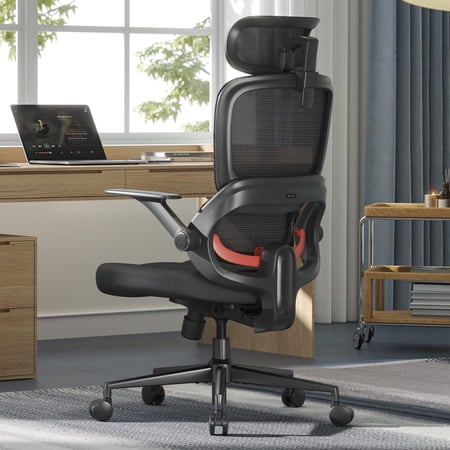
If you spend hours at a desk, you've likely felt the strain in your lower back. An office desk chair with lumbar support is not just a luxury—it's a necessity for maintaining spinal health and overall well-being. The lumbar region of your spine naturally curves inward, and a good chair supports this curve, preventing slouching and reducing pressure on your vertebrae.
Did you know? According to a study by the American Chiropractic Association, back pain is one of the leading causes of missed work, and proper seating can reduce the risk of workplace-related back injuries by up to 40%.
Key Benefits of Lumbar Support Chairs
- Posture Correction: Lumbar support encourages you to sit upright, aligning your spine and reducing the tendency to hunch forward.
- Reduced Pain: By taking pressure off the lower back, these chairs alleviate chronic pain and prevent muscle fatigue.
- Enhanced Focus: When you're comfortable, you can concentrate better on your work without the distraction of back discomfort.
- Long-Term Health: Consistent use of an ergonomic chair can help prevent degenerative spinal issues and improve your quality of life.
How to Choose the Right Lumbar Support Chair
Selecting the perfect chair for your needs involves more than just picking the most expensive model. Consider these essential factors:
| Feature | Why It Matters | What to Look For |
|---|---|---|
| Adjustable Lumbar Support | Allows you to customize the fit for your unique spine curvature. | Height and depth adjustment; some models offer air or mechanical tension control. |
| Seat Depth | Ensures your thighs are fully supported without cutting off circulation. | At least 2-3 inches of clearance between the seat edge and the back of your knees. |
| Backrest Material | Affects breathability and comfort during long hours. | Mesh for airflow, or high-quality foam for a more plush feel. |
| Recline Mechanism | Allows you to shift your weight and change positions throughout the day. | Multi-angle lockable recline with tension adjustment. |
| Weight Capacity | Indicates the chair's durability and stability. | Minimum 300 lbs for most users; 400+ lbs for heavier individuals. |
Types of Lumbar Support Systems
Different chairs use various mechanisms to provide lumbar support. Understanding these can help you choose the one that feels best for you.
Fixed Lumbar Support
Found in budget chairs, this support is built into the backrest and cannot be adjusted. It works for some body types but lacks customization.
Adjustable Lumbar Support
Height and depth can be modified to fit your spine's curve. This is the most common and recommended type for ergonomic chairs.
Dynamic Lumbar Support
Found in high-end chairs, this support moves with your body, automatically adjusting as you shift positions. It provides continuous support.
Lumbar Cushions
Removable cushions can be added to any chair. They offer a budget-friendly solution but may not stay in place as well as built-in support.
Maintaining Your Lumbar Support Chair
To ensure your chair provides optimal support for years to come, regular maintenance is essential:
- Clean Regularly: Vacuum and wipe down the chair to remove dust and debris that can affect moving parts.
- Check Adjustments: Periodically test all levers and knobs to ensure they are functioning correctly.
- Lubricate Moving Parts: Apply a silicone-based lubricant to the gas cylinder and tilt mechanism annually.
- Replace Casters: If the wheels become stiff or noisy, consider replacing them to maintain smooth movement.
Ergonomic Tips for Using Your Chair
Even the best chair won't help if you don't use it correctly. Follow these ergonomic tips to maximize the benefits of your office desk chair with lumbar support:
Sit All the Way Back
Rest your back against the backrest to ensure the lumbar support is in contact with your spine. This distributes your weight evenly and reduces pressure.
Adjust Your Seat Height
Your feet should rest flat on the floor, with your knees at a 90-degree angle. This prevents lower body strain and promotes good circulation.
Use Armrests Effectively
Your elbows should be at a 90-degree angle, and your shoulders relaxed. Armrests can help reduce shoulder and neck tension.
Take Movement Breaks
Stand up, stretch, and walk around every 30-60 minutes. This helps reduce muscle fatigue and improves overall health.