

Why "Small Desk Office Chair" Matters More Than Ever
Working from home, dorm rooms, or compact city apartments has become the new normal. The biggest challenge? Fitting a full-size office chair into a space that barely holds a desk. A small desk office chair is not just a scaled-down version—it's an intelligent design solution. Think of it like a "Swiss Army knife" for your workspace: it packs all the essential tools (lumbar support, adjustability, comfort) into a streamlined frame that respects your square footage.
According to a 2023 interior design survey, 67% of home offices are set up in spaces under 100 sq. ft. That means your chair must be compact yet capable. This guide dives deep into choosing a chair that fits your small desk, supports your body, and looks great—without the bulk.
The Anatomy of a Space-Saving Ergonomic Chair
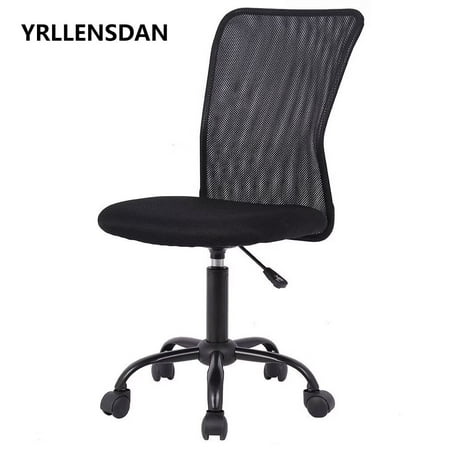
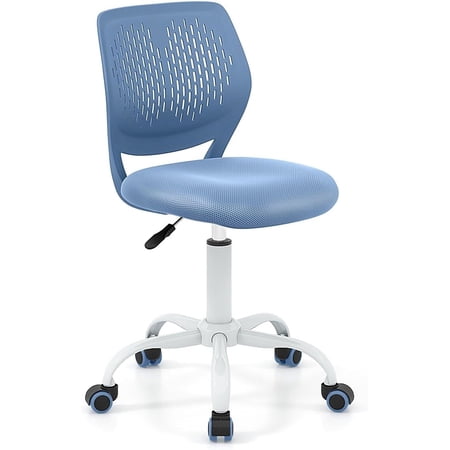
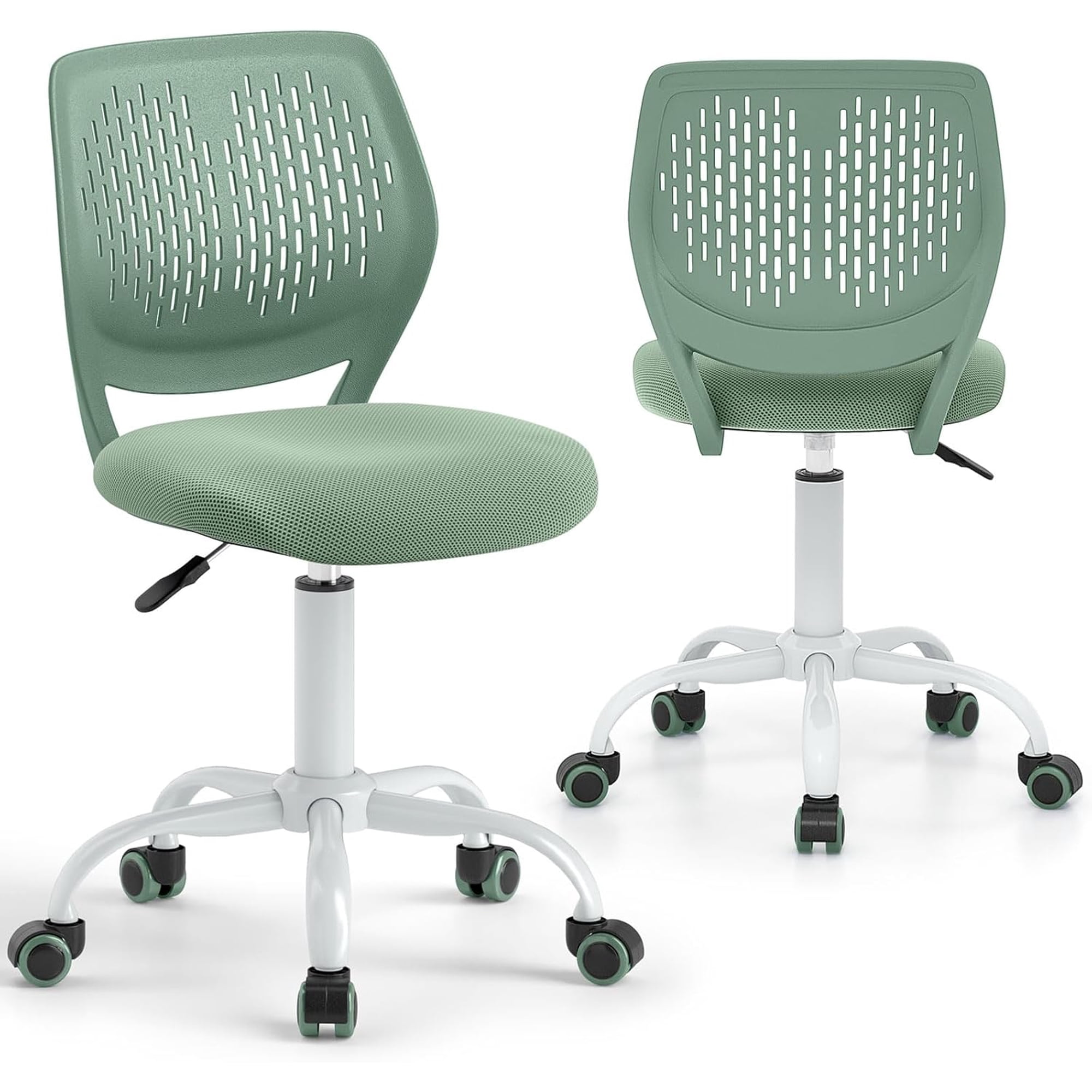
A genuine small desk office chair is engineered differently. It's not simply a "petite" version; it's a rethinking of each component. Here are the critical elements that define a high-quality compact chair:
1. Seat Dimensions: The Goldilocks Zone
Standard office chairs have seat widths of 20-22 inches. For a small desk, you want the sweet spot: 18 to 19.5 inches wide. This provides enough room for most body types while allowing the chair to fit between desk legs or armrests. Depth is equally crucial: a seat depth of 16-18 inches prevents the edge from hitting your calves and allows you to sit back comfortably.
- Narrow seat (under 18"): Ideal for ultra-compact desks (40" wide or less). Check weight distribution.
- Mid-compact (18"-19.5"): Best balance for standard small desks (48"-55").
- Shallow depth (16"-17"): Prevents pressure behind knees—key for shorter users.
2. Backrest Height: Low Profile vs. High Back
In a small room, a towering "executive" backrest can visually clutter the space. Many small desk chairs feature mid-backs (20-24 inches high) that fit under windowsills or shelves. However, if you need neck support, consider a compact chair with a separate adjustable headrest that can be removed or lowered.
- Mid-back: Open feel, fits under upper cabinets, promotes active sitting.
- Low-back: Very minimalist, often used in drafting stools, but may lack lumbar.
- Compact high-back: Some brands offer slender high-backs with a narrow profile—look for "slim high-back" models.
3. Armrests: The Flip-Up Revolution
One of the biggest space-saving innovations is the flip-up armrest. When you need to push the chair under the desk, simply lift the arms out of the way. This feature alone can save 6-8 inches of floor space. Alternatively, fixed but very narrow armrests (under 2" wide) or adjustable-height arms that drop low enough to slide under the desk are excellent choices.
4. Base and Casters: Stability in a Small Footprint
A compact chair must have a stable base. Look for a five-point base with a diameter of 23-25 inches (standard is 26-28). Smaller bases exist but can tip easily. Dual-wheel casters are preferable because they roll smoothly even if the base is slightly narrower. For hardwood floors, soft rubber casters prevent scratches.
5. Material Choices for Visual Lightness
In a small room, a bulky leather chair can feel overwhelming. Mesh or fabric chairs in light colors (white, beige, light grey) create an airy illusion. However, if you prefer leather, choose a chair with sleek stitching and minimal padding to avoid a "puffy" look.
Pro Insight: A small desk office chair isn't just about physical dimensions—it's about visual weight. Chairs with open backs or transparent materials (like polycarbonate) can make a room feel twice as large.
Desk-Chair Compatibility: A Room-by-Room Guide
Choosing a chair without considering your desk is like buying shoes without measuring your feet. Here’s a practical framework:
• For Standard Height Desks (28"-30")
Most small desk chairs have a seat height range of 16"-21". Ensure the lowest setting allows your feet to rest flat. If you're tall, you'll need a chair that goes higher than 21".
• For Desks with Drawers or Modesty Panels
Measure the depth from the front of the desk to the obstruction. You need a chair that allows your knees to fit comfortably. A shallower seat depth (under 18") helps here.
• Corner Desks and L-Shaped Layouts
Swivel range is critical. A chair with a 360-degree smooth swivel and a compact base allows you to turn from one workstation to another without bumping walls.
Follow this 3-step compatibility check:
- Measure your desk's knee clearance: Height from floor to desk underside, and width between legs.
- Simulate your sitting position: Add 2-3 inches to your hip width to get the minimum seat width you need.
- Consider the recline: If you lean back, ensure the chair doesn't hit the wall behind you. Compact chairs often have limited tilt or "wall-hugger" mechanisms.
Health Without Compromise: Ergonomic Features in a Small Package
Just because a chair is small doesn't mean it should skimp on back support. In fact, a poorly designed compact chair can lead to slouching. Here are the non-negotiable ergonomic features to seek:
- Adjustable lumbar support: Even in a small backrest, look for a knob or pad that moves up/down.
- Seat depth slider: Some compact chairs offer a 2-inch slider—vital for proper thigh support.
- Tilt tension control: Lets you adjust the rocking resistance based on your weight.
- Waterfall seat edge: Reduces circulation restriction, a must for long hours.
Data from the American Chiropractic Association suggests that using a chair with proper lumbar support can reduce low back pain by up to 35%. So even in a smaller frame, prioritize adjustability.
The "Compact Chair" Illusion: Why Some Small Chairs Fail
Imagine buying a "compact" suitcase that barely holds your clothes—frustrating, right? The same happens with poorly designed small office chairs. They may look petite, but they often have fatal flaws: narrow seat that cuts into hips, armrests that don't align with the desk, or a base that wobbles.
To avoid this, focus on ratio engineering. A well-designed small chair has proportional adjustments. For instance, the armrests should be as wide as the seat, not wider. The backrest's curve should mirror the spine's natural S-shape, even if it's shorter.
| Feature | Typical Small Chair | Premium Compact Ergonomic Chair |
|---|---|---|
| Seat Width | 17-18 inches (fixed) | 18-19.5 inches (with contoured edges) |
| Lumbar Support | Built-in foam bump | Adjustable (height + depth) |
| Armrests | Fixed, narrow | Flip-up or 3D adjustable |
| Weight Capacity | Up to 225 lbs | Up to 300 lbs (reinforced frame) |
Real-World Scenarios: Who Needs a Small Desk Office Chair?
- Urban Dwellers: Apartments where every square foot counts. A small chair means you can also have a side table or plant.
- Students: Dorm rooms with built-in desks. Standard chairs often don't fit under the desk.
- Home Office Dual Use: If your office is also a guest room, a sleek, small chair is easier to move or tuck away.
- Petite Individuals: A smaller frame often fits better in a compact chair, avoiding the "dangling feet" problem.
Frequently Asked Questions About Small Desk Office Chairs
Final Take: Small Desk, Big Comfort
Selecting a small desk office chair is a balancing act between footprint and function. The market has evolved dramatically: you no longer have to choose between a chair that fits your space and one that supports your back. By focusing on adjustable ergonomics, smart armrest design, and proportional dimensions, you can create a workspace that's both productive and spacious. Remember, the best compact chair is the one you forget is there—until you sit down and feel perfectly supported.