
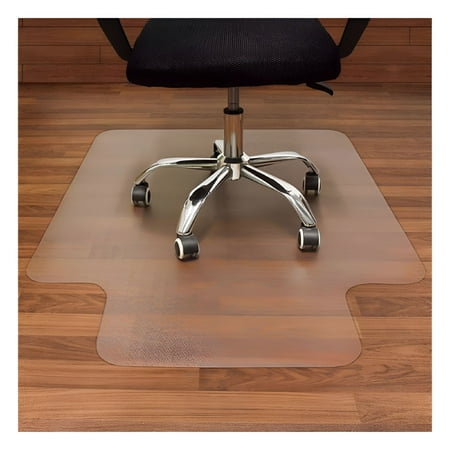

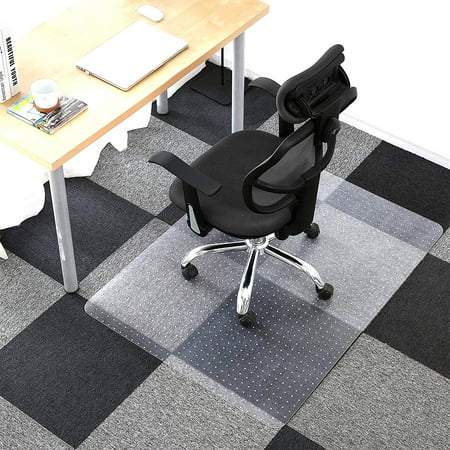
Why Your Carpeted Floor Demands a Dedicated Chair Mat
Imagine rolling your desk chair across a plush carpet: it feels like pushing through sand. Your chair’s wheels dig in, your body twists with every move, and over weeks, permanent ruts appear in the carpet. An office chair mat for carpeted floor is the simple solution—it’s the bridge between your chair’s mobility and your floor’s longevity.
According to flooring industry data, rolling chairs can cause irreversible carpet wear in less than six months in a home office used 8 hours a day. A quality mat not only preserves your carpet but also provides a consistent, low-friction surface that reduces fatigue. Think of it as putting a high-quality road surface under your chair’s tires.
Anatomy of a Great Carpet Chair Mat: What Really Matters
Not all mats are created equal. The wrong mat will slide, crack, or fail to protect. Here’s a breakdown of the critical components, explained with an analogy: a chair mat is like the foundation of a house—it must be level, strong, and perfectly matched to the ground (your carpet).
1. Material Science: Polycarbonate vs. PVC vs. Composite
- • Polycarbonate: The premium choice. It’s nearly unbreakable, crystal clear, and stays flat in temperature changes. Ideal for medium-pile carpets where you want a glass-like appearance. Downside: higher price.
- • PVC (vinyl): The workhorse. Flexible, durable, and available with deep cleats for thick carpet. Modern PVC is phthalate-free and odorless after a few days. Best value for most home offices.
- • Composite/Reinforced: Often a blend with fiberglass mesh. Extremely rigid, used for heavy chairs or intense rolling. Prevents warping even on very thick, soft carpet.
2. The Cleat Pattern: Your Anchor in the Fibers
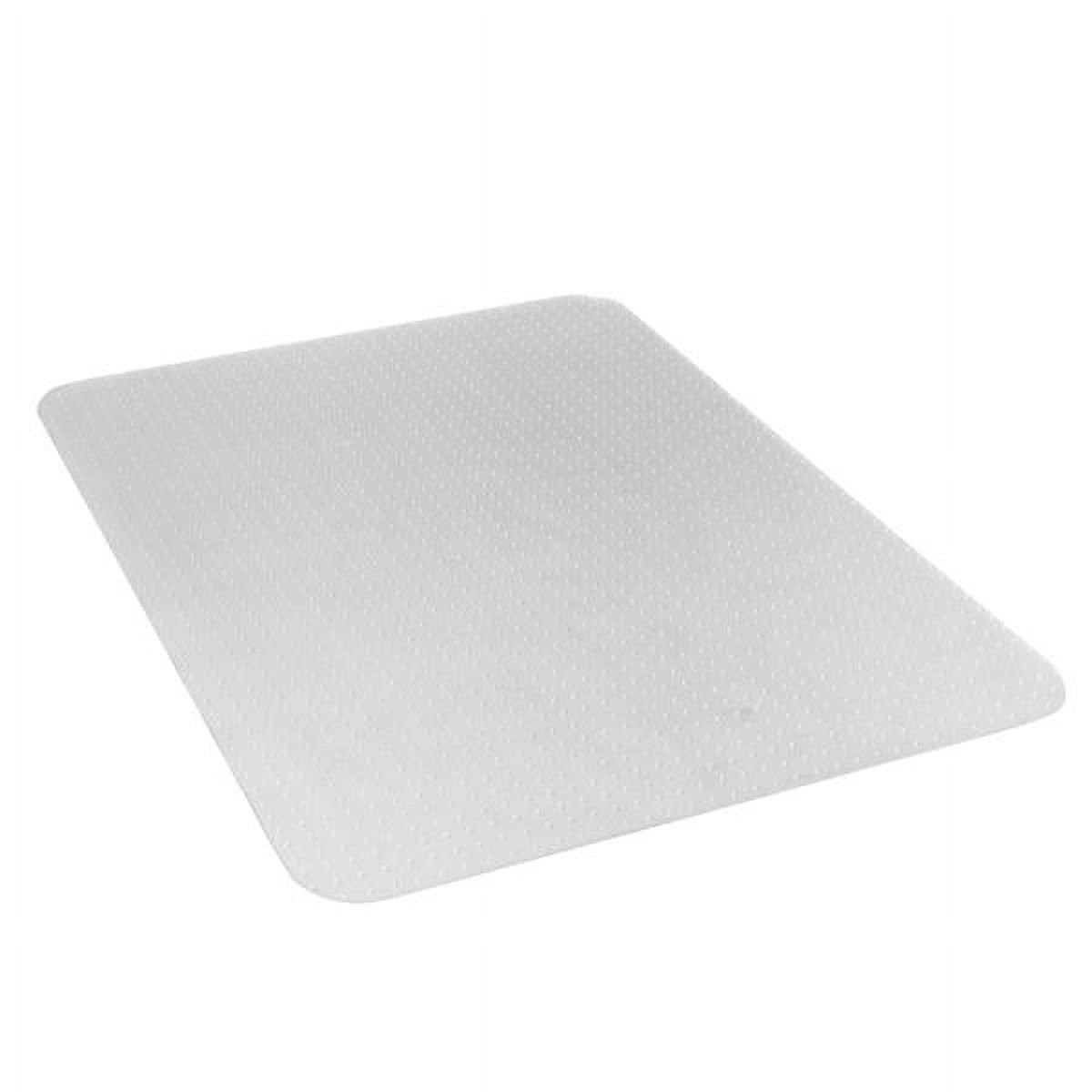
Look underneath any carpet mat—you’ll see hundreds of small spikes or studs (cleats). Their job is to grip the carpet and prevent the mat from sliding as you roll. For low-pile commercial carpet, standard 1/8-inch cleats work. For thick, residential plush carpet, you need deeper cleats (1/4 inch or more) arranged in a dense pattern. Some premium mats use a dual-grip technology: a fabric-like backing combined with cleats for zero movement.
Pro tip for thick carpet owners: If your carpet pile is higher than ½ inch, choose a mat explicitly labeled “for thick carpet” or “heavy pile.” These have longer cleats and a slightly thicker slab to prevent the mat from sinking and cracking under chair weight.
3. Lip or No Lip? The Transition Zone
A beveled front edge (the “lip”) allows your chair to roll smoothly from the mat onto a hard floor if your desk area transitions. But for fully carpeted rooms, a lip isn’t necessary—what matters is the edge profile. Look for mats with tapered edges all around to prevent tripping and to allow vacuuming without snagging.
4. Size & Shape: Don’t Underestimate Your Roll Radius
A common mistake is buying a mat that’s too small. You need enough room to push back from the desk and turn comfortably. A standard 36” x 48” rectangle works for most, but if you have a large executive chair or frequently move side to side, consider a 46” x 60” mat or a keyhole/contour shape that fits under an L-desk. Measure the area from your keyboard position to the farthest point you roll—then add 6 inches.
📊 Ergonomics by the numbers: A study by the National Safety Council found that using a proper chair mat on carpet reduces the force needed to initiate movement by up to 55%. That means less twisting of your torso and lower back strain over a workweek.
Step-by-Step Guide: Selecting Your Perfect Carpet Mat
Follow this simple framework to filter through dozens of options and pick the one that fits your specific setup.
- Identify your carpet type: Low-pile (short, dense, like office carpet) or high-pile (soft, plush, like residential living room).
- Weigh your chair and usage: Heavy executive chairs (>300lbs) need thicker, more rigid mats (minimum 3mm polycarbonate). Light task chairs can use 2mm PVC.
- Measure your floor space: Sketch your desk and chair area. Include space for feet and any guest chairs.
- Choose material based on clarity preference: If you love the look of your carpet and want it visible, pick clear polycarbonate. If you want a subtle, low-reflection surface, frosted or textured PVC works great.
- Check for certifications: Look for GREENGUARD Gold (low chemical emissions) if you’re sensitive to odors or work in a small, unventilated room.
Comparison: Popular Mat Types at a Glance
| Mat Type | Best Carpet | Durability | Grip Level | Typical Price |
|---|---|---|---|---|
| Standard PVC (cleated) | Low to medium pile | Good (5-7 years) | Medium | $40-$70 |
| Heavy-Duty PVC (deep cleat) | Thick, plush carpet | Very Good | High | $60-$100 |
| Polycarbonate (clear) | Low to medium pile | Excellent (10+ years) | Medium-High | $80-$150 |
| Composite/Fiberglass | All types, especially thick | Excellent | Very High | $90-$200 |
Installation and Maintenance: Make It Last
Once your mat arrives, let it flatten for 24-48 hours at room temperature. Place it on the carpet with the cleats facing down. Do not slide it—lift and position to avoid damaging the cleats. Clean with a damp cloth and mild soap; avoid harsh chemicals that can cloud the surface.
Analogies for long life: Treat your mat like a good pair of tires—rotate it occasionally (if it’s symmetrical) to distribute wear, and keep the underside free of debris that could reduce grip.
Frequently Asked Questions About Carpet Chair Mats
Final Verdict: A Small Investment That Pays Off Daily
Your office chair is the most-used tool in your workspace. Pairing it with the right office chair mat for carpeted floor ensures every roll is effortless, every pivot is smooth, and your carpet stays pristine for years. Whether you choose a budget-friendly PVC mat or a premium polycarbonate model, the key is matching the cleat depth and rigidity to your carpet pile. Browse the top picks above and give your home office the foundation it deserves.