
Why the Right Meeting Room Set Matters for Business Success
Imagine walking into a conference room where the table feels sturdy yet inviting, and every chair supports you perfectly during a two-hour strategy session. That’s the power of well-chosen office meeting table and chairs. They’re not just furniture—they’re tools that shape the tone of your discussions. A cramped, wobbly setup can distract and even frustrate participants, while a thoughtfully arranged room encourages focus and collaboration. According to a study by the International Facility Management Association (IFMA), 68% of employees feel that meeting room comfort directly affects their engagement. Whether you’re equipping a startup’s huddle area or a law firm’s boardroom, investing in quality sets the stage for success.
1. Anatomy of a Perfect Office Meeting Table
Selecting a meeting table is a balancing act between size, shape, material, and functionality. Let’s break down the essentials so you can make an informed choice.
Shape and Flow: How Geometry Affects Interaction
The shape of your table dictates the dynamics of the meeting.
- Rectangular tables: The classic choice for boardrooms. They establish a clear hierarchy (head of the table) and are space-efficient. Best for formal presentations.
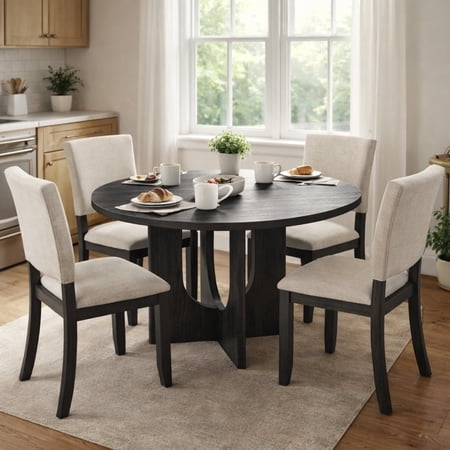
- Round or oval tables: Promote equality and eye contact, ideal for brainstorming sessions. A round 60-inch table comfortably seats 4–6 people.
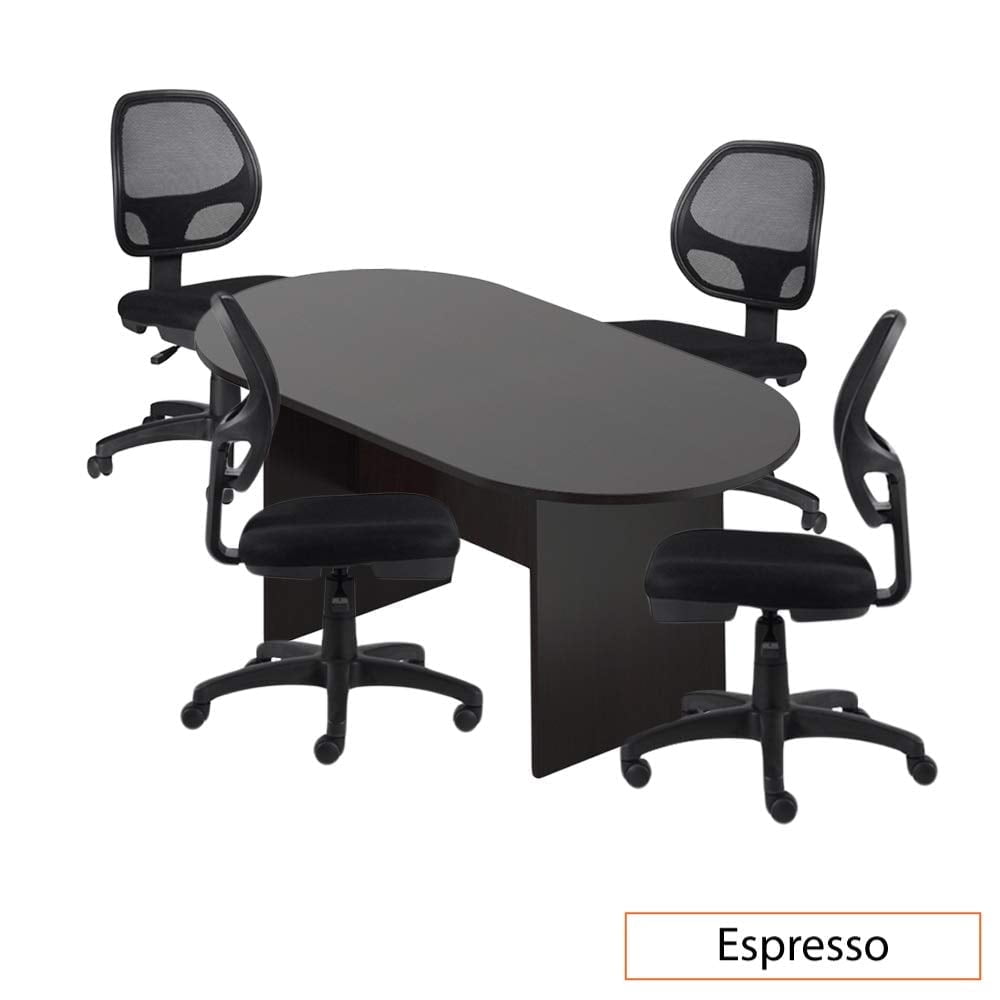
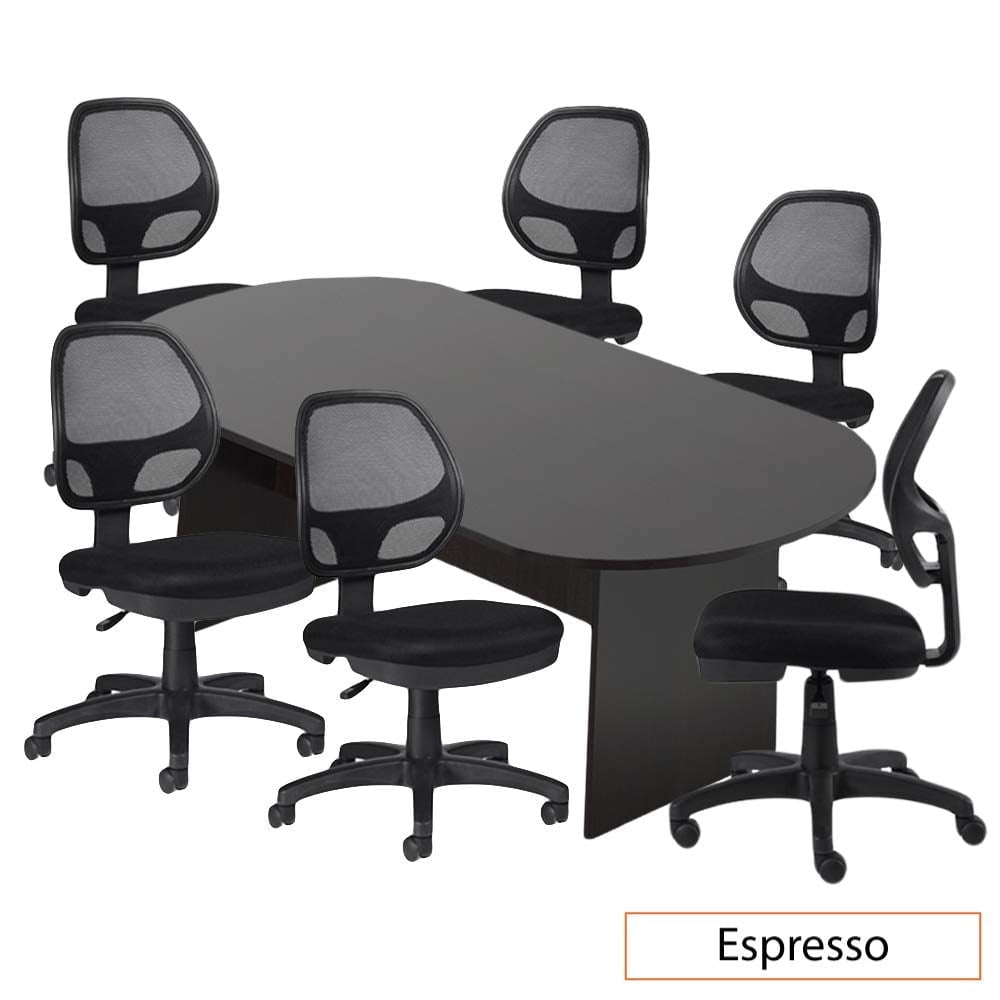
- Boat-shaped (racetrack) tables: Combine the length of a rectangle with the gentle curves of an oval, offering a modern, collaborative feel.
- Modular / Nesting tables: Extremely flexible—they can be separated for small groups or combined for all-hands meetings. A growing trend in agile offices.
Material Durability: What Lasts Under Daily Use?
Meeting tables endure coffee spills, laptop scuffs, and constant movement. Here’s how materials stack up:
Laminate / Melamine
✔ Scratch-resistant, affordable, easy to clean. Ideal for high-traffic offices. Modern laminates mimic wood or stone convincingly.
Solid Wood
✔ Timeless beauty, can be refinished. ✘ Can dent, sensitive to humidity, higher maintenance. Best for executive boardrooms.
Tempered Glass
✔ Sleek, modern, makes small rooms feel larger. ✘ Shows fingerprints and smudges; requires frequent cleaning.
Metal / Industrial
✔ Extremely durable, edgy aesthetic. Often combined with wood or laminate tops. Great for creative agencies.
2. The Unsung Hero: Ergonomic Meeting Chairs
While the table is the stage, chairs are the actors. Participants spend hours seated, so comfort is non-negotiable. But meeting chairs have unique requirements.
Key Features of a Productive Meeting Chair
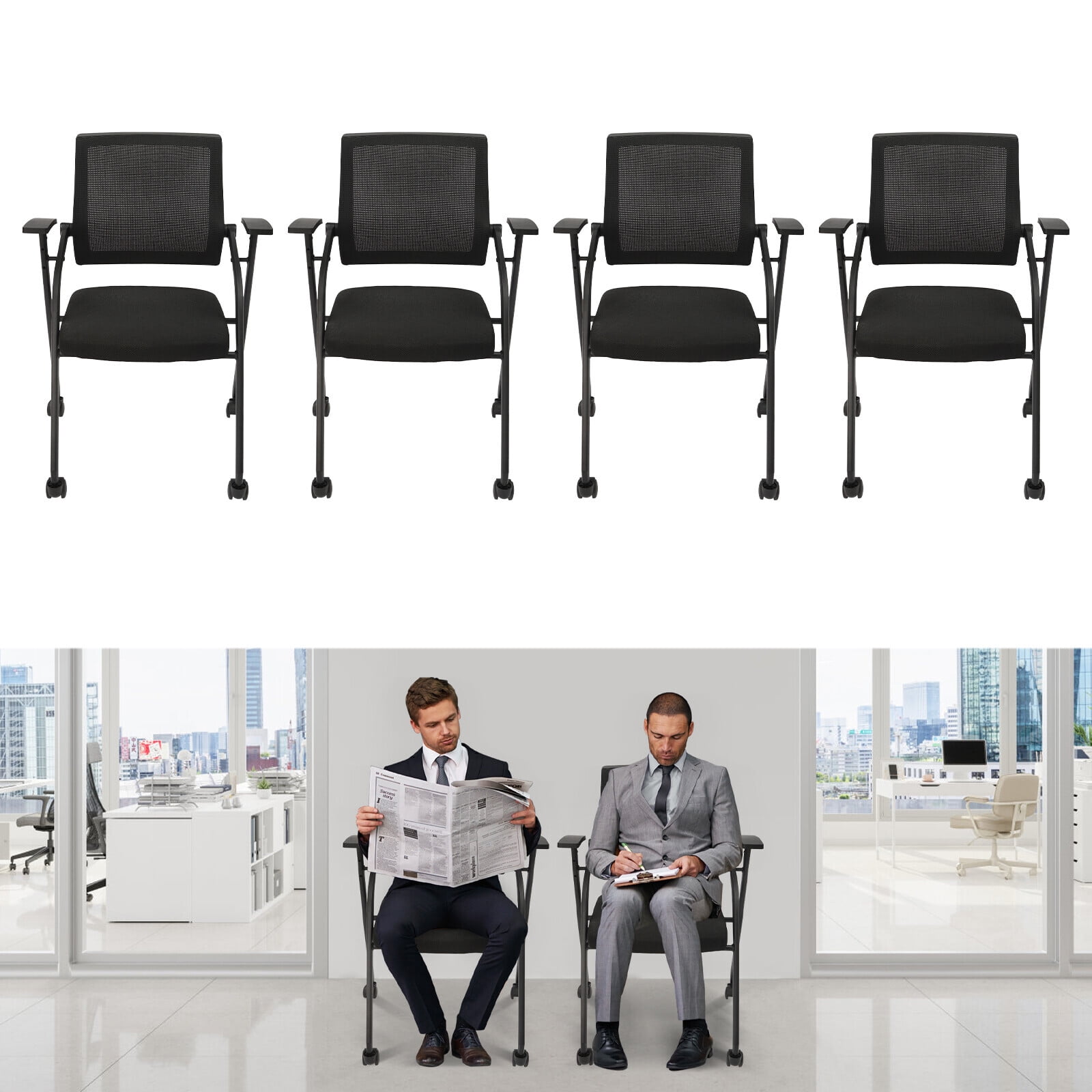
- Stackability & Storage: For multipurpose rooms, stackable chairs are a lifesaver. They can be stored away when the room is used for events. Look for stackable chairs with sturdy dolly systems.
- Mobility vs. Stability: Chairs with casters (wheels) allow easy movement but might roll away when people stand up. Chairs with glides (fixed feet) are more stable but harder to reposition. A hybrid is a chair with locking casters.
- Armrests: To have or not? Armrests add comfort but can prevent the chair from sliding completely under the table, wasting space. For tight rooms, choose armless chairs or those with short, fixed arms.
- Breathability: Mesh back chairs prevent sweating during intense meetings. Leather or fabric offers a plusher feel but may retain heat.
Pro Tip: Always match the chair seat height to the table. Standard table height is 29 inches, so a chair seat height of 17-19 inches is ideal.
3. Creating Harmony: Matching Tables and Chairs
Buying a table and chairs separately gives you flexibility, but cohesion is key. Follow these steps for a unified look:
Step 1: Measure Your Room (The 42-Inch Rule)
Ensure at least 42 inches of clearance behind each chair for people to walk comfortably. For a 12x12 foot room, the maximum table size might be 8x4 feet.
Step 2: Determine Your Meeting Culture
Formal culture: Matching high-back leather chairs with a rich wood table. Casual/collaborative: Brightly colored stackable chairs with a whiteboard-surface table.
Step 3: Tech Integration
Modern tables include cable management ports and power outlets. Ensure chairs don’t block access to floor boxes.
Step 4: Visual Weight
A heavy, dark wood table needs substantial-looking chairs. A slim glass table pairs well with lightweight, minimalist chairs.
Material Considerations for Meeting Room Furniture
Just like in the executive chair example, materials define longevity and style. Here’s a quick comparison table for meeting sets:
| Material (Table) | Best Matching Chair Material | Durability | Cleaning Effort | Cost Indication |
|---|---|---|---|---|
| Laminate/Woodgrain | Fabric or Polyurethane (PU) | High (8-12 yrs) | Low (wipe clean) | $ (Budget) |
| Solid Oak/Walnut | Leather or Premium Fabric | Very High (15+ yrs) | Medium (polish) | $$$ (Premium) |
| Glass/Marble-look | Chrome frame with mesh or plastic | Medium (glass can scratch) | High (smudges) | $$ (Mid-range) |
| Powder-coated Metal | Molded plastic or plywood | Extremely High | Very Low | $$ (Versatile) |
Frequently Asked Questions: Office Meeting Table and Chairs
Conclusion: Build a Meeting Space That Works for You
Choosing the right office meeting table and chairs is an investment in your team’s collaboration and comfort. Start by defining your primary use: is it formal client presentations, daily stand-ups, or creative workshops? From there, let the room size guide your dimensions. Remember that quality doesn't always mean the highest price; a well-made laminate table with ergonomic stackable chairs can serve a busy office for a decade.