
Why the Right Office Chair Matters for Your Startup
Starting a new business is an exhilarating journey, but it comes with countless decisions. Among the many choices you'll make, selecting the right office chair startup seating might seem minor, but it's a foundational element that can significantly impact your team's productivity, health, and overall company culture. Unlike established corporations with endless budgets, startups need to be strategic, finding a balance between quality, ergonomics, and cost.
Founder Insight: A 2022 survey by a leading workplace health organization found that 68% of startup founders reported a direct link between comfortable, ergonomic office seating and their team's daily energy levels. Investing in good chairs is investing in your most valuable asset—your people.
Key Considerations for Startup Office Chairs
Choosing a chair for a startup is different from furnishing a traditional office. Here are the primary factors to consider:
- Budget-Friendly Innovation: Startups need chairs that offer excellent value without compromising on essential ergonomic features. Look for mid-range task chairs that punch above their weight.
- Flexibility & Adaptability: In a startup, workspaces evolve. Chairs with adjustable seat height, tilt tension, and armrests accommodate diverse body types and work styles. Some even support hot-desking or standing desk transitions.
- Durability for All-Day Use: Startup hours can be long. Chairs must withstand extended use without losing support or developing squeaks. Quality materials and robust gas cylinders are a must.
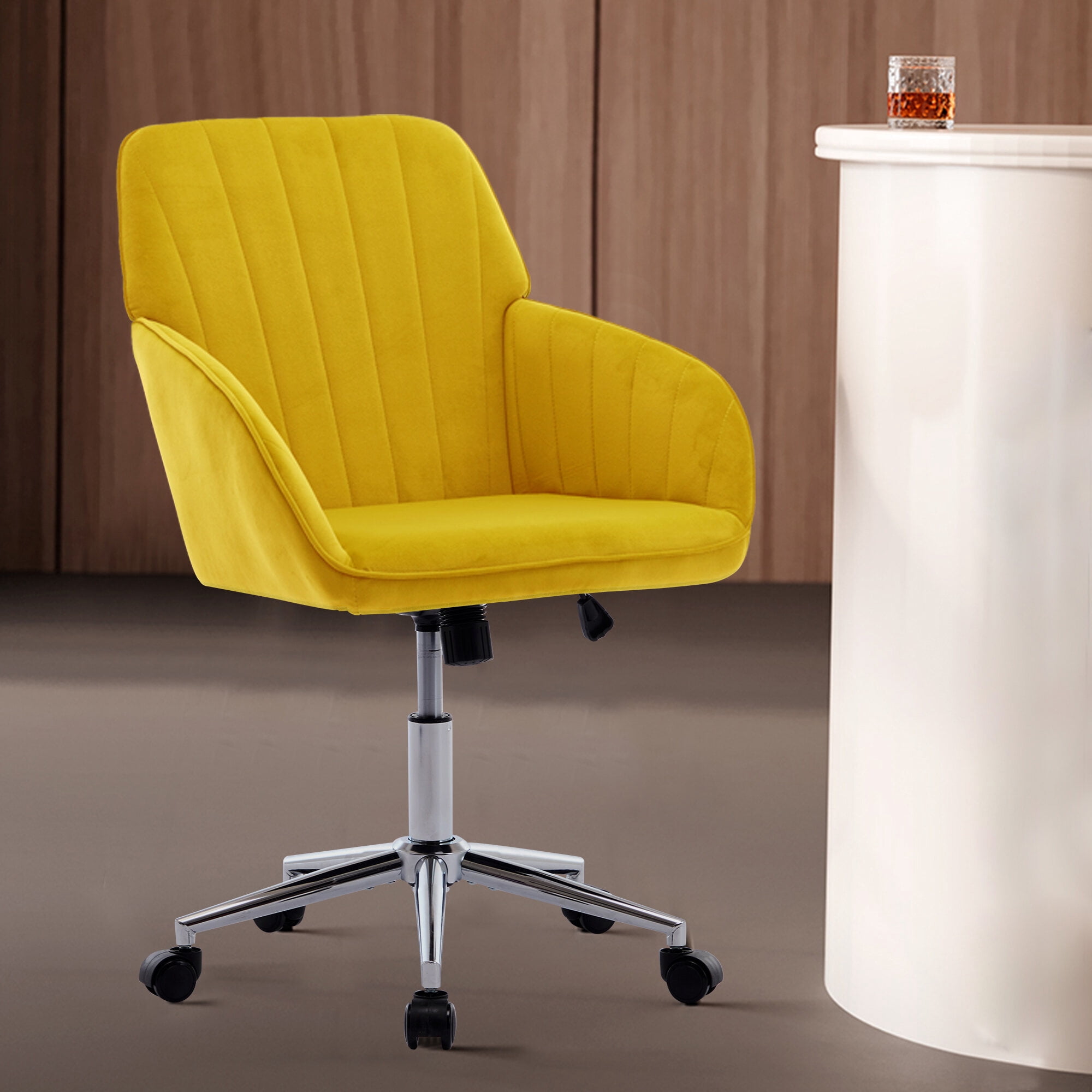
- Aesthetics & Culture: Your office furniture reflects your brand identity. Whether you prefer a modern, minimalist look or a vibrant, creative vibe, the chair should align with your startup's culture.
- Easy Maintenance: Spills and stains are inevitable. Chairs with stain-resistant fabrics or easily wipeable surfaces will save you time and money in the long run.
Types of Chairs for Every Startup Role
Different roles require different seating solutions. Here's a quick breakdown:
| Role/Use Case | Recommended Chair Type | Key Features | Budget Range |
|---|---|---|---|
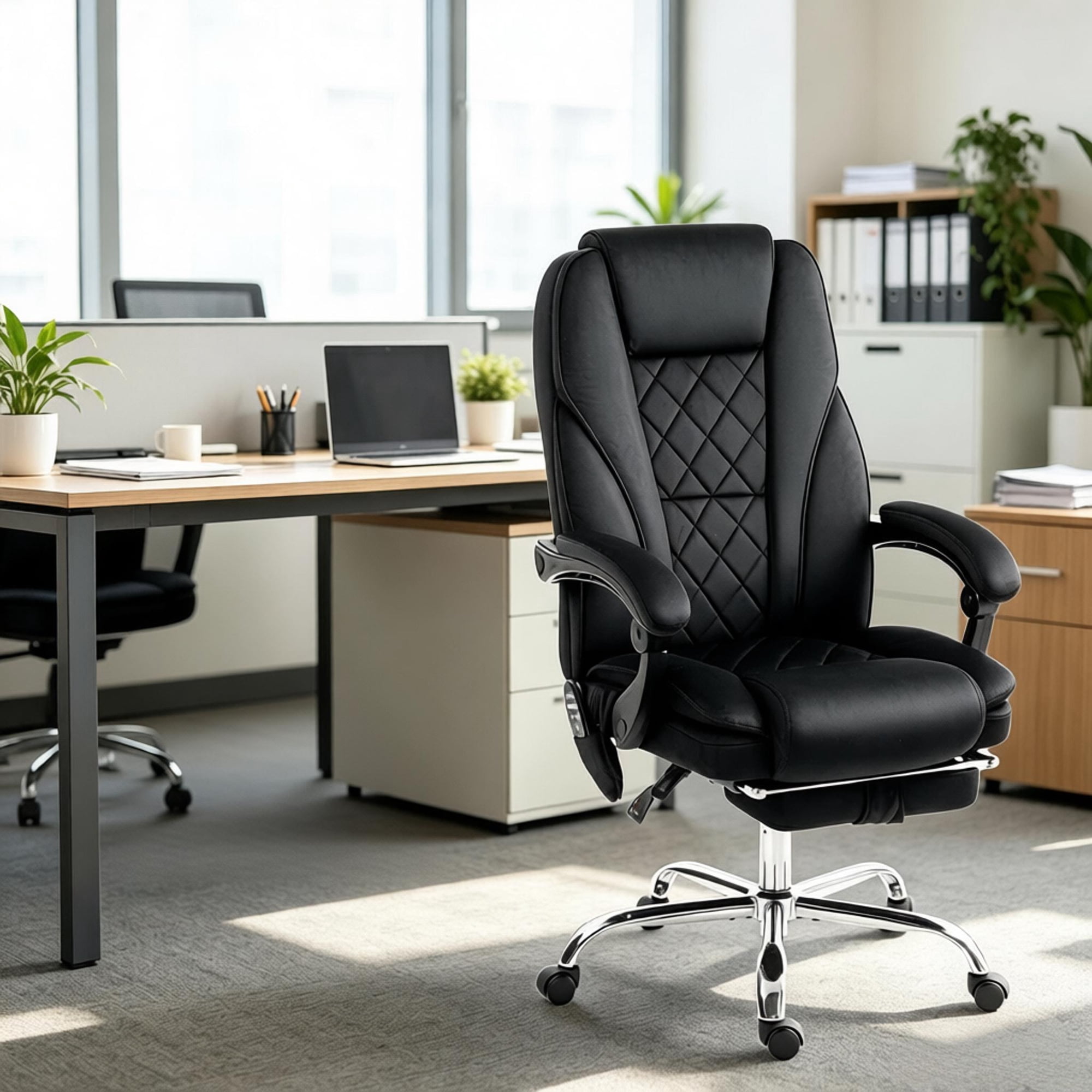
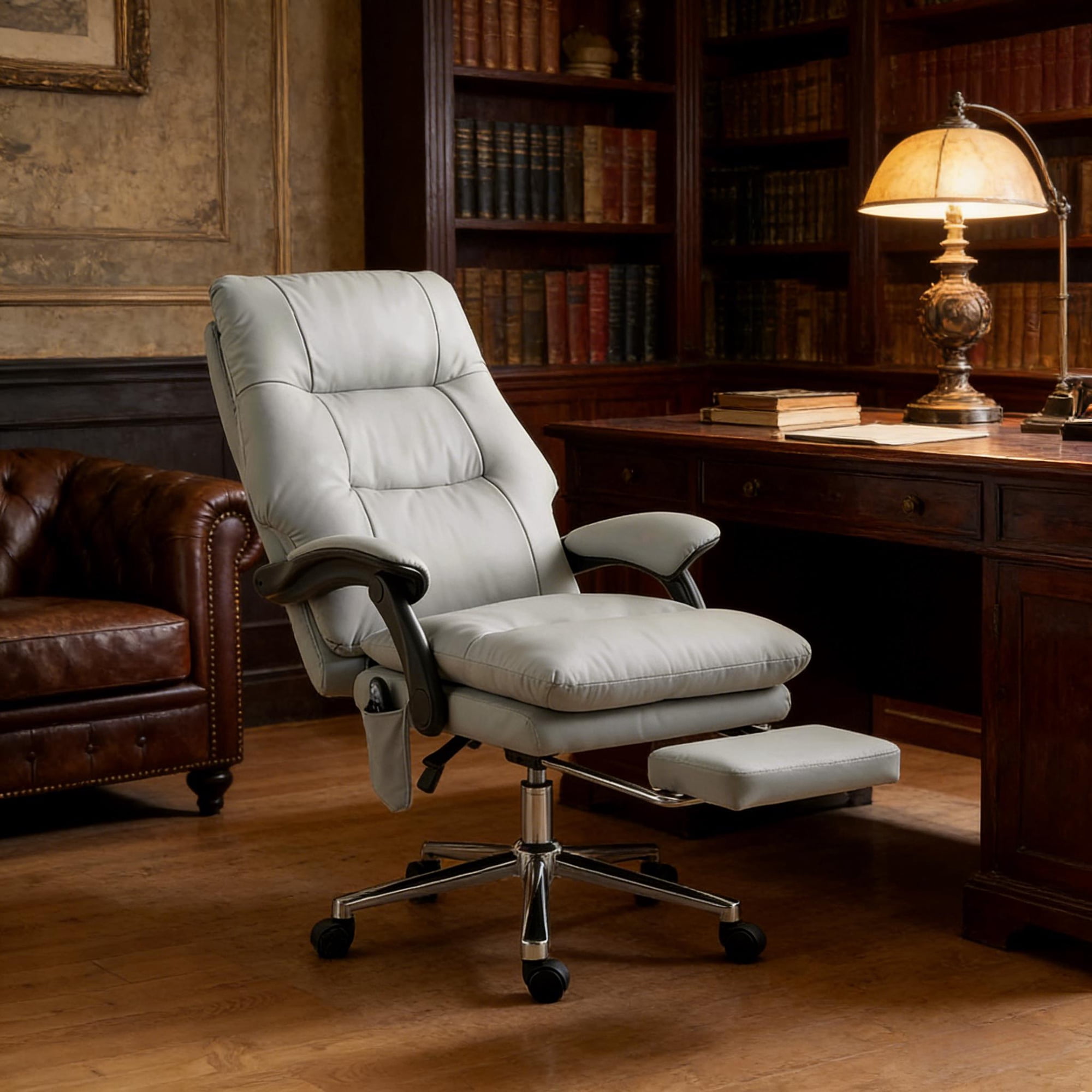
| Founder / CEO | Mid-back or High-back Ergonomic | Adjustable lumbar, 3D armrests, breathable mesh or premium fabric | $300 - $600 |
| Development Team | Ergonomic Task Chair | Good lumbar, seat depth adjustment, swivel and tilt functions | $250 - $450 |
| Design / Creative | Kneeling or Active Sitting Chair | Promotes dynamic sitting, relieves back pressure, encourages movement | $200 - $400 |
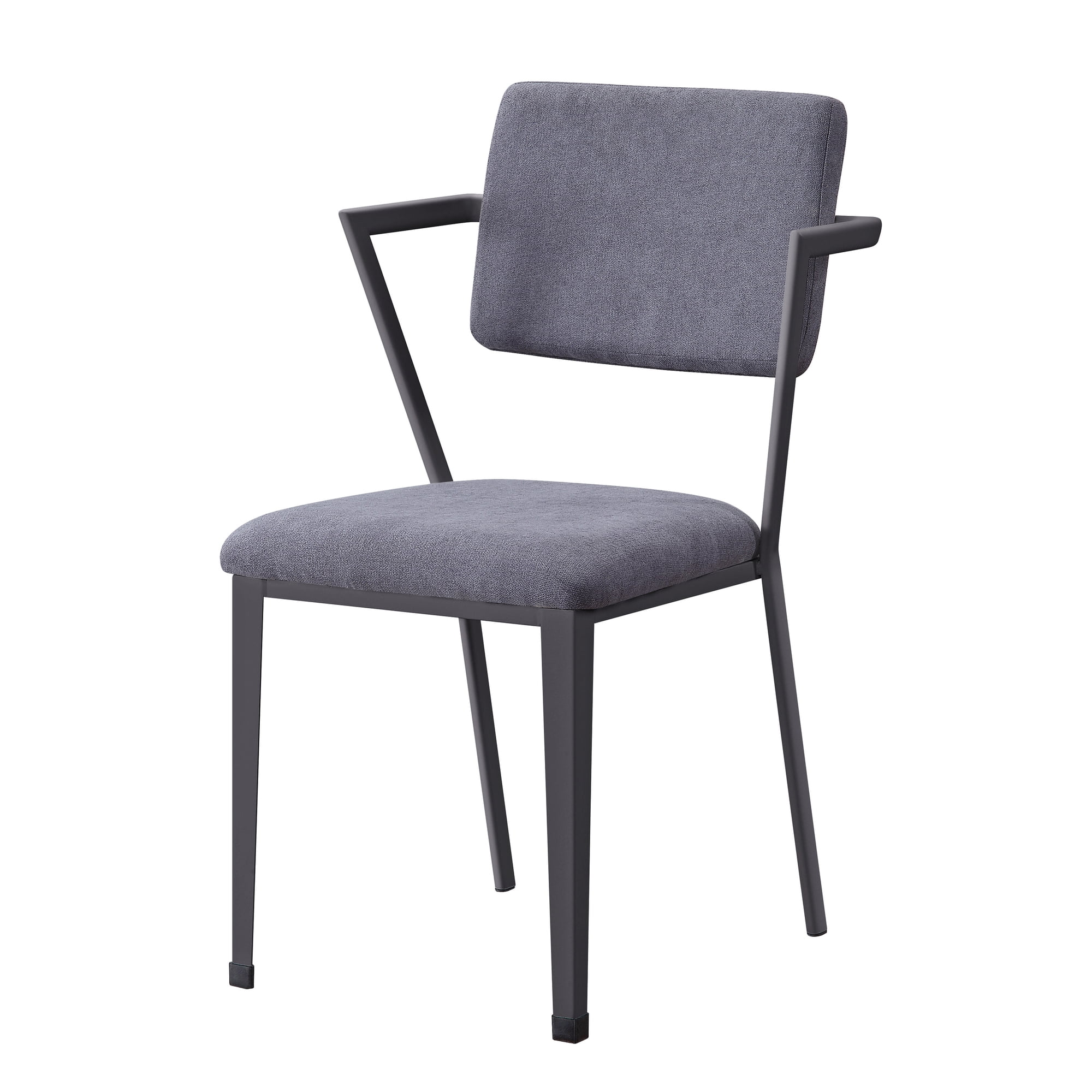
| Guest / Meeting Areas | Stackable or Side Chairs | Lightweight, easy to store, comfortable for short-term use | $80 - $200 |
| Home Office / Remote | Compact Ergonomic Chair | Space-saving, adjustable arms (or armless), smooth casters for various floors | $200 - $400 |
Health and Productivity Benefits
The modern startup culture often involves long hours and intense focus. The right chair is not just a piece of furniture; it's a health tool. Here's how proper seating supports your team:
Reduced Back & Neck Pain
Good lumbar support maintains the spine's natural curve, reducing the risk of chronic back pain, a common ailment among desk workers.
Enhanced Focus & Energy
Comfortable seating minimizes distractions from physical discomfort, allowing for deeper focus and sustained energy throughout the day.
Boosted Morale
Showing your team you care about their well-being by providing quality seating can boost morale and foster a positive work environment.
Improved Circulation
Chairs with a waterfall seat edge and adjustable height promote better blood flow, reducing leg fatigue and swelling.
How to Choose the Perfect Startup Chair: A Step-by-Step Guide
Selecting the right chair for your startup is a process. Follow these steps to ensure you make an informed decision:
- Assess Your Team's Needs: Think about the demographics of your team. Height, weight, and any existing back conditions should guide your choice. A one-size-fits-all approach rarely works.
- Set a Realistic Budget: Determine how much you can allocate per chair and for the entire office. Remember, this is a long-term investment in your team's health and productivity.
- Prioritize Ergonomic Features: Focus on essential adjustments: seat height, lumbar support (preferably adjustable), armrests (height and width), and tilt tension. These are non-negotiable for long-term comfort.
- Consider Material and Aesthetics: Choose materials that are durable and match your office vibe. Mesh is breathable, fabric is cozy, and leather is premium. Pick what fits your culture.
- Test Before You Buy (If Possible): If you can, have team members sit on demo chairs. At the very least, read reviews and look for detailed specifications to ensure the chair meets your requirements.
- Read Reviews and Check Warranties: Real-world feedback from other startups or offices with similar needs is invaluable. A good warranty (5+ years on the frame) is a sign of quality.
By following this guide, you'll be well on your way to finding the perfect seating solutions that support your team's well-being and your startup's growth trajectory.
Frequently Asked Questions About Office Chairs for Startups
Final Thoughts: Invest in Your Team's Foundation
Choosing an office chair startup seating is more than a purchase; it's a statement about your company's values. By prioritizing ergonomic, flexible, and durable chairs, you're signaling that you care about your team's health, comfort, and long-term success. The right chair can significantly enhance productivity, reduce sick days, and create a more positive and engaging work environment. As your startup grows, these foundational investments will pay for themselves many times over.
Take your time, research thoroughly, and involve your team in the decision-making process. The perfect chair is out there, ready to support you and your team through the exciting journey ahead.