
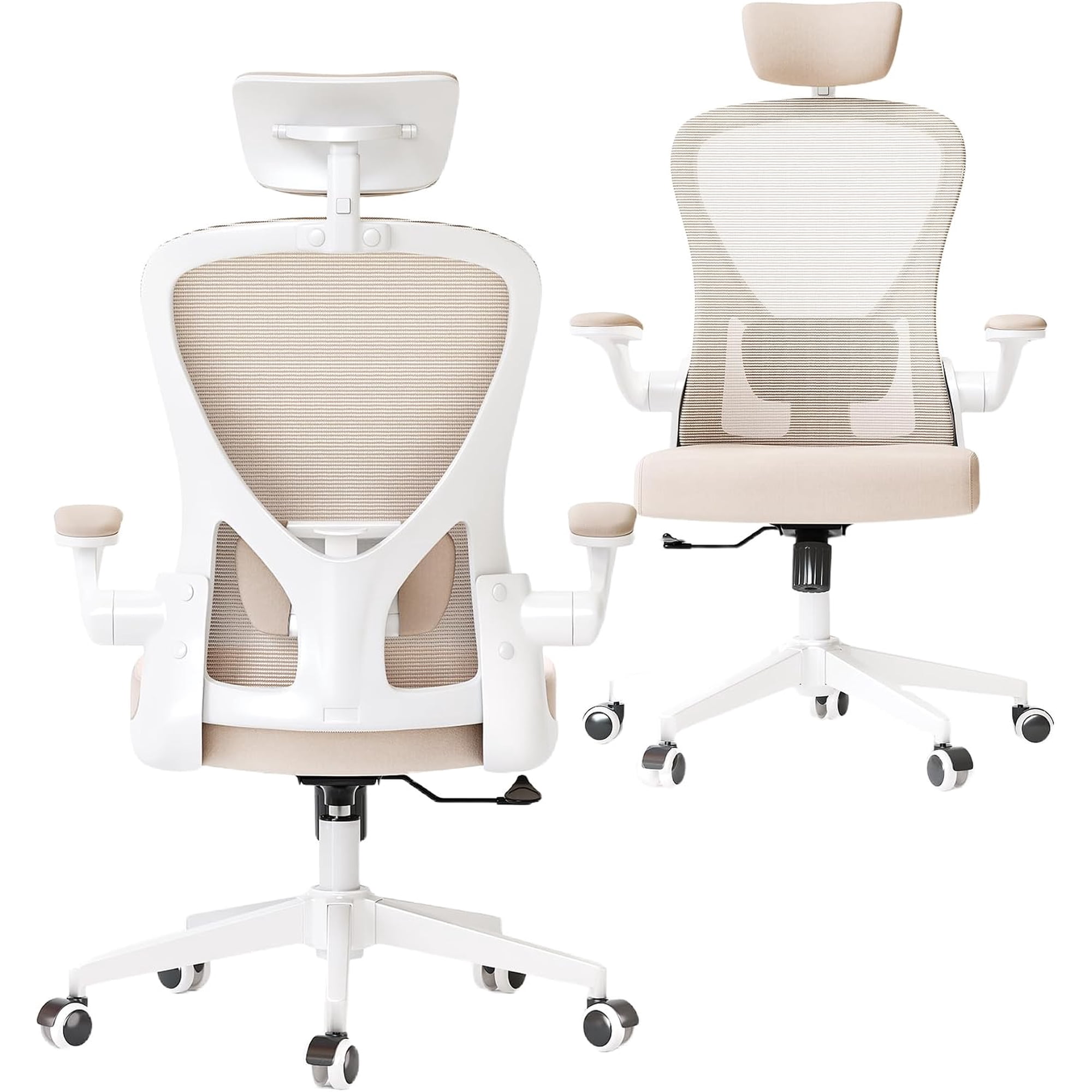
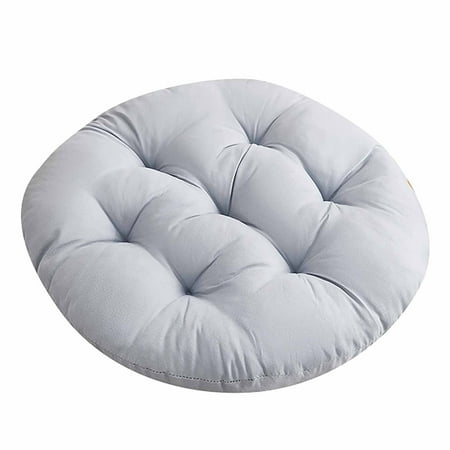
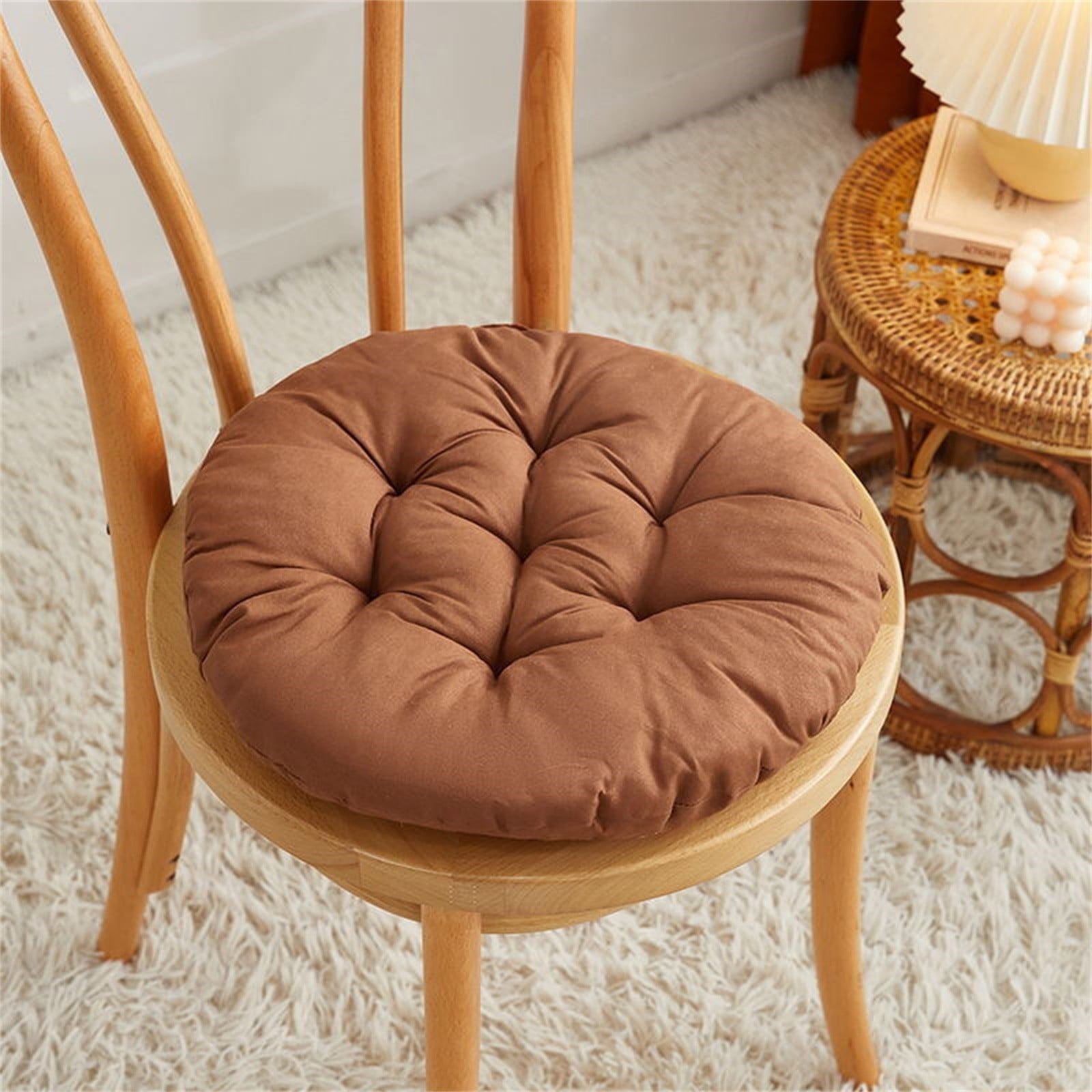
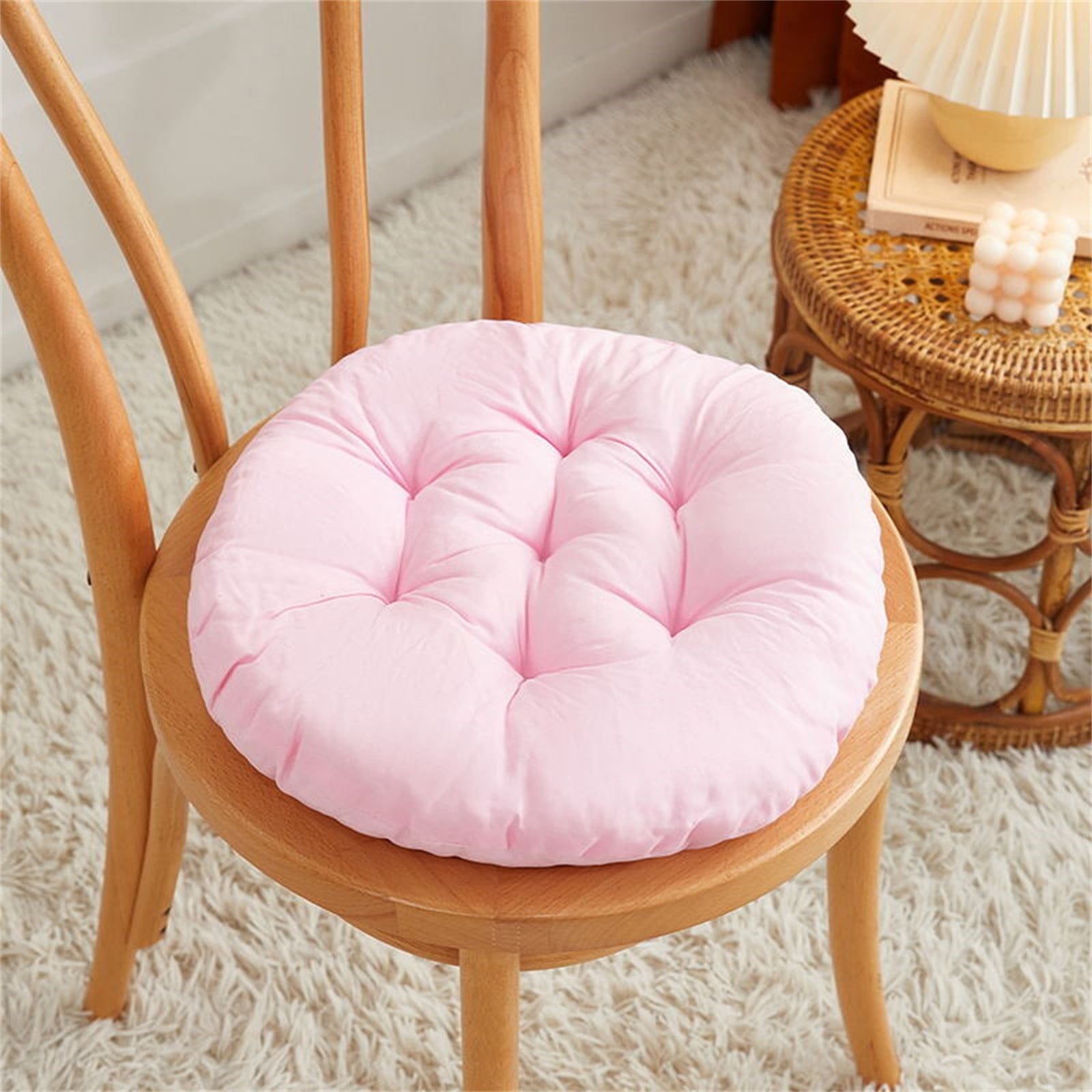
Why Your Hip Pain Needs a Specialized Office Chair Cushion
Hip pain while sitting is often a silent productivity killer. Unlike general back pain, hip discomfort stems from concentrated pressure on the greater trochanter (the bony part of your upper thigh) or the ischial tuberosities (your sit bones). Standard office chairs, even expensive ones, rarely provide adequate contouring for the unique shape of the hips. A dedicated office chair cushion for hip pain acts like a custom mattress for your pelvis—it fills gaps, stabilizes your seating, and spreads the load evenly.
Clinical Insight: A study in the Journal of Physical Therapy Science found that using an ergonomic seat cushion reduced sitting-induced hip pressure by up to 37% and improved sitting comfort scores by 58% among office workers with chronic hip pain. The key is selecting the right density and shape for your body type.
Anatomy of Hip Pain: Why Cushions Work
To understand how a cushion helps, visualize your pelvis: when you sit, your weight rests on two bony prominences called the ischial tuberosities. If the chair seat is too hard or flat, these points bear excessive pressure, which can radiate pain into the hips and lower back. A therapeutic cushion does two things: it provides a layer of conforming material (memory foam, gel, or high-resilience foam) that molds around the sit bones, and it may include a contoured depression or cutout to offload the sensitive coccyx and posterior hip area.
- Pressure redistribution: Quality cushions reduce peak pressure points by up to 50%, allowing blood to flow freely and nerves to remain uncompressed.
- Pelvic stability: A flat, unstable seat causes micro-adjustments that fatigue hip muscles. A good cushion stabilizes the pelvis, reducing muscle strain.
- Thermal regulation: Many modern cushions incorporate gel-infused foam or breathable covers to prevent sweating and heat buildup—common aggravators for hip skin irritation.
Key Features to Look for in a Hip Pain Cushion
Not all cushions are created equal. Use this checklist when evaluating products:
| Feature | Why It Matters for Hips | Ideal Specification |
|---|---|---|
| Cutout design | Relieves pressure on tailbone and posterior hip area | U-shaped or V-shaped coccyx cutout, at least 3 inches deep |
| Firmness level | Too soft lets hips sink too far, causing misalignment; too hard creates pressure | Medium-firm (ILD 40–60) memory foam or high-resilience foam |
| Material composition | Gel disperses heat; memory foam contours; latex is naturally resilient | Gel + memory foam hybrid for best pressure relief and cooling |
| Non-slip base | Prevents cushion from sliding forward, maintaining proper thigh support | Rubberized dots or non-skid fabric; strap-on options ideal |
| Cover removability | Easy cleaning prevents allergens and maintains hygiene | Machine-washable, breathable cover (cotton or bamboo blend) |
Materials Compared: Finding Your Perfect Match
Your choice of cushion material can make or break your comfort. Here's how the most common types stack up against hip pain:
🟤 Memory Foam
Conforms closely to body heat, providing custom contouring. Excellent for pressure relief but can retain heat unless gel-infused. Ideal for those who like a "hugging" feel.
🔵 Gel Cushions
Typically semi-solid or gel-infused foam. They dissipate heat effectively and offer a cooler sit. The gel layer adds a subtle bounce, reducing friction on hip joints.
🟠 High-Density Foam
Firmer and more supportive. Prevents the "bottoming out" sensation. Good for heavier individuals or those needing maximum stability for hip alignment.
⚪ Air Cell / Inflatable
Adjustable firmness via air pump. Allows fine-tuning of pressure. Lightweight and portable, but may lack contouring precision.
How to Choose the Right Cushion for Your Body and Chair
Step-by-step selection guide:
- Measure your chair seat: Width and depth matter. Cushion should be 1–2 inches narrower than the chair to allow for slight movement.
- Identify your pain pattern: Is it sharp on one side? Dull ache across both hips? If pain is unilateral, look for a cushion with additional contouring or a wedge shape that tilts the pelvis slightly.
- Check your weight: Lightweight individuals (under 150 lbs) usually prefer softer foam; heavier users (over 220 lbs) need firmer, high-density foam to avoid sinking to the chair.
- Consider your chair's surface: Slick leather chairs need cushions with strong non-slip backing. Fabric chairs can usually hold any cushion well.
- Read real-user reviews: Look for comments from people with similar body types and hip issues. "This cushion saved my hips after sitting 8 hours" is a green flag.
Real-Life Benefits: Beyond Pain Relief
Using an orthopedic cushion isn't just about reducing ouch—it transforms your entire work experience. With less pain, you'll fidget less, focus more, and likely take fewer sick days related to musculoskeletal issues. Many users report that after two weeks of using a proper cushion, their standing posture improves because the hips are no longer habitually tilted from sitting on a hard surface.
Think of a chair cushion as you would a pair of prescription glasses: the chair is the frame, but the cushion is the lens that corrects your specific visual (or in this case, physical) impairment. A one-size-fits-all chair rarely fits all hips. By investing in a dedicated office chair cushion for hip pain, you're essentially customizing your workplace ergonomics without buying a whole new chair.
Frequently Asked Questions About Hip Pain Cushions
Conclusion: Sit Smarter, Not Harder
Hip pain doesn't have to be your daily work companion. By choosing a high-quality office chair cushion for hip pain, you're taking a proactive step toward better health and productivity. Remember to consider your body type, chair dimensions, and preferred material. The cushions featured above are carefully selected based on real user feedback and ergonomic principles. Pair your cushion with regular breaks and gentle stretching, and you'll likely wonder how you ever sat without one.