
Why Choose a Leather and Wood Executive Office Chair?
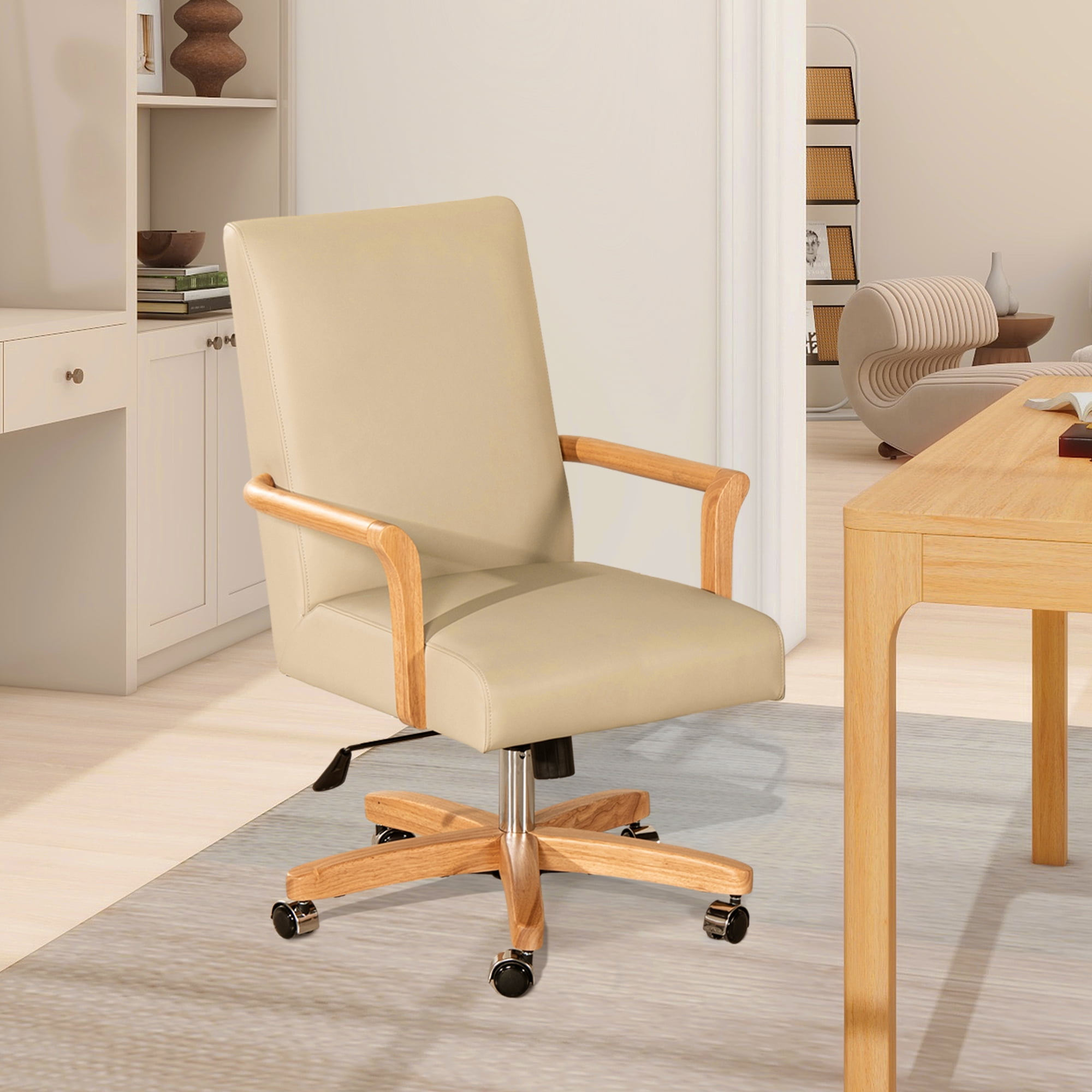
In a world of disposable furniture, the leather and wood executive office chair stands as a statement of permanence, taste, and success. It bridges the gap between the organic warmth of nature and the refined luxury of fine upholstery. For executives, this isn't just a chair—it's a symbol of authority, a partner in productivity, and a legacy piece for the office.
Did you know? According to a survey by the American Society of Interior Designers, 78% of executives believe that the quality of their office furniture directly influences client perceptions. A leather and wood executive chair is often cited as the single most impactful piece for creating a trustworthy, established atmosphere.
The Unique Appeal of Wood and Leather
Unlike mass-produced chairs, a leather and wood executive chair combines two of the most revered materials in furniture making. Here's why this combination remains unrivaled:
- Unmatched Aesthetics: The rich grain of oak, walnut, or mahogany paired with the supple texture of leather creates a visual harmony that synthetic materials cannot replicate. It conveys a sense of heritage and meticulous attention to detail.
- Superior Durability: Solid wood frames offer exceptional structural integrity, often outlasting metal or plastic frames. When combined with top-grain leather, these chairs can easily last 15–20 years, making them a sustainable and cost-effective investment.
- Comfort that Improves with Age: Just like a fine leather jacket, the leather in these chairs molds to your body's unique contours, providing personalized comfort over time. The wood base offers a firm, stable foundation that reduces wobble and enhances your sense of security.
- Versatility in Design: From mid-century modern with tapered wood legs to traditional tufted leather backs with ornate wood trim, these chairs adapt to various office styles—from law firms to creative studios.
Key Features of Premium Leather and Wood Executive Chairs
When selecting a chair in this category, look for these hallmarks of quality:
| Feature | Why It Matters | What to Look For |
|---|---|---|
| Leather Grade | Determines durability, feel, and aging characteristics. | Full-grain or top-grain leather for the best durability and patina development. |
| Wood Type | Affects strength, weight, and aesthetic appeal. | Solid hardwood (oak, walnut, mahogany) for longevity; quality veneers can be acceptable but check for solid core. |
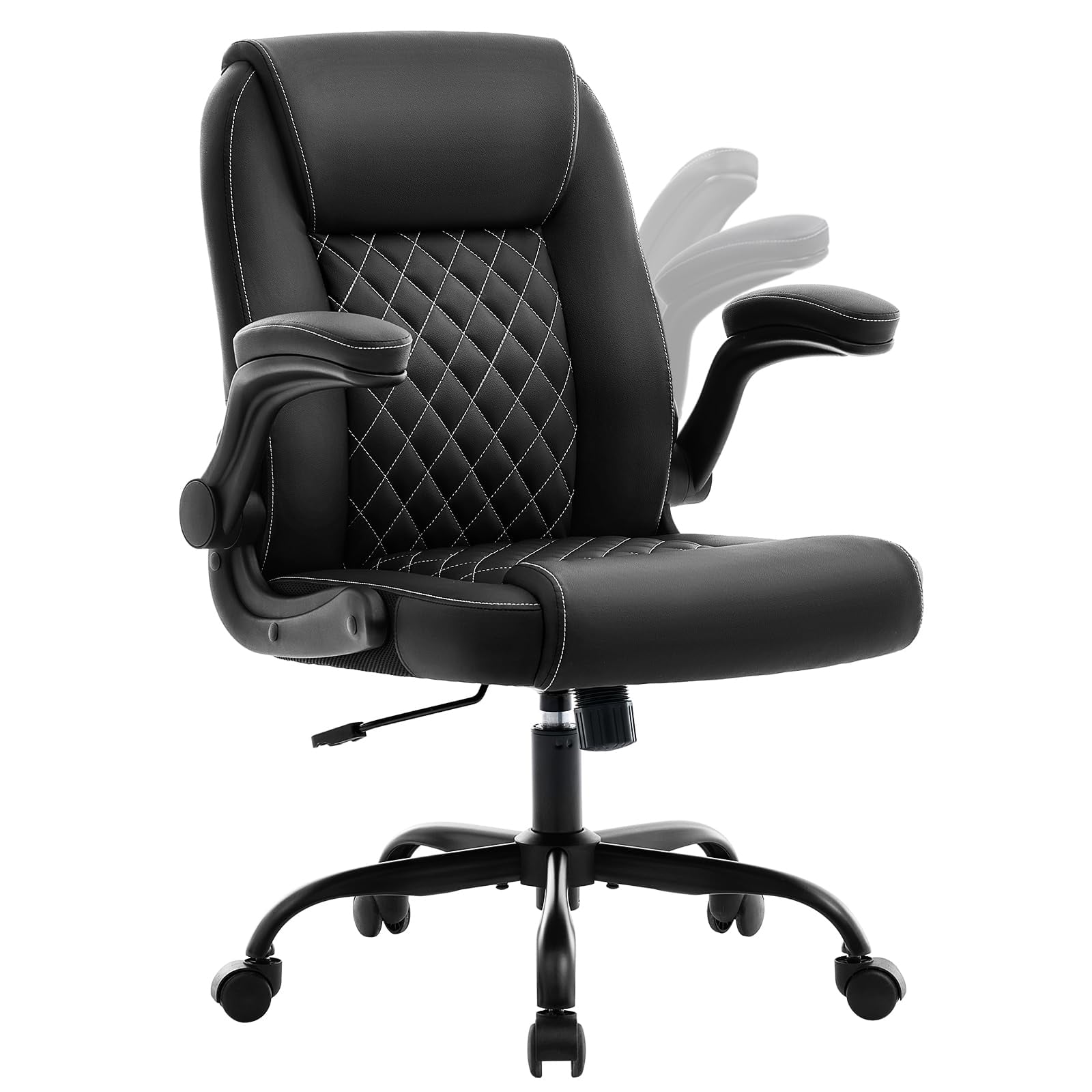
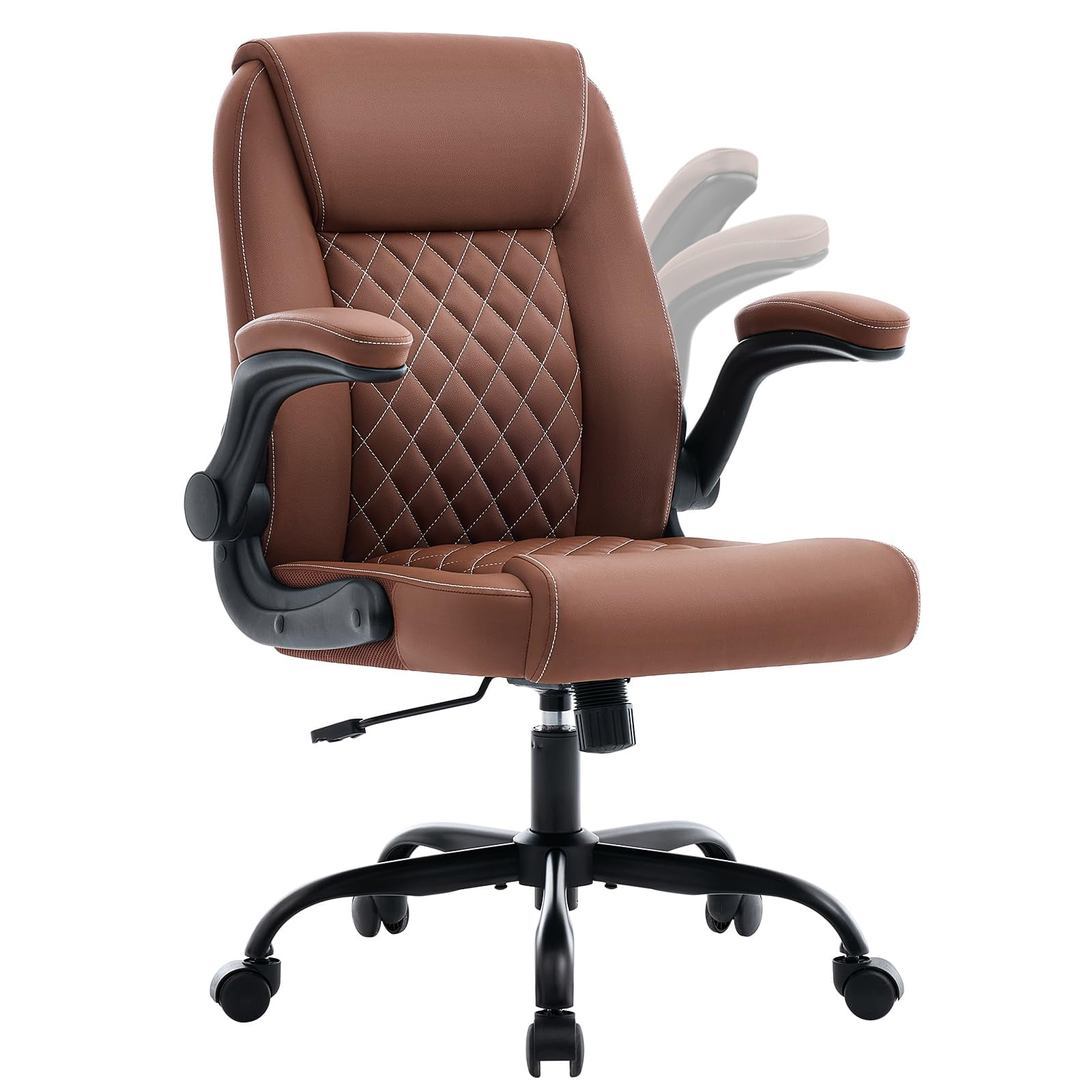
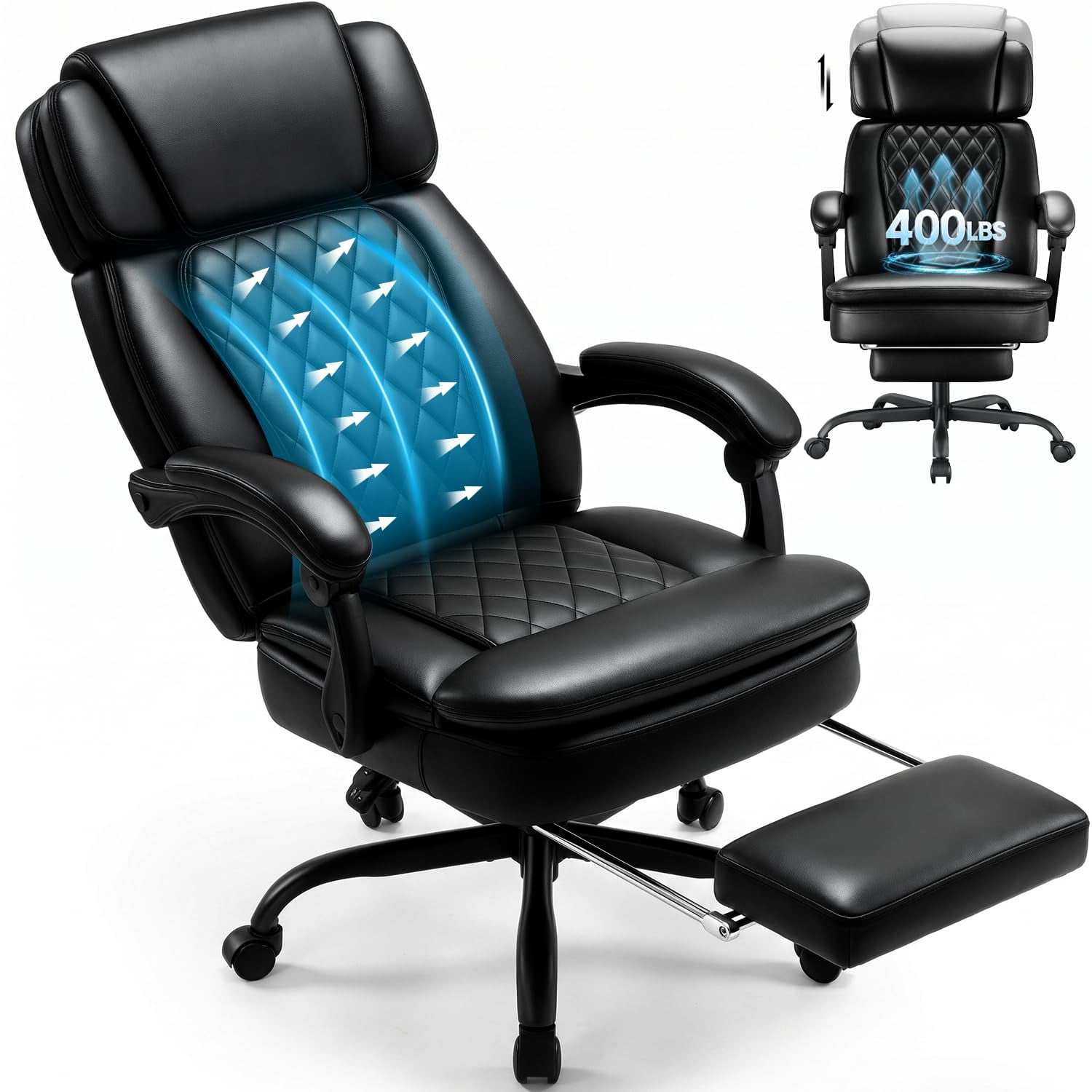
| Ergonomic Support | Ensures comfort during long work sessions. | Adjustable lumbar support, tilt tension, seat height, and padded armrests. |
| Construction | Indicates overall build quality and reliability. | Mortise-and-tenon joints, reinforced base, dual-wheel casters suitable for your floor type. |
| Warranty | Shows manufacturer confidence in their product. | Minimum 5-year warranty on frame and mechanism; 10-year+ for premium brands. |
Health & Productivity Benefits
Investing in a high-quality leather and wood executive chair is also a health decision. Here's how it supports your well-being:
Enhanced Posture
Proper lumbar support and firm seating encourage a neutral spine position, reducing lower back strain.
Reduced Pressure Points
High-density foam in the seat distributes weight evenly, preventing numbness and improving circulation.
Improved Concentration
Comfortable seating minimizes fidgeting, allowing you to focus on strategic tasks for longer periods.
Professional Confidence
An aesthetically pleasing, high-quality chair can boost your self-assurance during important meetings and presentations.
Understanding Leather and Wood Grades in Executive Chairs
Navigating the terminology of leather and wood can be daunting. Here's a straightforward guide to help you make an informed choice:
Leather Types
- Full-Grain Leather: The highest quality. Retains the natural grain, highly durable, develops a rich patina. Ideal for a prestigious executive office.
- Top-Grain Leather: Slightly sanded and corrected, but still high quality. More uniform appearance, good durability.
- Genuine Leather: A lower grade made from split layers. Less durable, prone to cracking, but more affordable.
- Bonded Leather: Reconstituted leather scraps with a polyurethane coating. Least durable, not recommended for executive use.
Wood Types
- Solid Hardwood: (Oak, Walnut, Mahogany, Cherry) — offers superior strength, durability, and natural beauty. Resists warping and lasts generations.
- Engineered Wood: (MDF, Plywood with veneer) — more affordable and stable, but less resistant to heavy use and moisture. Look for high-quality veneers over solid cores.
- Wood Veneer: Thin layer of real wood over a substrate. Can look great but ensure the core is solid for durability.
Choosing the Perfect Leather and Wood Executive Chair: A Step-by-Step Guide
Step 1: Define Your Primary Use
Are you making this chair for a private office, a client-facing conference room, or a home study? The context dictates the style—from classic tufted back to sleek contemporary—and the level of ergonomic features you need.
Step 2: Evaluate Your Space
Measure your desk height, the available floor space, and consider the aesthetics of your office. A large, imposing mahogany chair suits a traditional office, while a lighter oak mid-century design fits modern spaces. Ensure the chair's width and depth are proportional to your room.
Step 3: Prioritize Ergonomic Adjustability
Step 4: Set a Realistic Budget
Consider the chair as a long-term investment. Here's a typical breakdown for quality chairs in this category:
Entry Executive
Good leather (genuine/top-grain), engineered wood accents, essential ergonomics.
Mid-Range Premium
Top-grain leather, solid hardwood frames, advanced lumbar support, better tilt mechanisms.
High-End Luxury
Full-grain leather, exotic hardwoods, handcrafted details, fully adjustable ergonomics, heirloom quality.
Step 5: Test Before You Invest
Pro Tip: If possible, visit a showroom to test the chair. Sit for at least 15 minutes, evaluate the lumbar support, check the tilt smoothness, and feel the quality of the leather and wood finish. Your body will tell you if it's the right fit.
Maintenance Guide for Longevity
To preserve the beauty and function of your leather and wood executive chair, follow these simple maintenance tips:
- Leather Care: Clean with a damp cloth weekly. Apply a pH-balanced leather conditioner every 3-6 months to prevent drying and cracking. Avoid using harsh chemicals.
- Wood Care: Dust regularly with a soft, lint-free cloth. Use a wood-specific polish or a solution of mild soap and water (damp cloth) for deeper cleaning. Avoid placing hot or wet items directly on the wood.
- Mechanical Parts: Check and tighten any screws or bolts every 6 months. Lubricate the tilt mechanism and casters with a silicone-based spray to ensure smooth operation.
- Placement: Keep the chair away from direct sunlight and heating/cooling vents to prevent leather fading and wood warping.