
The Rise of Furniture-Inspired Office Chairs
The lines between home and workspace have blurred dramatically. With remote work now a permanent fixture for millions, the humble office chair has undergone a remarkable transformation. No longer confined to basements or spare bedrooms, our workspaces have migrated into living rooms, bedrooms, and open-plan areas—bringing with them the challenge of maintaining aesthetic harmony.
Design Revolution: According to interior design surveys, 67% of remote workers now prioritize furniture aesthetics when choosing office seating, compared to just 23% pre-2020. The demand for office chairs that look like furniture has grown by 312% in the past three years, as homeowners refuse to compromise on style.
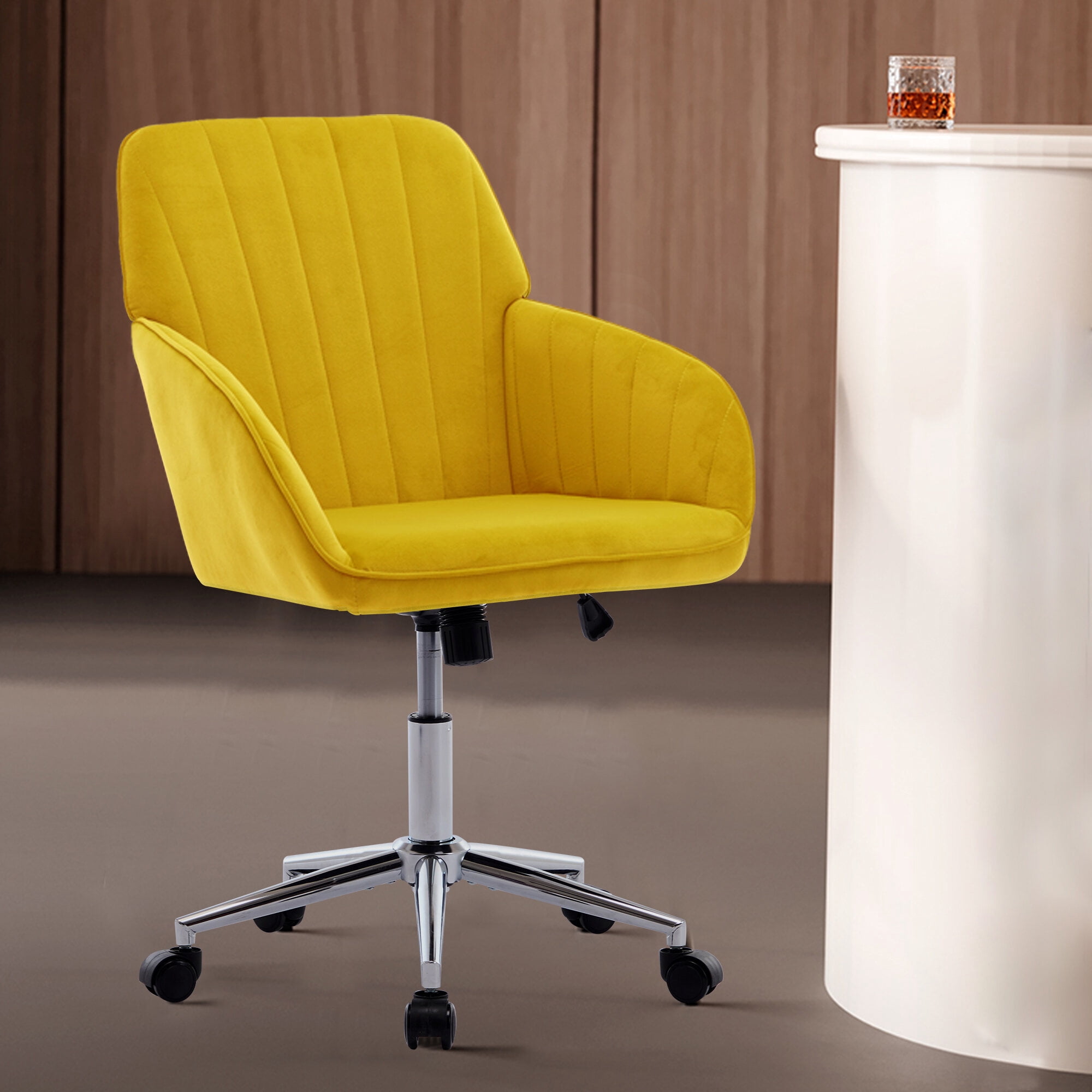
Enter the office chair that looks like furniture—a category that bridges the gap between ergonomic necessity and interior design sensibility. These chairs whisper "beautiful seating" before they announce "workspace essential." They feature upholstery you'd expect on a living room accent chair, wooden legs that warm a room's aesthetic, and silhouettes that complement rather than compete with your carefully curated decor.
What Defines a Furniture-Style Office Chair?
Understanding the characteristics that separate furniture-inspired seating from traditional office chairs helps you make informed choices. Here are the defining features:
- Residential upholstery materials like velvet, linen, boucle, and performance fabrics in designer colors (blush pink, forest green, mustard yellow, deep navy)
- Visible wooden elements—legs, armrests, or back frames in walnut, oak, ash, or ebonized finishes that add warmth
- Tapered or mid-century inspired legs rather than chunky plastic or metal bases with visible casters
- Tufted backs or button detailing that evoke classic furniture design rather than utilitarian mesh
- Streamlined silhouettes that disguise mechanical functions, hiding height adjustments and tilt mechanisms within elegant forms
- Color palettes that coordinate with home decor—neutrals, jewel tones, and pastels instead of basic black, gray, or white
Why Traditional Office Chairs Feel Out of Place at Home
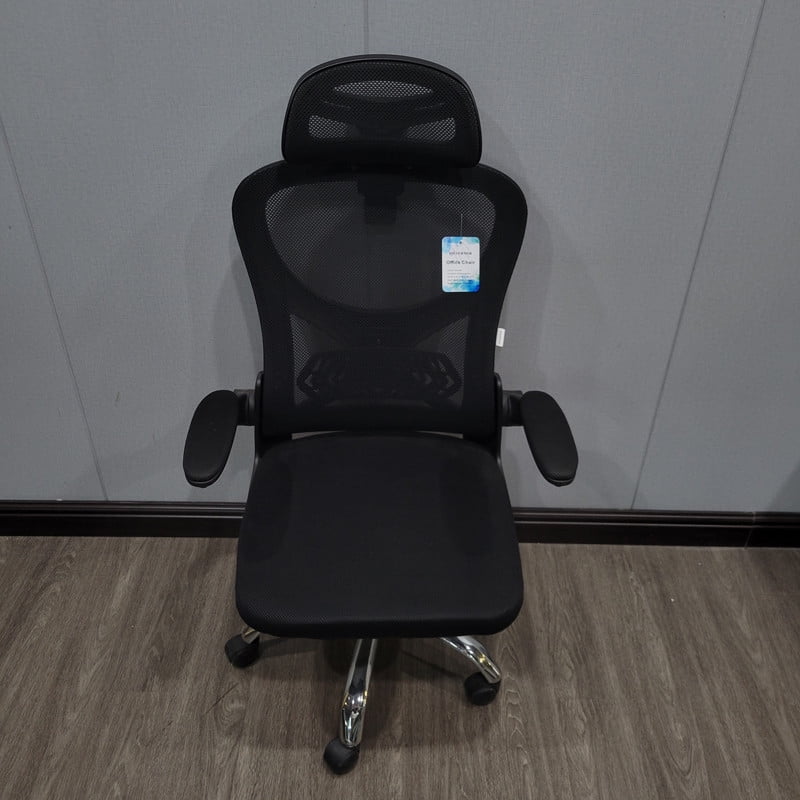
Imagine this: you've spent months perfecting your living room—a comfortable sectional, a rustic coffee table, plants in ceramic pots, and warm lighting. Then you add a black mesh task chair with exposed mechanisms and plastic arms. The visual discord is immediate and jarring.
Traditional office chairs were designed for commercial environments: cubicles, conference rooms, and corporate offices. Their materials—hard-wearing mesh, faux leather, plastic components—prioritize durability and cost-effectiveness over aesthetics. They're functional tools, not design elements. When placed in residential settings, they become visual clutter, reminding you constantly of "work mode" in spaces meant for relaxation.
Styles of Office Chairs That Double as Furniture
The market now offers remarkable variety in furniture-inspired office seating. Here are the most popular styles you'll encounter:
Mid-Century Modern
Clean lines, tapered wooden legs, and organic shapes. Often featuring molded plywood shells or button-tufted upholstery. Perfect for Scandi, boho, and retro-inspired spaces.
Victorian/Baroque
High-back wing chairs, ornate detailing, velvet upholstery, and nailhead trim. Adds drama and sophistication to traditional or maximalist interiors.
Hollywood Regency
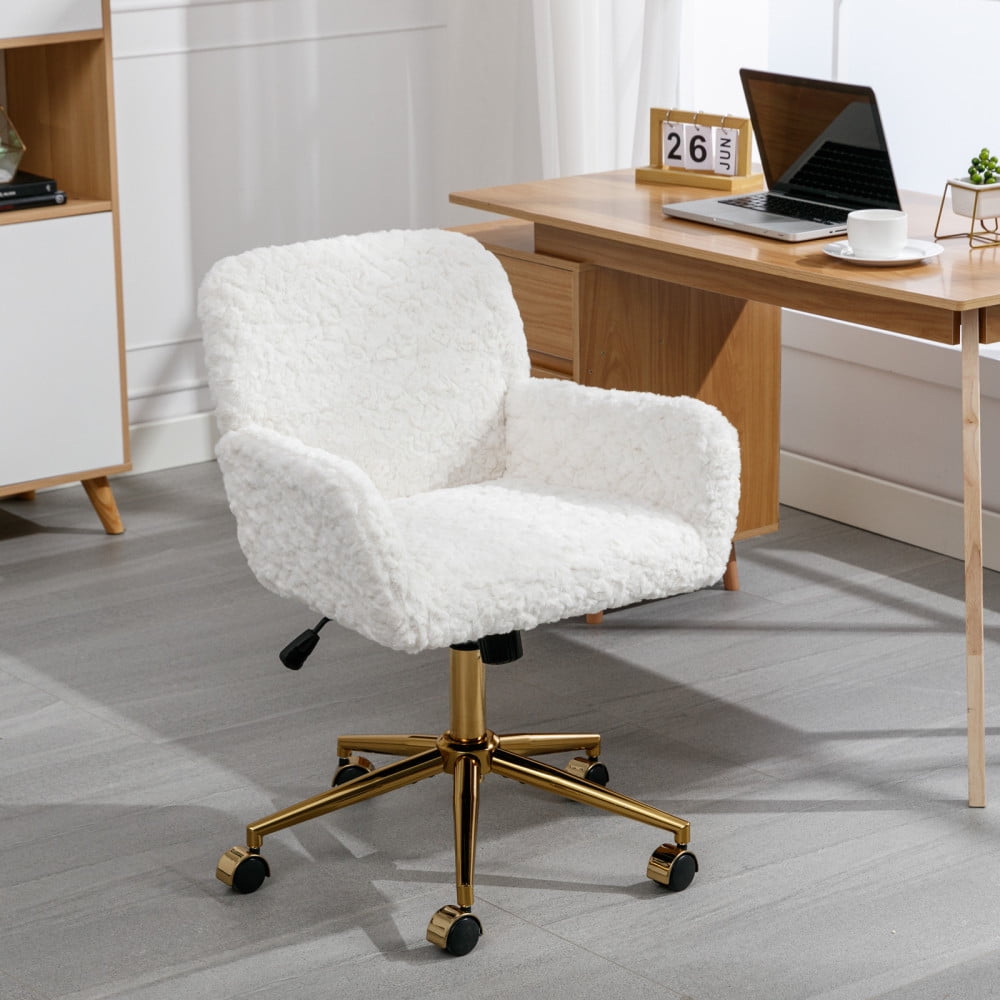
Glamorous touches—gold legs, tufted velvet, curved silhouettes. Brings old-Hollywood elegance to home offices and boudoir-inspired workspaces.
Scandinavian Minimalist
Light wood, pale upholstery, understated elegance. Focuses on simplicity and functionality while maintaining warm, inviting aesthetics.
Club Chair Style
Generously proportioned with deep seats and wrapped arms. Looks like a comfortable living room chair but includes hidden ergonomic features and casters.
Industrial Loft
Exposed metal frames, leather or canvas upholstery, utilitarian details. Suits urban lofts, modern farmhouses, and industrial-inspired spaces.
Material Deep Dive: What Makes Them Look Like Furniture
The materials used in furniture-style office chairs are perhaps their most distinguishing feature. Here's what to look for:
Velvet
Why it works: Luxurious, soft, and available in rich jewel tones. Velvet adds instant elegance and pairs beautifully with both gold and wooden accents.
Durability: Look for high-density velvet with stain-resistant treatments. Performance velvet withstands daily use while maintaining its plush appearance.
Best for: Traditional, glam, and maximalist interiors where you want the chair to be a statement piece.
Performance Fabric
Why it works: Mimics the look of linen or cotton but offers stain resistance, fade resistance, and easy cleaning. Available in countless colors and textures.
Durability: Excellent for high-traffic homes, families with children or pets, and anyone who eats at their desk.
Best for: Family homes, home offices that double as craft rooms, and anyone prioritizing practicality without sacrificing style.
Boucle
Why it works: The textured, looped fabric adds visual interest and tactile comfort. Its cozy appearance makes chairs feel like furniture you want to curl up in.
Durability: Moderate—boucle can snag, so it's best for low-abuse environments.
Best for: Bedroom offices, reading nooks, and spaces where the chair sees moderate use.
Wood Accents
Why it works: Visible wooden legs, arms, or back frames immediately signal "furniture" rather than "office equipment." Wood warms any space and grounds the chair visually.
Types: Walnut (rich and traditional), oak (light and Scandinavian), ash (versatile mid-tone), ebonized (modern and dramatic).
Best for: Any style—the wood finish can be chosen to match existing furniture.
Hidden Ergonomics: Comfort Disguised as Style
The magic of quality office chairs that look like furniture lies in how they conceal ergonomic features within beautiful forms. Here's what happens beneath the surface:
- Concealed lumbar support: Internal contours provide spinal alignment without external bulges or visible mechanisms. Some chairs use memory foam layers that mold to your back while maintaining the chair's elegant silhouette.
- Hidden height adjustment: Pneumatic lifts are housed within elegant columns or concealed beneath skirts. The adjustment mechanism exists but doesn't announce itself visually.
- Integrated tilt mechanisms: Recline functions are engineered into the chair's base or frame, allowing movement without exposed hardware or mechanical-looking components.
- Waterfall seat edges: The front edge curves downward gently, promoting circulation and comfort during long sits—all while maintaining the chair's furniture-like appearance.
- High-density foam: Premium cushioning provides support and durability without the "sinking in" look of lower-quality seating. The chair maintains its shape and appearance over years of use.
Ergonomics Meets Design: A study by the Interior Design + Ergonomics Research Institute found that workers using furniture-style office chairs reported 28% higher satisfaction with their workspace aesthetics, while maintaining the same comfort levels as those in traditional ergonomic chairs. The psychological boost of beautiful surroundings translated to a 15% increase in self-reported productivity.
How to Choose the Perfect Furniture-Style Office Chair
Selecting the right chair involves balancing aesthetics, ergonomics, and practicality. Follow this step-by-step guide:
- Assess your space: Take photos of your room and identify its dominant style. Is it modern, traditional, bohemian, minimalist? Note your color palette and the materials of existing furniture (wood tones, metal finishes, fabric types).
- Measure carefully: Furniture-style chairs often have different proportions than task chairs. Measure your desk height to ensure the chair's arm height (if applicable) will fit underneath. Consider the chair's visual weight—a large club chair might overwhelm a small workspace.
- Test for comfort (when possible): Sit for at least 15 minutes. Pay attention to pressure points, back support, and how the chair feels during typical work activities. Remember that beautiful chairs should still feel good after hours of use.
- Check adjustability: Even stylish chairs need to fit your body. Look for height adjustment, and if possible, tilt tension control. Some furniture-style chairs offer hidden adjustment levers that don't compromise aesthetics.
- Consider casters: Furniture-style chairs may feature decorative casters or glides. For hardwood floors, ensure casters are soft and non-marking. For carpets, choose casters designed to roll smoothly without damaging fibers.
- Read reviews for durability: Look for feedback about how the upholstery holds up, whether the wood finish scratches easily, and how the mechanisms perform over time. Beautiful chairs should stay beautiful.
Room-by-Room Guide: Where Furniture-Style Chairs Shine
Different rooms have different needs. Here's how to choose the perfect office chair that looks like furniture for each space:
| Room Type | Ideal Chair Style | Key Considerations |
|---|---|---|
| Living Room Corner Office | Club chair style or mid-century modern with wooden legs | Chair should blend with sofas and accent chairs. Choose upholstery that coordinates with living room textiles. Consider a swivel base for easy conversation transitions. |
| Bedroom Workspace | Velvet task chair or boucle accent chair | Softer, cozier materials work well. The chair should feel like bedroom furniture—inviting and personal. Look for smaller proportions if space is limited. |
| Dedicated Home Office | High-back executive style with furniture details | You have more freedom since the room is work-focused. Choose a chair that makes you feel professional but still complements the room's decor. Tufted leather or fabric with wooden accents works well. |
| Open-Plan Living | Minimalist Scandinavian or industrial loft style | The chair must work from multiple viewing angles. Choose neutral colors and clean lines that won't visually clutter the open space. Consider how the chair looks from all sides. |
| Kitchen Office Nook | Counter-height stool-style or compact task chair | Space is usually limited. Choose a smaller-scale chair that doesn't overwhelm the nook. Easy-clean fabrics are essential since this is near food preparation areas. |
The Psychology of Beautiful Workspaces
Why does it matter that your office chair looks like furniture? The answer lies in environmental psychology—the study of how our surroundings affect our thoughts, emotions, and behaviors.
When your workspace is visually harmonious, your brain processes it as a coherent, calming environment. This reduces cognitive load—the mental energy required to filter out discordant stimuli. Every time you glance at a chair that clashes with your room, your brain subconsciously registers that dissonance, creating micro-stresses throughout your day.
Conversely, a office chair that looks like furniture contributes to what designers call "visual flow." Your eye moves smoothly across the room, and your brain interprets the space as intentional and put-together. This subtle sense of order translates to reduced stress and increased ability to focus.
Maintaining Your Furniture-Style Office Chair
To keep your investment looking beautiful for years, follow these maintenance tips:
- For fabric upholstery: Vacuum weekly with a brush attachment to prevent dirt from settling into fibers. Treat spills immediately with a clean cloth—blot, don't rub. Consider professional cleaning annually for heavily used chairs.
- For velvet: Brush gently with a soft brush to maintain the nap and remove dust. Steam can refresh velvet between cleanings. Keep away from direct sunlight to prevent fading.
- For wood accents: Dust regularly with a soft, dry cloth. Use furniture polish occasionally to maintain luster. Protect from direct sunlight and heat sources that can dry and crack wood.
- For mechanisms: Lubricate moving parts annually with appropriate lubricant. Tighten any loose screws or bolts. Check casters for hair and debris buildup, cleaning as needed.
- For all materials: Rotate the chair's position occasionally to ensure even wear. Consider using arm covers if you rest arms on hard surfaces. Follow manufacturer care instructions specifically.
Frequently Asked Questions About Office Chairs That Look Like Furniture
Conclusion: The Future of Home Office Seating
The office chair that looks like furniture represents more than a trend—it's a fundamental shift in how we think about workspaces. As the boundaries between professional and personal life continue to blur, our environments must adapt to serve multiple purposes without sacrificing style or comfort.
Today's furniture-inspired office chairs prove that you don't have to choose between a beautiful home and a functional workspace. They offer the best of both worlds: ergonomic support that protects your body during long work hours, and design elements that enhance rather than detract from your carefully curated interior.
When shopping for your own furniture-style office chair, remember these key takeaways:
- Prioritize materials that match your lifestyle—performance fabrics for busy homes, luxurious velvets for lower-traffic spaces.
- Look for hidden ergonomics—the chair should support your body even if the support mechanisms aren't visible.
- Consider your room's style—choose a chair that complements existing furniture rather than competing with it.
- Test for comfort—beautiful chairs should still feel good after hours of use.
- Invest in quality—a well-made furniture-style chair will serve you for years while maintaining its appearance.
The Bottom Line: Your office chair is now part of your home's design story. Choose one that tells that story beautifully while supporting you through your workday. With the right office chair that looks like furniture, you'll create a space that's both productive and peaceful—a true sanctuary for modern living.
Top Recommendations by Style Preference
| Your Style | Recommended Chair Type | Key Features to Look For | Typical Price Range |
|---|---|---|---|
| Mid-Century Modern Lover | Wooden-leg task chair with molded shell | Tapered legs, organic curves, wool or boucle upholstery, warm wood tones | $300-$700 |
| Bohemian Spirit | Rattan or cane-back swivel chair | Natural materials, textured fabrics, eclectic vibe, woven details | $250-$600 |
| Modern Minimalist | Streamlined upholstered task chair | Clean lines, neutral colors, concealed mechanisms, understated elegance | $400-$800 |
| Traditional Elegance | Tufted leather or velvet wingback | Nailhead trim, high back, ornate details, rich colors | $500-$1,200 |
| Industrial Edge | Metal-frame leather or canvas chair | Exposed hardware, utilitarian details, distressed finishes, sturdy construction | $350-$750 |