
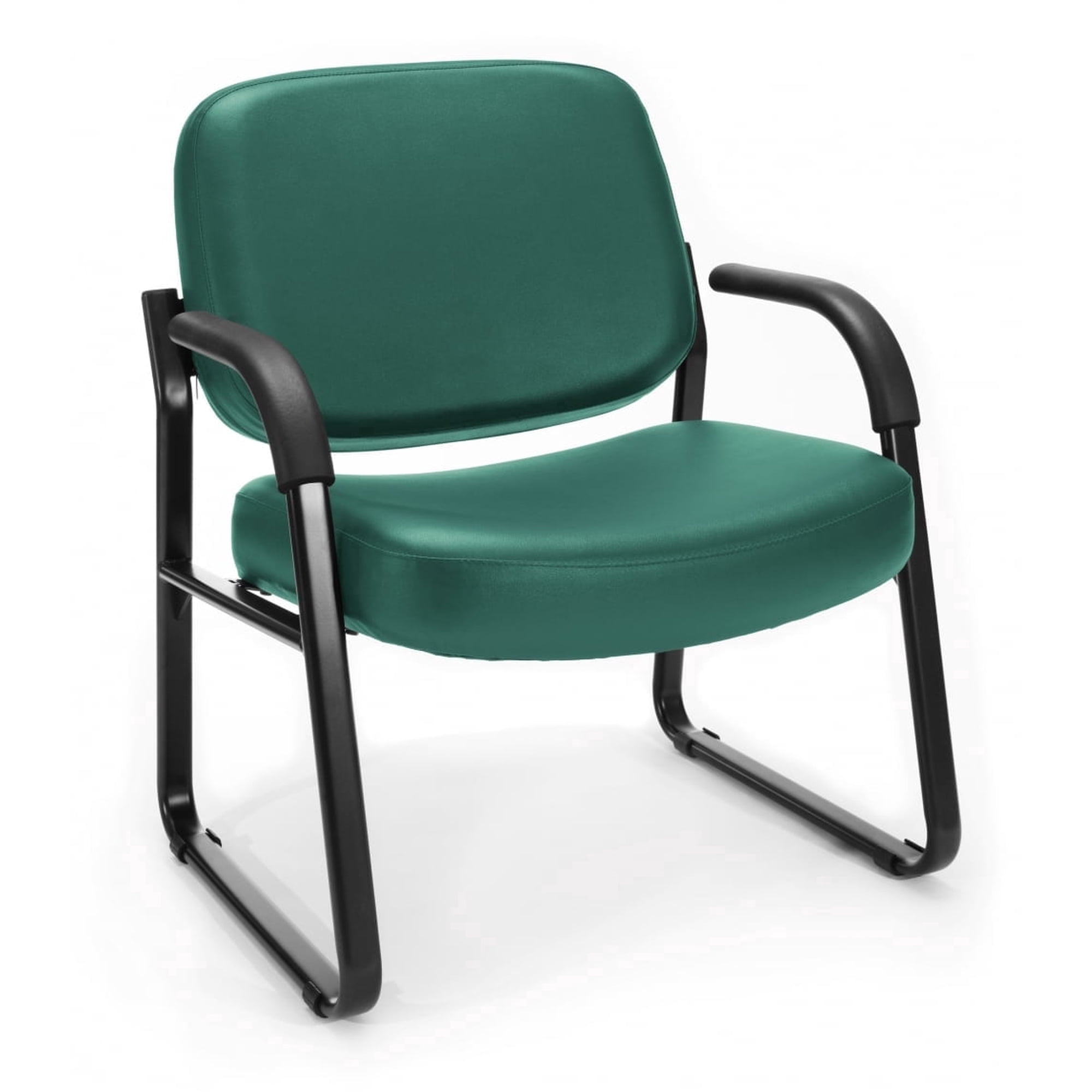
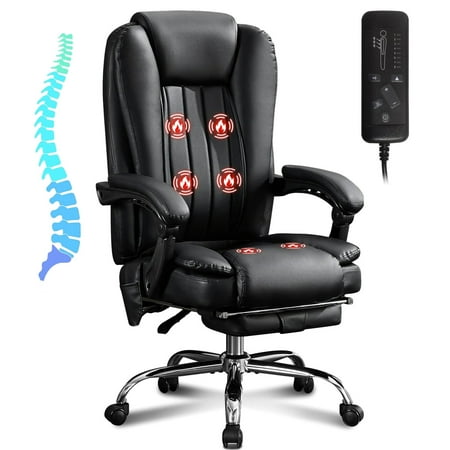
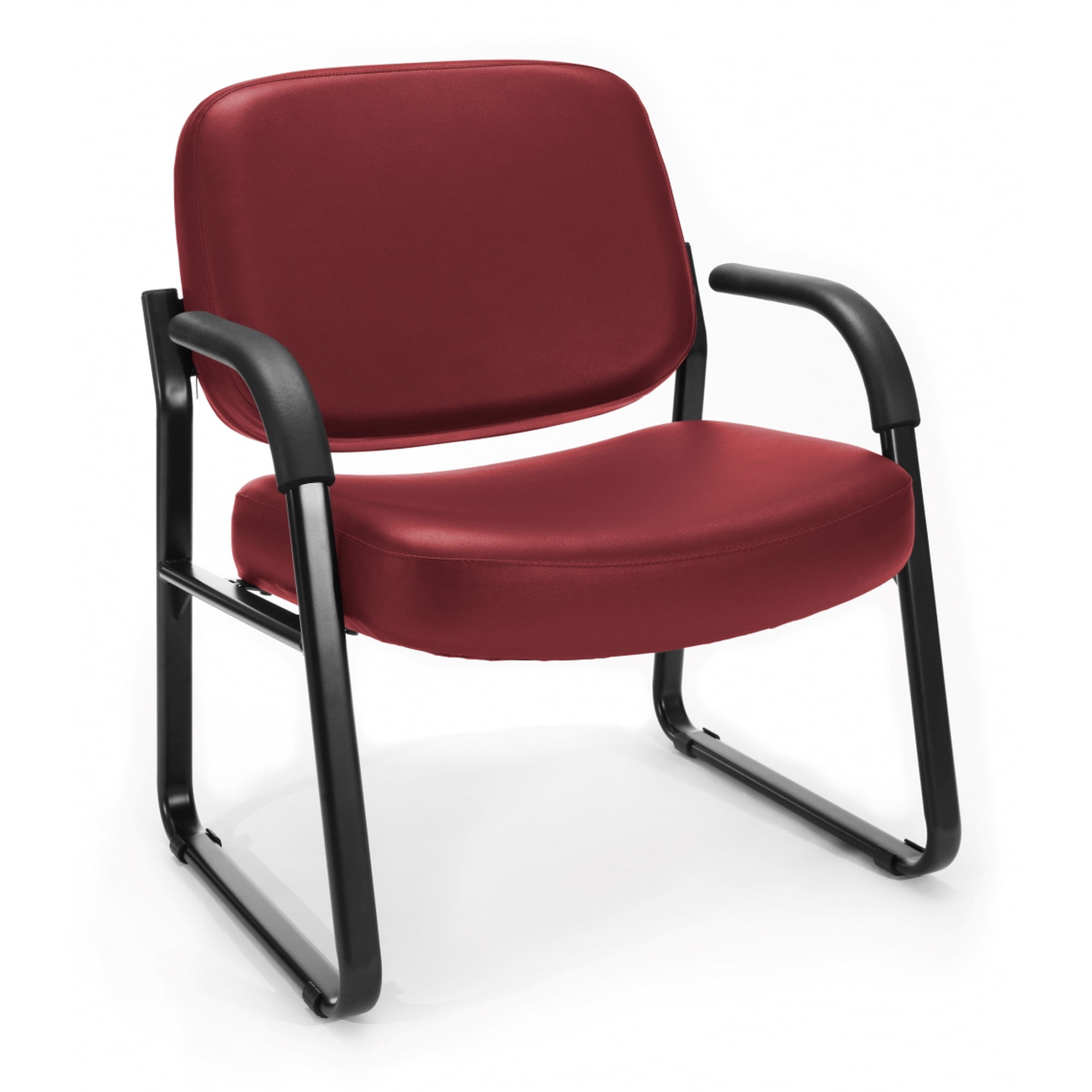
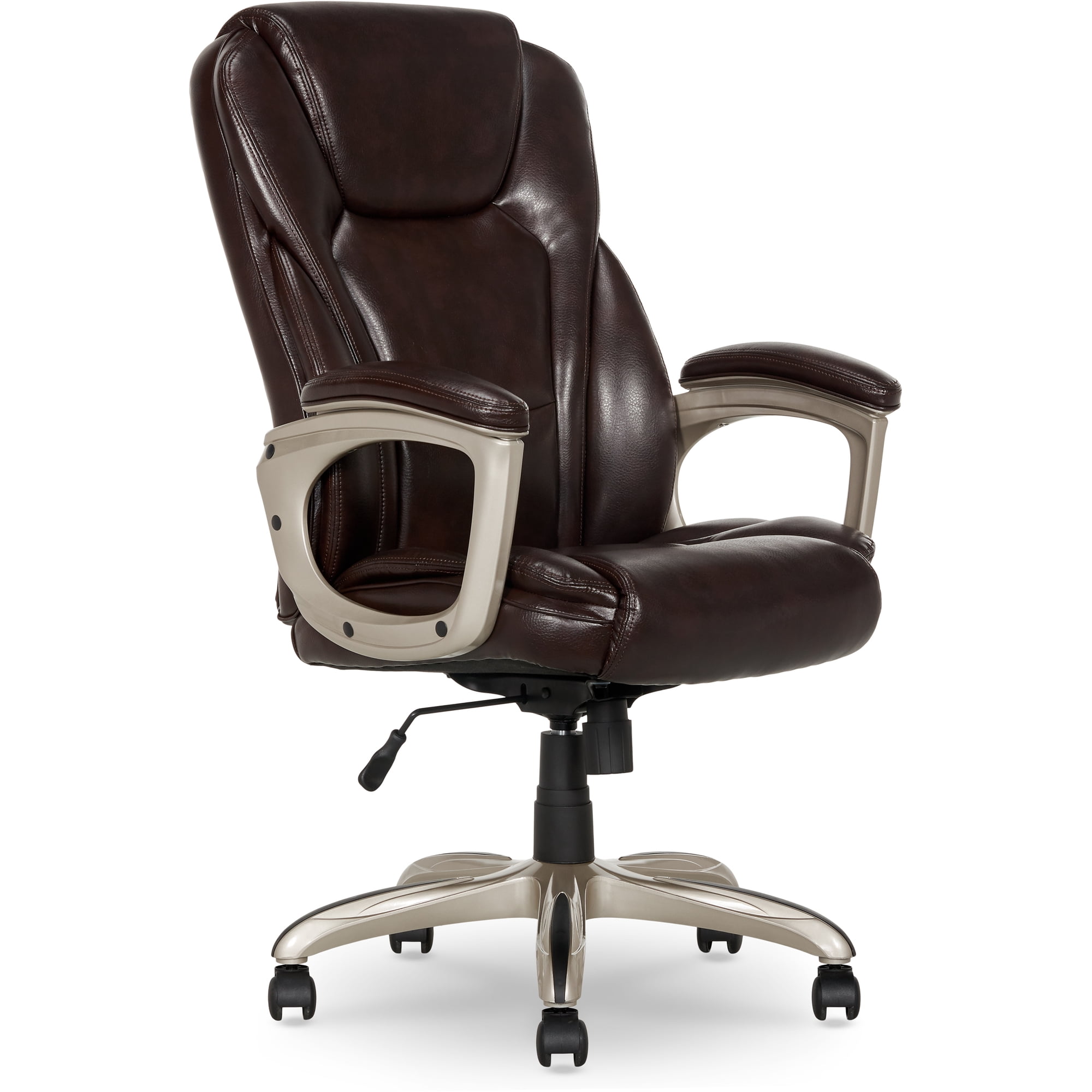
The Pursuit of the Most Durable Office Chair
In a world of planned obsolescence, where "fast furniture" often falls apart within a couple of years, the search for the most durable office chair is a quest for sanity and fiscal responsibility. Think of a durable chair not as a purchase, but as an infrastructure investment for your most productive asset: you. Just as you wouldn't build a skyscraper on a foundation of cardboard, you shouldn't build your workday on a chair designed to fail.
A truly durable chair is an engineering marvel. It's the difference between a car that rattles at 50,000 miles and one that purrs at 200,000. It's about industrial-grade components, military-spec textiles, and a frame that could double as a tank component. This guide dissects exactly what makes an office chair immortal, helping you identify the seating that will anchor your workspace for the next decade.
Longevity Insight: According to a 2023 survey by the Office Furniture Institute, 68% of "fast furniture" office chairs are replaced within the first 3 years due to mechanical failure (broken gas lifts, cracked bases) or fabric wear. In contrast, chairs built to commercial-grade "ANSI/BIFMA X5.1" standards are tested to withstand over 150,000+ cycles of use—equivalent to 10+ years of sitting and rising.
Deconstructing Durability: The Anatomy of an Indestructible Chair
Durability isn't a single feature; it's a symphony of robust parts working in harmony. To find the most durable office chair, you must look beneath the surface. Let's dissect the critical components that separate the timeless from the temporary.
1. The Skeletal System: Frame & Base
The frame is the chair's backbone. In flimsy chairs, it's often made of plastic or thin stamped metal. In durable chairs, it's welded steel or reinforced aluminum.
- Frame Material: Look for chairs that explicitly state "steel frame" or "aluminum alloy frame." Steel offers the highest strength-to-weight ratio for static loads. Avoid chairs with plastic frames for the backrest or seat pan.
- The 5-Star Base: This is a common failure point. The most durable bases are die-cast aluminum or heavy-gauge steel. They resist bending and cracking, even under constant load and movement. A cheap nylon base will eventually develop hairline fractures.
- Weight Capacity as a Proxy: While not the only indicator, a chair rated for 400 lbs or more is almost guaranteed to have a reinforced frame and base, making it significantly more durable for a 200 lb user as well.
2. The Mechanical Heart: Gas Lift & Tilt Mechanism
The gas lift (the cylinder that raises and lowers the chair) is the most hydraulically stressed part. Cheap lifts lose pressure or seize up. The tilt mechanism controls your movement and can wear out, causing the chair to lean awkwardly.
- Gas Lift Class: Demand a Class 4 or Class 5 gas lift. These are industrial-grade lifts tested to the highest standards for safety and longevity. Class 3 is standard for consumer chairs; Class 4 is for heavy-duty use; Class 5 is for the heaviest loads and 24/7 operational environments.
- Tilt Mechanism: Look for mechanisms made from forged steel with enclosed springs. Cheaper mechanisms use exposed springs that can snap or lose tension. A durable mechanism will have a multi-year warranty on its mechanical function.
- BIFMA Certification: This is your shortcut. The Business and Institutional Furniture Manufacturers Association (BIFMA) sets durability standards. A chair that is "BIFMA Certified" has passed rigorous tests for stability, strength, and fatigue. It's the gold standard for longevity.
3. The Armor: Upholstery & Materials
The surface you touch needs to resist years of abrasion, spills, and UV light. Here’s how materials stack up for pure endurance:
| Material | Durability Rating | Abrasion Resistance (Double Rubs) | Best Application |
|---|---|---|---|
| Commercial-Grade Fabric (e.g., solution-dyed nylon) | Excellent | 100,000+ (Heavy Duty) | 24/7 use, high-traffic offices, resists fading and pilling |
| Top-Grain Leather | Very Good | N/A (measured differently) | Executive settings, develops patina, requires conditioning to prevent drying/cracking over decades |
| Premium Mesh (e.g., DuPont™ Sorona®) | Good | High tension retention | Breathable backrests, but can sag over 10+ years if not high-tension |
| Faux Leather / PU | Fair / Poor | Peels and cracks within 2-5 years | Avoid if seeking long-term durability |
• Key Metric: Wyzenbeek Double Rubs — For fabrics, look for a score of over 100,000 double rubs. This means the fabric can withstand 100,000 cycles of abrasion before showing wear, qualifying it for "heavy-duty" commercial use.
4. The Foundation: Casters & Floor Protection
You rarely think about them until they snap. Durable chairs use heavy-duty casters.
- Material: Polyurethane casters are superior to hard nylon. They roll smoothly, absorb shock, and resist cracking and chipping over time.
- Construction: Look for casters with a metal fork and housing. All-plastic casters are a weak point. Dual-wheel casters also distribute weight better, reducing stress on each individual wheel.
The 5-Year vs. 10-Year Warranty: What It Tells You
Warranty length is a direct reflection of manufacturer confidence. A company offering a 10-year or lifetime warranty on the frame and mechanical components is essentially betting that their chair will last that long. Chairs with only a 1-year warranty are often designed to be disposable. Always check the warranty details: a comprehensive warranty covers parts, mechanisms, and sometimes even upholstery for a significant period.
Reinforced Steel Frame
Eliminates wobble and flex, ensuring structural integrity for 15+ years.
Class 4 Gas Lift
Tested to 50,000+ cycles; ensures smooth height adjustment without failing.
Commercial Fabric
100,000+ double rubs means it looks new even after a decade of use.
Die-Cast Aluminum Base
Will not crack or deform under heavy, long-term loads.
Frequently Asked Questions About Durable Office Chairs
Conclusion: Invest in the Chair That Won't Quit
Choosing the most durable office chair is an act of defiance against disposable culture. It's a decision to value quality over quick fixes. By focusing on the engineering—the steel frame, the Class 4 lift, the commercial-grade fabric, and the comprehensive warranty—you're not just buying a place to sit; you're securing a foundation for your work life for the next decade.
Remember the analogy of a well-made tool: it might cost more upfront, but its cost-per-use plummets over time, and its reliability becomes something you can always count on. Use the guide above to look past the marketing and into the mechanical soul of the chair. Your back, your wallet, and the planet will thank you for choosing a piece of furniture built to last.
Quick Picks: Durability Profiles
| User Profile | Key Durability Feature to Prioritize | Target Warranty |
|---|---|---|
| Home Office (8hrs/day) | BIFMA Certification, High-quality mesh or fabric | 10+ years on frame/mechanism |
| Corporate / Shared Workspace | Commercial-grade fabric (100,000+ double rubs), steel frame | 10+ years comprehensive |
| Big & Tall User | 500lb capacity, Class 5 lift, reinforced steel base | Lifetime on frame |
| 24/7 Operation (e.g., Security) | Industrial mechanism, all-metal components | 10+ years, 24/7 rated |