
Why Tall Professionals Need a Specialized Comfy Office Chair
If you stand above 6 feet tall, you’ve likely experienced the frustration of standard office chairs. Seat heights that feel too low, backrests that end mid-shoulder, and seat pans that don't provide enough thigh support. A tall comfy office chair is not a luxury—it's an ergonomic necessity that directly impacts your posture, comfort, and daily performance.
Ergonomic Insight: Studies show that taller individuals are 63% more likely to develop lower back pain due to improper seating alignment. A chair designed with extended proportions can reduce spinal pressure by up to 45% and increase focus during long work sessions.
Key Features That Define a Tall Comfy Office Chair
Not all "tall" chairs are created equal. True tall comfy office chairs incorporate specific engineering elements that accommodate longer limbs and larger frames while maintaining plush comfort.
- Extended Seat Height Range (20-24 inches) – Allows proper knee angle and foot placement for those over 6’2”.
- High Backrest with Integrated Headrest – Provides full thoracic and cervical support, preventing neck strain.
- Deep Seat Depth Adjustment (up to 21 inches) – Ensures adequate thigh support without pressure behind the knees.
- Extra-Wide Seat Pan (20+ inches) – Offers spacious comfort for broader frames.
- High-Density Foam Cushioning – Maintains shape and support even after years of use.
- Reinforced Class-4 Gas Lift – Provides stability and longevity under heavier loads.
💡 Pro Tip for Tall Users: When testing a tall comfy office chair, pay special attention to the seat depth and lumbar positioning. Your back should be fully supported from your pelvis to your shoulders. A headrest that adjusts both height and angle is crucial for preventing forward head posture during long meetings.
Comparing Materials for Tall Comfort: What Works Best?
The material of your tall office chair influences breathability, durability, and tactile comfort. Here’s a breakdown tailored for tall users who sit for extended hours.
Breathable Mesh Back
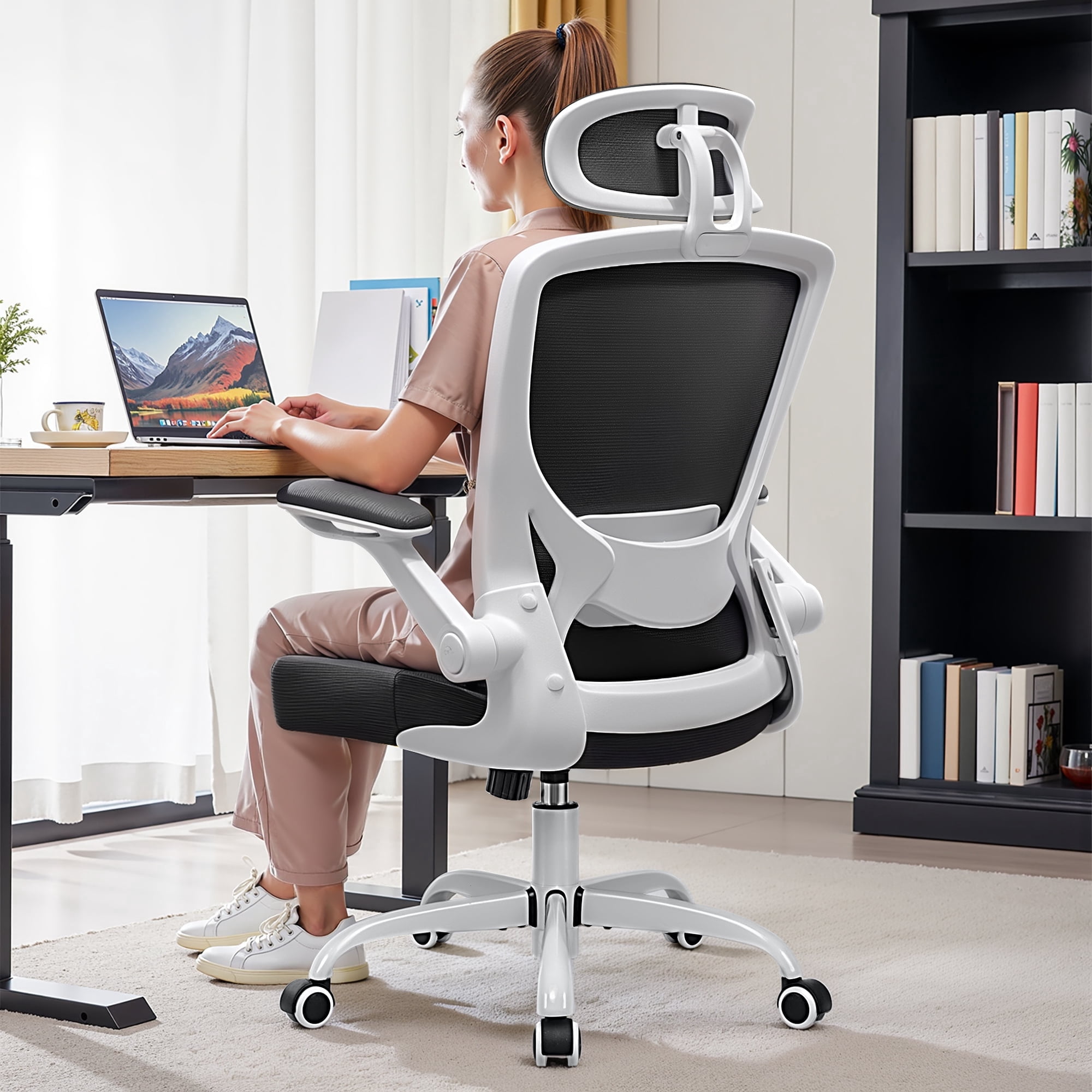
Mesh allows constant airflow, preventing heat buildup and sweat. High-quality mesh retains its shape even under tension, making it ideal for tall backs. Look for chairs with dual-layer mesh for enhanced lumbar support.
✅ Pros: Cooling, flexible, low maintenance.
⚠️ Cons: May lack plush padding; requires quality frame.
Premium Leather / Leatherette
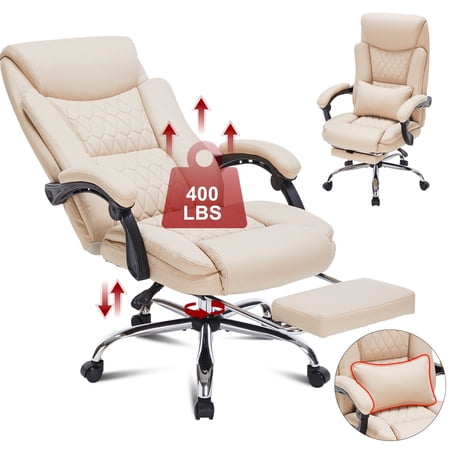
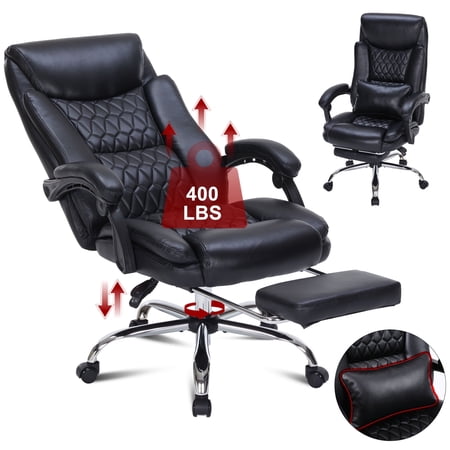
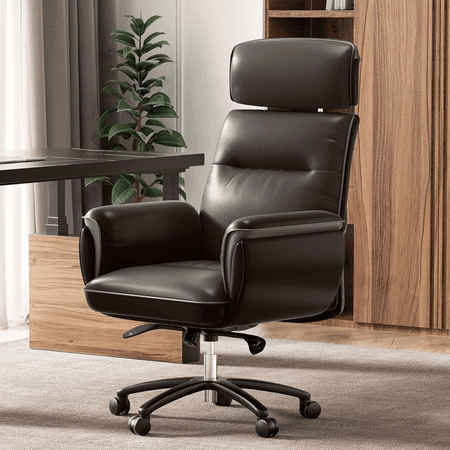
Leather exudes professionalism and is easy to clean. For tall chairs, choose top-grain leather with high-resilience foam. Some models incorporate cooling gel layers to offset heat retention.
✅ Pros: Durable, elegant, conforms over time.
⚠️ Cons: Can get warm; requires conditioning.
High-Density Fabric & Foam
Fabric chairs often provide the plushest feel. Look for commercial-grade fabric with stain resistance. Combined with high-resilience foam, they offer superior cushioning for tall frames without bottoming out.
✅ Pros: Plush comfort, variety of colors, affordable.
⚠️ Cons: Stains possible; may trap allergens.
Ergonomic Adjustments: Tailoring Your Tall Comfy Chair for Perfect Posture
A truly comfortable tall office chair must offer dynamic adjustability. Follow this step-by-step adjustment guide to maximize ergonomic benefits:
- Set the Seat Height: Adjust until your knees are bent at a 90–110° angle and feet rest flat on the floor. For taller users, ensure the gas lift provides enough upward range.
- Adjust Seat Depth: Slide the seat pan forward or backward until there’s a 2–3 finger gap between the edge of the seat and the back of your knees. This prevents circulation issues.
- Fine-Tune Lumbar Support: Many tall chairs offer both height and depth lumbar adjustment. Position the support to fill the natural curve of your lower back.
- Set the Headrest: The headrest should support the base of your skull (occipital region) without pushing your head forward. Adjust height and angle for neutral neck alignment.
- Adjust Armrests (4D if possible): Arms should allow your shoulders to remain relaxed, elbows at 90°, and wrists straight when typing.
- Engage Tension Control: Set the recline tension so you can lean back with ease but receive firm support when upright.
Why This Matters: According to the American Chiropractic Association, proper chair adjustment reduces musculoskeletal fatigue by up to 37% and increases typing accuracy. For tall users, these adjustments are the difference between chronic discomfort and sustained energy.
Health & Productivity Benefits of a Tall Comfy Office Chair
Investing in a chair that fits your tall frame goes beyond comfort—it actively enhances your well-being and work output.
Spinal Alignment
Taller individuals often suffer from slouching due to low backrests. A tall chair with adjustable lumbar maintains proper spinal curvature, reducing strain.
Improved Circulation
Extended seat depth prevents pressure on popliteal arteries, ensuring blood flow to the lower legs and minimizing numbness.
Enhanced Focus & Energy
Comfort eliminates the constant fidgeting and micro-adjustments, allowing deep concentration for 8+ hour workdays.
Professional Presence
A tall-backed, well-proportioned chair projects authority and confidence in executive settings or virtual meetings.
Common Misconceptions About Tall Office Chairs
Many shoppers assume any "big and tall" chair will work, but there are nuances that matter for true comfort.
- Myth: "Any high-back chair is sufficient for a tall person."
Fact: Seat height and depth are equally critical. A high back without proper seat depth can still cause thigh pressure. - Myth: "Mesh chairs aren't comfortable for tall people."
Fact: Modern high-end mesh chairs feature contoured frames and adjustable lumbar that adapt beautifully to tall frames. - Myth: "Leather chairs are too hot."
Fact: Perforated leather or chairs with cooling gel layers provide breathability while maintaining a luxurious feel.