
Why "Comfortable on a Budget" Doesn't Mean Compromising Quality
When you hear “budget office chair,” you might imagine a flimsy, hard seat that leaves you sore after an hour. But the reality today is far different. The market for most comfortable office chair budget options has evolved dramatically. Manufacturers now understand that remote workers, freelancers, and small business owners need affordable seating that still provides ergonomic support for 8+ hour workdays.
Key Insight: A 2023 ergonomics study found that users who invested in a quality budget chair ($200–$400) reported 68% less lower back discomfort compared to those using basic $80–$150 office chairs. Smart material selection and adjustable features make the difference.
What Defines a Truly Comfortable Budget Office Chair?
Comfort is subjective, but certain universal features separate mediocre chairs from genuinely supportive ones. Here’s what to look for when hunting for the best affordable ergonomic chair:
- Adjustable Lumbar Support – Even budget chairs now offer built-in or adjustable lumbar pillows to maintain natural spine curve.
- Breathable Material – Mesh backs and seat cushions with cooling foam prevent sweating and discomfort during long sessions.
- Seat Height & Depth – Proper fit ensures thighs are parallel to the floor, reducing pressure on hips and knees.
- Recline Tension Control – Allows you to rock back or lock in a comfortable angle, reducing spinal compression.
- Durable Base & Casters – A five-point metal or reinforced nylon base with smooth-rolling wheels ensures stability and easy movement.
Budget Tiers: Where Comfort Meets Affordability
Entry Level: $150 – $250
- Basic ergonomic shape
- Fixed or simple lumbar support
- Mesh back or padded fabric
- 90–120 lb weight capacity
Ideal for: Students, home offices with 4–6 hours daily use.
Sweet Spot: $250 – $400
- Adjustable lumbar (height/depth)
- 3D armrests (height, pivot)
- High-density foam seat
- Breathable mesh back + seat tilt
- 250–300 lb weight capacity
Ideal for: 8+ hour workdays, back pain prevention.
Premium Budget: $400 – $550
- 4D adjustable armrests
- Advanced lumbar system
- Leatherette or premium fabric
- Recline with tilt lock & tension
- Longer warranty (3–5 years)
Ideal for: Executives on a budget, those with chronic back issues.
Key Features to Maximize Comfort Without Overspending
To get the most value from your purchase, focus on these make-or-break elements:
🎯 Pro Tip: Chairs with independent seat depth adjustment are rare under $300, but they provide exceptional comfort by preventing thigh pressure. If you’re taller than 5’10” or shorter than 5’4”, prioritize this feature even if it means spending $30–$50 more.
1. Lumbar Support Mechanism
Look for chairs with a height-adjustable lumbar pad or a curved backrest that mirrors the spine's S-shape. Some budget models use spring-loaded lumbar that automatically adjusts — a great alternative if you share the chair.
2. Seat Cushion Density
High-density polyurethane foam (2.5–4 lb density) retains shape longer than low-density foam. If the product page mentions “molded foam” or “cold-cured foam,” it usually indicates better durability. Avoid chairs that only list “thick padding” without density specs.
3. Armrests: Fixed vs. Adjustable
For most budget-conscious buyers, height-adjustable armrests are the biggest comfort upgrade. They allow your shoulders to relax while typing. If your budget is tight, chairs with pivoting (2D) armrests provide better versatility than fixed ones.
Top Material Choices for Budget Comfort
Mesh Back + Fabric Seat
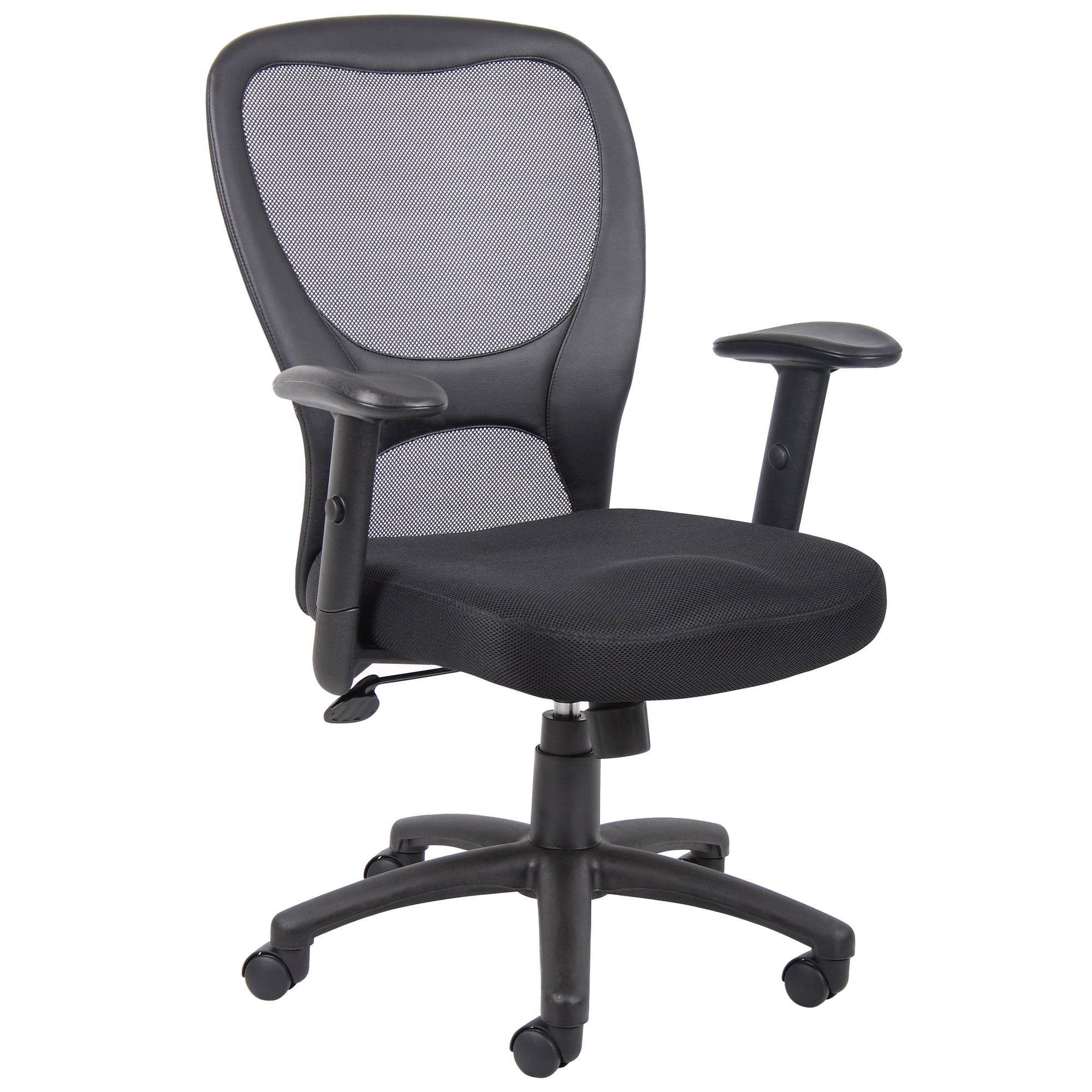
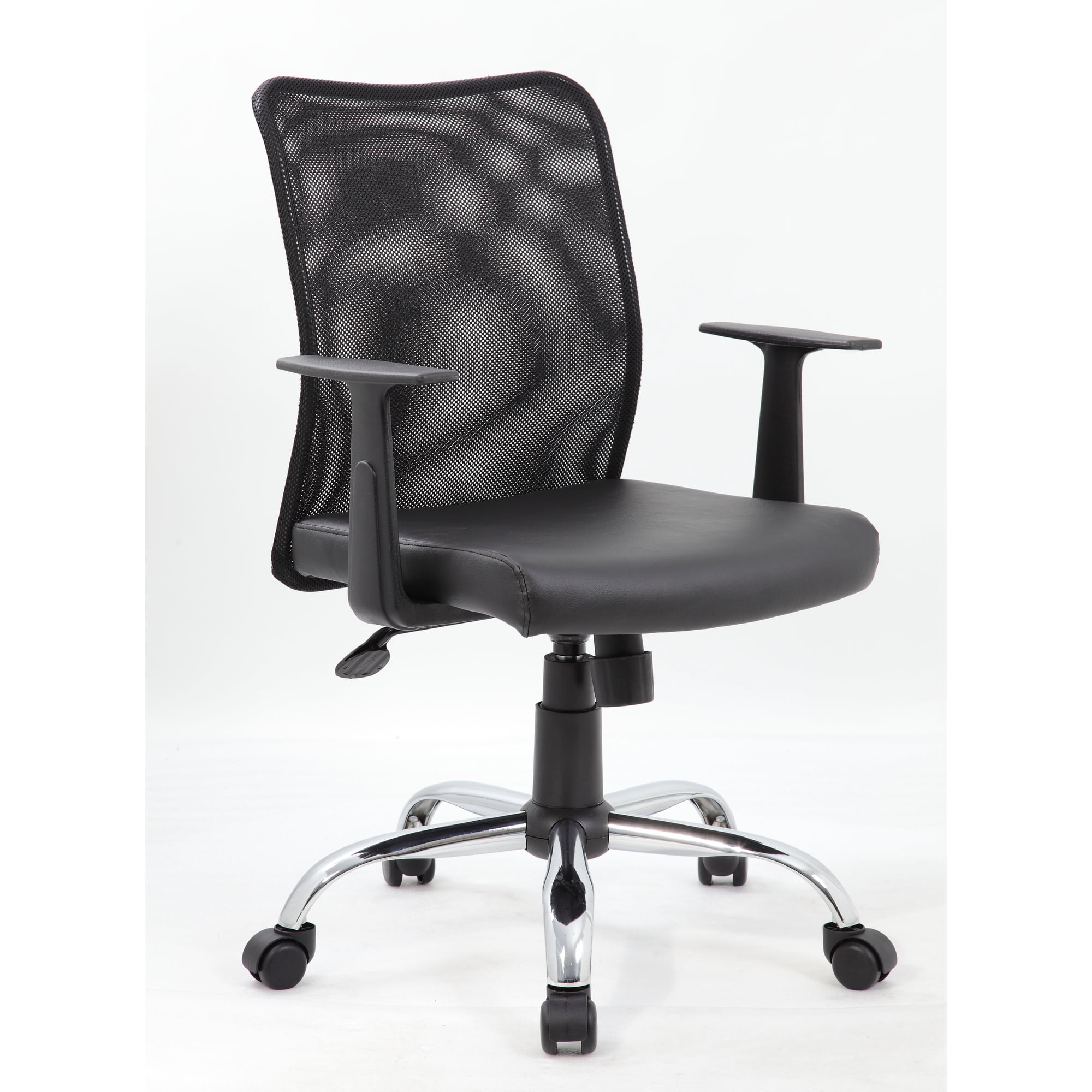
Breathable back keeps you cool; fabric seat offers plush comfort. Ideal for warm climates or those who tend to overheat. Easy to clean.
Full Mesh
Max airflow and lightweight. Usually more durable and easy to maintain. May feel less cushioned initially but provides excellent ergonomic support.
Fabric/Leatherette
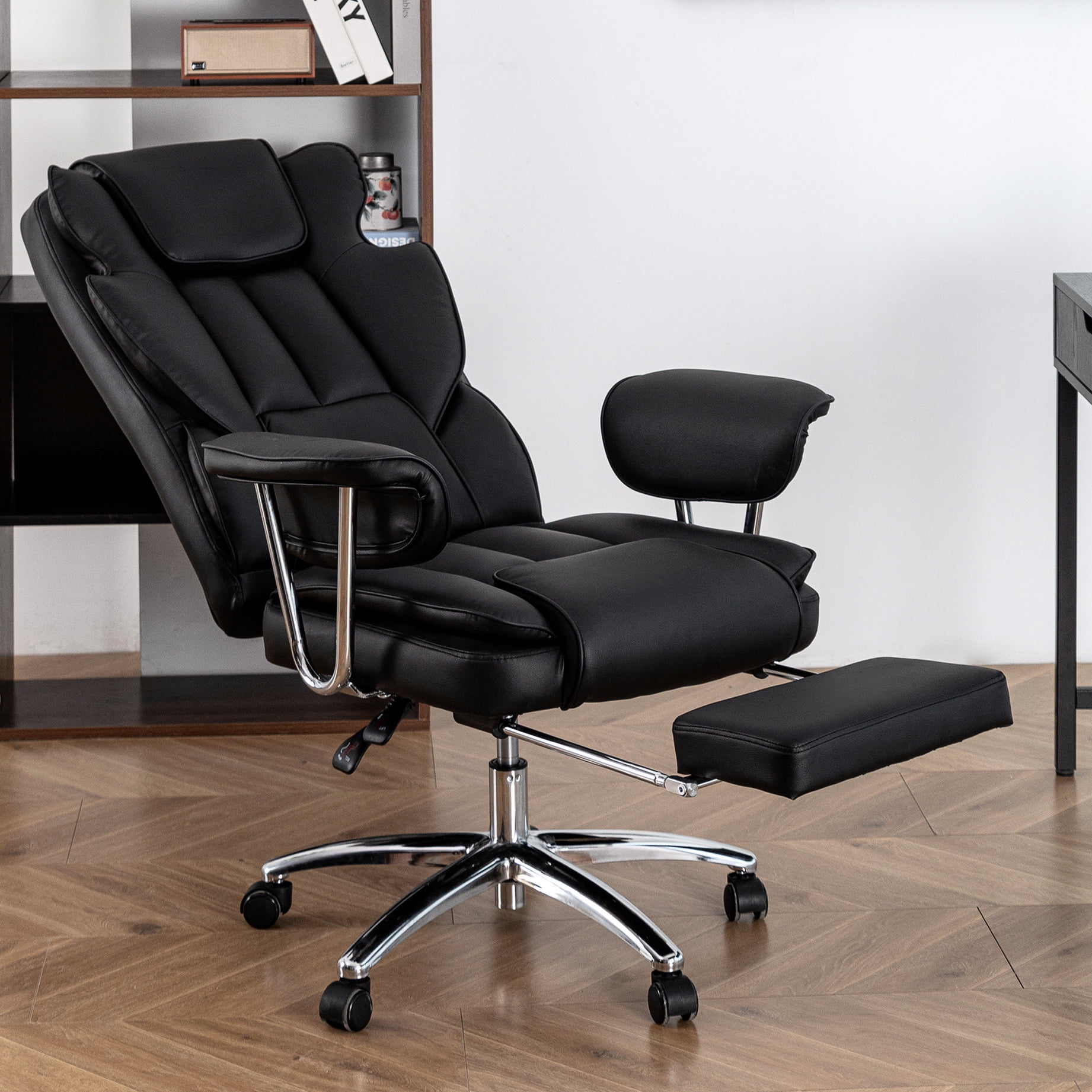
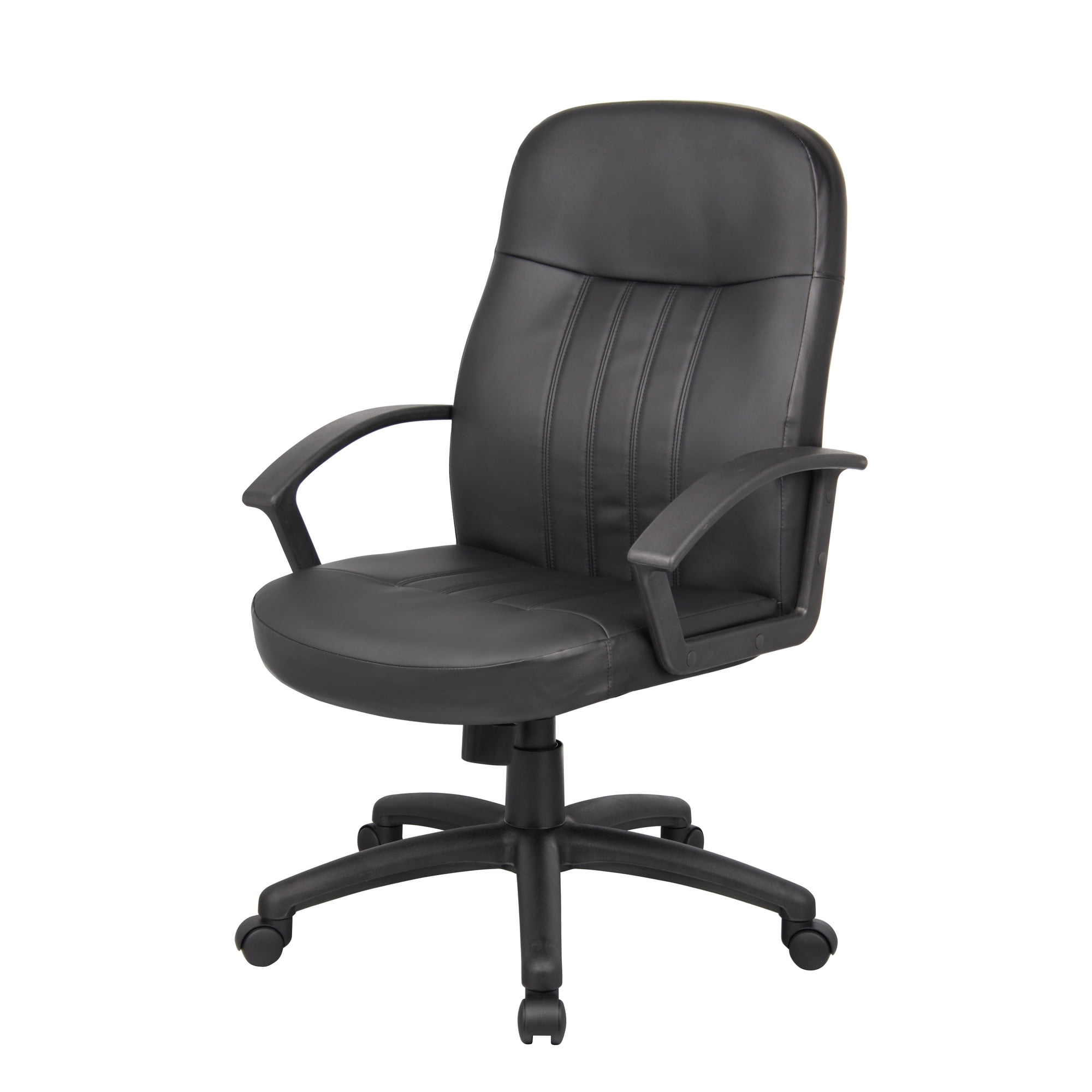
Classic office look, plusher feel. Leatherette is easy to wipe but can trap heat. Modern fabric blends with cooling gel layers offer a compromise.
Ergonomics on a Budget: Myth vs. Reality
Many believe you need to spend $1,000+ for true ergonomic comfort, but that’s not accurate. Budget-friendly ergonomic chairs have closed the gap significantly. Here’s how:
- Adjustability: Basic seat height, back tilt, and arm height are now standard even in the $200 range.
- Build Quality: Brands are using reinforced nylon and steel frames to ensure stability without driving up costs.
- Warranty: Many budget chairs now offer 2–5 year warranties, reflecting increased confidence in durability.
📊 Real-World Value Comparison
According to Consumer Reports (2024), budget chairs priced between $250–$400 scored within 15% of premium $800+ chairs in overall comfort ratings for users who work 6–8 hours daily. The key difference was longevity — premium chairs often last 3–5 years longer, but for many users, a well-selected budget chair offers better value per dollar.
How to Test Comfort When You Can't Sit Before Buying
Since many budget chairs are purchased online, use these strategies to ensure satisfaction:
- Read Verified Reviews: Filter reviews by users with similar body types (height/weight). Look for comments about long-term comfort after 3+ months.
- Check Return Policy: Choose retailers with free returns (e.g., Walmart+, Amazon Prime) so you can test the chair risk-free.
- Measure Your Desk Height: Ensure the chair’s maximum seat height allows your elbows to rest at 90 degrees when typing.
- Look for Assembly Simplicity: Poorly assembled chairs often lead to wobbling — check if assembly tools and clear instructions are included.