
The Quest for the Throne: What Defines the Most Comfortable Executive Office Chair?
For a business leader, the office chair is more than furniture—it's a command post. You might spend 8, 10, or even 12 hours a day in it, navigating meetings, making critical decisions, and driving your team forward. In such a scenario, comfort isn't a luxury; it's a strategic asset. But with countless options claiming to be the "most comfortable," how do you separate fleeting plushness from lasting, supportive comfort?
Imagine sitting down at the start of your day and feeling the chair hug you back—not in a way that swallows you, but in a way that cradles your body, keeping your spine aligned and your muscles relaxed. This is the essence of a truly comfortable executive chair. It’s a harmony of premium materials, intelligent ergonomics, and thoughtful design. Unlike the example page which focused on broad executive chair features and materials, here we dive deep into the very soul of comfort itself. We’ll explore the science of cushioning, the art of adjustability, and the specific design elements that transform a good chair into a throne you’ll never want to leave.
Ergonomics & Comfort Data: A study in the journal "Applied Ergonomics" found that chairs with high user-rated comfort led to a 17.5% increase in typing performance and a significant reduction in muscle activity, indicating less physical strain. The right chair doesn't just feel good—it makes you more effective.
The Anatomy of Comfort: Beyond the "Soft" Factor
When we think of comfort, we often imagine sinking into a soft, plush sofa. However, for an executive office chair, that feeling can be deceptive. A chair that is too soft lacks the structural integrity to support your posture, leading to slumping, lower back strain, and the notorious "bottoming out" where you feel the hard frame beneath you after an hour. The most comfortable chairs utilize a concept called "supportive comfort."
This is achieved through layered foam technology. High-density polyurethane foam or advanced memory foam is used in the seat and backrest. The magic is in the density and construction:
- Top Layer (Conforming Comfort): A softer, often temperature-sensitive layer (like visco-elastic memory foam) that immediately conforms to your unique body shape, relieving pressure points on the hips and tailbone.
- Middle Layer (Transition): A medium-density foam that prevents you from sinking too deep, providing a stable base for the top layer and adding to the plush feel.
- Base Layer (Structural Support): A firm, high-resilience foam core that ensures durability and maintains the chair's shape over years of use. This layer provides the fundamental support that keeps your pelvis and spine aligned.
This "comfort sandwich" is what distinguishes a $300 chair from a $1,500 one. The cheaper option uses a single, low-density foam block that quickly deteriorates. The premium option uses a scientific approach to seating dynamics, ensuring the chair remains a comfortable sanctuary for years.
The Ergonomic Handshake: Adjustability as a Comfort Feature
Static comfort is a myth. The most comfortable executive chair is one that moves and adapts with you throughout the day. Think of it as a handshake between you and the chair—it should be firm, confident, and personalized. A one-size-fits-all chair can never be the most comfortable for everyone. That’s where advanced adjustability comes in, and it's a non-negotiable feature for true comfort.
Key adjustments that directly impact your comfort level:
- Independent Lumbar Support: Not just a static bump. The best chairs allow you to adjust both the height and the depth (how much it protrudes) of the lumbar support. This ensures the curve of the chair perfectly matches the curve of your lower back, filling the gap and preventing slouching.
- Seat Depth Adjustment: This is critical for thigh comfort. A seat pan that's too long will press against the back of your knees (remember the waterfall edge). A seat that's too short won't support your thighs. Being able to slide the seat forward or backward ensures you have full thigh support without pressure, a fundamental aspect of all-day comfort.
- 4D Armrests: Armrests that adjust in height, width, depth, and pivot angle allow you to rest your arms and shoulders in a relaxed, neutral position. This prevents "hiking" your shoulders or reaching out to the side, which leads to neck and shoulder tension.
- Synchro-Tilt Mechanism: This advanced recline system allows the backrest to recline at a faster rate than the seat rises. It keeps you visually aligned with your work and supported, whether you're leaning in for a task or reclining back to think. The ability to adjust the tilt tension ensures the chair moves with your body weight, not against it.
When these adjustments work in concert, the chair disappears. You're no longer thinking about your body's relationship with the furniture; you're simply focused on your work. That is the pinnacle of comfort.
Material Comfort: Leather vs. Breathable Mesh & Fabric
The material that touches your skin plays a huge role in your perception of comfort. While the previous page detailed material pros and cons, let's look at it purely through the lens of *feeling*.
✓ Premium Leather Comfort
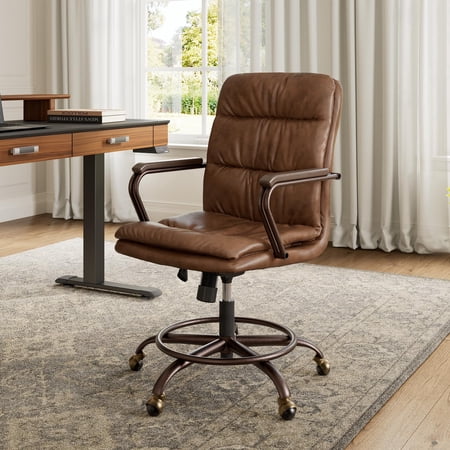
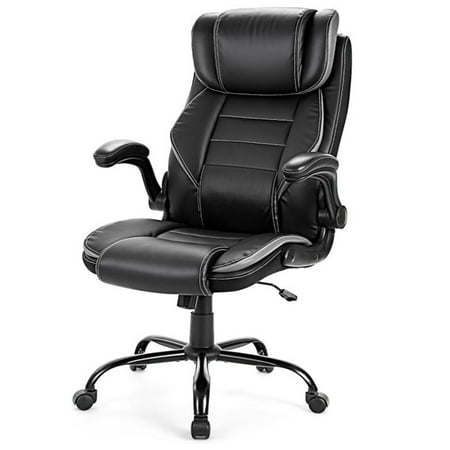
High-quality top-grain leather offers a unique comfort journey. Initially, it may feel firm and cool, but over the first few weeks, it begins to soften and mold to your body, creating a personalized, almost bespoke fit. It's durable, easy to clean, and conveys a classic, authoritative feel. For those who value a traditional aesthetic and a material that "ages" with you, leather's comfort is unmatched.
✓ Advanced Mesh Comfort
Modern, high-tension mesh isn't the stiff, unforgiving material of the past. The latest chairs use a woven mesh that is incredibly elastic and supportive. Its primary comfort advantage is breathability. On a long day or in a warmer climate, mesh prevents the heat and moisture buildup that can make leather uncomfortable. The gentle, even tension of the mesh hugs your back, providing excellent support without any pressure points.
✓ Plush Fabric Comfort
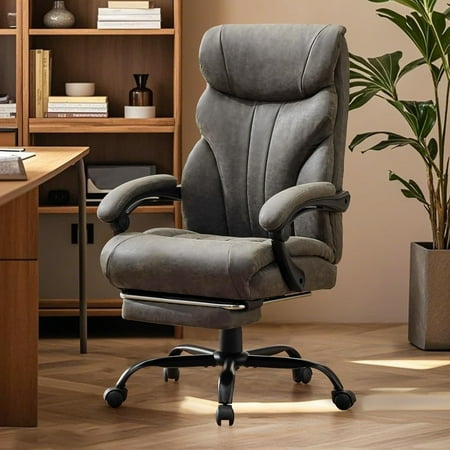
High-end fabric executive chairs offer a "cozy" comfort that's hard to replicate. Think of a soft, durable wool blend or a performance fabric that feels warm and inviting. Fabric can be combined with thick, plush foam for a deeply cushioned experience. It's often quieter than leather and available in a wider range of colors and textures to create a more relaxed, approachable executive space.
The choice here is deeply personal. Some executives want the cool, breathable support of mesh. Others crave the warm, conforming luxury of leather. The "most comfortable" chair will offer your preferred material without compromising on the underlying support structure.
Specialized Comfort Features for the Discerning Executive
Beyond the core anatomy, some chairs elevate comfort with thoughtful, almost indulgent features. These are the details that show a manufacturer has thought deeply about the user's experience.
- Adjustable Headrests: For moments of deep thought or taking a call, a well-padded, adjustable headrest provides crucial support for your neck and head, preventing "tech neck" during reclined moments. Look for headrests that move forward and back, not just up and down.
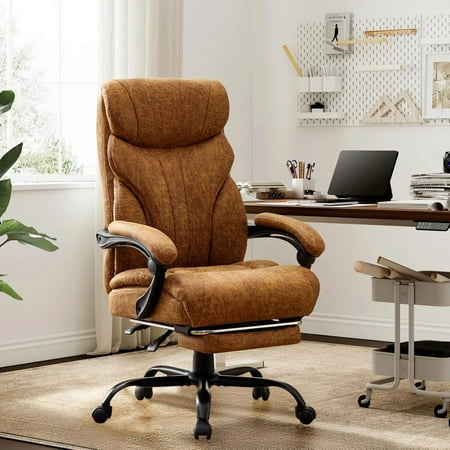
- Extended Recline and Lockable Positions: The ability to recline to a near-supine position with a footrest (often called a "tilt" or "recline" lock) turns your chair into a short-term recovery zone. It's perfect for a 10-minute power nap or simply changing your posture dramatically to relieve pressure.
- High-Quality Casters for Smooth Movement: Comfort isn't just about sitting still; it's about effortless movement. Upgraded, often larger, casters (like roller-blade style wheels) glide silently and smoothly over carpets or hard floors. This reduces the effort and jolts when you move, contributing to an overall sense of fluidity and ease.
- Seat Heating and Massage: At the very top end, some executive chairs offer integrated heating and massage functions. A gentle lumbar massage can work out tension during a stressful moment, while seat warmth is a welcome feature in a cold office.
These features transform a tool into a personal wellness station, acknowledging that executive comfort has a direct line to mental clarity and stress reduction.