
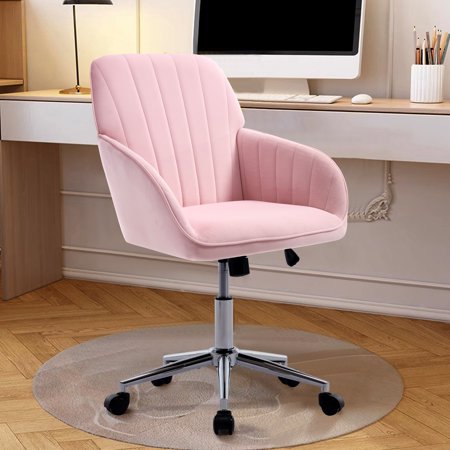
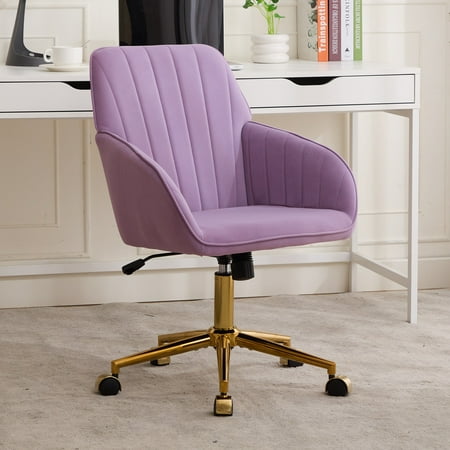
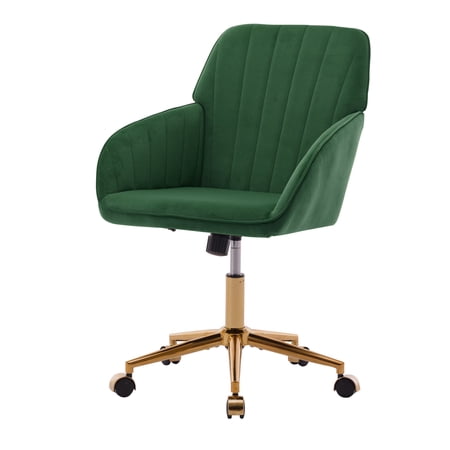
The Pursuit of True Seating Comfort: Beyond a Soft Cushion
Finding the most comfortable ergonomic office chair feels like a quest. We often mistake softness for comfort, only to end up with an aching back an hour later. True, all-day comfort isn't about sinking into a pillow; it's about dynamic support that moves with you and keeps your body in a neutral, relaxed position. It’s the difference between a chair that feels good for five minutes and one that feels good for five years.
Ergonomic research insight: Studies from the British Journal of Sports Medicine suggest that prolonged sitting is inevitable for many, but the *way* you sit matters. A highly adjustable chair encourages micro-movements and posture changes, reducing fatigue by up to 40% compared to static seating. The 'most comfortable' chair is the one you forget you're sitting in because it supports you so well.
What Truly Defines 'Comfort' in an Ergonomic Chair?
It's a harmony of several factors. Let's break down the anatomy of comfort:
- Dynamic Tilt Mechanism: A chair that allows your body to move naturally. Synchronized or multi-functional tilt mechanisms let your back recline while your feet stay planted, reducing pressure on your spine.
- Contoured Seat Cushion: Forget flat foam. The best cushions have a slight waterfall edge (to relieve thigh pressure) and a contoured shape that distributes your weight evenly, reducing peak pressure points by up to 50%.
- Breathable Back Support: A cool back is a comfortable back. High-tension mesh or fabric with spacer technology prevents that sticky, sweaty feeling, keeping you focused and comfortable even during marathon work sessions.
- Adaptive Lumbar Support: Static lumbar pads are outdated. The most comfortable chairs feature lumbar systems that adjust in height, depth, and sometimes even tension, conforming to the unique curve of your spine.
Material Science and Its Role in All-Day Ease
The material of your chair is the interface between you and the mechanics. It dictates temperature, feel, and long-term resilience. Think of it as the difference between a stiff canvas tent and a breathable, high-tech hiking jacket.
✚ Premium Mesh
Feel: Firm, supportive, and airy.
Best for: Those who run warm and need constant back ventilation. High-quality mesh like 'Pellicle' or similar conforms without sagging.
✚ Memory Foam
Feel: Soft, hugging, and pressure-relieving.
Best for: Users who prefer a 'cushy' seat and have lower back pain, as it molds to their unique shape. Ensure it's high-density to avoid bottoming out.
✚ Latex Foam
Feel: Resilient, buoyant, and naturally cooling.
Best for: Eco-conscious users and those who want the 'hug' of foam without the heat retention. It's bouncier and more responsive.
Beyond the Back: The 'Hidden' Comfort Features
A truly comfortable chair considers every point of contact. These features often make the difference between a good chair and a great one.
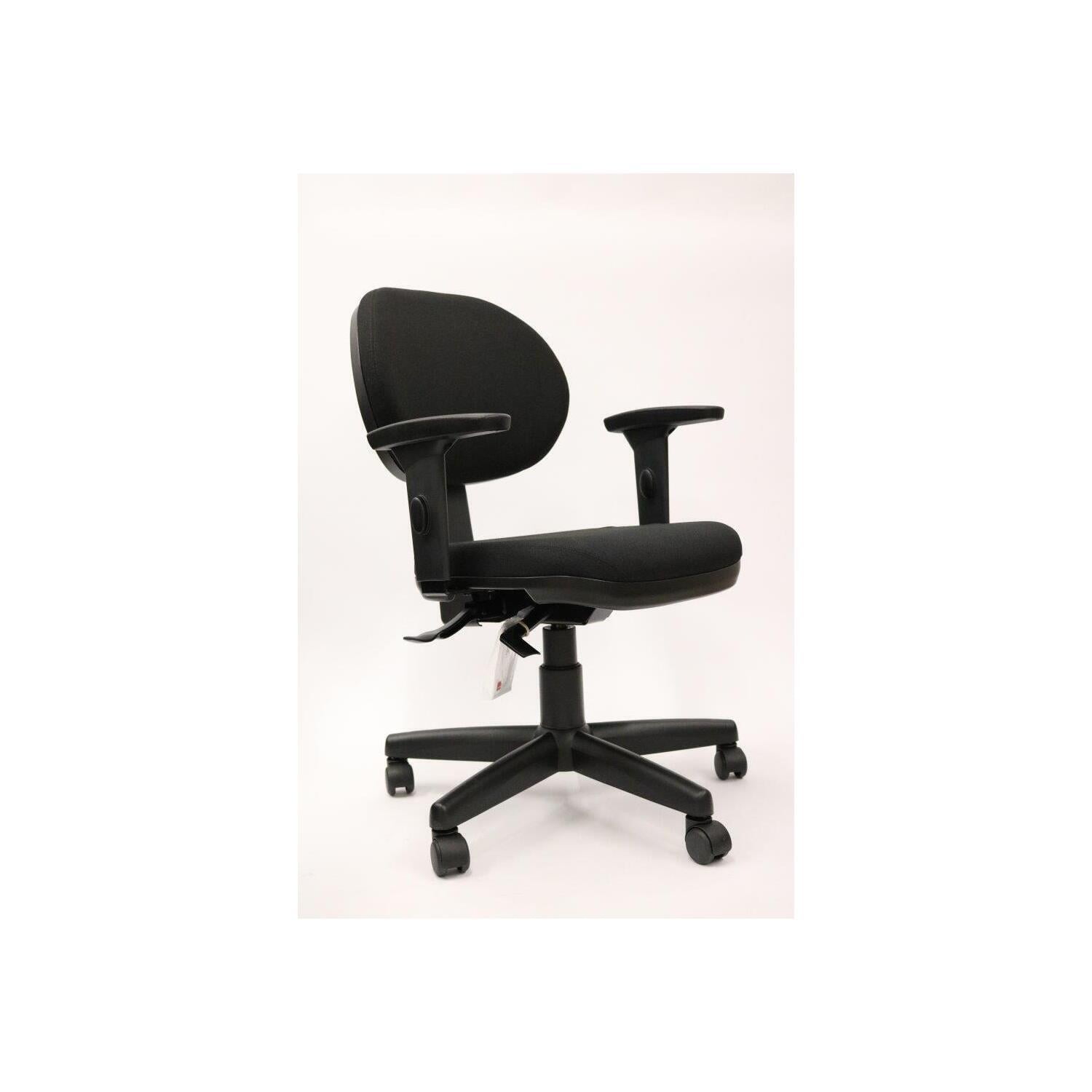
- 4D Armrests: Armrests that adjust in height, width, depth, and pivot angle. They ensure your arms are supported whether you're typing, reading, or taking a call, preventing shoulder and neck tension.
- Seat Depth Adjustment: A simple slider that moves the seat pan forward or backward. This ensures proper circulation behind your knees and supports your thighs fully, a cornerstone of long-haul comfort.
- Quiet, Smooth-Rolling Casters: Nothing breaks concentration like a squeaky, stuck caster. High-quality casters (often with a soft durometer for hard floors or hard wheels for carpet) make movement effortless and silent.
- Adjustable Tension Control: The ability to fine-tune how much force is needed to recline. This lets you personalize the 'rock' of the chair to your exact weight and preference, from very stiff to ultra-relaxed.
The 'Goldilocks' Zone: Matching Comfort to Your Work Style
Your definition of comfort is tied to how you work. A data analyst who stares at spreadsheets for 10 hours has different needs than a CEO who is in and out of meetings. Let's map it out:
The 'Focused Tasker'
Priority: Upright support and armrest adjustability.
Look for: A chair with a firm seat, excellent lumbar curve, and armrests that sit at desk height to keep elbows at 90°.
The 'Thinker & Collaborator'
Priority: Movement and recline.
Look for: A chair with a smooth synchro-tilt mechanism and a headrest. You'll lean back to think and rock forward to chat.
The 'Creative Mover'
Priority: Freedom and breathability.
Look for: A chair with a mesh back, a seat that allows perching on the edge, and smooth-rolling casters for easy movement around a studio or office.
Why 'Try Before You Buy' (Virtually) is Essential
While specs are helpful, comfort is subjective. Our number one tip is to use the '24-hour return policy' that many reputable online retailers offer. Spend a full workday in the chair. On day one, you might notice a new pressure point. On day two, you'll know if it's a keeper. Pay attention to how you feel at 3 PM compared to 9 AM. That afternoon slump is when a poor chair reveals its flaws, while a great one keeps you going.
The Long-Term Comfort Investment
Purchasing the most comfortable ergonomic office chair is an investment in your physical capital. Think of it this way: a $1,200 chair used for 8 hours a day, 240 days a year, over 5 years, costs you about 12.5 cents per hour. For that small hourly fee, you're investing in better posture, fewer sick days, and sustained focus. It's not an expense; it's a dividend-paying asset for your health and career.