
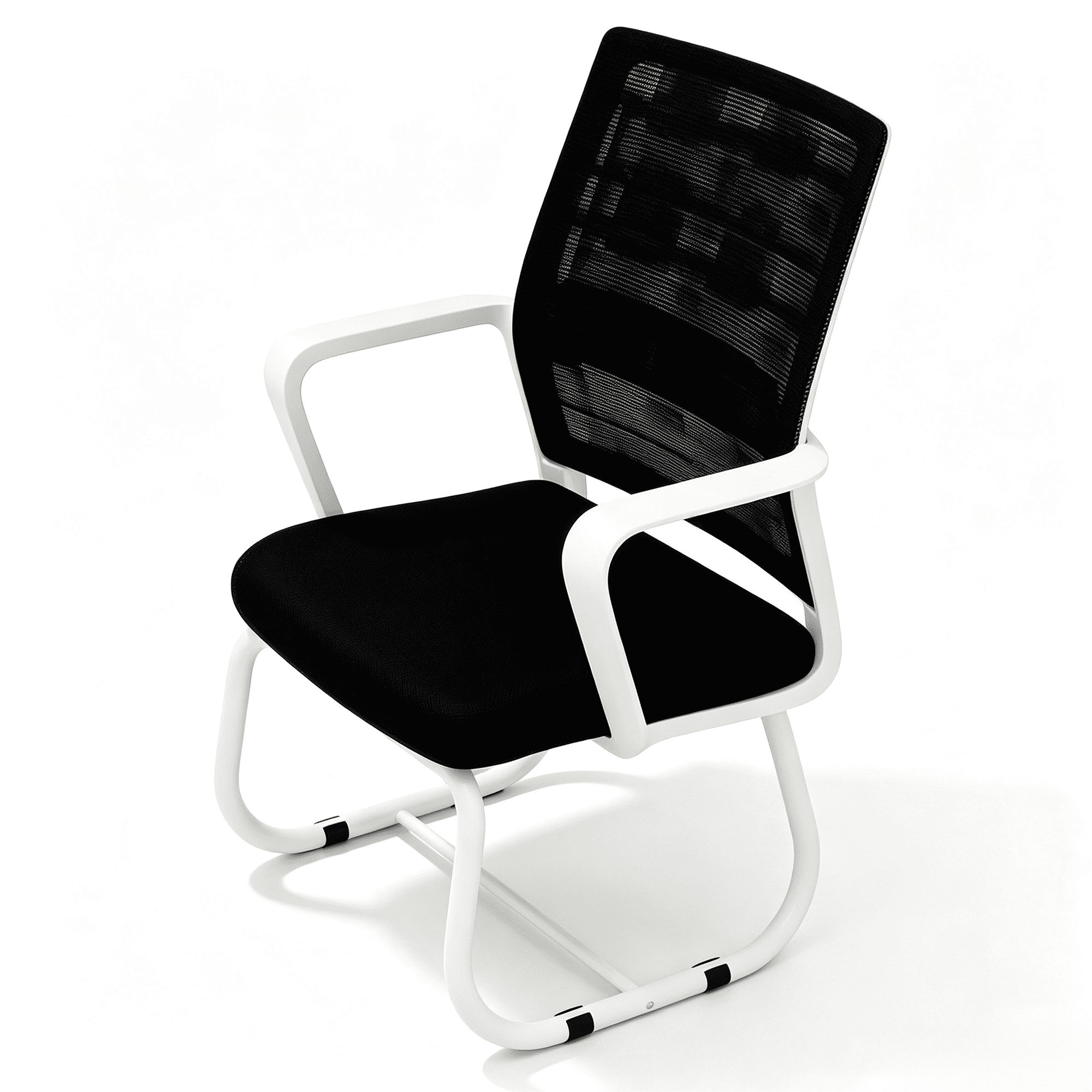
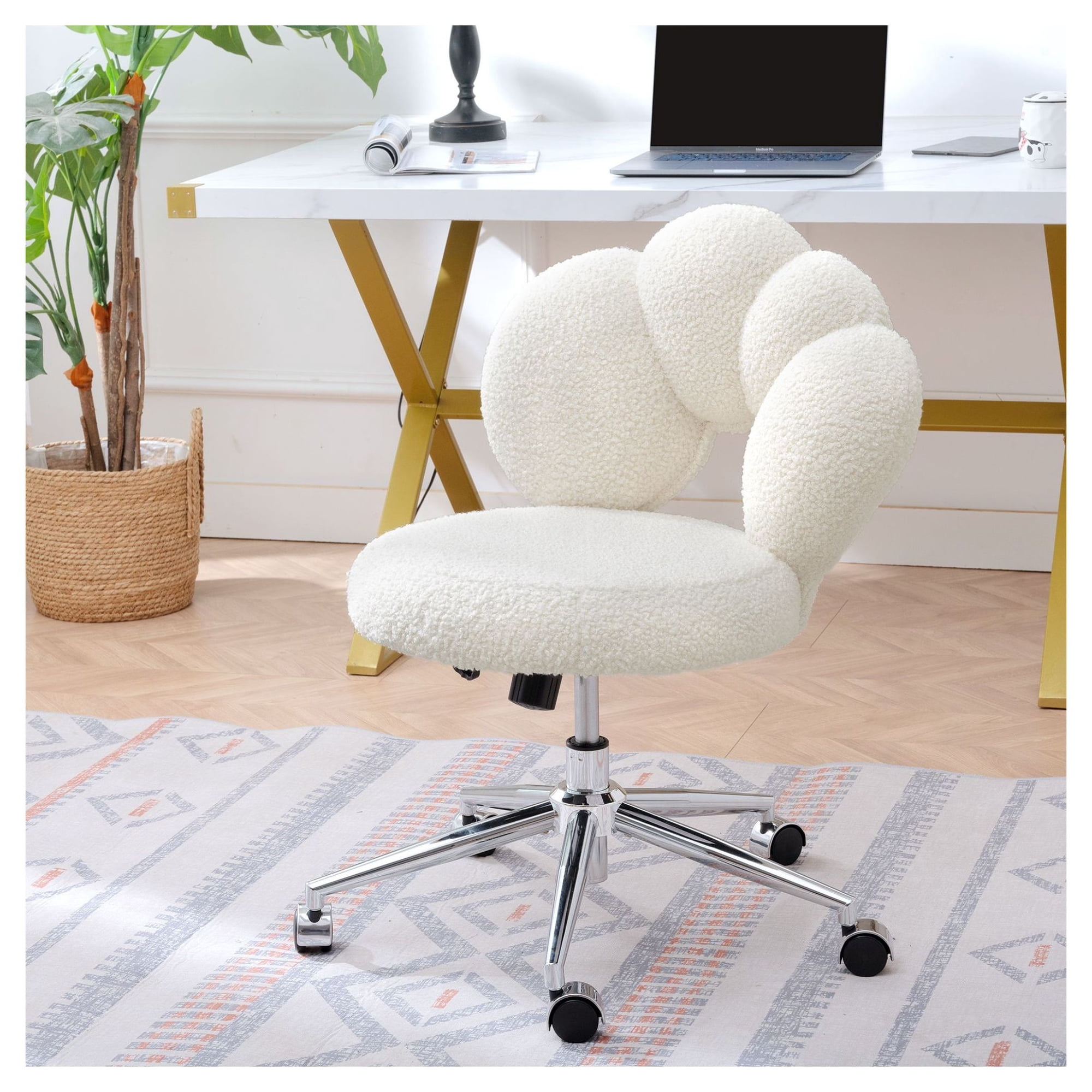
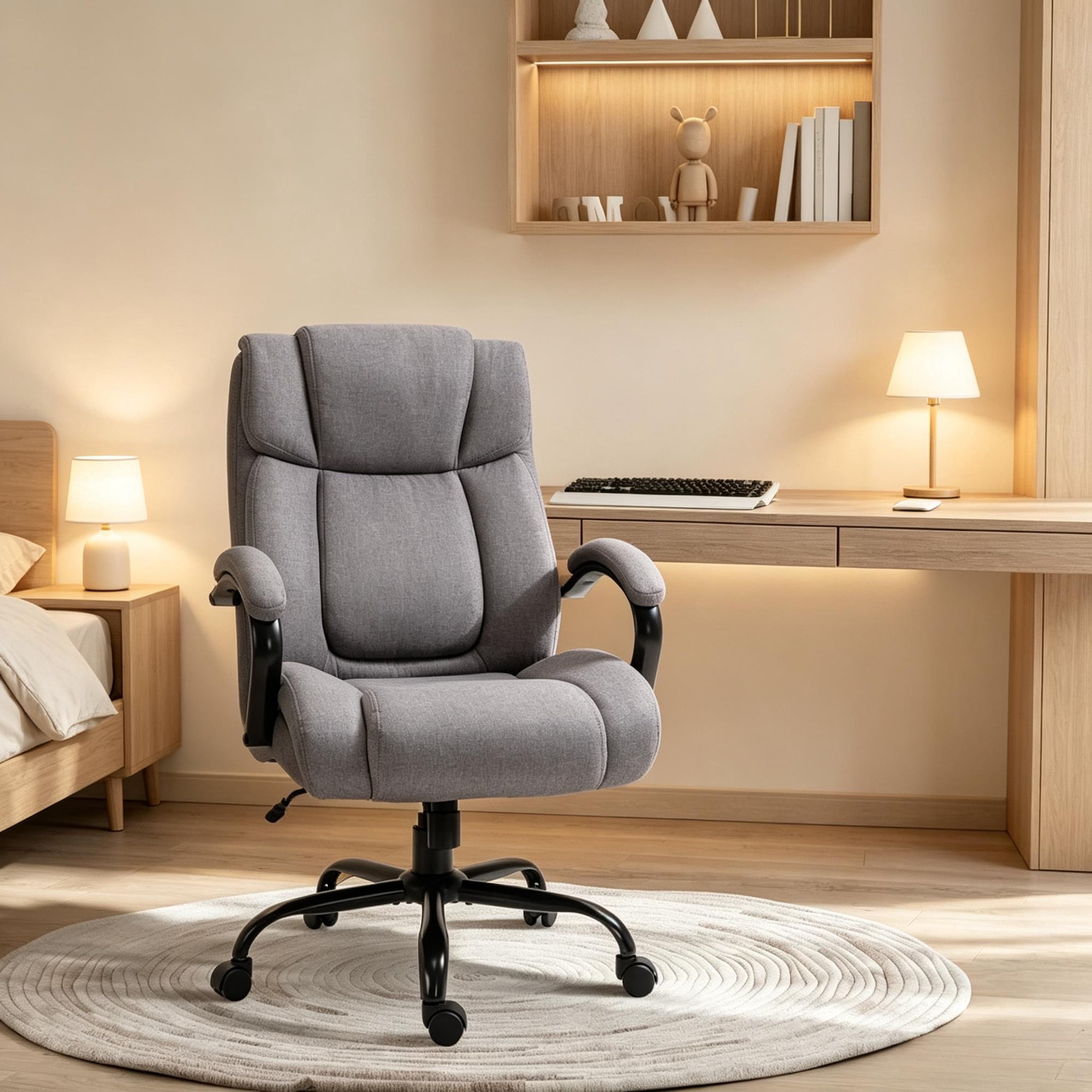
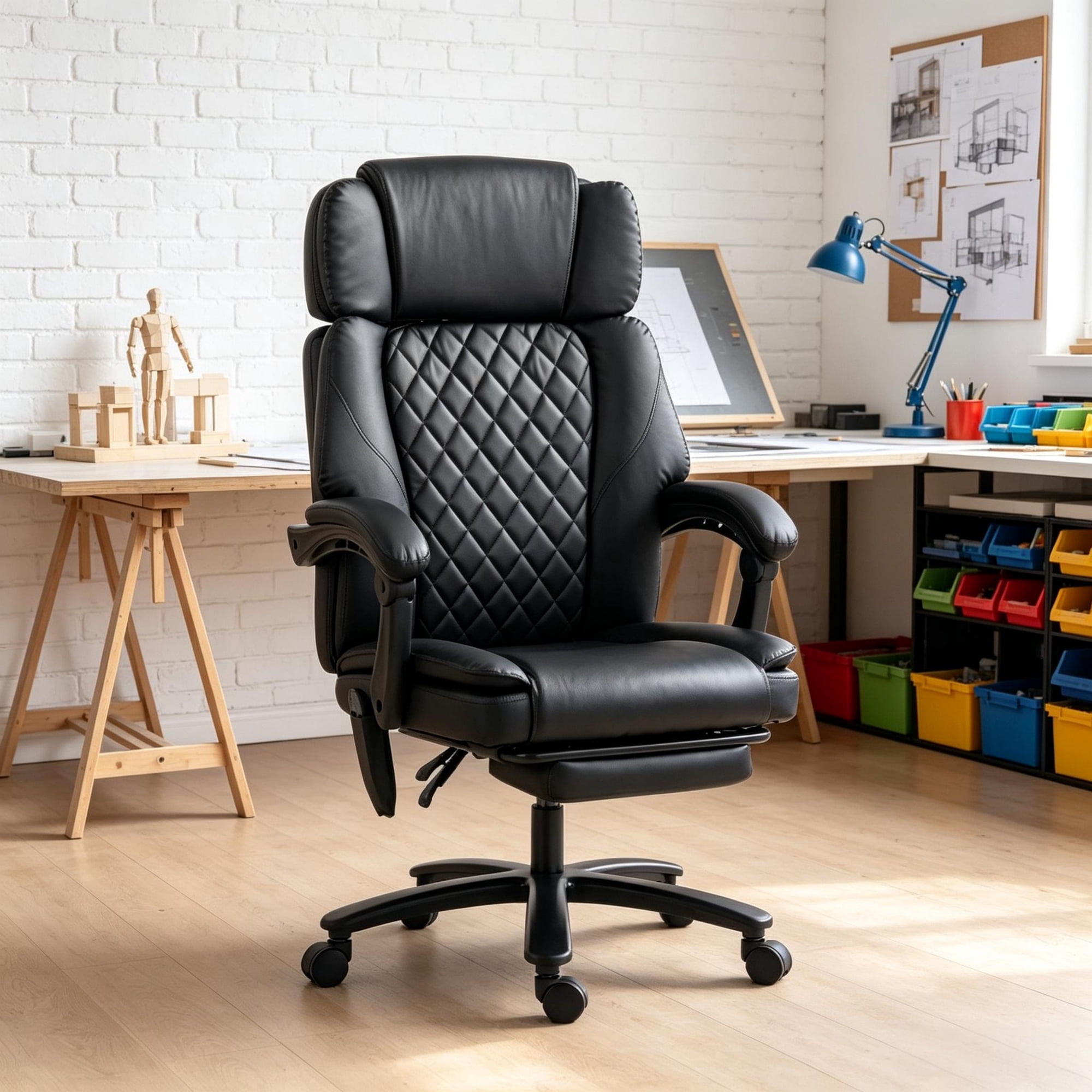
The Quest for the Perfect "Super Comfortable Office Chair"
Imagine sitting down at your desk and feeling an immediate sense of relief — a chair that welcomes you, supports you, and almost disappears beneath you because you're so at ease. That's the promise of a truly super comfortable office chair. But comfort isn't just about plush padding; it's a science. In fact, a study by the Journal of Physical Therapy Science found that proper seating can reduce muscle fatigue by up to 30%, directly impacting your focus and energy levels.
Whether you're a remote worker logging 10-hour days, an executive in meetings, or a creative diving into deep work, your chair is your cockpit. This guide will walk you through the anatomy of comfort, helping you decode marketing jargon and find the chair that feels like it was made for you. We'll explore materials, mechanisms, and real-world considerations — because comfort is deeply personal, but the principles are universal.
1. Deconstructing Comfort: What Makes a Chair "Super Comfortable"?
Think of a comfortable chair like a premium mattress. It's not just one layer; it's a symphony of components working together. A super comfortable office chair typically features these five core elements:
🛋️ High-Resilience Foam
Not all foam is equal. Cheap foam "pancakes" after a few months. Look for high-density polyurethane foam or memory foam blends. These materials bounce back slowly, contouring to your unique shape without losing support. Density is key: aim for foam rated 2.5 lb/ft³ or higher for longevity.
⚙️ Dynamic Lumbar Support
Static cushions can shift. Super comfortable chairs integrate adjustable lumbar systems (both height and depth) that move with you. Some high-end models even have air-bladder lumbar, allowing you to inflate the exact amount of lower-back pressure you need.
🌬️ Breathable Upholstery
Comfort evaporates if you're sweating. Premium 3D mesh backs allow airflow while providing tension. For seats, a combination of perforated leather or high-end fabric over cooling gel-infused foam is the gold standard for temperature regulation.
🔄 Infinite Recline & Tension
Being locked in one position creates fatigue. A comfortable chair offers a synchro-tilt mechanism that allows the seat and back to move in a natural ratio (usually 2:1 or 3:1). Adjustable tilt tension lets you tailor the resistance to your body weight, so leaning back feels effortless.
🦵 Waterfall Seat Edge
That gentle downward curve at the front of the seat isn't a design accident. It prevents the seat edge from digging into your thighs, promoting healthy blood circulation to your legs and feet — a subtle but critical feature for all-day comfort.
Why "Soft" Isn't Always Comfortable
There's a common misconception that a super comfortable chair must feel like a sofa. In reality, a chair that's too soft can cause "hammock effect," where your hips sink lower than your knees, rounding your spine and straining muscles. True comfort is supportive softness. Imagine sitting on a high-end car seat — it's plush yet firm, holding you in place during long drives. The best office chairs mimic this automotive-grade comfort.
2. Material Matters: The Touch and Feel of Comfort
The material covering your chair dramatically influences the perception of comfort. Here's a breakdown to help you choose based on your environment and preference.
Premium Fabric
Soft, warm, and breathable. Modern performance fabrics are stain-resistant and durable. Ideal for climate-controlled offices where you want a cozy, "living room" feel. Best paired with thick foam.
3D Mesh
The champion of airflow. Mesh backs prevent heat buildup. For seats, some brands use a mesh + foam hybrid. Perfect for warmer climates or anyone who runs hot. Look for "elastic" mesh that gives slightly.
Top-Grain Leather
Luxurious and durable. Leather softens and conforms to your body over time, creating a custom fit. It requires maintenance but offers unparalleled prestige and easy cleaning. Pair with generous padding for executive comfort.
Gel-Infused Foam
Often used as a topper layer. Gel helps dissipate body heat, preventing that "sticky" feeling. Commonly found in "cooling" chairs, it's a game-changer for those who experience discomfort from heat buildup.
3. The Adjustment Checklist: Making Comfort Yours
A super comfortable chair is like a tailored suit — it must fit you. Here's a numbered checklist of adjustments that separate good chairs from truly comfortable ones. Don't just look for them; learn how to use them.
- Seat Height (Pneumatic): Essential. Your feet should rest flat, thighs parallel to the floor, with arms at desk height.
- Seat Depth Slider: Move the seat pan forward or back. You should have 2-3 fingers of space between the seat edge and your calves.
- 4D Armrests: Adjustable in height, width, depth, and angle. Your arms should rest comfortably with shoulders relaxed, not hunched.
- Lumbar Depth Adjustment: This pushes the lumbar support in or out, filling the curve of your lower back. It's the "secret weapon" for eliminating back ache.
- Backrest Height: Allows the backrest to move up or down so the lumbar curve hits the right spot on your spine.
- Recline Lock & Tension: You should be able to lock the chair at various angles and adjust how much force is needed to recline.
Ergonomist's Tip: "Many people buy a comfortable chair but never adjust it. Spend 15 minutes when you first get it — tweak every lever. Your body will thank you after the first full workday." — Dr. Emily Carter, Certified Professional Ergonomist.
4. Anatomy of a Chair Built for 8+ Hour Comfort
What separates a chair that feels good for an hour from one that feels good all day? It's the engineering beneath the surface. According to data from the Human Factors and Ergonomics Society, chairs designed for prolonged sitting incorporate a few key engineering feats:
- Class 4 Gas Lift: Provides smooth, reliable height adjustment even under heavy loads, preventing sudden drops that startle you.
- Reinforced Aluminum Base: More stable than plastic bases, reducing wobble and ensuring the chair feels solid when you lean or shift weight.
- Dual-Wheel Casters: Roll smoothly on carpets or hard floors, so you don't have to exert effort to move, reducing strain on your legs and back.
- Zoned Foam Density: Advanced chairs use different foam densities in the seat (softer in the center, firmer at the edges) to provide both comfort and support where you need it most.
Frequently Asked Questions About Super Comfortable Office Chairs
Conclusion: Your Path to a More Comfortable Workday
Investing in a super comfortable office chair is investing in your well-being, productivity, and daily happiness. It's easy to overlook the chair as "just furniture," but think about the hours you spend in it. A great chair can mean the difference between ending your workday exhausted and ending it ready to enjoy your evening.
Start by identifying your non-negotiables: do you need a cooling mesh back? Plush, sink-in foam? Aggressive lumbar support? Then, use our product grid above to see what's currently available. Remember, the most comfortable chair is the one that fits your body and your work style. Don't rush the decision — your back will thank you for years to come.