
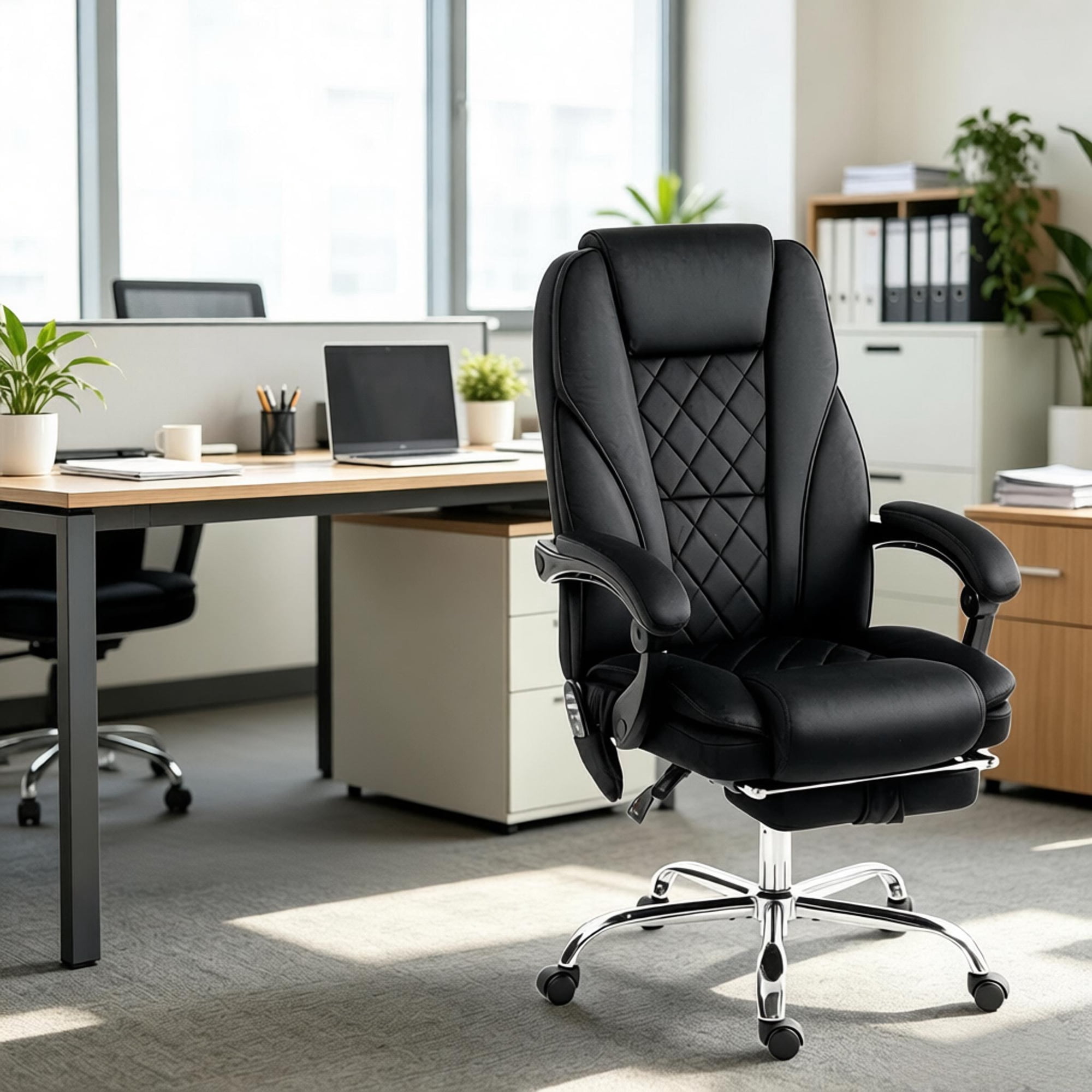
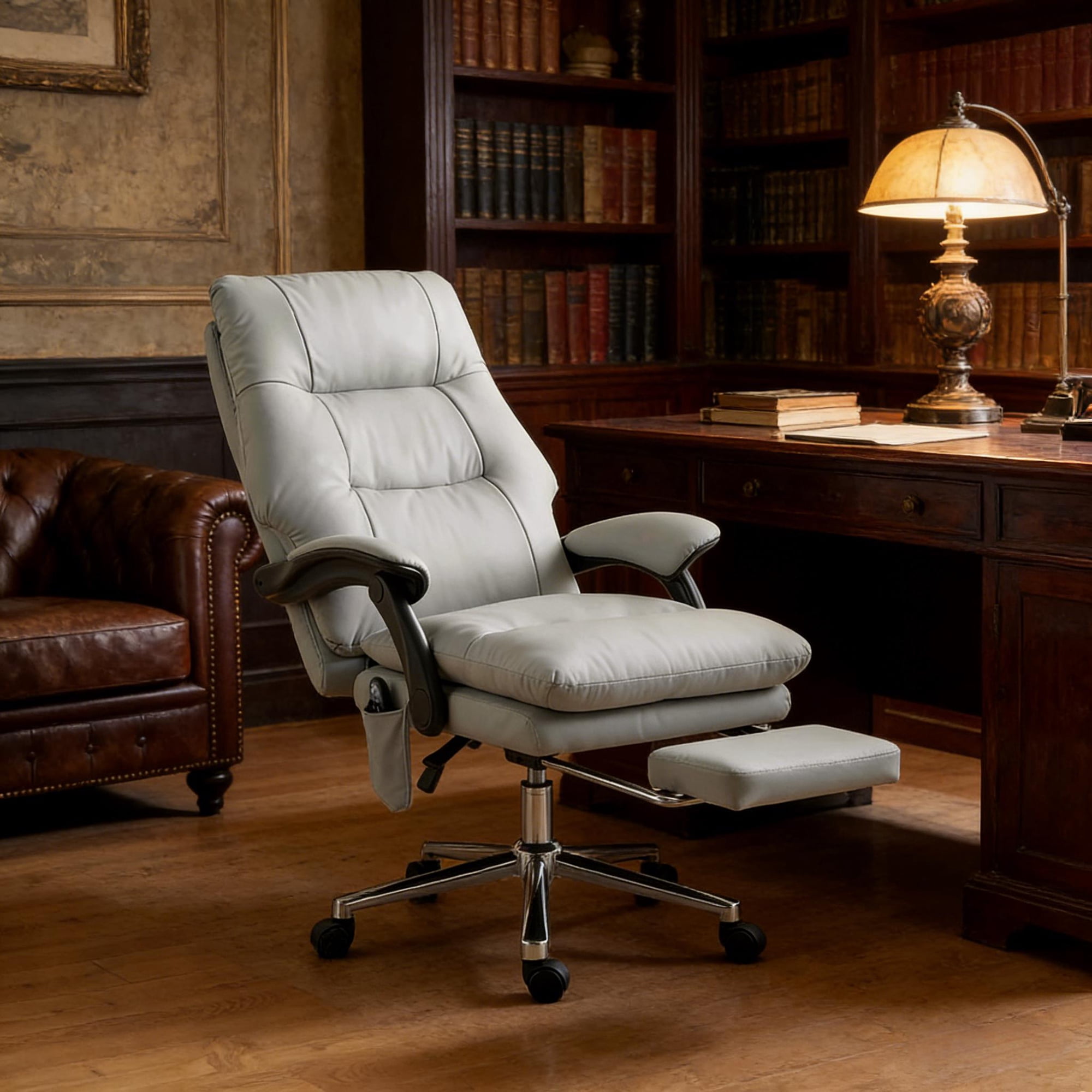
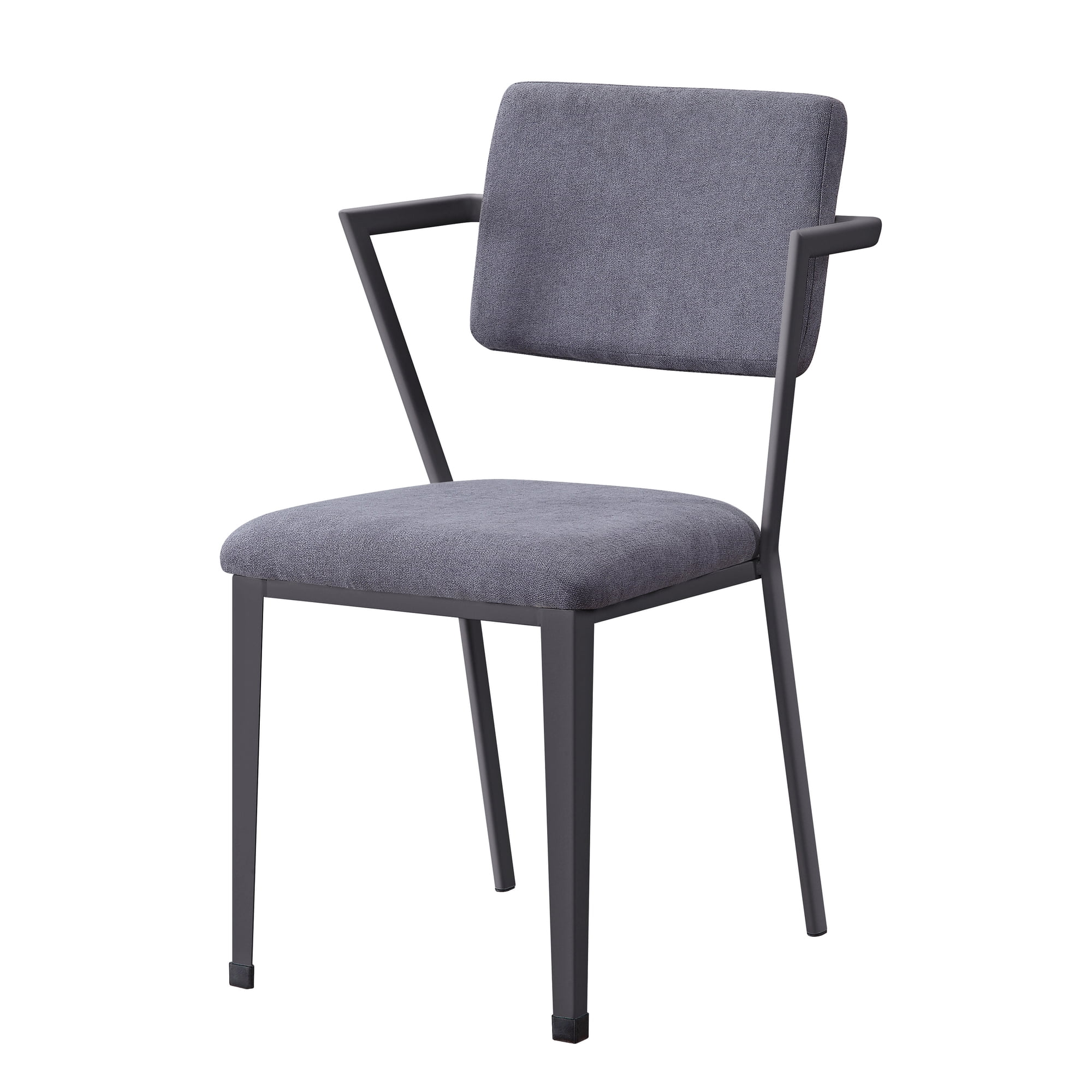
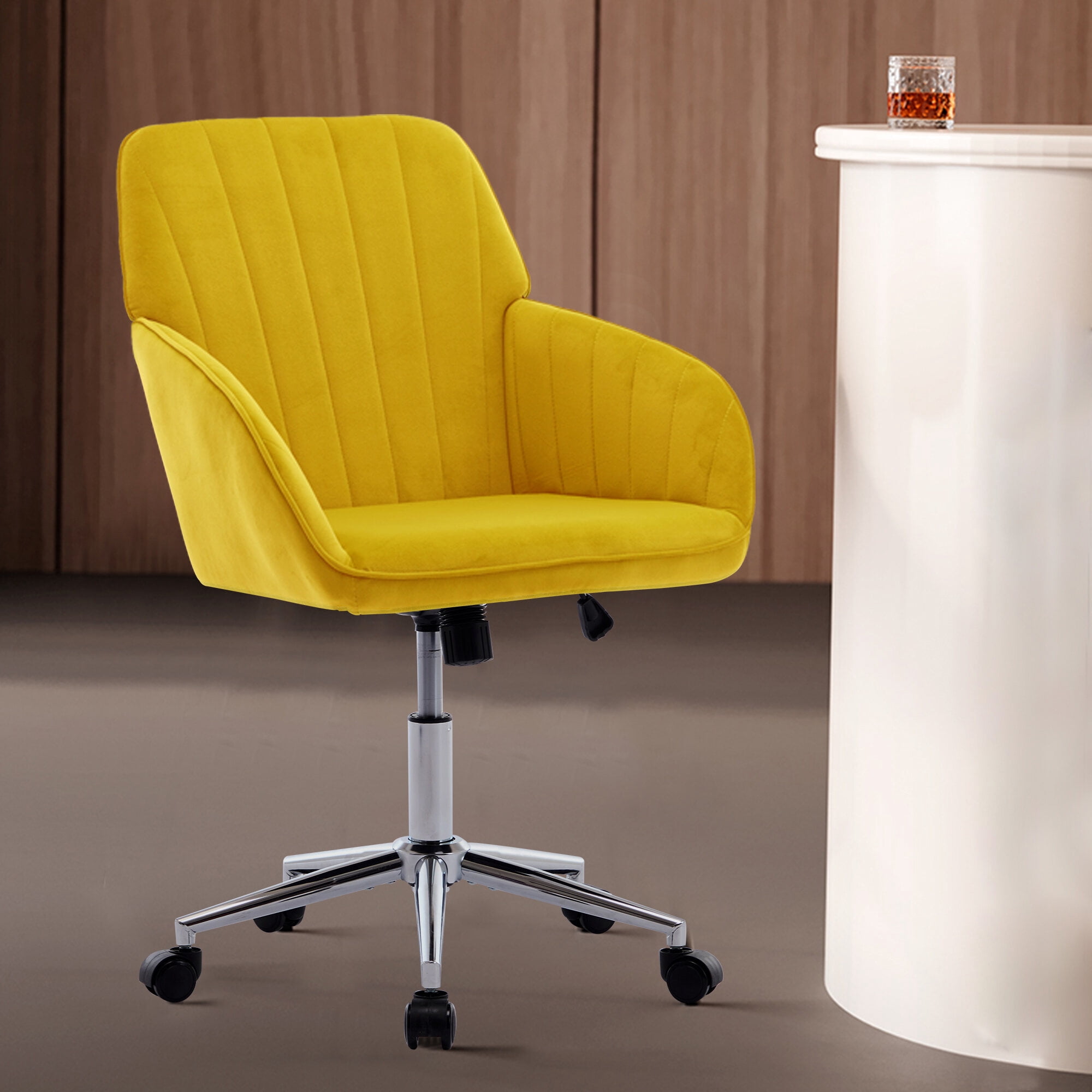
Why Your Office Chair Is Your Most Important Work Tool
Imagine wearing shoes that don’t fit for eight hours — by midday, every step hurts. That’s what sitting in a poorly designed office chair does to your body. The average office worker spends over 75,000 hours seated during their career. That’s nearly nine years in a chair. Yet many people treat their chair as an afterthought, grabbing whatever is cheapest or nearest.
A quality office chair isn’t just a place to sit; it’s a support system. It keeps your spine aligned, prevents chronic back pain, and helps you stay focused. In fact, a study by the British Journal of Sports Medicine found that replacing a standard task chair with an ergonomic model reduced lower back discomfort by 41% in just four weeks. This guide will walk you through everything you need to know — from materials to adjustability — so you can choose an office chair that works for you, not against you.
Core Anatomy of an Office Chair: What Really Matters?
Not all office chairs are created equal. To cut through marketing jargon, focus on five core components that define comfort and durability. We'll break them down with a fresh perspective — think of your chair as a car seat for your desk: it needs to hold you securely, adjust to your shape, and last through miles of typing.
1. The Lumbar Support: Your Spine's Best Friend
The lower back (lumbar region) has a natural inward curve. A good chair supports this curve, preventing slouching. Adjustable lumbar support is a game-changer: look for knobs or levers that move the support pad up/down and in/out. Some high-end chairs use inflatable air bladders for custom tension. Without proper lumbar support, you're essentially asking your muscles to hold your spine erect — leading to fatigue and pain by 3 p.m.
2. Seat Pan Depth: The "Two-Finger Test"
Seat depth determines thigh support. When you sit back, there should be about two fingers' width between the back of your knee and the seat edge. Too deep, and the pan presses behind your knees (restricting circulation). Too shallow, and your thighs lack support, causing extra pressure on sitting bones. Many office chairs now offer seat slider mechanisms — a must if you're taller or shorter than average.
3. Backrest Recline & Tilt Tension
Static sitting all day is unhealthy; movement nourishes spinal discs. A quality office chair allows you to recline and lock at various angles. Synchronous tilt (where the seat and back move together) keeps you supported even as you lean back. Tilt tension adjusts how much force is needed to recline — heavier individuals need firmer tension. Think of it as the chair's "suspension" that absorbs your movements.
- • Waterfall edge: curved front of seat relieves pressure on thighs, improving blood flow.
- • Multi-block foam: high-density foam retains shape longer than soft foam that collapses after months.
- • 4D armrests: adjustable up/down, left/right, forward/back, and pivot — ideal for varied tasks.
4. Base, Casters, and Gas Lift
A five-star base (almost always metal or reinforced nylon) provides stability. Cheap plastic bases can crack under 250 lbs. Casters should match your floor: soft rubber for hardwood (avoid scratches), hard wheels for carpet. The gas lift (pneumatic cylinder) controls height adjustment; look for a Class 3 or Class 4 rating (safety-tested for thousands of lifts).
5. Upholstery: Mesh vs. Leather vs. Fabric
Material affects breathability, maintenance, and feel. Here’s a quick comparison:
🕸️ Mesh
Best for: hot climates, long hours.
Breathable, contours to shape. May lack plush feel. High-quality mesh (e.g., 3D knit) resists sagging.
🪑 Leather (bonded/top-grain)
Best for: executive look, easy wipe-clean. Can get sticky in summer; genuine leather softens over years. Faux leather may peel after 3 years.
🧵 Fabric (woven/performance)
Best for: color variety, cozy feel. Stain-resistant options exist; may trap odors and allergens without regular cleaning.
How to Choose Your Office Chair: A 5-Step Framework
Use this numbered approach to narrow down hundreds of options:
- Measure your space and body: chair height range (usually 16–21" seat height), desk height, and your weight (for capacity).
- Identify primary usage: 8-hour coding? Mesh back. Client meetings? Leather/fabric with polished look. Small home office? Compact task chair without high back.
- List mandatory adjustments: e.g., must have seat depth slider and adjustable arms — these often separate $200 chairs from $500+.
- Read for durability signs: warranty (10 years on frame is gold standard), weight capacity (300 lbs indicates stronger mechanics).
- If possible, test or use free returns: comfort is subjective; buy from retailers with good return policies.
🔍 Research note: The Human Factors and Ergonomics Society states that employees with adjustable chairs report 22% higher job satisfaction. A chair that fits is an investment in your daily mood.
Ergonomics Myths vs. Facts About Office Chairs
Let’s clear up common misconceptions:
- ❌ Myth: "Sitting on a yoga ball improves posture."
✅ Fact: While it engages core, prolonged use without back support can strain spine. Best used intermittently. - ❌ Myth: "Expensive chairs are only for people with back pain."
✅ Fact: Preventive ergonomics avoids future pain — like wearing a seatbelt before a crash. - ❌ Myth: "More padding means more comfort."
✅ Fact: Excessively soft foam leads to poor support (sinking) and can misalign hips. Medium-density, resilient foam is ideal.
Hidden Benefits of a Proper Office Chair
Beyond avoiding backache, a quality office chair boosts microcirculation. A waterfall seat edge reduces pressure on the backs of thighs, allowing blood to flow freely to legs. Better circulation means less leg numbness and reduced risk of deep vein thrombosis (DVT) during long sedentary periods. Some chairs also feature forward tilt — angling the seat down slightly to open the hip angle, which can help when you’re leaning over a desk for detailed work.
Think of your chair as the suspension system in a luxury car. A cheap chair is like a rigid wooden bench: every bump (or every hour) jars your frame. A well-designed chair absorbs your movements, keeps you stable on turns (swivels), and cradles you on long journeys. It's not pampering; it's engineering for human biology.
Frequently Asked Questions About Office Chairs
Conclusion: Your Next Step to a Better Workday
Choosing an office chair is rarely exciting, but the right one quietly pays dividends every single workday. It’s the foundation of your workspace ergonomics. Start by identifying your non-negotiables: do you need breathable mesh for long hours? Adjustable arms for varied tasks? A higher weight capacity for stability?
Remember the analogy of the car suspension: you wouldn't drive cross-country on flat tires. Don't spend your career sitting in a chair that fights your body. Use the framework above, test options if possible, and consider it a long-term health investment. Your back—and your focus—will thank you.
Explore the curated product grid above to see top-rated office chairs that meet these criteria. Many come with free returns, so you can try them risk-free.