
Embrace a Different Perspective: The Low to the Ground Office Chair
In the world of office seating, height is often associated with authority. However, for many, a lower sitting position is not a compromise, but a choice for comfort, accessibility, and ergonomic alignment. A low to the ground office chair is specifically designed for those who prefer or need a seat closer to the floor, offering unique benefits for petite users, people with short desks, or those who simply find a lower position more comfortable.
Ideal For: Shorter individuals (under 5'4"), children, people using low workbenches, and those who prefer a grounded, stable sitting feeling. It's also a great solution for collaborative and creative spaces where sitting on a level with others is important.
Key Features of Low to the Ground Office Chairs
These chairs are not just standard chairs with shorter legs. They are engineered with specific features to ensure comfort and functionality at a lower height:
- Reduced Seat Height: The primary feature, with a seat height typically starting at 14-17 inches, compared to the standard 18-21 inches.
- Compact Footprint: Often designed to be more space-efficient, perfect for small offices or nooks.
- Ergonomic Adjustments: Despite the lower height, many models offer seat depth adjustment, tilt tension, and height adjustment within their lower range.
- Stable Base: A wider base for enhanced stability when getting in and out, which is crucial at a lower height.
- Durable Materials: Built to last with high-quality fabrics, mesh, or leather, ensuring longevity.
Why Choose a Low-Profile Chair? Understanding the Benefits
Choosing a low office chair offers several distinct advantages depending on your specific needs:
| User Profile | Why a Low Chair? | Key Benefit |
|---|---|---|
| Petite Users (Under 5'4") | Standard chairs are often too high, leaving feet dangling and putting pressure on the back of the thighs. | Allows feet to rest flat on the floor, promoting proper posture and reducing back strain. |
| Low Desk or Workbench Users | Standard chair heights are incompatible with lower workspaces. | Ensures a comfortable and ergonomically sound working position at the correct height. |
| Children and Teens | Standard chairs are too large and can be unsafe or uncomfortable. | Provides a safe, appropriately sized seating solution that grows with them. |
| Those with Mobility Needs | Getting in and out of a very tall chair can be challenging. | Easier and safer to sit down and stand up from a lower seat. |
| Collaborative & Creative Spaces | Promotes a more grounded, informal, and equal level of communication. | Encourages relaxation and teamwork in a casual setting. |
Health and Posture Benefits of Proper Low Seating
When correctly chosen, a low to the ground office chair can contribute significantly to your overall well-being:
Improved Posture
Feet flat on the floor naturally aligns the spine, reducing the tendency to slouch.
Reduced Pressure on Legs
Prevents the cutting off of circulation behind the knees that can happen with too-high seats.
Better Stability and Balance
A lower center of gravity can feel more stable and secure.
Reduced Lower Back Strain
Promotes a natural pelvic tilt and reduces stress on the lumbar spine.
How to Select the Perfect Low to the Ground Chair
Choosing a low-profile chair requires a slightly different approach than a standard one. Follow this guide to ensure you make the right choice.
Step 1: Measure Your Workspace
- Desk Height: Measure the underside of your desk. A standard desk is 29-30 inches, but low-profile chairs are designed for desks as low as 24-27 inches.
- Floor Space: Ensure the chair's base and arm span fit within your available floor area.
Step 2: Check Your Body Dimensions
- Your Height: If you are under 5'5", a low chair is often a great fit. Measure your "popliteal height" (the distance from the back of your knee to the floor) to find a seat height that allows your feet to be flat.
Step 3: Identify Key Features
Feature Priority Matrix
Prioritize adjustable lumbar support, seat depth, and a comfortable backrest.
Focus on a simple, durable construction and easy rolling casters.
Choose easy-to-clean materials like vinyl or mesh with a stable, wider base.
Look for adjustable height within the low range, a very stable base, and safety features.
Different Styles of Low Office Chairs
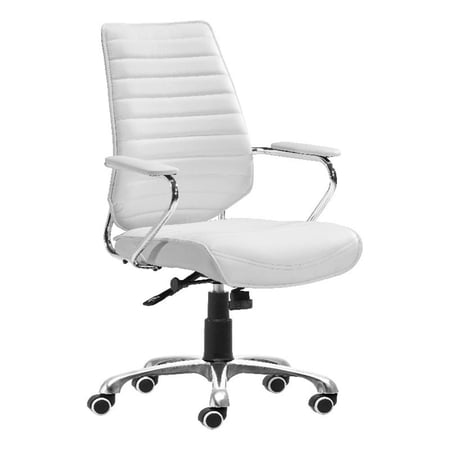
Low-Profile Task Chairs
These are the most common type, featuring a traditional office chair shape but with a lower height range. They often come with a standard backrest, seat, and arms. Ideal for daily computer work at low desks.
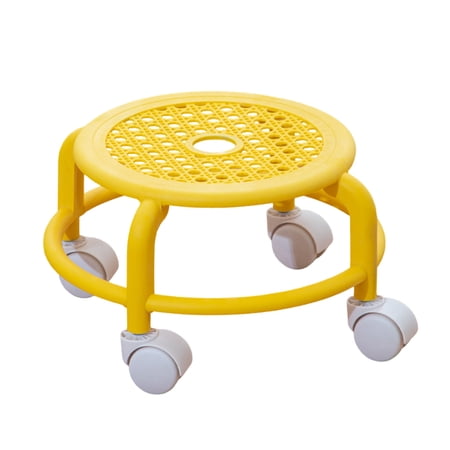
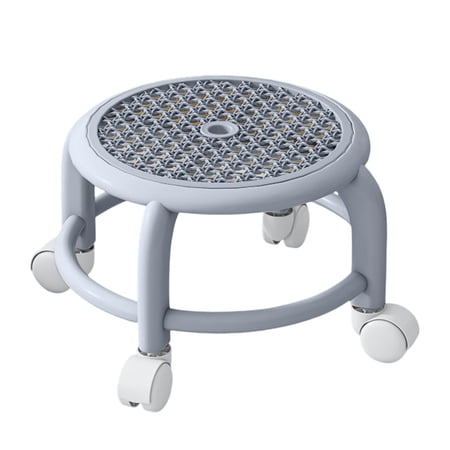
Low-Back or Drafting Stools
While not strictly 'to the ground', some low-profile stools offer no back support and are designed for short-term perching or use at workbenches. They provide a very open and grounded seating experience.
Kneeling Chairs
A unique style where your body weight is distributed between the seat and a pair of padded knee rests. This encourages a forward-leaning, upright posture and is often naturally lower to the ground.
Cross-Legged (Criss-Cross) Chairs
These are designed with a wider, flatter seat that allows you to sit with your legs crossed, often on a low base, providing a cozy, grounded feel. They are very popular in alternative office setups.